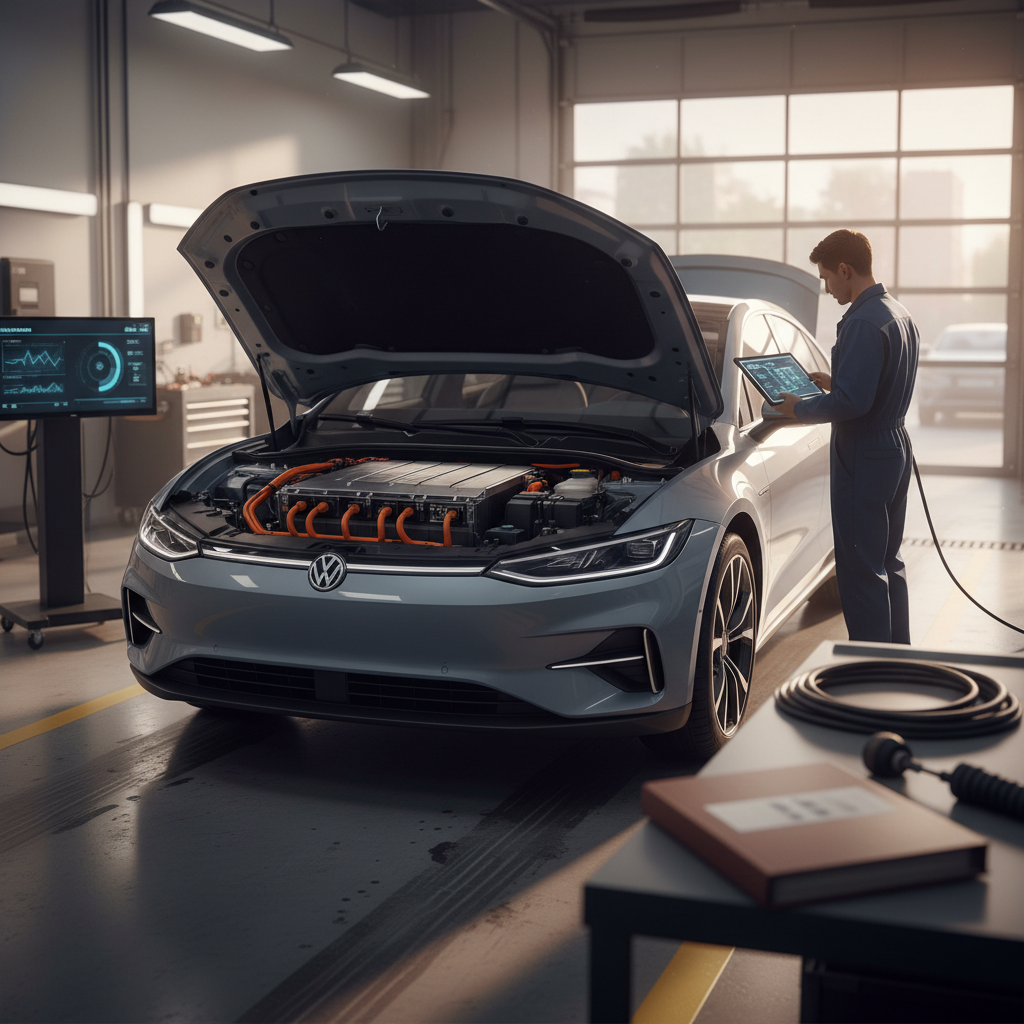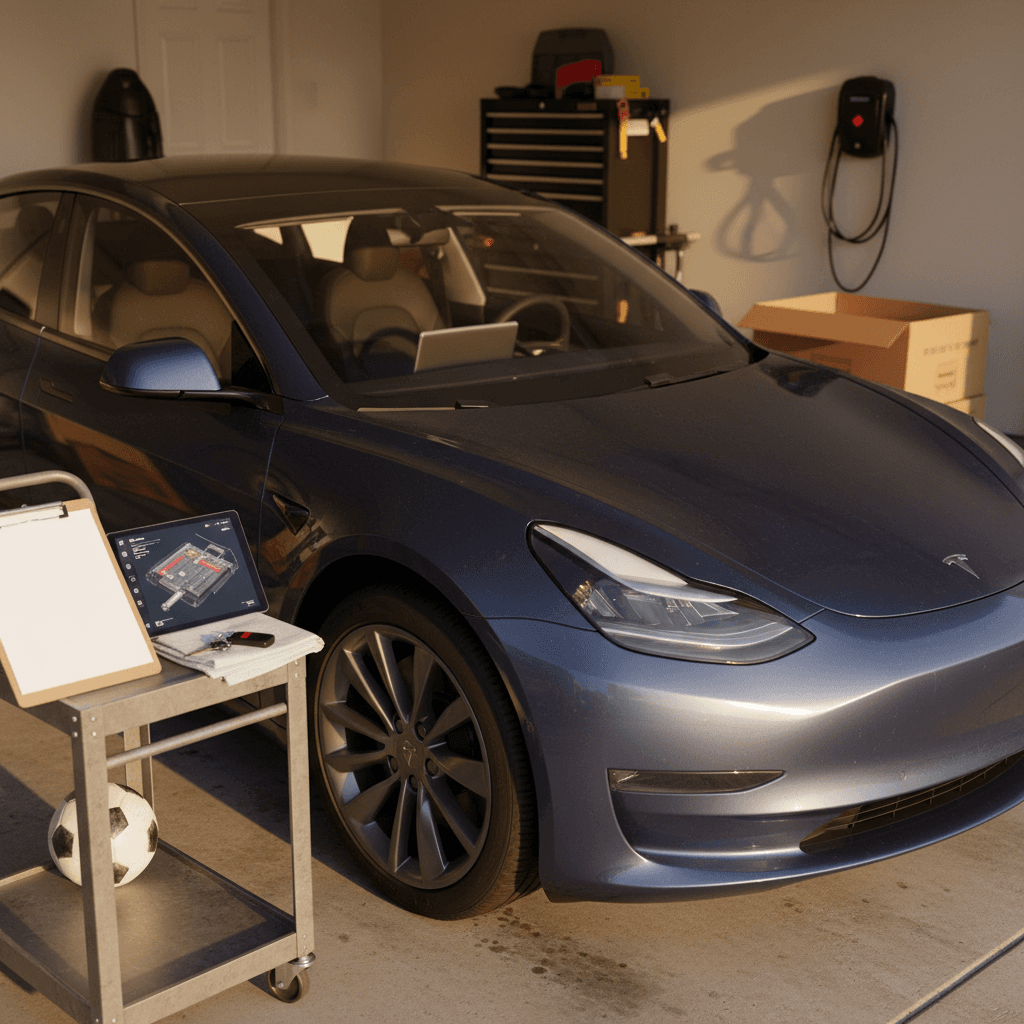
Selling a Tesla Model 3 isn’t quite like selling a gas sedan. You’re not just handing over a title, you’re also handing over software access, over‑the‑air features, and a battery pack that largely determines the car’s value. This Tesla Model 3 selling checklist walks you step‑by‑step through what to do before you list, while you’re taking inquiries, and when you finally transfer ownership so you can maximize price and avoid headaches.
At a glance
Why you need a Tesla Model 3 selling checklist
The Model 3 is still one of the most popular EVs in the used market, with strong underlying demand and a lot of shoppers specifically hunting for it. That’s good news, but it also means buyers can be picky. They compare battery health, software features, and cosmetic condition across dozens of listings in seconds. A structured Tesla Model 3 selling checklist makes sure you don’t leave money on the table or scare off buyers with missing information or sloppy prep.
Seller’s advantage
Quick overview: Tesla Model 3 resale basics in 2026
Model 3 resale snapshot
Why preparation matters
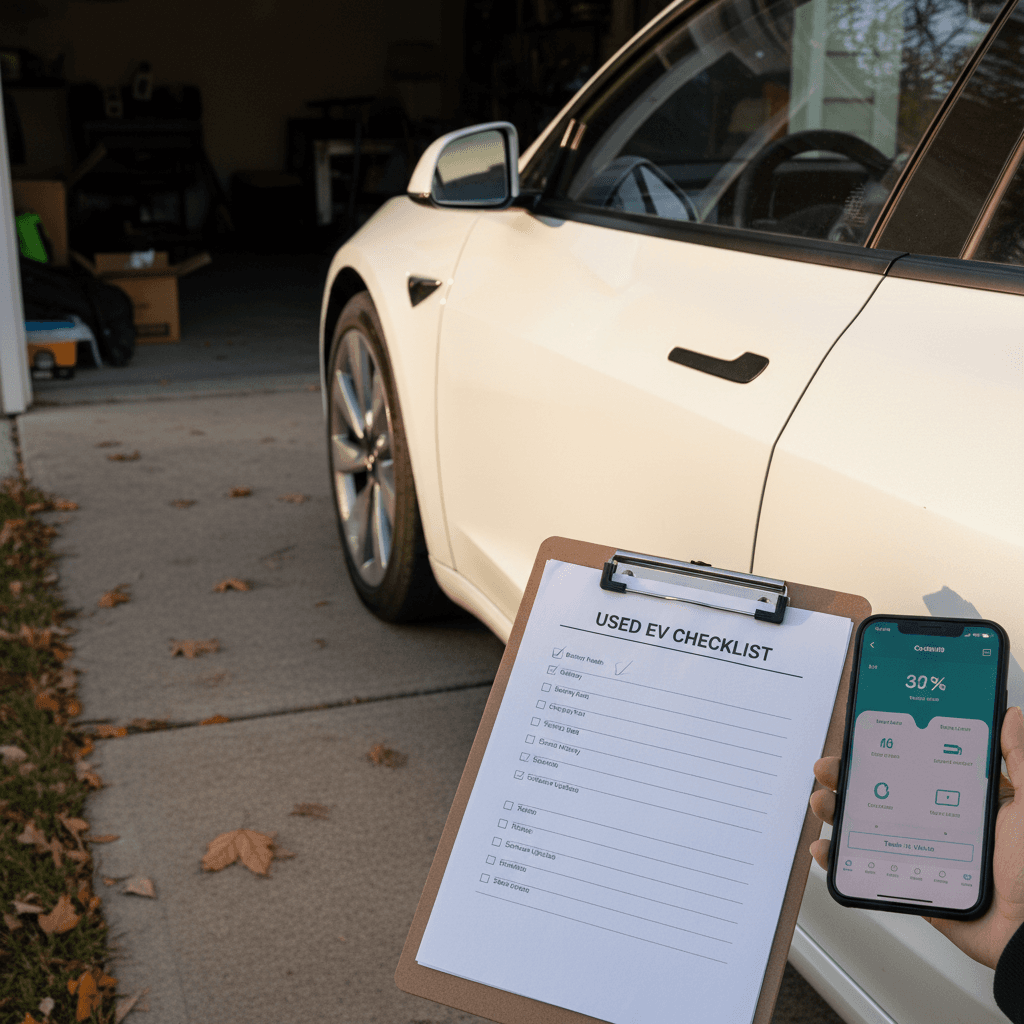
Step 1: Gather your Tesla paperwork and digital records
Before you touch the car, start with documents. Tesla buyers care about proof of ownership, clean history, and how the car has been used and maintained. A tidy folder, digital or physical, signals that you’ve been a careful owner.
- Vehicle title (or lien payoff letter if you still owe money)
- Current registration and inspection (if required in your state)
- Original purchase invoice or window sticker (helpful, not mandatory)
- Service history: Tesla service visits and any independent repairs
- Tire and brake invoices, especially if recently replaced
- Supercharging history screenshot or summary (light, moderate, or heavy use)
- Any warranty paperwork or extended service contracts
- Two physical key cards and any key fobs you have
Create a simple shareable folder
Step 2: Verify battery health and warranty coverage
Battery health is the cornerstone of used‑EV value. With a Tesla Model 3, most buyers will judge this based on real‑world range and, ideally, a proper state‑of‑health report. The more clearly you can explain your pack’s condition, the more confident a buyer will feel about paying your asking price.
Battery & warranty checklist
Give buyers clear, concrete answers about the pack
1. Document real‑world range
Charge to a known level (for example, 90%) and photograph the displayed estimated range. Note your typical daily range at that charge level so buyers can compare it to EPA numbers.
2. Get a battery health report
A professional diagnostic that estimates state of health (SOH) is ideal. Every vehicle sold on Recharged comes with a Recharged Score battery report, which many buyers now expect as standard for used Teslas.
3. Confirm warranty remaining
Check Tesla’s warranty terms for your build year. Many Model 3 packs carry 8‑year / 100,000–120,000‑mile battery coverage, so highlight any remaining time and mileage in your listing.
Explain your charging habits
Step 3: Inspect condition and fix the easy stuff
Cosmetic condition doesn’t change the way a Model 3 drives, but it absolutely changes how quickly it sells and how much buyers will negotiate. You don’t need to make the car perfect, just eliminate the distractions that give shoppers an excuse to lowball you.
Model 3 condition prep checklist
Exterior wash, clay, and basic detail
Give the car a thorough wash, clean the wheels, dress the tires, and consider a basic paint correction if it’s heavily swirled. Touch‑up obvious rock chips on the nose and hood.
Deep‑clean the minimalist interior
Vacuum carefully, wipe all touchpoints, clean the center screen, and remove clutter from the console and door pockets. The Model 3’s stark interior shows dust and smudges easily, clean it until it looks like a product photo.
Fix inexpensive wear items
Replace missing aero wheel covers, worn wiper blades, and inexpensive trim pieces. If tires are badly worn or mismatched, either replace them or price the car accordingly and be transparent in your listing.
Resolve obvious warning lights
Address any persistent alerts before you list the car. Buyers see a warning triangle or Autopilot error as a negotiating sledgehammer, and in some cases a reason to walk away entirely.
Organize accessories
Gather all included accessories: mobile connector, J1772 adapter, cargo cover (on Ys), floor mats, and any aftermarket extras. Decide what’s included and list it clearly as added value.
Final test drive and noise check
Take a short drive on mixed roads, listening for new noises, rattles, or alignment issues. If something feels off, consider a pre‑sale inspection so you can explain it, or fix it, upfront.
When not to over‑invest
Step 4: Set a smart price for your Model 3
In 2025–2026, used Tesla prices have cooled from their pandemic highs, but the Model 3 still commands solid money when it’s clean and documented. The key is to price based on today’s market, not what you paid, and to adjust for battery health, options, and condition.
Pricing factors for a used Tesla Model 3
Use this as a framework to adjust whatever baseline value tools show you.
| Factor | Example impact | How to use it |
|---|---|---|
| Battery health report | +5–10% for excellent SOH | Strong, documented battery health justifies asking at the top of the market. |
| Remaining battery warranty | +3–5% | If many years/miles remain, highlight it and lean toward the higher end of comps. |
| Full Self‑Driving (FSD) status | Varies, often modest | Some buyers will pay more if FSD stays with the car; others don’t care. Treat it as a bonus, not the core value. |
| Cosmetic condition | +/- 5–10% | Excellent paint, wheels, and interior condition can bump your price; curb rash or dents will push offers down. |
| Tires and brakes | +2–4% if new | Fresh tires or recent brake service are worth calling out and may reduce buyer negotiation on price. |
| Accident history | -5–20% | Even well‑repaired accidents can weigh on value, especially if airbags deployed or structural parts were replaced. |
Start with recent listings for the same year, trim, and mileage, then adjust up or down using these levers.
Leave room but stay realistic
Step 5: Create a winning listing and photos
Most Model 3 shoppers see dozens of listings. Your photos and first two sentences decide whether they click in, or scroll past. Think like a retailer, not just a private seller.
Must‑have elements of a strong listing
Make your Model 3 stand out at a glance
Clean, consistent photos
Shoot in soft light (early morning or late afternoon). Capture front‑3/4, rear‑3/4, both sides, interior front and rear, trunk/frunk, wheels, and the center screen showing range and software version.
Clear opening sentence
Lead with year, trim, mileage, and headline features: “2020 Tesla Model 3 Long Range AWD, 54k miles, clean history, battery health report, new tires.” Buyers should understand the value in a single line.
Transparent description
Include ownership history, charging habits, any accidents, service highlights, remaining warranty, and exactly which software options are active. List imperfections honestly so serious buyers feel safe investing their time.
Don’t oversell FSD
Step 6: Manage inquiries, test drives, and payment safely
Once your listing is live, the work shifts from preparation to risk management. You’re vetting buyers just as much as they’re vetting your Tesla. Have a simple, repeatable process for how you respond, show the car, and take payment.
Screening buyers
- Reply first with key info buyers often ask about: last software update, charging habits, any accidents, and why you’re selling.
- Before scheduling a test drive, confirm that they have a valid driver’s license and proof of insurance.
- Be wary of anyone pushing to buy sight‑unseen, rushing you, or asking to ship overseas, these are common scam patterns.
Safe test‑drive practices
- Meet in a public, well‑lit location with cameras (shopping center, bank lot, police station lot).
- Go along on the test drive; don’t hand the car over unattended. Start with you driving, then switch if you’re comfortable.
- Use Valet Mode or limit top speed if you’re concerned about aggressive driving during the test.
Payment safety checklist
Choose secure payment methods
Bank‑to‑bank wire, cashier’s check verified at the issuing bank, or an in‑branch transaction are safest. Avoid peer‑to‑peer payment apps for high‑value sales unless your bank explicitly treats them as guaranteed funds.
Verify funds before handing over keys
Do not release the car or sign the title until you see cleared funds in your account or a bank officer confirms the cashier’s check is valid and has been deposited.
Handle loans and liens properly
If you still owe on the car, coordinate a three‑way conversation between you, the buyer, and your lender so everyone understands timing for payoff, title release, and delivery.
Step 7: Transfer ownership in the Tesla app and with the DMV
Traditional car sales end with title and registration paperwork. With a Tesla, you also need to cleanly hand over software ownership so the new driver can access the app, Supercharging, and any paid features, and so your payment methods are no longer on file.
Tesla ownership transfer checklist
Do these steps together with the buyer if possible
1. Factory reset (once deal is final)
On the center screen, go to Controls > Service > Factory Reset. This clears your personal data, Bluetooth keys, and navigation history. Only reset after you’re sure the sale is going through; you’ll lose your profiles.
2. Transfer in the Tesla app
Open the Tesla app, go to My Products > Remove or Transfer Ownership, and follow the prompts. If the buyer already has a Tesla account, they can accept the transfer immediately. Both of you should receive email confirmation when it’s done.
3. Complete DMV paperwork
Fill out the title, bill of sale, and any state‑specific transfer forms. Many states require you to submit a release‑of‑liability notice after the sale so you’re not responsible for tickets or incidents after handoff.
Don’t forget subscriptions and payment methods
Printable Tesla Model 3 selling checklist
If you prefer a single punch‑list you can keep on your phone or print, here’s a condensed Tesla Model 3 selling checklist from this guide:
- Gather title, registration, service history, tire/brake invoices, and both key cards.
- Document battery health: screenshot range at a known charge level and, ideally, get a professional SOH report.
- Confirm remaining battery and drive‑unit warranty for your build year and mileage.
- Detail the car: deep‑clean interior, wash and decontaminate paint, fix small cosmetic issues, and resolve major warning lights.
- Research current market prices for your year/trim/mileage and adjust for battery health, condition, and options.
- Photograph the car in good light: full exterior angles, interior, screens, wheels, VIN plate, and charging port.
- Write a transparent listing that explains charging habits, ownership history, accidents (if any), and what’s included.
- Screen buyers, meet in safe locations, and accompany all test drives. Verify identity and insurance.
- Use secure payment methods; verify funds have cleared before signing the title or releasing the car.
- Once the sale is final, factory reset the car, transfer ownership in the Tesla app, and complete DMV paperwork and release of liability.
FAQ: Tesla Model 3 selling checklist
Common questions about selling a Tesla Model 3
When it makes sense to sell through Recharged instead
If all of this feels like a lot, that’s because selling any late‑model EV, especially a Tesla, is more like selling a connected device than an old‑school car. The upside is that a well‑prepared Model 3 can still command strong value, but only if buyers trust the battery, the software, and the person selling it.
When private sale makes sense
- You’re comfortable handling photos, listings, test drives, and payment on your own.
- You have time to wait for the right buyer and negotiate.
- Your Model 3 is in great condition with clear service history and you want to squeeze out every last dollar.
When to consider Recharged
- You’d rather have EV specialists handle buyer questions, battery diagnostics, and financing.
- You want a Recharged Score battery health report attached to your listing to help justify price.
- You prefer a trade‑in, instant offer, or consignment experience with nationwide reach rather than managing a local private sale yourself.
Next step
Ready to find your next EV?
Browse Vehicles