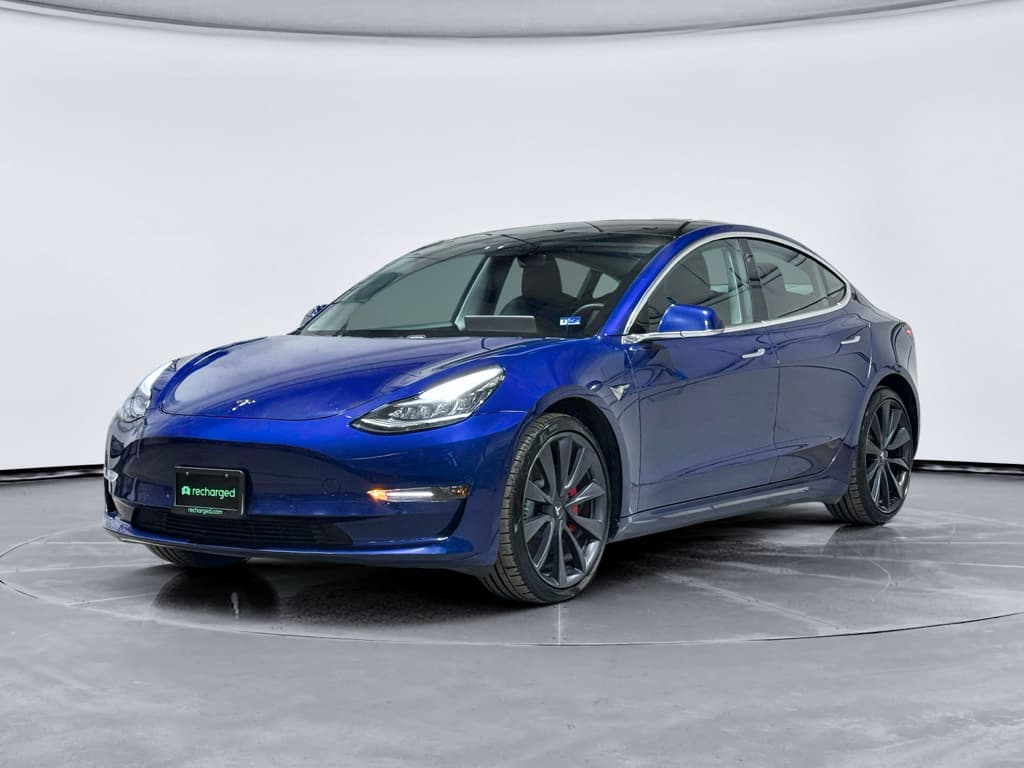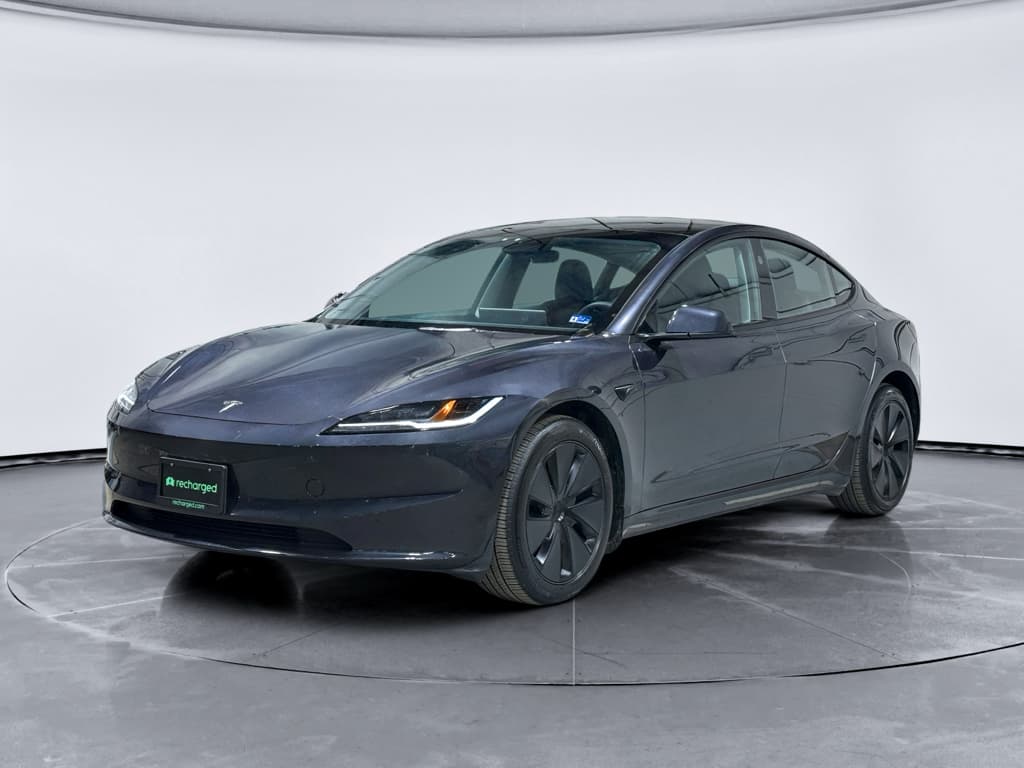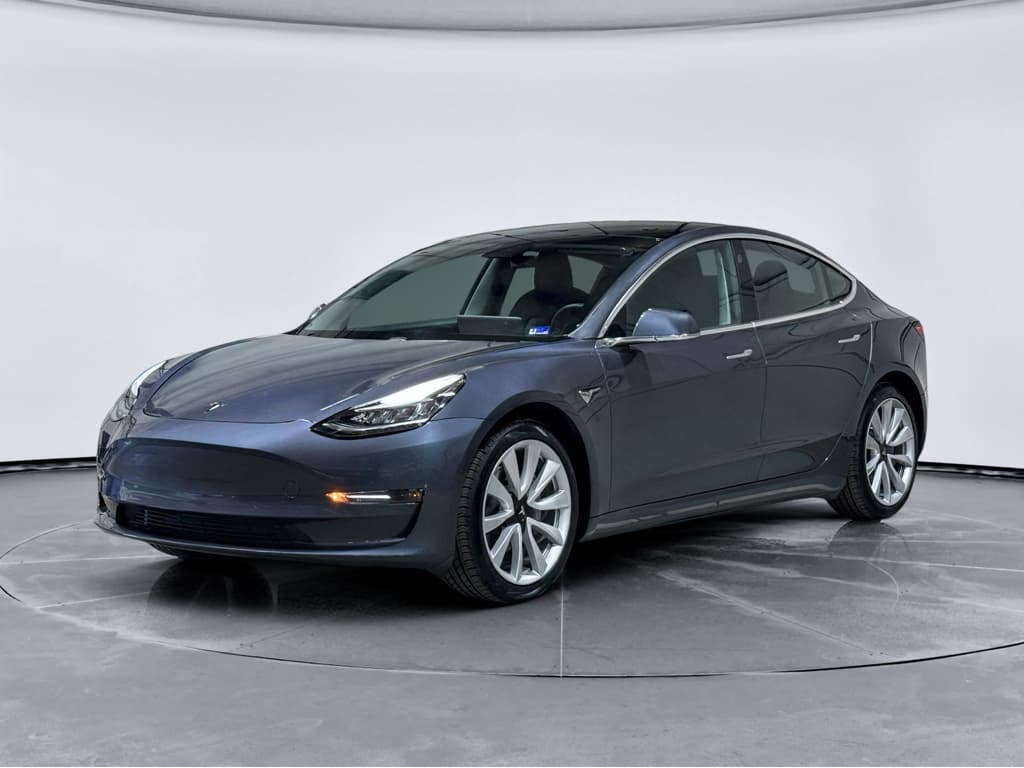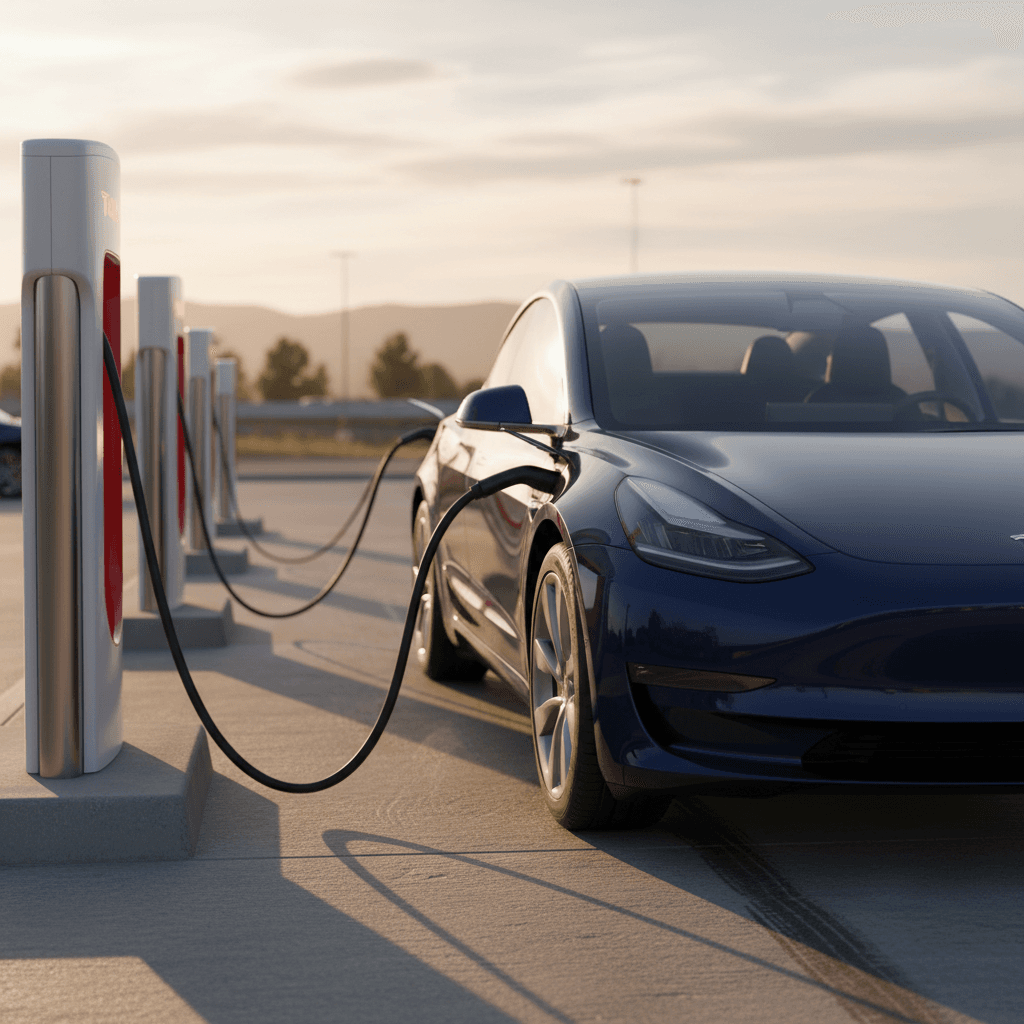
If you’re shopping for a Tesla Model 3, or already own one, charging speed is one of the first real-world questions you’ll have. This Tesla Model 3 charging speed guide breaks down how fast each version charges at home and on Superchargers, how long common charge sessions take, and what you can do to get faster charging without beating up the battery.
Quick snapshot: Model 3 charging speeds
Why Tesla Model 3 charging speed matters
On paper, the Tesla Model 3 is one of the quickest-charging EVs you can buy. In practice, your actual charging speed depends on where you plug in, how you drive, the weather, and the exact Model 3 you have. Understanding those moving parts matters for three reasons: planning road trips, deciding what home charging setup you really need, and evaluating a used Model 3’s battery health and value.
Three ways charging speed shapes your ownership experience
It’s not just about the biggest kW number on the screen
Road-trip flexibility
Fast DC charging means shorter stops and more flexibility choosing where you charge, not just whether you’ll make it to the next plug.
Home charging convenience
The right Level 2 setup can turn an empty battery into a full one overnight, no more thinking about public chargers for daily driving.
Total cost & resale
Charging speed affects how you use fast chargers (which are pricier) and how confident the next owner feels buying your used Model 3.
Model 3 battery and charging basics
Every Tesla Model 3 uses the same basic recipe: a lithium-ion battery pack (around 55 kWh in the Rear-Wheel Drive and 75 kWh in the Long Range and Performance trims) and an onboard AC charger that limits how fast you can charge at home. For DC fast charging, the car’s battery chemistry, temperature management, and software all determine how quickly it can safely accept energy.
Current Model 3 charging hardware at a glance
Approximate specs for U.S. Model 3 variants sold in the past few years. Exact numbers can vary slightly by model year and software version.
| Model 3 variant | Approx. battery size | Onboard AC charger (home) | Peak DC fast charge rate |
|---|---|---|---|
| Rear-Wheel Drive (RWD) | ~55 kWh | 7.7 kW (32A @ 240V) | Up to ~170 kW |
| Long Range (AWD) | ~75 kWh | 11.5 kW (48A @ 240V) | Up to ~250 kW |
| Performance (AWD) | ~75 kWh | 11.5 kW (48A @ 240V) | Up to ~250 kW |
Power figures are best-case peaks under ideal conditions, not guarantees every time you plug in.
Peak vs. average charging speed
Home charging speeds: Level 1 vs Level 2
Home is where most Tesla Model 3 charging happens, and it’s also where expectations tend to get out of sync with reality. A basic 120‑volt outlet technically works, but it’s painfully slow. A proper 240‑volt Level 2 setup is where the Model 3’s onboard charger can actually stretch its legs.
Typical Model 3 home charging speeds
Pick the right home charging setup for your Model 3
1. Understand your onboard charger limit
Rear-Wheel Drive Model 3s max out at about <strong>7.7 kW</strong> on AC, so there’s no benefit to installing a 60‑amp circuit just for speed. Long Range and Performance trims can use up to <strong>11.5 kW</strong>, which justifies a 60‑amp circuit if you want the fastest home charging.
2. Choose Level 1 only if you barely drive
A standard 120V outlet will add only a few miles of range per hour. That can work if you drive 20–30 miles a day and can stay plugged in for long stretches, but most Model 3 owners find this too slow as a primary solution.
3. Aim for a 40–60A Level 2 circuit
A 40A circuit (32A continuous) gives enough power to fully recharge most daily driving overnight, even on RWD cars. A 60A circuit (48A continuous) unlocks the full 11.5 kW capability of Long Range and Performance trims.
4. Use scheduled charging for off-peak rates
Most utilities offer cheaper overnight electricity. Use the Tesla app or in‑car settings to schedule charging during those hours so you get lower costs without sacrificing convenience.
Pro tip: Don’t obsess over 0–100% at home
DC fast charging and Supercharger speeds
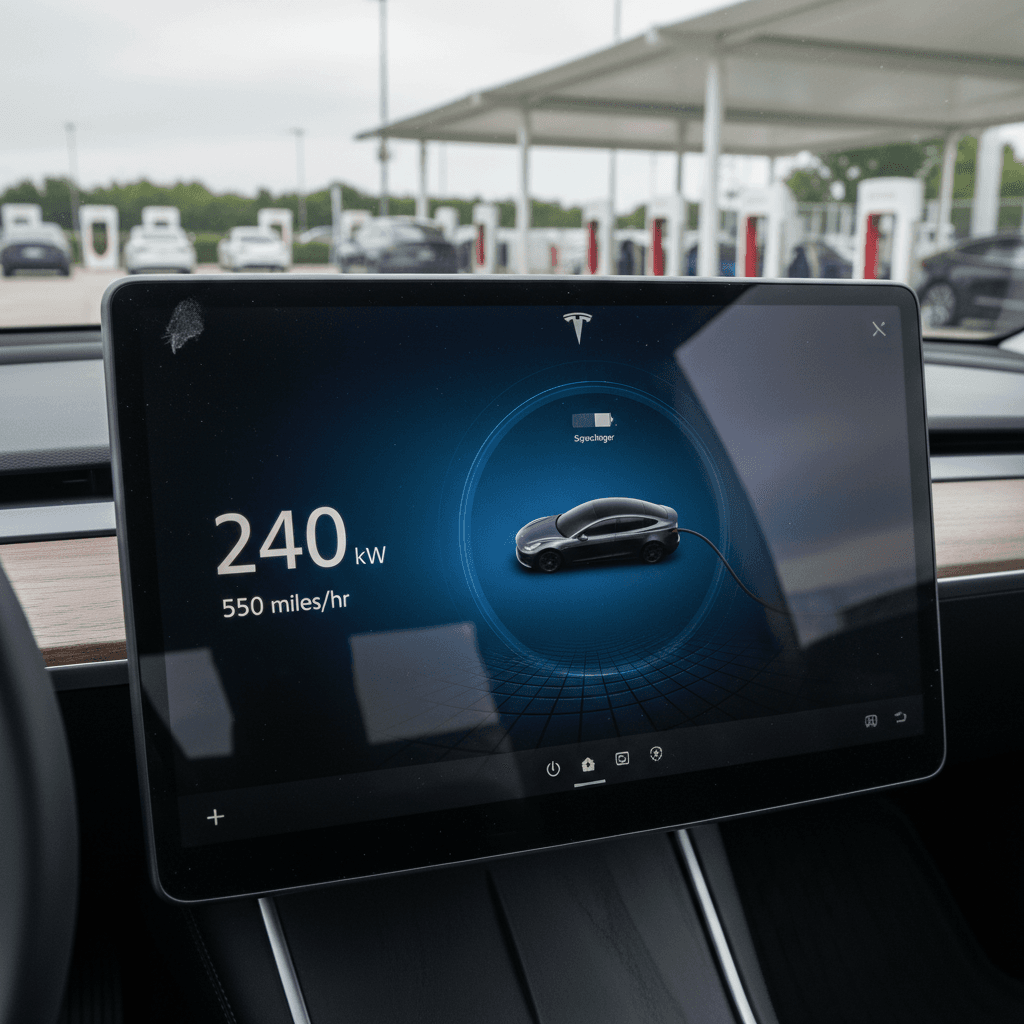
Tesla’s Supercharger network is a huge part of the Model 3 story. On a modern V3 or V4 Supercharger, a Long Range or Performance Model 3 can briefly touch around 250 kW, while the Rear-Wheel Drive variant typically peaks closer to 170 kW. The catch: you only see those numbers when the battery is warm and at a low state of charge.
V2 vs. V3 vs. V4 Superchargers
- V2: Older sites, usually up to 150 kW and power is shared between paired stalls (1A/1B, 2A/2B, etc.).
- V3: Up to 250 kW per stall with no sharing, ideal for newer Model 3s.
- V4: Newest hardware, capable of even higher peak power and longer cables, but your Model 3 will still be limited to its own ~250 kW ceiling.
Other DC fast chargers (CCS)
In North America, Tesla now sells a CCS1 adapter, and many new Model 3s use the NACS connector that networks are adopting. Real‑world speed on third‑party DC fast chargers is often similar to Tesla’s own sites, but reliability and power levels can vary more from station to station.
Battery temperature is a big deal
Real-world Model 3 charging time estimates
Specs are useful, but what most owners care about is, “How long will I be sitting at this charger?” Here are realistic ballpark numbers for a healthy, recent‑model Tesla Model 3 in good conditions. Think of these as planning tools, not promises, your exact times will vary with temperature, charger, and how busy the site is.
Approximate Tesla Model 3 charging times
Assumes a relatively new battery, moderate temperatures, and a modern charger. Older packs or extreme weather can add noticeable time.
| Scenario | Model 3 variant | Start → End | Charger type | Approx. time |
|---|---|---|---|---|
| Road trip top-up | Long Range / Performance | 10% → 80% | V3 Supercharger | ~20–30 minutes |
| Road trip top-up | Rear-Wheel Drive | 10% → 80% | V3 Supercharger | ~25–35 minutes |
| Long stop over lunch | Any variant | 10% → 90% | V3 Supercharger | ~30–45 minutes |
| Emergency big fill | Any variant | 10% → 100% | V3 Supercharger | ~45–70 minutes (last 10% is slow) |
| Overnight charge at home | Long Range / Performance | 20% → 80% | 11.5 kW Level 2 | ~4–6 hours |
| Overnight charge at home | Rear-Wheel Drive | 20% → 80% | 7.7 kW Level 2 | ~5–7 hours |
For road trips, focus on 10–80% DC fast-charge windows; at home, think in hours parked overnight.
Avoid treating 0–100% as your normal fast-charge routine
What actually affects your Model 3 charging speed
If you’ve ever pulled into a Supercharger and seen just 60–80 kW when you were expecting 200+, you’ve already discovered that charging speed is dynamic. Here are the major levers that determine how quickly your Tesla Model 3 charges on any given day.
- State of charge (SOC): Power is highest when the battery is low (often 5–30%) and tapers down as you approach 60–80% and again near 100%.
- Battery temperature: A cold pack, common after highway driving in winter or short trips in cool weather, can slash power until it warms up.
- Charger type and power: A 50 kW DC fast charger will never match a 250 kW Supercharger, regardless of what your car can do on paper.
- Shared power on older Superchargers: On V2 sites, paired stalls share power. If your “B” stall partner is charging hard, your car will get less.
- Grid limits and station behavior: Some third‑party DC chargers and even utility‑constrained sites can reduce output during peak times.
- Battery health and age: A high‑mileage or heavily fast‑charged pack may not sustain the same peaks and averages as a newer one.
Think in averages, not peaks
How to charge faster without hurting the battery
The Tesla Model 3 is already one of the quickest‑charging EVs in its class, but a few habits can shave minutes off every stop and help preserve long‑term battery health. The best part: most of these are free software‑level tricks or simple planning decisions.
Charging strategies for speed and battery health
1. Use navigation to precondition before fast charging
Always set the Supercharger as a destination in the Tesla nav. Your Model 3 will automatically heat or cool the battery so it can accept higher power right when you plug in.
2. Arrive with a low but not scary SOC
For road trips, try to arrive at DC fast chargers with <strong>5–20% SOC</strong>. That keeps you in the “fat” part of the charging curve where power is highest and time per mile added is lowest.
3. Don’t sit at high SOC on DC power
Once you reach 70–80% on a Supercharger, your charging speed will have dropped substantially. Unplug, drive, and use your next stop to add the rest instead of forcing a single 0–100% session.
4. Keep daily home charging between 50–80%
For everyday use, set your charge limit in the app to something like <strong>70–80%</strong>. That’s a sweet spot for battery longevity and still plenty of range for most commutes.
5. Use climate preconditioning on cold days
If you’re in a cold climate, use the Tesla app to preheat the cabin and battery while the car is still plugged in at home. You’ll start with a warmer pack, better efficiency, and faster early‑session charging if you stop at a DC fast charger.
6. Match your home charger to your usage
If you rarely arrive home below 30–40% and your driving is predictable, you may not need the absolute fastest 11.5 kW home setup. A slightly smaller circuit can still fill you up overnight while saving on installation costs.
Good news: Tesla makes the smart choice the easy choice
Used Model 3? What to know about charging speed
When you’re shopping the used market, a Tesla Model 3’s charging behavior can tell you nearly as much as its odometer. Two cars with similar mileage can feel very different at a Supercharger if one lived on DC fast charging and the other spent most of its life sipping electrons at home.
How charging speed factors into a used Model 3 purchase
Questions to ask and numbers to watch before you buy
Ask about charging habits
It’s fair to ask a seller how they typically charged the car: mostly home Level 2, or frequent DC fast charging? Heavy fast‑charge use doesn’t automatically mean a bad battery, but it’s useful context when you see how the car behaves on a test drive.
Watch real-world fast-charge speeds
If possible, take the car to a nearby Supercharger. A healthy Model 3 should still ramp relatively quickly at low SOC. Sluggish charging, especially when the battery is warm and SOC is low, can be a flag that deserves a closer look.
How Recharged helps you read between the lines
Because Recharged specializes in used EVs, including plenty of Tesla Model 3s, our team can also walk you through what “normal” charging looks like for the specific year and trim you’re considering, and how it compares with similar cars in our marketplace.
FAQ: Tesla Model 3 charging speeds
Common Tesla Model 3 charging speed questions
Bottom line: dialing in the right charging strategy
The Tesla Model 3 sets a high bar for charging speed, but the real ownership experience comes down to matching that capability with the right hardware and habits. At home, a well‑sized Level 2 setup turns charging into background noise, you simply wake up every morning with the range you need. On the road, understanding how state of charge, temperature, and charger type affect speed lets you plan efficient 10–80% stops instead of wasting time chasing a full battery.
If you’re comparing used Model 3s, pay attention not just to range estimates but to how quickly each car can actually take on energy. Recharged builds that into every transaction: our Recharged Score Report gives you transparent battery health data, fair market pricing, and expert EV guidance so you can pick the car, and the charging setup, that fits your life instead of guessing from a spec sheet.