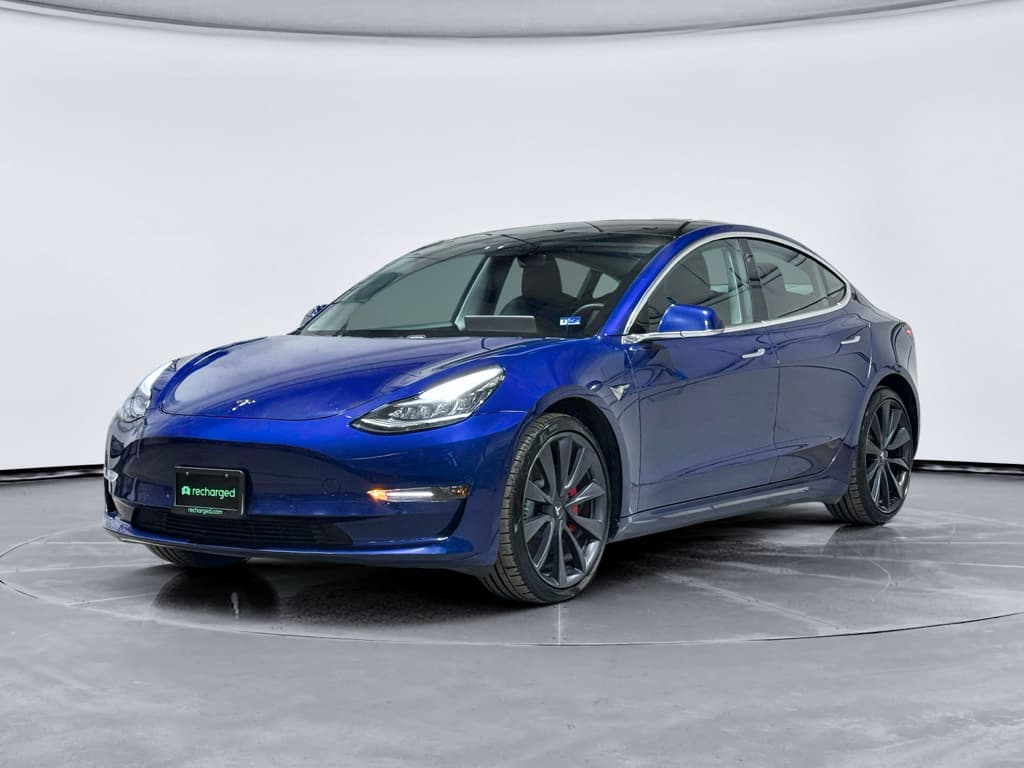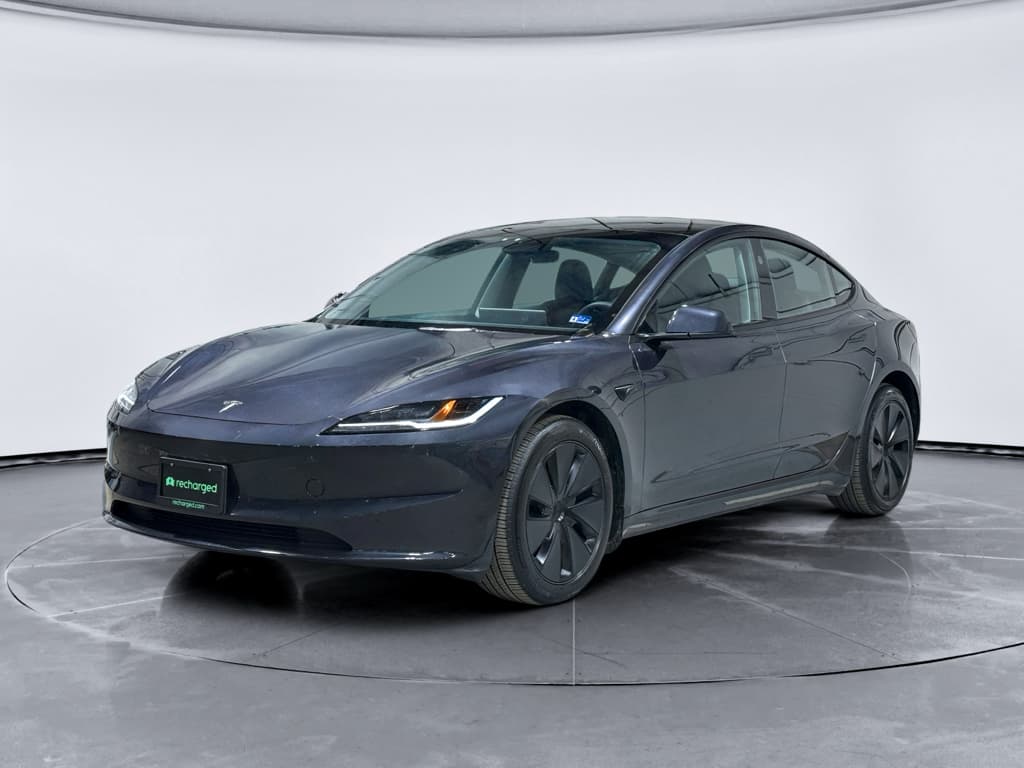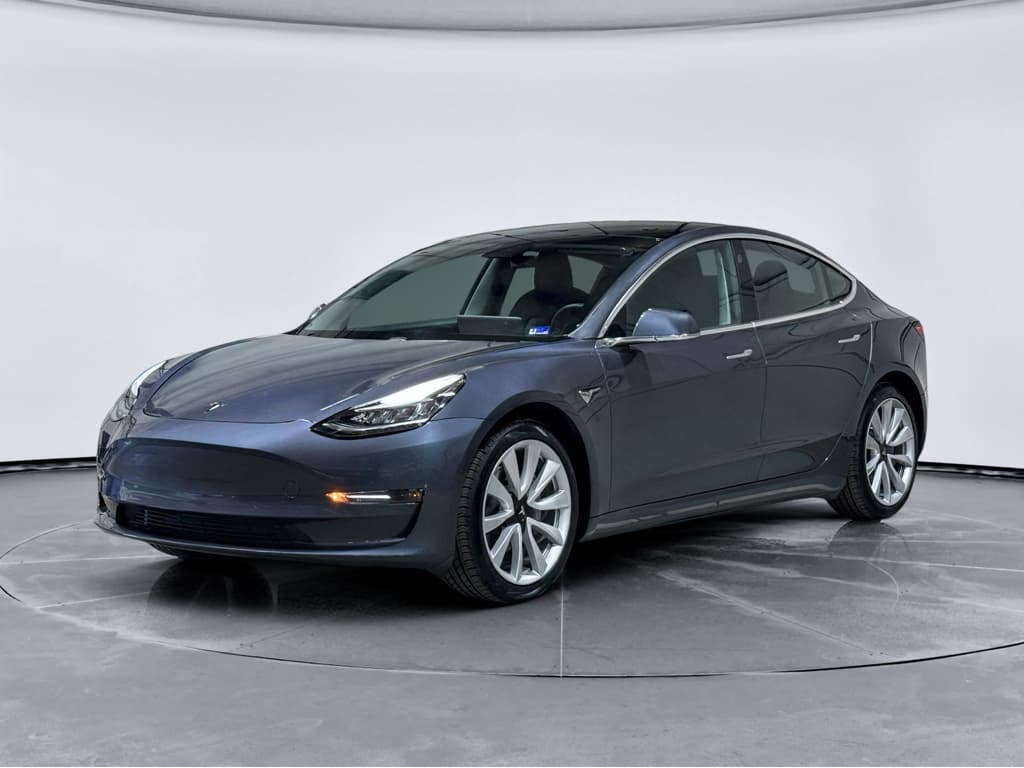
If you’re looking at a Tesla Model 3, new or used, the single most important line item on the spec sheet isn’t 0–60 or Autopilot, it’s the battery warranty. The pack under the floor is the most expensive component in the car, and understanding Tesla Model 3 battery warranty details is the difference between confident ownership and a very expensive surprise.
Quick definition
Why the Tesla Model 3 battery warranty matters
EV batteries are engineered to last hundreds of thousands of miles, but they’re not cheap. A full out‑of‑pocket replacement on a Model 3 battery can easily run into five figures, depending on pack size and labor. That’s why Tesla’s promise, 8 years plus a set mileage cap, with at least 70% battery capacity retained during that period, is such a big deal, especially if you’re buying used.
- The battery warranty usually outlives the basic 4‑year/50,000‑mile vehicle warranty.
- It follows the car, not the first owner, critical for used buyers.
- Coverage varies by trim (Rear‑Wheel Drive vs Long Range vs Performance).
- Tesla now offers an optional Battery ESA (extended service agreement) on some Model 3s and Model Ys, which changes the risk calculus after year 8.
Used‑buyer angle
Tesla Model 3 battery warranty at a glance
Model 3 battery warranty in one view
Model 3 battery warranty by trim and year
All Model 3s sold in the U.S. share the same basic structure: 8 years of coverage with a mileage cap tied to battery size and drivetrain. Where shoppers get tripped up is how that breaks down by trim and how to apply it to the used market in 2026.
Tesla Model 3 Battery & Drive Unit Warranty (U.S. spec)
These are factory warranty limits for new Model 3s. “In‑service date” is the original delivery date of the car when new.
| Model 3 trim | Typical years sold* | Battery & Drive Unit warranty | Capacity guarantee |
|---|---|---|---|
| Rear‑Wheel Drive / Standard Range / Standard Range Plus | 2017–present (names vary) | 8 years or 100,000 miles (whichever comes first) | Minimum 70% battery capacity |
| Long Range (AWD or RWD) | 2017–present (various configs) | 8 years or 120,000 miles | Minimum 70% battery capacity |
| Performance | 2018–present | 8 years or 120,000 miles | Minimum 70% battery capacity |
Always verify your specific car’s coverage in the Tesla app or on your Tesla account, they are the final authority.
Name changes vs. warranty
- Any RWD / Standard Range / SR+ Model 3 → 8 years / 100,000 miles.
- Any Long Range or Performance Model 3 → 8 years / 120,000 miles.
The 70% battery capacity guarantee explained
Buried inside all the legal language is the part most owners care about: Tesla guarantees that your Model 3’s battery will retain at least 70% of its original usable capacity during the warranty period. In plain English, that means Tesla is on the hook if your car’s range falls well below what’s considered normal degradation before the 8‑year/100k–120k‑mile limit.
- If usable capacity drops below ~70% while under the battery warranty, Tesla may repair or replace the pack (often at the module level).
- Normal, gradual degradation above 70% is not a warranty issue, even if you don’t like the range loss.
- Tesla relies on its own diagnostics and test procedures, not just what your dash says in miles at 100% charge.
Typical real‑world degradation
What the Model 3 battery warranty actually covers
Despite the name, the Battery and Drive Unit Limited Warranty isn’t just about range numbers, it’s there to protect you from defects, premature failures, and abnormal capacity loss in the high‑voltage battery and the drive units.
Core protections in the Model 3 battery warranty
Think of it as insurance against defects and out‑of‑pattern failures, not a promise of like‑new range forever.
Battery pack failures
Covers defects in the high‑voltage battery pack and its internal modules that cause the car to lose drive power or fail to charge as designed.
Drive unit failures
Includes the electric motor(s), inverter, and related components that actually move the car. These are part of the same 8‑year warranty.
Excessive capacity loss
If Tesla’s diagnostics confirm usable capacity has fallen below about 70% within the warranty window, they may repair or replace the pack.
Typical “yes, this is covered” scenarios
- Battery suddenly stops accepting charge or charging stalls at very low percentages.
- Car repeatedly shuts down or limits power due to pack‑related faults.
- Verified capacity drops below 70% long before 8 years / 100k–120k miles.
- Drive unit failure that wasn’t caused by collision or obvious abuse.
What Tesla usually does in a valid claim
- Run remote diagnostics, then physical tests at a Service Center.
- Repair at the module or component level when possible.
- Replace the entire pack if needed with a new or remanufactured unit.
- Cover parts and labor as long as the vehicle is within time/mileage limits.
Good news for high‑mileage drivers
What isn’t covered: common surprises for owners
Where people get burned is assuming the battery warranty is a blanket guarantee against any drop in range or any battery‑adjacent problem. It isn’t. Tesla is explicit about several exclusions and ways you can void portions of coverage.
Model 3 battery warranty limitations
These are the things most likely to catch owners off‑guard.
Normal degradation
A gradual loss of range over time that still leaves you above 70% capacity is considered normal wear and tear and isn’t covered.
Unauthorized repairs or mods
DIY pack work, non‑Tesla HV repairs, or aftermarket performance mods that touch the battery system can void coverage for related components.
Water & environmental damage
Flooding, submersion, or damage from extreme environmental exposure typically falls outside warranty coverage, unless tied to a clear manufacturing defect.
External fire or impact
Battery fires or damage caused by a collision, structure fire, or other external events are insurance matters, not battery warranty cases.
Warranty‑voiding mistakes to avoid
Battery warranty for used Tesla Model 3 buyers
From a used‑EV perspective, the best thing about Tesla’s battery warranty is that it’s transferable. The coverage stays with the car as long as the ownership transfer is completed properly in Tesla’s system. That makes the Model 3 one of the safest bets in the used EV market, if you buy the right car at the right point in its warranty life.
Scenario 1: 2019 Model 3 Long Range, 60,000 miles
In‑service date: June 2019. Battery warranty: 8 years / 120,000 miles.
- Time remaining in 2026: about 1–3 years, depending on sale date.
- Mileage remaining: ~60,000 miles of battery coverage.
- High‑voltage risk is still relatively low, especially if a battery‑health report looks good.
Scenario 2: 2018 Model 3 RWD, 95,000 miles
In‑service date: March 2018. Battery warranty: 8 years / 100,000 miles.
- Time remaining: close to the 8‑year mark, depending on current date.
- Mileage remaining: only ~5,000 miles.
- You’re buying right at the edge of coverage; price and independent battery data matter a lot.
How Recharged helps here
How to check remaining battery warranty on a Model 3
Because the battery warranty clock starts at the original in‑service date, you can’t rely on model year alone. You need two pieces of information: when the car was first delivered and how many miles it has today.
Step‑by‑step: Confirming Model 3 battery warranty coverage
1. Get the VIN and current odometer reading
Ask the seller for a photo of the digital odometer and the full 17‑character VIN. Both are also visible on the center screen and the lower corner of the windshield.
2. Ask for the original delivery date
A meticulous owner will have the delivery paperwork, but you can also find this date in the Tesla app or account associated with the vehicle.
3. Compare to Tesla’s warranty table
Match the trim (RWD vs Long Range vs Performance) to the corresponding 8‑year / 100k or 120k‑mile limit. Remember: whichever comes first, years or miles, wins.
4. Have the current owner show warranty status in the app
In the Tesla app, they can navigate to ‘Service’ → ‘Vehicle Details’ to confirm basic and battery warranty periods. Ask for screenshots for your records.
5. Use third‑party battery health data
A proper diagnostic readout can estimate current usable capacity and degradation. This is exactly what’s summarized in the Recharged Score when you shop through Recharged.
6. Confirm after you take delivery
Once the car is in your Tesla account, double‑check all warranty dates yourself so there are no surprises later.

Battery extended warranty options for Model 3
Historically, when the 8‑year battery warranty ended, you were fully exposed to pack and drive‑unit risk. That’s starting to change. Tesla has begun rolling out an optional High Voltage Battery and Drive Unit Extended Service Agreement (Battery ESA) for certain Model 3 and Model Y vehicles, and there are also third‑party offerings.
Your main options once the factory battery warranty expires
Exact eligibility and pricing vary, so always check current terms before you buy.
Tesla Battery ESA
For eligible Model 3 and Model Y vehicles that are still within the original battery warranty window. Adds additional years/miles of failure coverage, but usually doesn’t extend the 70% capacity guarantee.
Third‑party warranties
Independent providers sometimes offer EV coverage that includes battery and drive unit. Read the fine print carefully, many exclude high‑voltage components or cap payout well below pack replacement cost.
Self‑insuring
Instead of buying an extended warranty, some owners set aside a maintenance reserve. With Model 3 battery failure rates still low, this can be a rational choice if you buy the car cheaply enough.
Don’t assume “extended” means full coverage
Protecting your warranty, and your battery
The Model 3’s battery packs have proven robust so far, but warranty terms assume you’ll treat the pack reasonably. Good habits both preserve range and reduce your risk of falling into one of Tesla’s gray areas when it comes time to make a claim.
Best practices to keep your Model 3’s battery healthy
Avoid living at 100% charge
Charging to 100% occasionally for a trip is fine, but for daily use, Tesla recommends keeping your charge limit lower (often in the 70–90% range depending on software guidance).
Don’t regularly deep‑discharge to 0%
Running the battery down to very low states of charge accelerates wear and can contribute to failure. Try to stay above 10% for everyday driving when possible.
Use DC fast charging thoughtfully
Supercharging is safe, but exclusively fast‑charging on road trips vs every single day makes a difference over many years. Home Level 2 charging is gentler on the pack.
Keep software and firmware up to date
Tesla routinely refines charging profiles and thermal management. Skipping updates can leave you without fixes that improve longevity or safety.
Address warnings and faults promptly
If you see battery‑related alerts or range suddenly drops, book service. Ignoring obvious faults can weaken your position in a future warranty discussion.
Avoid unauthorized high‑voltage work
Stick to Tesla or qualified EV specialists for anything touching the pack, drive unit, or HV wiring. Questionable work is an easy excuse to deny coverage.
Shopping strategy with Recharged
FAQ: Tesla Model 3 battery warranty details
Frequently asked questions about Model 3 battery coverage
Key takeaways for shopping used Model 3s
The Tesla Model 3’s battery warranty is one of the strongest reasons the car has aged so well in the used market. An 8‑year, 100k–120k‑mile warranty with a 70% capacity floor puts real guardrails around your downside risk, but only if you understand how those numbers interact with a specific car’s history.
- Always anchor your evaluation to the car’s in‑service date, mileage, and trim.
- Treat the 70% capacity rule as a backstop, not a promise of like‑new range.
- Assume extended warranties mostly cover failures, not gradual degradation.
- Pair remaining warranty data with objective battery‑health diagnostics so you’re not just guessing based on a range estimate.
If you’d rather not do that detective work alone, Recharged was built for this moment in the EV market. Every used Model 3 on our platform comes with a Recharged Score Report that rolls battery health, warranty status, and fair pricing into one transparent view, so you can focus on finding the right car instead of worrying what’s hiding in the pack.