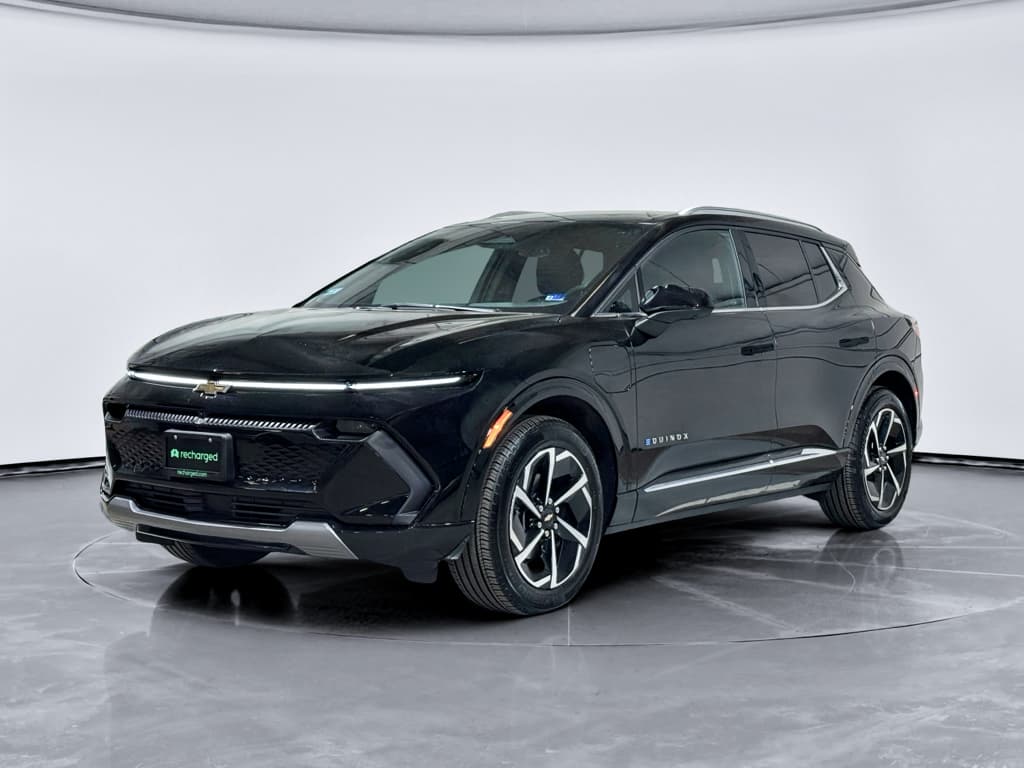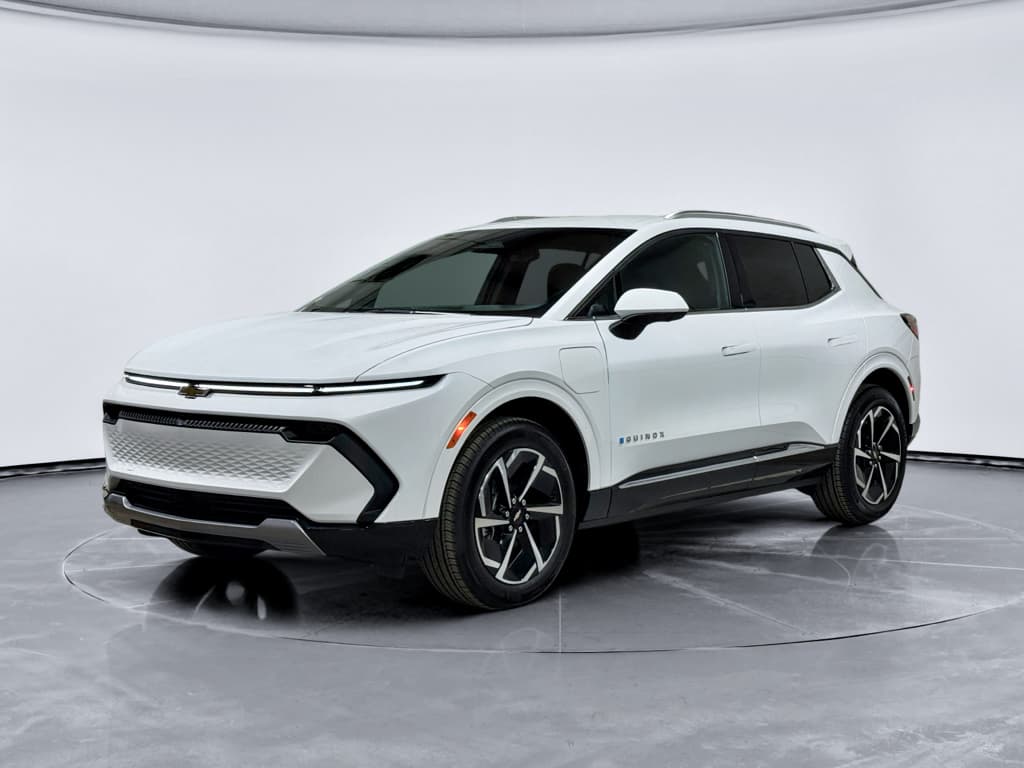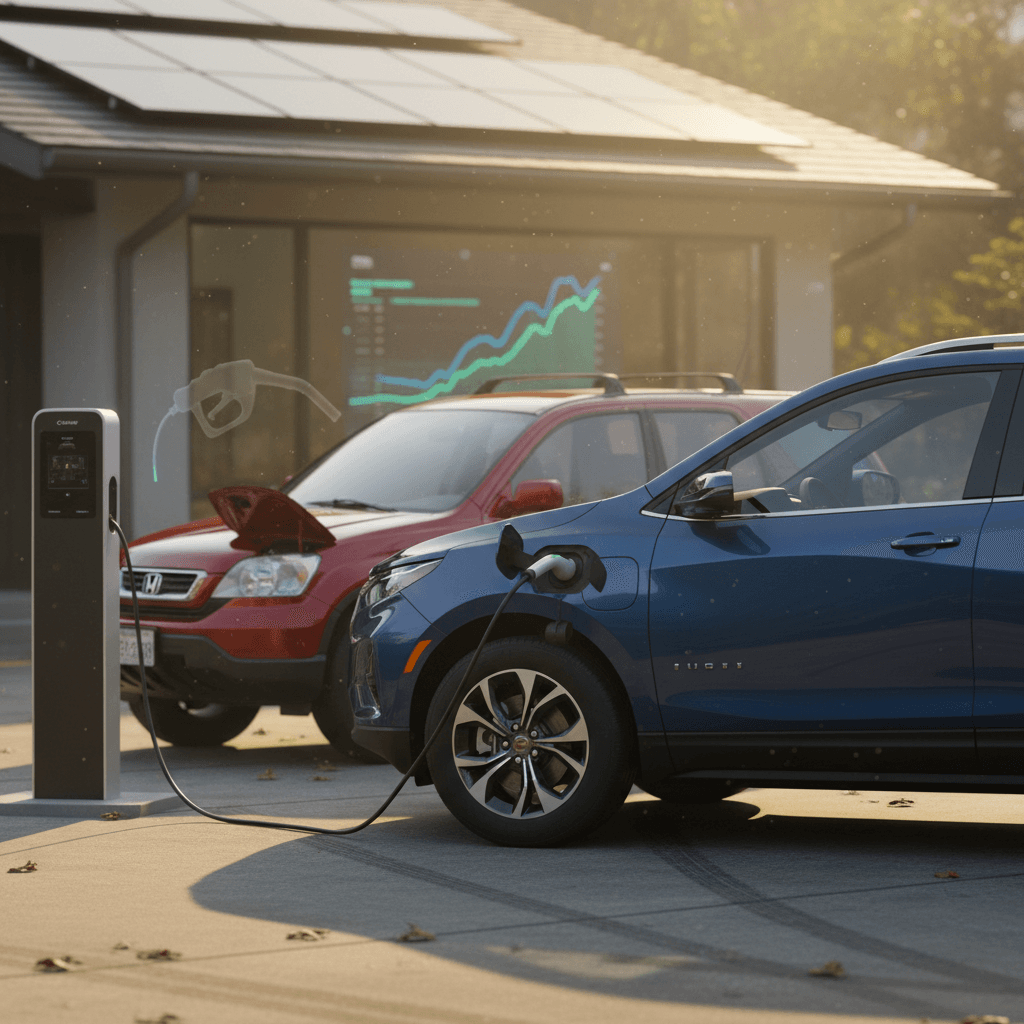
If you’ve driven a Honda CR‑V for years, you know why it’s one of the most popular small SUVs on U.S. roads. But with gas prices swinging and EVs maturing, many CR‑V owners are asking a specific question: what are the real cost savings of switching from a Honda CR‑V to a Chevrolet Equinox EV? This guide walks through the numbers in plain English, fuel, maintenance, incentives, and resale, so you can see how the switch pencils out over 3–8 years.
Assumptions in This Guide
Why CR‑V Owners Are Looking at the Equinox EV
From Reliable Gas SUV to Low‑Cost EV
What’s pushing CR‑V drivers toward the Chevrolet Equinox EV
Same Practical Footprint
Lower Running Costs
Emissions and Future‑Proofing
In other words, Equinox EV is one of the first mainstream electric crossovers from a major U.S. brand that feels like a natural step for long‑time CR‑V owners: similar size and mission, but very different cost curve once you factor in fuel and maintenance.
Baseline Comparison: Honda CR‑V vs Chevrolet Equinox EV
Honda CR‑V vs Chevrolet Equinox EV: Key Numbers
Approximate specs for a recent gasoline CR‑V and an upcoming Equinox EV trim with competitive range.
| Metric | Honda CR‑V (gas) | Chevrolet Equinox EV |
|---|---|---|
| Powertrain | 2.0–1.5L gas engine | Battery‑electric |
| Real‑world fuel economy / efficiency | ~30 mpg combined | ~3.0 mi/kWh (typical compact SUV EV) |
| Annual driving (assumption) | 12,000 miles | 12,000 miles |
| Fuel type | Regular gasoline | Electricity |
| Typical fuel/energy cost | $3.50 per gallon | $0.15 per kWh home charging |
| Oil changes | Yes, 2–3 per year | None |
| Exhaust, belts, spark plugs | Yes | None |
Exact figures vary by model year and trim; these are representative figures for cost discussion.
New vs Used Pricing Caveat
Fuel vs Electricity: What You’ll Really Pay to Drive
Annual Energy Cost: CR‑V vs Equinox EV (Typical U.S. Driver)
On fuel alone, switching from a gasoline Honda CR‑V to a Chevrolet Equinox EV can cut your **per‑mile energy cost by roughly two‑thirds** if you do most of your charging at home. Even if your electricity rate is higher, say $0.20 per kWh, your annual EV energy bill is still far below what you spend at the pump.
Quick CR‑V Fuel Math
- 12,000 miles ÷ 30 mpg ≈ 400 gallons/year
- 400 gallons × $3.50 ≈ $1,400 per year
- Higher gas prices or lower mpg push this higher quickly.
Quick Equinox EV Energy Math
- 12,000 miles ÷ 3.0 mi/kWh ≈ 4,000 kWh/year
- 4,000 kWh × $0.15 ≈ $600 per year
- Many owners pay less with off‑peak EV rates or solar.
Leaning Into Off‑Peak Rates
Maintenance Savings When You Drop the Engine
The other big cost lever when moving from a CR‑V to an Equinox EV is maintenance. Put simply, **there’s far less to service on an EV**. No engine oil, no transmission fluid, no exhaust, and far fewer moving parts overall. You still have tires, cabin filters, wiper blades and brake fluid, but the list of recurring items shrinks dramatically.
What You Stop Paying For When You Switch to an EV
Oil and filter changes
Traditional CR‑V owners can see 2–3 oil changes per year. Over 5 years, that’s hundreds of dollars you simply don’t spend with an Equinox EV.
Spark plugs and ignition components
As mileage builds, plug, coil and ignition service can add up. An EV’s electric motor and power electronics don’t need that kind of tune‑up.
Timing belts and accessory belts
Engine‑driven components rely on belts that eventually wear out. Electric crossovers have far fewer belt‑driven accessories to maintain.
Exhaust and emissions components
Mufflers, catalytic converters, O2 sensors, and emissions hardware are common gas‑SUV repair line items that simply don’t exist on an EV.
Transmission service
The CR‑V’s multi‑gear transmission needs fluid and occasional service. EVs use a much simpler single‑speed reduction gear that typically needs far less attention.
Engine‑related diagnostics
Check‑engine lights and drivability issues are a fact of life with internal combustion. EVs have their own quirks, but far fewer engine‑related trips to the shop.
Where EVs Still Need Attention
Tax Credits and Incentives for Equinox EV Buyers
Where things get especially interesting for CR‑V owners is on the purchase side. A new Equinox EV may qualify for a **federal clean vehicle tax credit** if it meets final‑assembly and battery‑content rules, and your tax situation supports it. Some states layer additional rebates or sales‑tax breaks on top.
- Federal clean vehicle tax credit up to $7,500 on qualifying new EVs, subject to income and vehicle rules.
- Certain used EVs may qualify for a separate federal used clean vehicle credit (typically up to $4,000, with price and income caps).
- State‑level incentives can include rebates, tax exemptions, HOV lane access and discounted registration fees.
- Utility companies sometimes offer bill credits or special EV‑only rates for home charging.
Always Confirm Incentive Eligibility
3–8 Year Total Cost of Ownership: CR‑V vs Equinox EV
To answer the big question, how much do you actually save by switching from a Honda CR‑V to a Chevrolet Equinox EV, you need to look beyond the sticker price and think in multi‑year terms. Below is a simplified, directional view based on U.S. averages and typical usage. The goal isn’t to deliver penny‑perfect accounting, but to show how the curves diverge over time.
Illustrative 5‑Year Cost Snapshot: CR‑V vs Equinox EV
Approximate ownership costs for a CR‑V you already own vs financing a newer Equinox EV, excluding insurance and parking.
| Category (5 years) | Honda CR‑V (Existing Vehicle) | Chevrolet Equinox EV (New/Lightly Used) |
|---|---|---|
| Fuel / Energy | ≈ $7,000 | ≈ $2,250–$3,000 |
| Maintenance & Repairs | ≈ $4,000–$5,000 | ≈ $2,000–$3,000 |
| Taxes & Fees (incremental) | Low – you already own it | Higher in year 1, then normal renewals |
| Financing Cost | $0 if paid off; modest if not | Monthly payment on EV minus CR‑V trade‑in value |
| Net Federal/State Incentives | None (gas vehicle) | Potentially -$3,000 to -$7,500 upfront or at tax time |
| Estimated Net 5‑Year Difference | Baseline | Often **several thousand dollars lower** overall cost once incentives and operating savings are included |
Assumes 12,000 miles per year, mostly home charging, and moderate maintenance usage. Your specific numbers will vary.
When the Switch Pays Off Fast
Charging Strategy: How to Make the Math Work in Your Favor
Your actual cost savings depend heavily on **where and how you charge**. Treat an Equinox EV like a gas SUV, relying mostly on public DC fast charging, and you’ll still save on maintenance, but you’ll give back a big chunk of the energy savings. Set up home charging and keep public fast charging for road trips or emergencies and the numbers swing sharply in your favor.
Best Practices for Low‑Cost Equinox EV Ownership
Simple charging habits that maximize your edge over a CR‑V
Install Level 2 at Home
Use Off‑Peak Schedules
Reserve Fast Charging for Trips
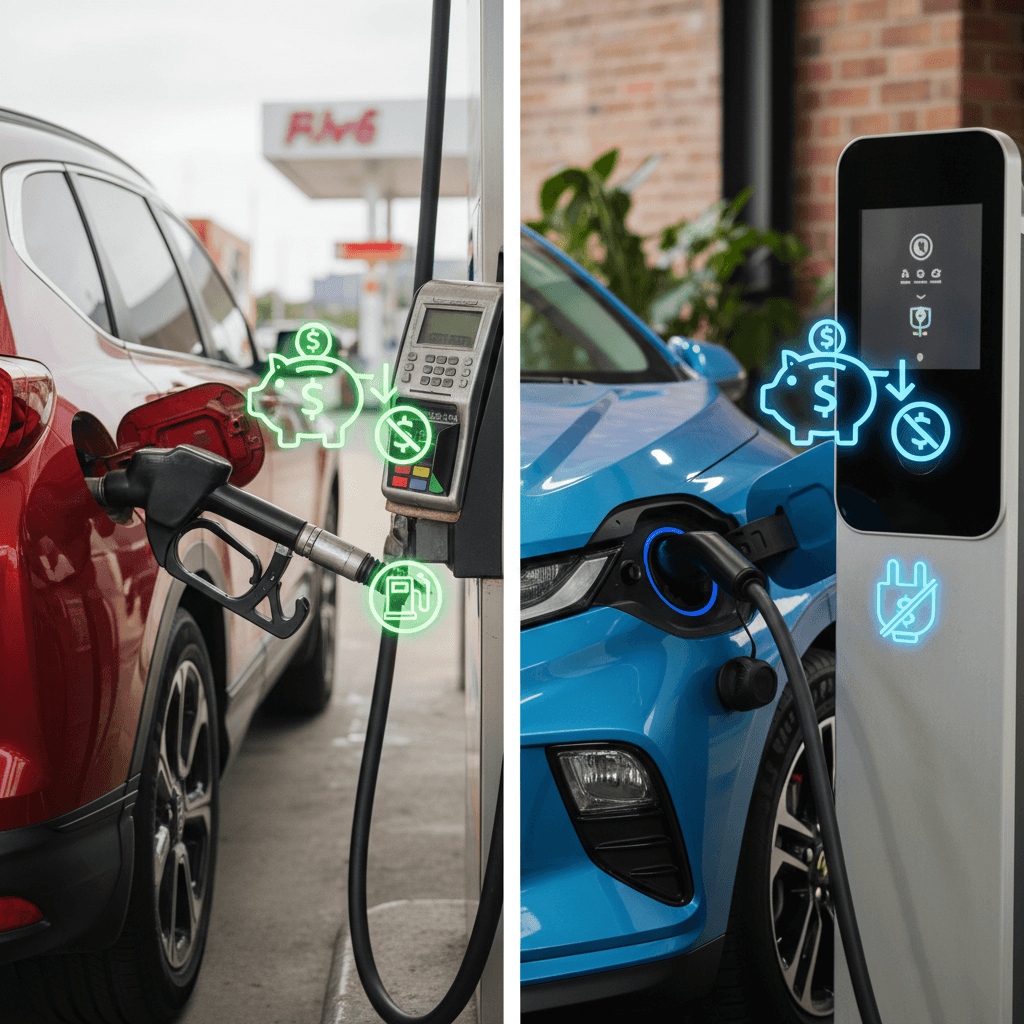
Public Fast Charging Isn’t Pump‑for‑Pump Comparable
Used Equinox EV Buying Tips for CR‑V Owners
If you’re coming out of a used CR‑V, a **used Chevrolet Equinox EV** can be the sweet spot: lower upfront price than new, but with most of the fuel and maintenance savings intact. That’s exactly the space Recharged focuses on, used EVs with verified battery health and clear pricing.
Checklist: Evaluating a Used Equinox EV After a CR‑V
Check verified battery health
Battery condition is the EV equivalent of engine compression in your CR‑V. A <strong>Recharged Score battery health report</strong> gives you a quantified snapshot so you’re not guessing about range or longevity.
Compare real‑world range to your commute
Look at estimated range at different state‑of‑charge levels and temperatures. Make sure it comfortably covers your daily driving with a buffer.
Understand charging options at home
Do you have access to a garage or driveway outlet now? Can you install a 240‑volt circuit? Recharged’s EV specialists can talk through common charging setups and costs.
Look at tire and brake wear
EVs are heavier than CR‑Vs and can eat through tires faster, especially if driven hard. Inspect tread depth and ask about rotation history.
Review software and recall history
Confirm that major software updates have been applied and any safety recalls addressed. This is the EV equivalent of checking service records on your CR‑V.
Run the total‑cost math with financing
Use a realistic EV loan or lease quote, then layer in expected fuel and maintenance savings. Recharged can help you <strong>pre‑qualify for financing</strong> and see payment scenarios without impacting your credit.
Leverage the Recharged Score
FAQ: CR‑V to Equinox EV Cost Questions
Frequently Asked Questions
Is Switching from a CR‑V to an Equinox EV Worth It?
If you’re a Honda CR‑V owner, the move to a Chevrolet Equinox EV isn’t just about driving something newer or greener. It’s about trading volatile fuel bills and aging‑SUV maintenance for a **more predictable, often lower total cost of ownership**. In many real‑world scenarios, CR‑V drivers can see four‑figure savings over a 3–8 year window, especially when they charge at home and capture available incentives.
The right call depends on your situation: how much you drive, how old your CR‑V is, your access to home charging, and whether a new payment fits your budget. If you’re ready to run your own numbers, a used Equinox EV with a Recharged Score battery health report, transparent pricing, and EV‑savvy financing and trade‑in support can make the switch feel a lot less like a gamble, and a lot more like a smart, long‑term move.