If you’re thinking about switching from a gas to an electric car, you’re not alone. EV sales in the U.S. passed roughly 10% of new car sales by 2024, and public charging has grown quickly, but the transition still feels confusing and a little risky for many drivers. This guide walks through what actually changes when you go electric: costs, charging, range, and how to make the switch with fewer surprises, especially if you’re considering a used EV.
Quick snapshot
Why drivers are switching from gas to electric
The EV shift in a few numbers
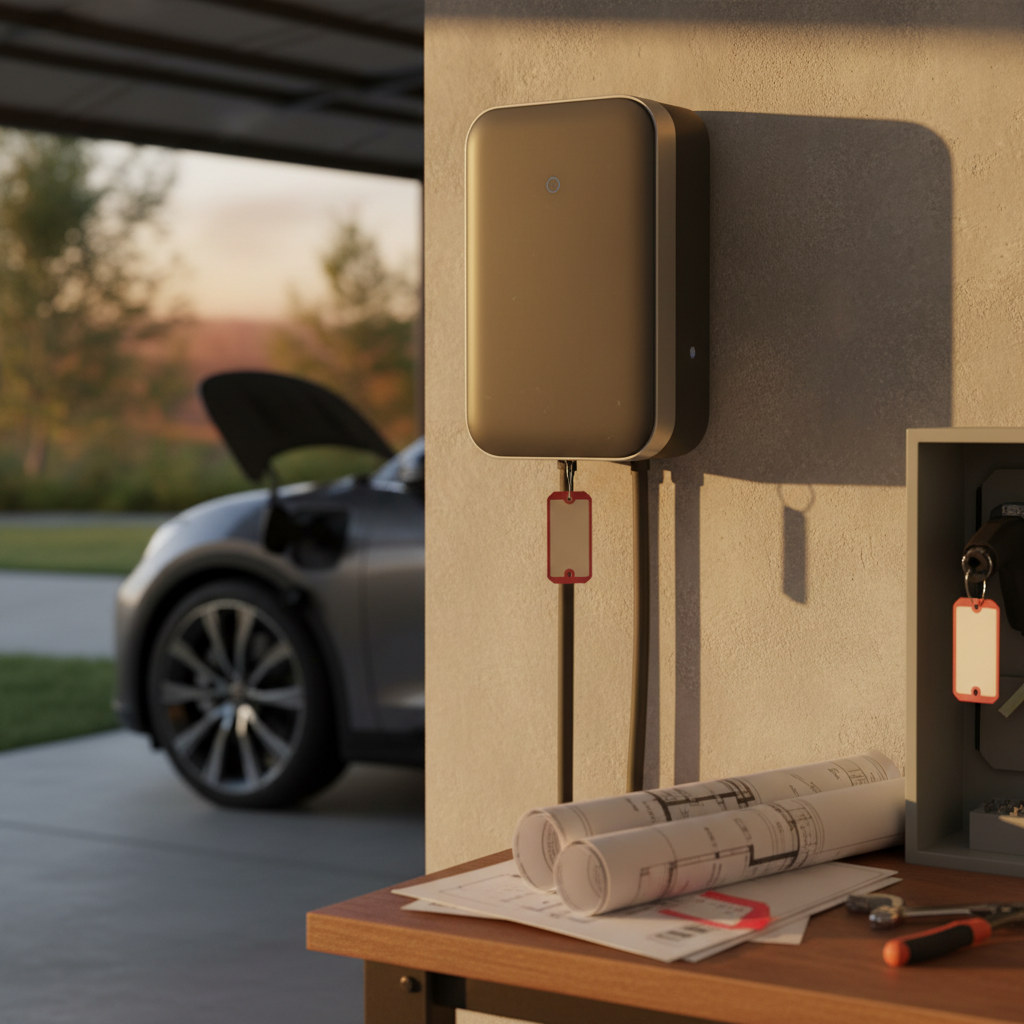
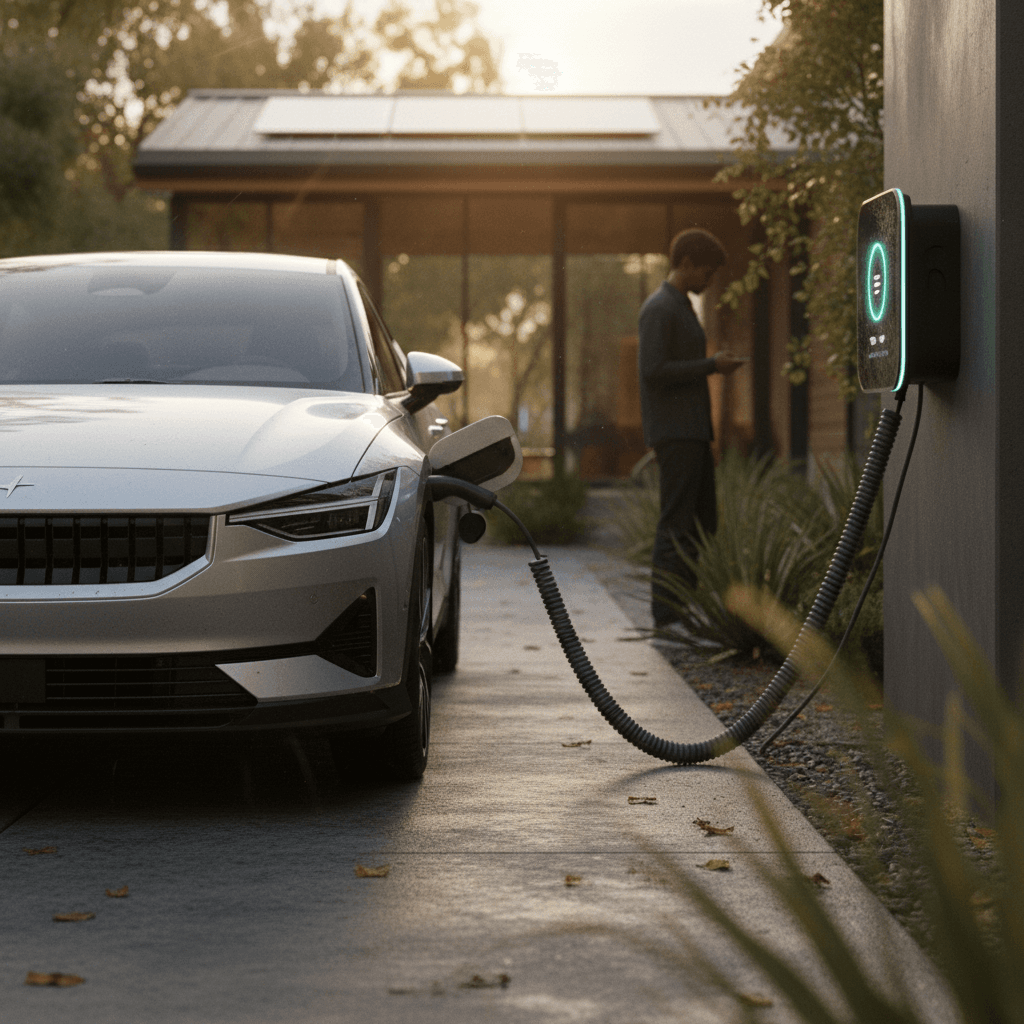
The headline reasons people switch from gas to electric are consistent: lower fueling costs, less maintenance, and lower emissions What current EV owners say mattered most Electricity is typically cheaper per mile than gasoline, even with higher power prices. You also avoid oil changes and many engine-related repairs. Even accounting for manufacturing, most EVs produce significantly fewer emissions over their lifetime compared to gas cars, especially once you pass about 15,000 miles of driving. Instead of weekly gas-station stops, you plug in overnight. Many EV drivers say they only use public fast charging on road trips or occasional long days. When you switch from a gas to an electric car, your cost picture shifts from higher upfront, lower running costs. New EVs still average several thousand dollars more than comparable gas cars, but fuel and maintenance savings chip away at that gap over the years. The math looks different if you buy new, lease, or shop for a used EV. A simplified example comparing a mainstream gas SUV to a similar all‑electric SUV, assuming 15,000 miles per year. Actual numbers will vary by model, energy prices, and resale values, but the pattern, higher upfront, lower running costs, is consistent. If you’re used to gas stations on every corner, charging is the biggest mindset shift when you switch from gas to an electric car. The good news: by the end of 2024 the U.S. had more than 200,000 public charging points, and home charging has quietly become the default for millions of drivers. But how you’ll charge depends a lot on your housing situation. From slowest (cheapest) to fastest (most convenient on the road) Where: Standard household outlet. Speed: ~3–5 miles of range per hour. Best for: Short daily commutes, plugging in every night, or as backup at relatives’ houses. Where: Home charger or public "Level 2" station. Speed: ~20–40 miles of range per hour, depending on charger and car. Best for: Primary at‑home charging, workplaces, hotels, public parking. Where: Highway fast‑charge sites, some retail locations. Speed: 80% charge in ~20–45 minutes for many modern EVs. Best for: Road trips and occasional top‑ups, not daily use. No, but it makes the switch much smoother. Roughly two million private home chargers are already installed across the U.S., and surveys consistently show that most charging happens at home overnight. If you own your home and can add a 240‑volt circuit, you’ll likely want a Level 2 charger in your garage or driveway. If you typically drive 30–50 miles a day, even a modest Level 2 charger (or consistent Level 1 charging) can comfortably replace gas fill‑ups. Do you have a dedicated parking spot within reach of an outlet or panel? If you park on‑street with no power nearby, you’ll rely more on workplace and public charging. An electrician can confirm whether your panel can support a 240V circuit and where to install it. Never DIY a high‑voltage line unless you’re licensed. Many utilities offer discounted overnight EV charging rates. Shifting your charging to off‑peak hours can significantly cut your electricity costs. Some landlords are open to adding shared Level 2 chargers, especially in newer buildings. Bring basic info on costs and potential benefits to other tenants. Range anxiety, worrying you’ll run out of charge, is mostly about familiarity. Modern EVs commonly offer 220–300 miles of EPA‑rated range, but winter weather, high speeds, and heavy loads can knock that down. The key is understanding your real‑world range and building a simple planning habit for longer drives. For many shoppers, a used electric car is the most affordable way to switch from gas. EV prices slid hard from 2023 through 2025 as more models hit the road and incentives shifted. That’s tough news for first owners, but it means there are now plenty of late‑model EVs at prices that look more like mainstream gas sedans and crossovers. Why so many first‑time EV drivers start pre‑owned Track your mileage for a couple of typical weeks. Note your longest daily round trip, where you park at night, and whether you have reliable access to power. If minimizing monthly payment is key, a used EV may make more sense. If you want the latest range, charging speeds, and safety tech, a newer model or lease could be better. Look up state and local EV incentives, plus utility discounts for home charging. These can meaningfully change the math even as federal credits wind down. If you own your home, get an estimate for a Level 2 charger install. If you rent, map public chargers near home and work and test them before you buy. Drive at least two or three EVs with different body styles and ranges. Pay attention to seating position, visibility, and how the car feels at highway speed. Compare a realistic 5‑year total cost of ownership between your gas short‑list and EV short‑list: energy, insurance, maintenance, and expected depreciation. If you’re selling or trading a gas car, get offers from multiple sources. Recharged can give you an instant offer or help you sell on consignment, and you can pre‑qualify for EV financing with no impact on your credit. Once you choose an EV, set up home or workplace charging, download charging apps, and do a few practice fast‑charge sessions on familiar routes before your first big trip. For many U.S. drivers, switching from a gas to an electric car is already a practical, financially sensible move, especially if you can charge at home and are open to a used EV. You trade the simplicity of gas stations on every corner for the convenience of refueling where you park, plus lower fuel and maintenance bills over time. The key is to match the car to your real driving, understand your charging options, and go in with clear expectations about range and ownership costs. If you want expert help picking the right used EV, verifying battery health, lining up financing, or trading out of your current gas car, Recharged was built for exactly that: a transparent, EV‑focused path from test‑drive to delivery.Top reasons drivers switch from gas to electric
Lower running costs
Lower emissions
Convenience at home
What still holds people back
How life changes when you switch from gas to an electric car
What stays familiar
What feels different
Talk to current EV owners
Gas vs electric: what you’ll really pay over time
Snapshot: gas vs electric costs over 5 years (illustrative)
Category Gas SUV Electric SUV Purchase price (new) $48,000 $55,000 Energy/fuel (5 years) $15,000 $7,000 Maintenance & repairs (5 years) $6,000 $3,000 Estimated tax incentives* $0 Varies by state Net 5‑year difference Baseline EV often similar or slightly cheaper About the numbers
Where a used EV can shine
Charging basics: home vs public and how long it takes
Three main ways to charge an EV
Level 1 (120V)
Level 2 (240V)
DC fast charging
Fast charging isn’t like a gas pump
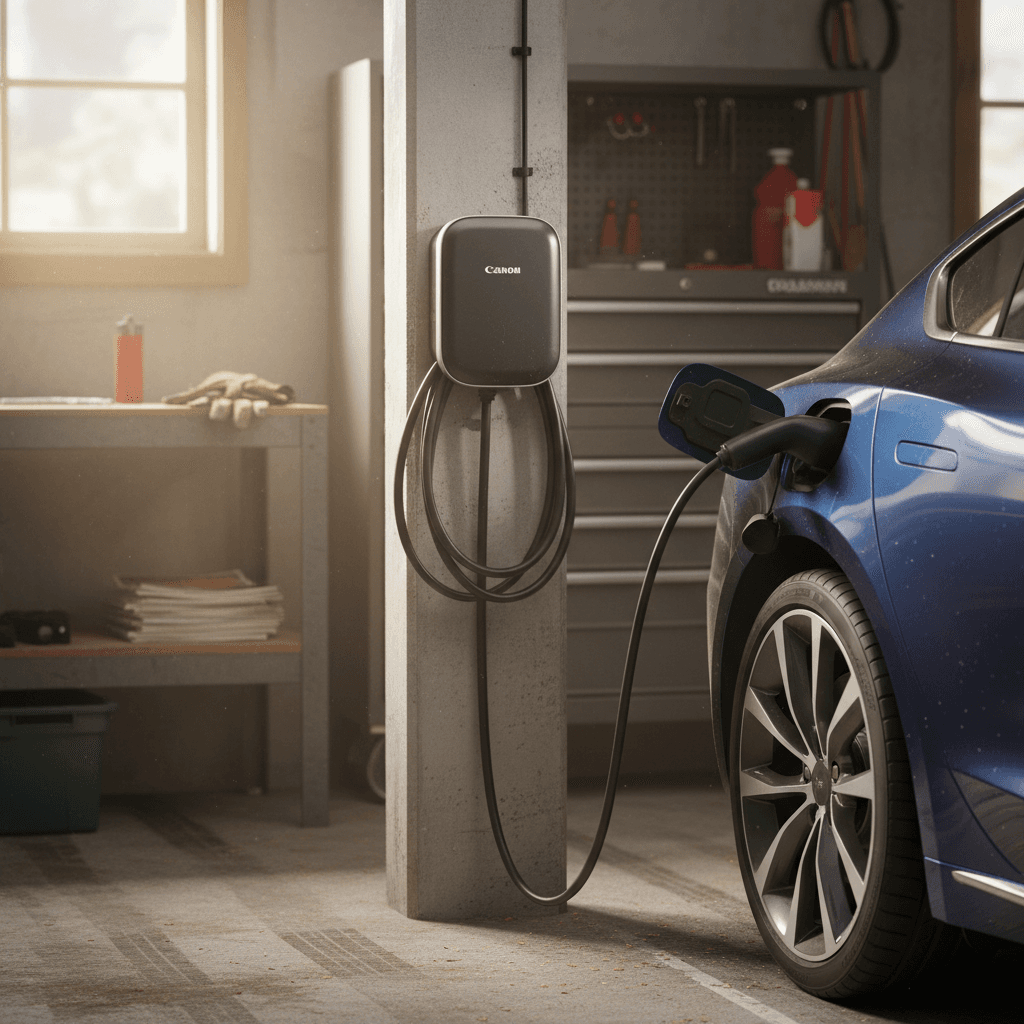
Do you need home charging to switch from gas to electric?
Home charging readiness checklist
1. Check your daily mileage
2. Confirm parking and outlet access
3. Talk to an electrician
4. Ask your utility about EV rates
5. If you rent, talk to your landlord early
No home charger? Look for a strong local network
Range, road trips, and planning your charging stops
Everyday driving
Road trips
Cold weather cuts range
Is a used EV a smart way to switch?
Used EV pros and cons vs new EV
Advantages of a used EV
What to watch closely
How Recharged helps on the used EV side
Step-by-step checklist for switching from gas to electric
Your roadmap for moving from gas to electric
1. Map your real driving needs
2. Decide on new vs used
3. Check incentives and utility programs
4. Plan your charging solution
5. Test‑drive several EVs
6. Run a 5‑year cost comparison
7. Line up financing and trade‑in
8. Take delivery and set up your charging routine
Common mistakes to avoid when switching to an EV
Safety reminder on charging
Frequently asked questions about switching from gas to an electric car
FAQ: Switching from gas to electric
The bottom line: is switching from gas to electric worth it?