If you’re asking yourself, “Should I sell my electric car now or wait?,” you’re not alone. Used EV prices have whipsawed over the last few years, federal tax credits ended on September 30, 2025, and battery health is finally getting the attention it deserves. The right answer for you in 2026 depends on three things: the current market for your specific model, the condition of your battery, and what you plan to drive next.
In one sentence
How to think about selling your EV in 2026
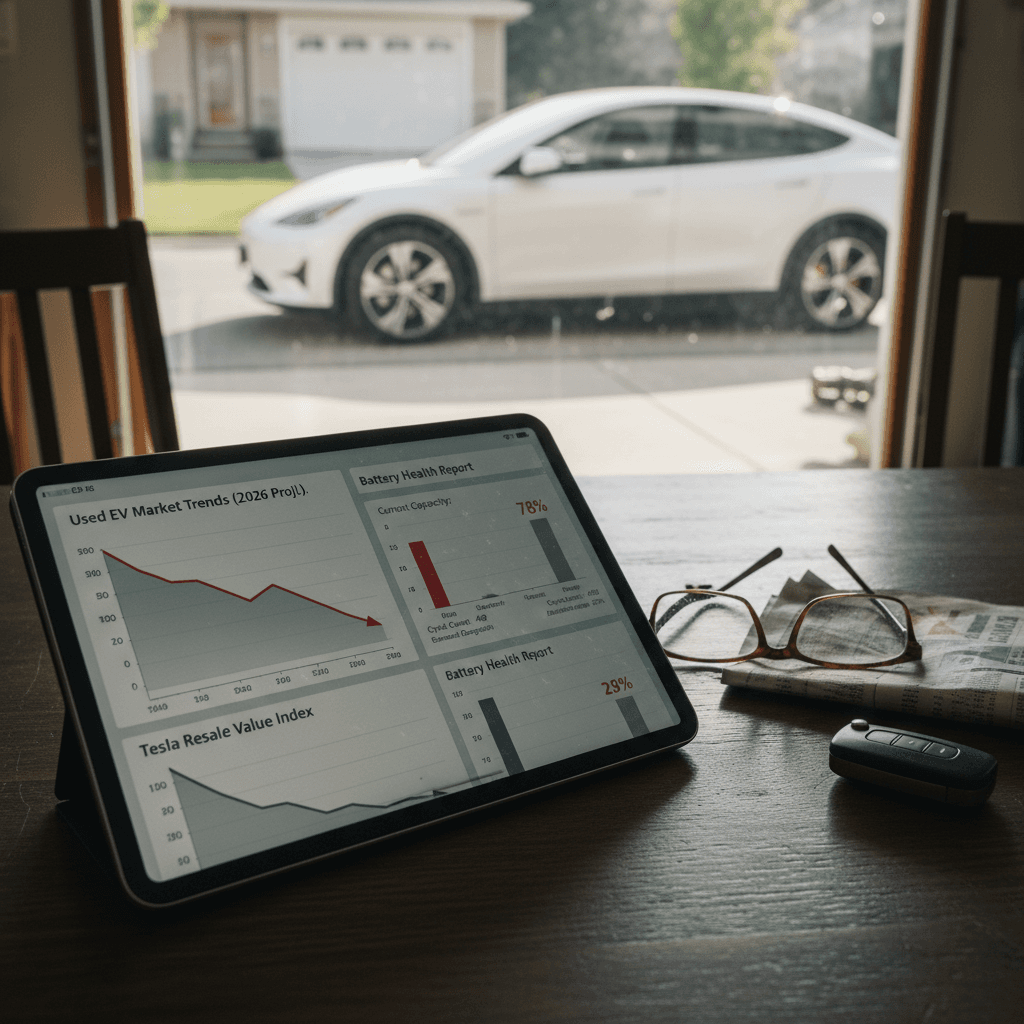
With gas cars, the conventional wisdom is simple: depreciation is steep early, then levels off. With EVs, 2022–2025 broke that pattern. Aggressive new‑car price cuts, rapid tech improvement, and shifting incentives pushed used EV prices down roughly 30–40% from 2022 peaks, with some models losing well over half their value in five years. At the same time, a late‑2025 rule change ended federal tax credits for purchases after September 30, 2025, which is now reshaping used prices again.
Today, the question isn’t just “Is it a good time to sell an electric car?” It’s: “Is it a good time to sell my specific EV, in my situation, given where prices and incentives are going?” That’s the mindset you need in 2026.
Snapshot of the 2026 used EV landscape
Why timing is trickier for EVs
Quick checklist: should you sell now or wait?
5‑minute self‑assessment
1. How old and how many miles?
If your EV is 4–7 years old and over ~60,000 miles, depreciation is already steep and battery‑health questions start to loom larger. Selling sooner can lock in value before age and miles scare more buyers away.
2. Tesla or non‑Tesla?
Recent data shows used Tesla prices have stabilized and even ticked up slightly since late 2025, while many non‑Tesla EVs have continued to slide. If you own a mainstream non‑Tesla (e.g., early Chevy Bolt, Nissan Leaf, Kona Electric), the financial case for selling sooner is stronger.
3. What’s your battery health?
A strong, documented battery (for example, via a <strong>Recharged Score battery health report</strong>) can protect your value today and make the car easier to sell later. If your pack is already showing noticeable degradation, waiting likely won’t improve your position.
4. Do you actually need to sell?
If your payment is comfortable, range still fits your life, and you’re not chasing new tech, holding 3–5 more years often beats paying transaction costs to move into another vehicle.
5. What are you moving into next?
If you plan to upgrade to a discounted new EV or a well‑priced used model, selling now can let you capture today’s buyer demand. If you’re uncertain or would be forced into an expensive replacement, waiting and paying off more principal may be smarter.
Rule of thumb
What the 2026 used EV market looks like
To decide whether to sell your electric car now or wait, you need a feel for where the used market stands after several years of volatility. Here’s the short version: the free‑fall is over, but the rebound is uneven.
Key market trends affecting your decision
Not all used EVs are moving the same way in 2026
1. Tesla vs non‑Tesla split
Teslas still dominate the used EV pool. After heavy declines in 2023–2024, recent studies show used Tesla prices inching up a few percent since late 2025, while many other brands’ EVs have slipped a bit further.
2. Incentives reshuffle demand
Federal tax credits for both new and used EVs ended for purchases after September 30, 2025. That pulled some demand forward into mid‑2025 and has since removed a key price support, especially for budget‑minded used EV shoppers.
3. Tech moving fast, not obsolete overnight
Range and charging speeds keep improving, but not every new model is a huge leap. Well‑specced 250–300‑mile EVs with DC fast‑charging capability still look attractive used, even next to the latest releases.
Models holding value better
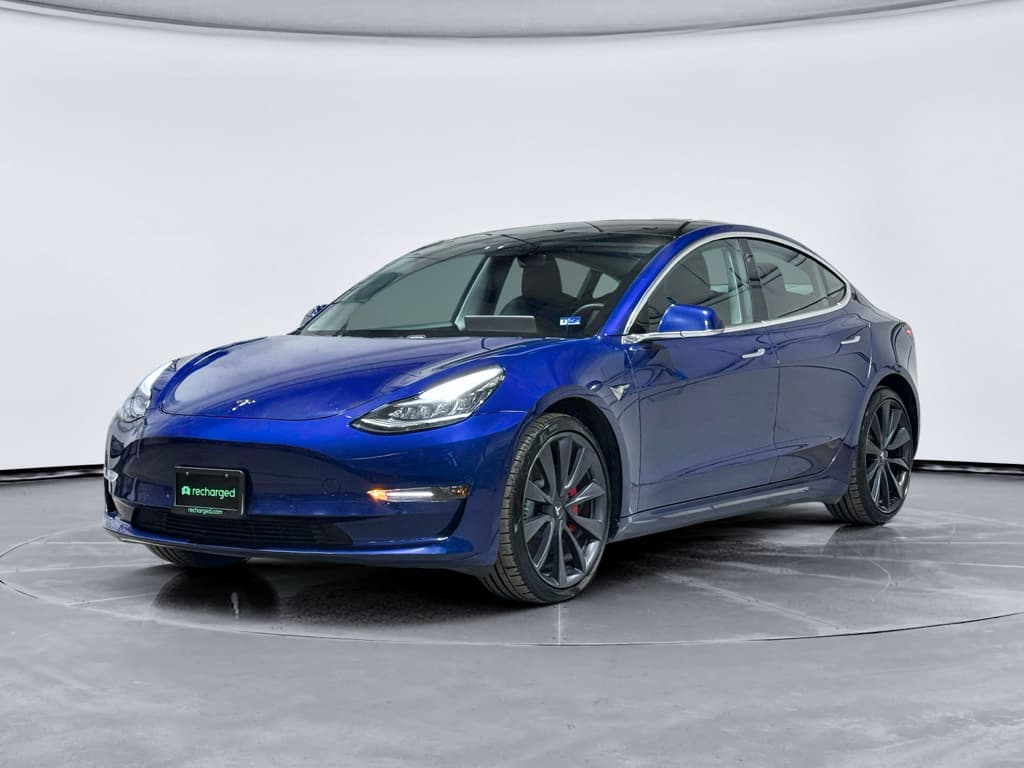
- Desirable Teslas (Model 3 and Model Y with reasonable mileage)
- Long‑range crossovers and SUVs with 250+ miles of real‑world range
- EVs with strong brand backing and updated software support
If you own one of these, you may have more flexibility to wait without watching value evaporate overnight.
Models under the most pressure
- Early‑generation EVs under ~200 miles of range
- Models with known battery or recall concerns
- Low‑demand brands or discontinued EVs
If this sounds like your car, the market is already telling you that prices need to be aggressive to attract buyers. Waiting often just means accepting less later.
Use real offers, not headlines
How your specific EV affects the timing
The right move for a three‑year‑old Tesla Model Y is very different from an eight‑year‑old Nissan Leaf. Let’s break down timing by broad category so you can see where you fit.
Should you sell now or wait? Quick guidance by EV type
Use this as a starting point, then layer in your own budget and needs.
| EV Type | Typical Age/Miles in 2026 | Market Pressure | Leaning Recommendation |
|---|---|---|---|
| Recent Tesla Model 3 / Y (1–4 yrs) | 15k–60k miles | Stabilizing, mild rebound | You can afford to wait unless you want out of the brand or payment. |
| Older Tesla S / X (6–9 yrs) | 60k–120k+ miles | High depreciation already realized | If you’re thinking of exiting, selling in the next 12 months is sensible. |
| Early mainstream EVs (Leaf, e‑Golf, first‑gen Bolt) | 5–9 yrs | Soft demand, tech behind | Sell sooner if range or safety updates are a concern. |
| Newer non‑Tesla crossovers (ID.4, Niro EV, Ioniq 5, etc.) | 1–4 yrs | Softening but still attractive when priced right | Either option works, focus on your payment, mileage, and satisfaction. |
| Luxury EVs (Taycan, e‑Tron, EQ models) | 3–7 yrs | Steep luxury‑class depreciation | If you don’t love it, waiting rarely helps; consider selling sooner. |
Generalized guidance; individual cars can buck the trend based on condition, options, and local demand.
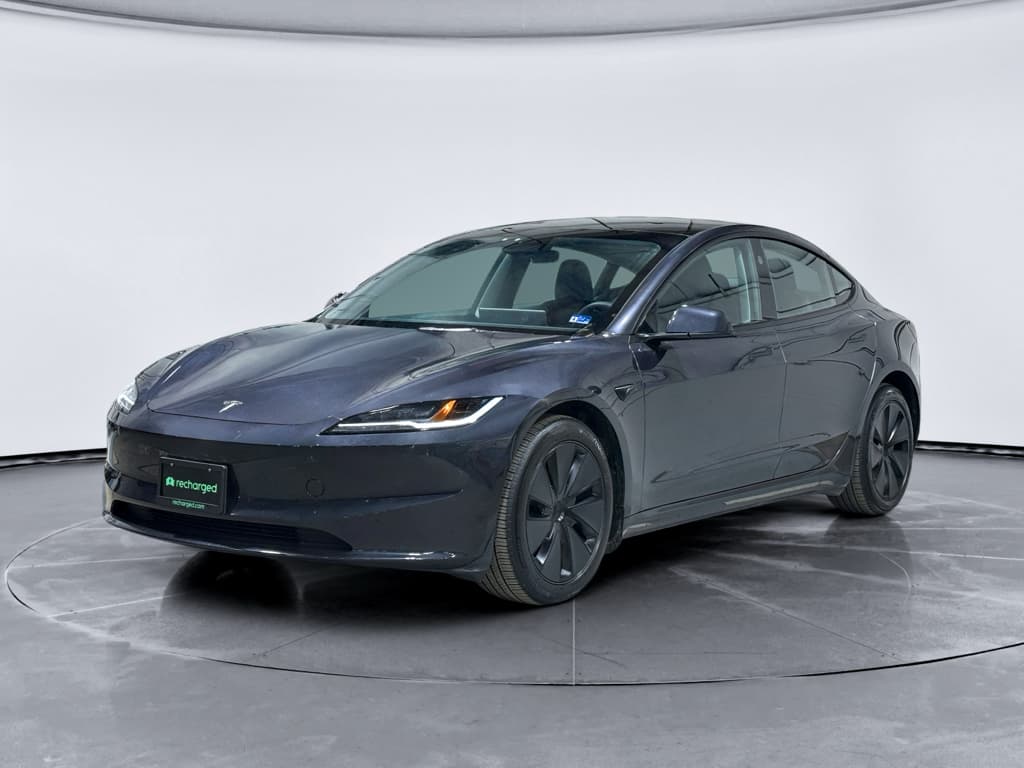
Watch for looming model changes
Battery health: the hidden driver of resale value
Underneath headlines about price cuts and incentives, battery health quietly drives much of an EV’s real‑world value. Studies of thousands of used EVs suggest packs are aging more gracefully than many early skeptics feared, but shoppers still fixate on range numbers and degradation stories.
Why battery health matters for “sell now or wait”
Think like a future buyer looking at your car online
Range confidence
A buyer deciding between your EV and another one will look for signs that they won’t be stuck with a tired pack. Any proof that your battery is healthy helps you today and later.
Documentation pays off
Showing a third‑party battery report, like a Recharged Score, plus service records and charging habits, can justify a stronger asking price and speed up the sale.
Waiting can cut both ways
If your battery stays strong and you add relatively few miles, a short wait may not hurt you. But if range is already marginal for modern expectations, more time on the clock can make buyers walk away.
How Recharged can help here
Tax credits ended, what that means for selling now vs later
For years, the federal tax credits for new and used EVs gave shoppers extra money to work with and propped up transaction prices. That era is over. The clean‑vehicle and used EV tax credits ended for purchases after September 30, 2025. In 2026, buyers can no longer offset your asking price with a $4,000 used EV credit or a $7,500 new‑EV incentive.
How the end of credits hurts sellers
- Budget‑sensitive shoppers have less effective buying power.
- Dealers and marketplaces can’t advertise “after‑credit” pricing.
- Some buyers simply drop out of the EV market, thinning demand.
All else equal, that puts downward pressure on used EV prices, especially at the lower end of the market.
How it can help or at least stabilize
- There’s no longer a looming deadline pulling demand forward.
- Prices have room to stabilize around true supply and demand.
- Shoppers who are still in the market tend to be more serious.
For in‑demand models, especially Teslas, we’re already seeing signs of a gentle rebound or plateau instead of free‑fall.
Practical takeaway for your timing
Personal factors that matter more than the market
Market data is important, but your decision to sell your electric car now or wait ultimately needs to work for you. A perfectly timed sale that leaves you stuck with an impractical or unaffordable replacement isn’t a win.
- Monthly payment and insurance: If your current EV is fully paid off or very affordable, hanging on usually beats jumping into a bigger payment just to be “ahead” of depreciation.
- Range fit: If your daily life has changed, longer commute, new job, frequent road trips, and your current range or charging speed is genuinely limiting you, the non‑financial case for selling strengthens.
- Reliability and warranty: Approaching the end of battery or powertrain warranty? Future repair risk is higher. If you can exit while the car is still under coverage, that can be attractive to buyers, and to you.
- Garage and charging situation: Moving to an apartment? Losing home charging? That can tip the scales toward selling now and picking something that better fits your new reality.
- Comfort with EV tech: If you’re tired of software quirks or charging‑network roulette, the emotional upside of switching (to a newer EV or back to gas/hybrid) is part of the equation too.
Stress test your decision
Where to sell: trade‑in, private party, or EV marketplace
Once you’ve decided whether you’re leaning toward selling now or later, the next question is how to sell. Your choice of channel can be the difference between a smooth, fairly priced transaction and weeks of frustration.
Pros and cons of each selling option
Maximize your net proceeds, not just the top‑line number
Dealership trade‑in
Pros: Fast, simple, lets you roll equity into your next car. You avoid the hassle of showings and paperwork.
Cons: Usually not the highest dollar amount, and some dealers are still learning how to value EVs and battery health correctly.
Private‑party sale
Pros: Often the top price if you find the right buyer, especially for well‑cared‑for EVs with good documentation.
Cons: Time‑consuming, safety concerns meeting strangers, handling payment, and many shoppers will worry about the battery.
Specialized EV marketplace (like Recharged)
Pros: EV‑savvy valuation, battery health diagnostics, digital paperwork, and access to nationwide buyers who understand EVs.
Cons: You may pay a fee or accept a slightly lower number than an exceptional private‑party sale, but often higher than a generic trade‑in.
How Recharged fits in
Ready to find your next EV?
Browse VehiclesSteps to take before you list your electric car
Whether you end up selling now or a year from now, preparing your EV properly can easily add hundreds, or even thousands, of dollars to the price a buyer is willing to pay.
Pre‑sale checklist for maximizing EV value
1. Get a battery health report
This is the single most important EV‑specific document you can have. A Recharged Score or similar third‑party assessment shows current capacity and helps buyers compare your car to others with confidence.
2. Pull service and recall records
Download or request records showing software updates, recall fixes, and routine maintenance (tires, brakes, cabin filter). It reassures buyers that the vehicle has been cared for.
3. Detail the car and fix obvious flaws
A professional interior/exterior detail and a few inexpensive touch‑ups (wiper blades, minor scuffs, missing charge‑port cap) can pay off far more than they cost.
4. Gather all charging equipment
Include the original portable charger, any adapters, and wall‑charger documentation if you’re selling it with the car. Missing cables are a red flag and a negotiation point for buyers.
5. Photograph like a pro
Shoot clear, well‑lit photos of the exterior, interior, tires, odometer, screen with range displayed, and charging port. If you have a battery health report, add a photo of the summary page.
6. Get multiple offers in writing
Before you commit, collect instant offers, trade‑in quotes, and marketplace estimates. This gives you a realistic range and helps you spot a genuinely strong offer.
FAQ: common questions about when to sell an EV
Frequently asked questions
Bottom line: should you sell your EV now or wait?
There’s no one‑size‑fits‑all answer to “Should I sell my electric car now or wait?” But the pattern in 2026 is clear. If your EV is an early, short‑range, or low‑demand model, and especially if you’re already uneasy about the battery, the case to sell in the next 12 months is strong. If you own a newer, desirable EV with documented battery health, a comfortable payment, and a lifestyle it still fits well, keeping it and extracting more years of use can easily beat chasing the latest model.
The smartest move is to replace guesswork with data: get real offers for your specific car, document your battery, and map out what you’d realistically drive next. Recharged was built to make exactly that process simpler, with EV‑savvy pricing, Recharged Score battery diagnostics, financing, trade‑in, instant offers or consignment, and even an Experience Center in Richmond, VA if you want to see options in person.
Once you’ve done that homework, the decision often becomes obvious. Either you’ll see that selling now unlocks the right upgrade at a fair price, or you’ll realize that holding onto a paid‑off or affordable EV you like is the best financial move you can make.