Looking to sell a Tesla Model Y in California in 2026? You’re not alone. The Model Y has been California’s best‑selling new vehicle for multiple years, which means there’s strong used‑vehicle demand, but also more competition from other sellers. The key is understanding where your car is worth the most, how California taxes really work, and how to present your EV so buyers feel confident paying top dollar.
Quick snapshot
Why selling a Tesla Model Y in California is different
What makes the California Tesla market unique
High EV adoption, complex incentives, and savvy buyers change how you sell.
EVs are mainstream here
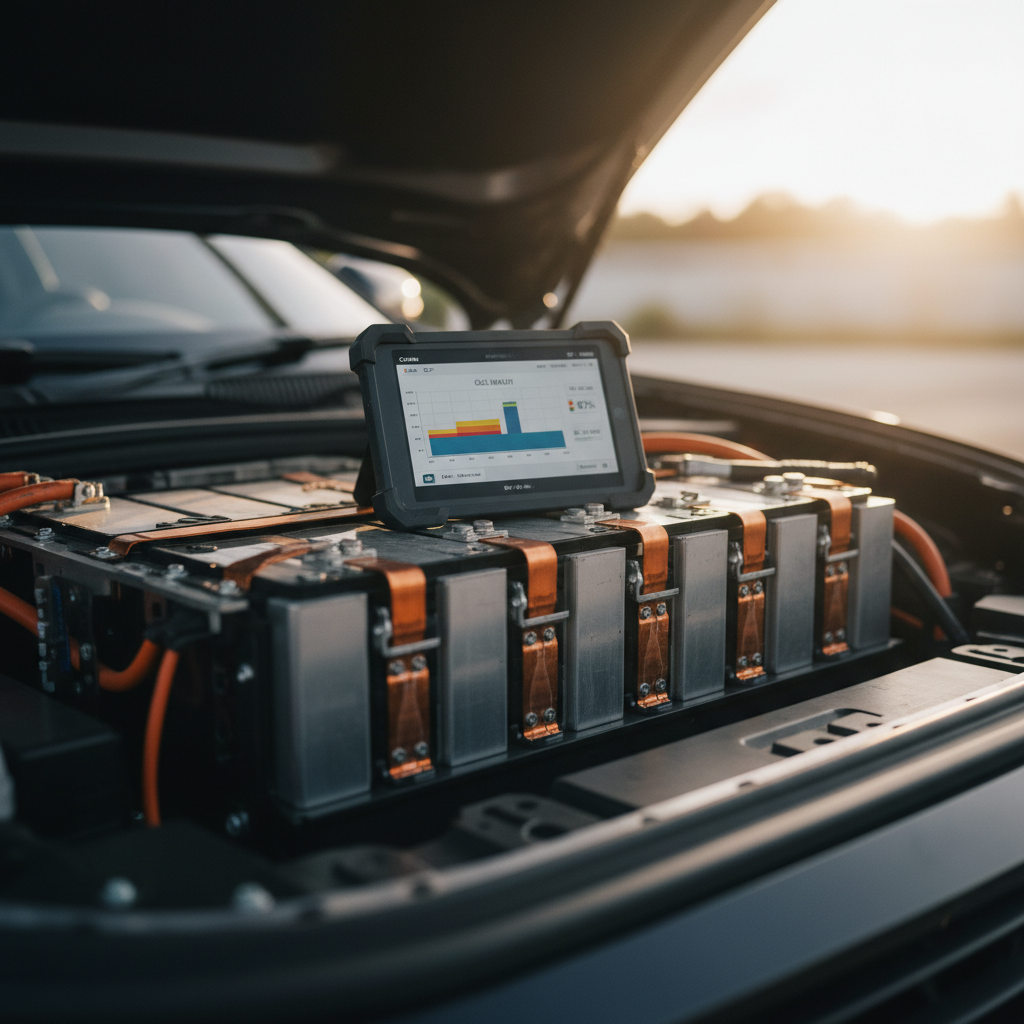
Battery health scrutiny
Price anchored to new EV deals
Watch the 2025–2026 tax‑credit shift
How much is my Tesla Model Y worth in California?
Most sellers start with a number in their head and work backwards. A better approach in California is to treat your Model Y like a tech asset and a car at the same time. Battery health, software options (like Full Self‑Driving), and even your charging habits can shift value thousands of dollars either way.
Typical Tesla Model Y value ranges (2025–2026 benchmarks)
- Online appraisal tools like Kelley Blue Book or Edmunds for trade‑in vs private‑party value.
- Instant‑offer sites (CarMax, Carvana, others) to see what the wholesale market will pay today.
- Real‑world used listings on marketplaces and EV‑focused retailers like Recharged to see what similar cars in California actually list and sell for.
Anchor to a realistic private‑party number
Where to sell a Tesla Model Y in California
Californians selling a Tesla Model Y typically choose between four main paths: Tesla trade‑in, instant‑offer used‑car chains, private‑party sale, or an EV‑specialist marketplace like Recharged. Each has a different mix of price, speed, and effort.
Selling channels for a Tesla Model Y in California
How common options stack up on price, effort, and control.
| Channel | Typical Price | Time & Effort | Pros | Cons |
|---|---|---|---|---|
| Tesla trade‑in | Lowest to mid | Low | Easy when buying another Tesla; single transaction; no strangers at your house. | Offers can be thousands below market; limited to Tesla ecosystem. |
| CarMax / Carvana / big used‑EV buyers | Low to mid | Low | Instant or near‑instant offers; walk‑away simplicity; no need to prep ads or meet buyers. | You’re selling into the wholesale pipeline, so you give up some retail margin. |
| Private‑party sale | Highest potential | High | Best shot at top dollar; you control the story, photos, and asking price. | You handle marketing, screening buyers, test drives, and paperwork. |
| EV‑specialist marketplace (like Recharged) | High, market‑correct | Medium | EV‑savvy buyers; expert pricing support; battery health and software story translated for you; help with title and funding. | You share a small selling fee or margin for the extra service and reach. |
No single channel is best for everyone, your priorities will drive the right answer.
When a Tesla trade‑in can still make sense
If you’re upside‑down on your loan, in a rush, or simply want the cleanest possible transaction when taking delivery of a new Tesla, trading in directly to Tesla can be worth the lower offer. You’re effectively paying for friction‑free logistics.
When to go private or marketplace
If your Model Y has desirable options, low mileage, a well‑documented service history, or transferable Full Self‑Driving, California buyers will usually pay more than instant‑offer outlets. In that case, a curated marketplace like Recharged or a well‑managed private sale is where you recover that extra value.
California taxes and paperwork when you sell a Tesla
California keeps things relatively simple on the seller side, but it’s still important to understand how taxes and paperwork work when you sell a Tesla Model Y.
Key California rules every Tesla seller should know
1. No sales tax collected by private sellers
In a private sale, <strong>you don’t collect sales tax</strong>. The buyer pays use tax (California’s version of sales tax) when they register the car with the DMV. Your job is to document the sale price on the bill of sale and title transfer.
2. Trade‑in tax advantage is limited
Some states reduce sales tax when you trade in, but California typically charges tax on the <strong>full purchase price of the new vehicle</strong>, not the difference. That means the “tax savings” argument for trading in is weaker here than in many other states.
3. Always complete the Notice of Transfer and Release of Liability
File the <strong>Notice of Transfer and Release of Liability (NRL)</strong> with the DMV immediately after the sale. It protects you from tickets, tolls, and liability once the car leaves your hands.
4. Title, odometer, and bill of sale
Sign the title correctly, complete the <strong>odometer disclosure</strong>, and provide a simple bill of sale with VIN, sale price, and date. If the car has a lien, get a payoff letter or lien release before listing it.
5. Be clear about software and subscriptions
Document whether the car includes <strong>Full Self‑Driving</strong>, premium connectivity, or other paid features. Some items transfer, some don’t, and California buyers care, clarity upfront avoids disputes at the DMV window.
Don’t skip the NRL
Battery health and software: why they matter to buyers
When you sell a gas car, most buyers worry about service history and cosmetic issues. When you sell a Tesla Model Y in California, battery health and software history jump to the top of the list. Many shoppers daily‑drive long commutes or road‑trip between metro areas, so range confidence is non‑negotiable.
What serious California buyers want to know
Answer these questions proactively and you’ll stand out in a crowded Model Y market.
Real‑world range today
Charging habits
Software & options
How Recharged’s battery diagnostics help
Step‑by‑step: how to sell your Tesla Model Y in California
Here’s a practical workflow that fits most California sellers, whether you end up going private‑party, instant‑offer, or marketplace.
8 steps to a smooth Tesla Model Y sale in California
1. Pull your data and documents
Download service records from your Tesla account, grab any repair invoices, and locate your title or lien payoff letter. Note current mileage and battery‑health indicators (like typical 100% range).
2. Get baseline values
Run your VIN through <strong>two or three appraisal tools</strong> and request instant offers from at least two national buyers (CarMax, Carvana, etc.). This sets your floor price.
3. Check live California listings
Search for similar Model Y trims, years, and mileage on marketplaces and dealer sites that serve California. Pay attention to <strong>actual asking prices and how long cars sit</strong>, not just book values.
4. Decide on your selling channel
If time is worth more than a few thousand dollars, an instant offer or trade‑in may be enough. If you care about squeezing out maximum value, lean toward a private sale or an EV‑specialist marketplace like Recharged.
5. Prep the car like a retailer
Get a professional detail, fix obvious cosmetic issues, and clear personal data from the infotainment system. In California’s dense EV markets, a clean car photographs, and sells, noticeably faster.
6. Build a transparent listing
Write a listing that calls out <strong>battery health, charging habits, and software options</strong>. Include high‑quality photos in natural light, especially of the interior, wheels, and screen with battery percentage and rated range.
7. Screen buyers and structure safe test drives
Meet in public, bring a friend if possible, and verify license and insurance before drives. For private sales, insist on cashier’s check or secure electronic payment and complete paperwork at a bank or DMV office when possible.
8. Close, transfer, and follow through
Once paid, sign the title, complete a bill of sale, hand over keys and key cards, then immediately submit your <strong>Notice of Transfer and Release of Liability</strong> online. Remove the car from your Tesla account after confirming the buyer has added it.
Common pricing mistakes Tesla sellers make
- Basing price only on what you owe, not what the car is actually worth.
- Ignoring recent price cuts or incentives on new Model Ys that move the goalposts for used pricing.
- Overvaluing Full Self‑Driving when California buyers increasingly treat it as a nice‑to‑have, not a must‑have at any price.
- Underestimating how much visible range loss or a sketchy accident history can shave off your price.
- Listing high and "testing the market" for months, only to chase prices down after your listing stales.
Aim for the market, not the moon
How Recharged helps you sell a Tesla Model Y
If you like the idea of private‑party pricing but not the hassle, an EV‑focused marketplace like Recharged is built for exactly this situation, especially in California, where EV buyers are demanding but plentiful.
Why California Tesla sellers use Recharged
Retail‑level pricing, EV‑savvy buyers, and expert support from start to finish.
Market‑correct pricing, not guesswork
Recharged Score battery‑health report
Flexible selling options
California‑savvy logistics and support
Ready to find your next EV?
Browse VehiclesDigital‑first, California‑ready
FAQs: selling a Tesla Model Y in California
Frequently asked questions about selling a Tesla Model Y in California
Bottom line: best way to sell a Tesla Model Y in California
Selling a Tesla Model Y in California is less about finding "a buyer" and more about choosing the right lane: quick money at a wholesale‑leaning price, or a more deliberate path that captures the full value of your battery, software, and options. In a state where EV buyers know the product and watch pricing closely, clear documentation and realistic pricing matter as much as a good detail job.
If you want to move fast with minimal hassle, compare instant offers, including options from EV‑focused platforms like Recharged, against Tesla’s trade‑in and pick the best net number. If you’re willing to spend a little more time to maximize your return, a Recharged marketplace listing with a Recharged Score battery‑health report and expert pricing guidance can help you stand out in California’s crowded Tesla market, without forcing you to become a full‑time used‑car dealer.