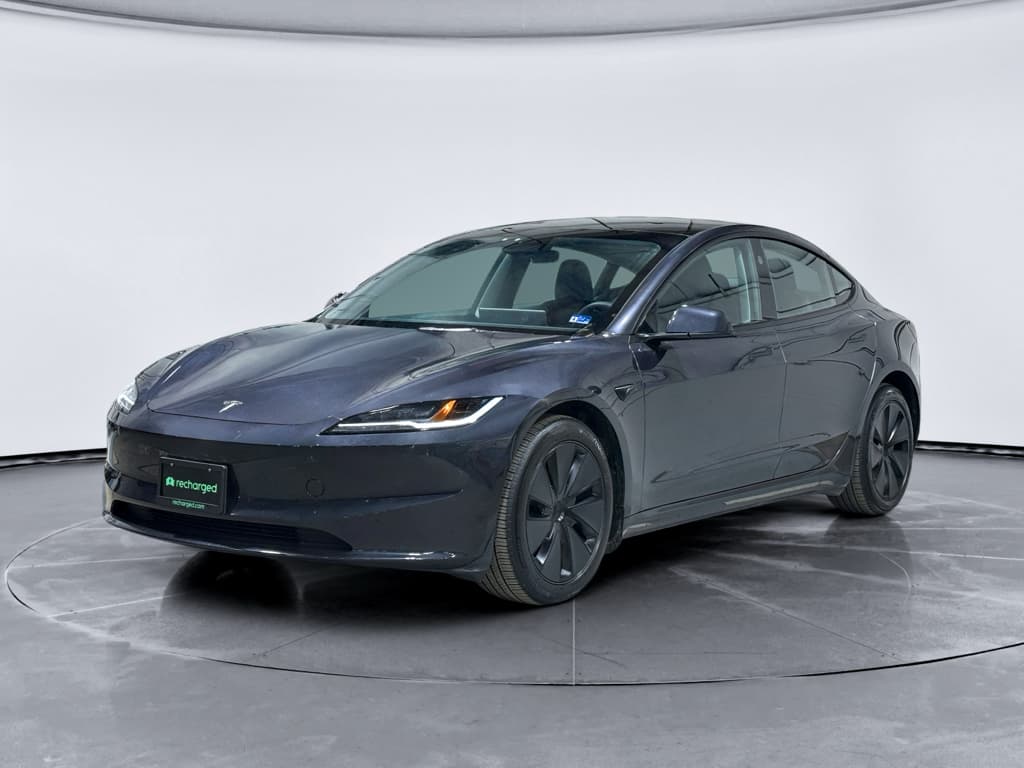
If you’re thinking, “It’s time to sell my Tesla Model 3,” you’re not alone. After years of price cuts, software changes, and a flood of used Teslas hitting the market, selling one in 2026 is less like listing a Honda Civic and more like off‑loading a slightly moody smartphone on wheels. The good news: if you understand how buyers think, how battery health shapes value, and where to list, you can still get a strong price without spending every weekend meeting tire‑kickers in parking lots.
The short version
Why selling your Tesla Model 3 feels trickier in 2026
For years, the Model 3 was the poster child for strong EV resale value. Then came aggressive new‑car price cuts, a wave of off‑lease Teslas, and softer EV demand. Used Tesla prices started falling faster than the broader market, and many owners who expected an easy flip suddenly found lowball offers and longer listing times.
Tesla Model 3 resale snapshot for 2026
Today’s buyer is more cautious and more informed. They’ve read about EV depreciation, they know Autopilot and Full Self‑Driving subscriptions can change with software updates, and they absolutely want to know if your battery is healthy. That changing mindset is exactly why how and where you sell your Model 3 matters so much.
What is my Tesla Model 3 worth today?
Let’s start with the question hiding behind every Google search for “sell my Tesla Model 3”: what’s it actually worth? The answer is a band, not a single number, and it depends on model year, trim, mileage, options, battery health, and how urgently you need to sell.
Typical 2026 price bands for used Tesla Model 3
These are broad, directional ranges for private‑party sales in the U.S. as of early 2026. Local markets, condition, options, and software features (like FSD) will move you up or down within the band.
| Model year & trim (example) | Approx. miles | Private‑party range* | Typical instant‑offer / trade‑in |
|---|---|---|---|
| 2021–2022 RWD / base | 25,000–45,000 | $23,000–$28,000 | $18,000–$23,000 |
| 2021–2022 Long Range | 30,000–50,000 | $26,000–$31,000 | $21,000–$26,000 |
| 2019–2020 Standard / RWD | 45,000–70,000 | $17,000–$22,000 | $13,000–$18,000 |
| 2019–2020 Long Range / Performance | 50,000–80,000 | $19,000–$26,000 | $15,000–$21,000 |
| 2018 and earlier mixed trims | 70,000–110,000+ | $13,000–$19,000 | $10,000–$15,000 |
Use these ranges as a sanity check against instant offers and trade‑ins.
About those numbers
If an instant‑offer site throws out a number that’s $5,000–$8,000 below where similar Model 3s list privately, that’s not malpractice; that’s their business model. Your job is to decide whether that discount is worth the convenience, or whether you’d rather work a little for several thousand dollars more.
Four main ways to sell your Tesla Model 3
Every Model 3 seller is choosing between speed, price, and hassle. You can have two of the three. Here’s how the main options stack up.
Your main options to sell a Tesla Model 3
From “get it done tomorrow” to “maximize every last dollar.”
1. Tesla trade‑in or dealer offer
Best for: Convenience lovers, “I’m already ordering a new car” sellers.
- Very fast; often done online in minutes.
- One transaction if you’re buying another Tesla.
- Historically among the lower offers on the market.
- Limited appetite for higher‑mileage or older cars.
Think: lowest homework, lowest check.
2. Instant‑offer sites and wholesalers
Best for: Sellers who value speed and certainty over squeezing out top dollar.
- Offers in minutes; cash or ACH in days.
- No strangers at your house, no test‑drives.
- They price in transport, reconditioning, and margin.
- Often bottom of the market for value.
Useful to set your minimum acceptable number.
3. Private sale (DIY)
Best for: Owners willing to do photos, listings, and meetups to maximize price.
- Often nets the highest selling price.
- You control the story, photos, and negotiation.
- Can take weeks and multiple showings.
- Scams, no‑shows, and paperwork are on you.
Maximum upside, maximum hand‑holding.
4. EV‑focused marketplace like Recharged
Best for: Getting near‑retail value with expert help and fewer headaches.
- Listings marketed to EV‑savvy buyers nationwide.
- Battery health is independently documented with a Recharged Score Report.
- Options for instant offer or higher‑value consignment‑style selling.
- EV specialists guide pricing, photos, and buyer questions.
A middle path between trade‑ins and pure DIY.
Smart move: use low offers as data
How to get top dollar for your Model 3
The difference between an average listing and a top‑of‑market sale is rarely luck. It’s framing. You’re not just selling a used Tesla; you’re selling freedom from gasoline, a car that updates while it sleeps, and a battery that still has years of healthy life left. Here’s how to make that story concrete.
- Price slightly under your closest competition, not in a vacuum. Look at actual used Model 3 listings in your region with similar year, mileage, and options, then position your price a hair below the closest comp to attract clicks.
- Lead with battery health, range and charging history in your listing description, not just color and wheels.
- Call out desirable software and hardware: heat pump (on newer cars), dual motor, premium audio, winter package, remaining warranty, and any transferable FSD/driver‑assist features.
- Fix cheap cosmetic stuff, curb rashed wheels, a cracked windshield, bald tires, before you list, or price your car as‑is and make that tradeoff very clear.
- Stage the car like you would a house: deep clean inside and out, remove personal items, and photograph in good light with a clean background.

What buyers actually care about
Documenting battery health: your biggest leverage point
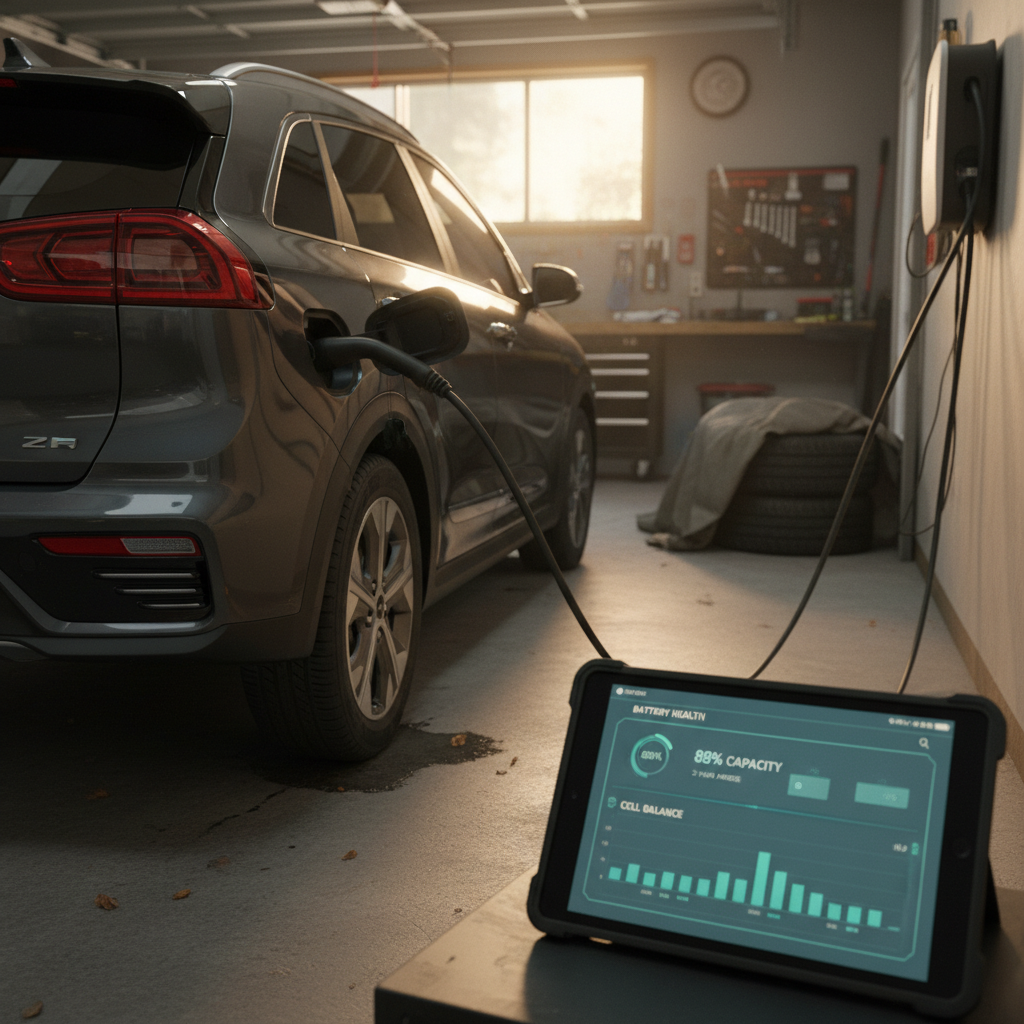
On a gas car, buyers obsess over oil change receipts. On a Tesla Model 3, the anxiety all revolves around the battery. The question behind every “Is this a good deal?” is really, “How much usable range am I getting, and for how long?” If you can answer that with data instead of vibes, you instantly separate your car from the herd.
Basic DIY battery signal
- Show a full‑charge estimate in the Tesla app or on the screen.
- Share a screenshot of projected range at 100% versus the car’s original EPA rating.
- Mention typical daily charging habits (e.g., 20–80% at home, very few DC fast‑charge sessions).
- Log recent software updates and any battery/warranty work in your description.
This is a bare minimum but better than saying nothing.
Independent battery health report
- Use an EV‑specific marketplace like Recharged that includes a Recharged Score battery health evaluation with your listing.
- Our diagnostics go deeper than the dash, translating data into an easy score and real‑world range estimates.
- Buyers get objective proof; you get a better negotiating position.
- In some states, clear disclosure of battery condition can also keep you on the right side of consumer‑protection rules.
Think of it as a Carfax, but for the most expensive component on the car.
Don’t hand‑wave battery health
Step‑by‑step checklist to sell your Tesla Model 3
From decision to money in the bank
1. Decide your priority: speed, price, or convenience
Be honest about what matters most. If you’re replacing your Model 3 next week and don’t want any drama, a trade‑in or instant offer might be fine. If you’ll grind a bit for an extra $2,000–$4,000, lean toward an EV marketplace or private sale.
2. Pull your data: VIN, mileage, options, history
Grab your registration, VIN, mileage, and a quick list of options (dual motor, Performance, FSD, winter package). Run a free vehicle history report if you don’t already have one. Clean history is a powerful bullet point in your listing.
3. Get a battery health baseline
At minimum, take photos or screenshots of a recent 90–100% charge and note your displayed range. For maximum credibility, list or sell through a platform like <strong>Recharged</strong> that includes a Recharged Score battery health report so buyers don’t have to guess.
4. Clean, detail, and photograph the car
Wash, vacuum, declutter, and touch up small cosmetic issues. Shoot photos in soft daylight from multiple angles: front‑three‑quarter, rear, sides, interior, screen, wheels, and close‑ups of any flaws so buyers feel you’re being transparent.
5. Get multiple offers, even if you won’t take them
Use Tesla’s trade‑in estimate, one or two instant‑offer sites, and an EV marketplace pricing tool to triangulate your car’s value. These numbers become your floor and give you confidence when buyers try to lowball you.
6. List the car where EV buyers actually shop
You can post on generic classifieds, but EV‑savvy buyers increasingly look at EV‑focused marketplaces like <strong>Recharged</strong> where battery health scores and fair‑market pricing are standard. That reduces the time you’ll spend explaining how DC fast charging works in your DMs.
7. Handle test‑drives and payments safely
Meet in public places, confirm driver’s licenses, and ride along on test‑drives. For payment, avoid personal checks and sketchy payment apps; use bank wires or cashier’s checks verified at the issuing bank. Marketplaces like Recharged can facilitate secure payments and paperwork for you.
8. Transfer ownership and reset the car
Once you’re paid, complete the title transfer and bill of sale per your state’s rules, cancel or update insurance, and remove the car from your Tesla account. Factory‑reset the infotainment system to wipe personal data and unlink it from your profile.
Common pitfalls when selling a Tesla Model 3
- Overpricing based on what you paid, not what the market offers. Tesla’s 2023–2024 price cuts reset the used market. Buyers don’t care what your sticker was; they care what else they can buy this weekend.
- Ignoring software and subscriptions. Be clear about what’s included and what’s not: FSD capability vs FSD subscription, Premium Connectivity, and any third‑party apps or wraps that won’t transfer.
- Hiding or minimizing accidents. With digital paper trails and Carfax, you’ll rarely keep that secret. Safer play: disclose it, price accordingly, and show repair invoices from reputable shops.
- Being vague about charging habits. Buyers increasingly ask: home Level 2 vs mostly Superchargers? Frequent 100% charges? Clear answers calm nerves.
- Sloppy communication. Slow replies, incomplete answers, and missing photos tell buyers you’ll be a headache. Organized responses, possibly through a marketplace that centralizes messaging, keep serious shoppers from drifting away.
Watch out for EV‑specific scams
Why consider selling your Model 3 through Recharged
Used EVs aren’t just used cars with batteries. They’re software‑defined products whose value lives or dies on invisible data, battery health, charging behavior, and how the car compares to thousands of similar vehicles. That’s why Recharged was built from the ground up around EVs instead of gas‑car templates with an “EV” checkbox bolted on.
What Recharged brings to your Model 3 sale
More transparency for buyers, less friction for you.
Recharged Score battery report
Fair‑market pricing tools
EV‑specialist support
Nationwide buyers & delivery
Paperwork & payment handled
Flexible ways to sell
Ready to find your next EV?
Browse VehiclesLocal to Richmond, VA?
FAQ: Selling a Tesla Model 3
Frequently asked questions about selling a Tesla Model 3
Bottom line on how to sell my Tesla Model 3
Selling a Tesla Model 3 in 2026 isn’t hard so much as it is unforgiving of laziness. The market moves fast, buyers are well‑informed, and battery health is non‑negotiable. If you’re willing to spend a little time getting your numbers straight, documenting the battery, and choosing the right channel, you can turn “sell my Tesla Model 3” from a worrying search query into a clean, confident exit, and free up cash for whatever’s next.
If you want the best of both worlds, near‑retail pricing without becoming a full‑time salesperson, consider selling through Recharged. Every Tesla Model 3 gets a Recharged Score battery health report, transparent fair‑market pricing, EV‑specialist support, and options ranging from instant offers to high‑visibility marketplace listings with nationwide buyers. That way, your Model 3’s story is told clearly, your buyer knows exactly what they’re getting, and you walk away with a number that actually feels good.