If you’re thinking, “How do I actually sell my electric car in West Virginia?” you’re not alone. EV registrations are growing here, but the market is still thin outside hubs like Charleston, Morgantown, and the Eastern Panhandle. That makes it even more important to choose the right selling strategy, price your car correctly, and handle West Virginia–specific paperwork the right way the first time.
West Virginia EV snapshot
Why selling an EV in West Virginia feels different
Smaller EV buyer pool
Compared with coastal states, West Virginia has fewer EV owners and fewer shoppers actively hunting for used electric cars. You may need to reach buyers beyond your town, or even out of state, to get strong offers.
But strong used-vehicle demand
At the same time, used-vehicle prices in many West Virginia cities have remained firm, especially on 1–5‑year‑old vehicles. For a clean, well‑priced EV with good range, that can translate into competitive offers if you market it correctly.
Think regional, not just local
Quick overview: your main options to sell an EV in WV
Four common ways to sell an electric car in West Virginia
Each option balances price, speed, and hassle differently.
Private sale
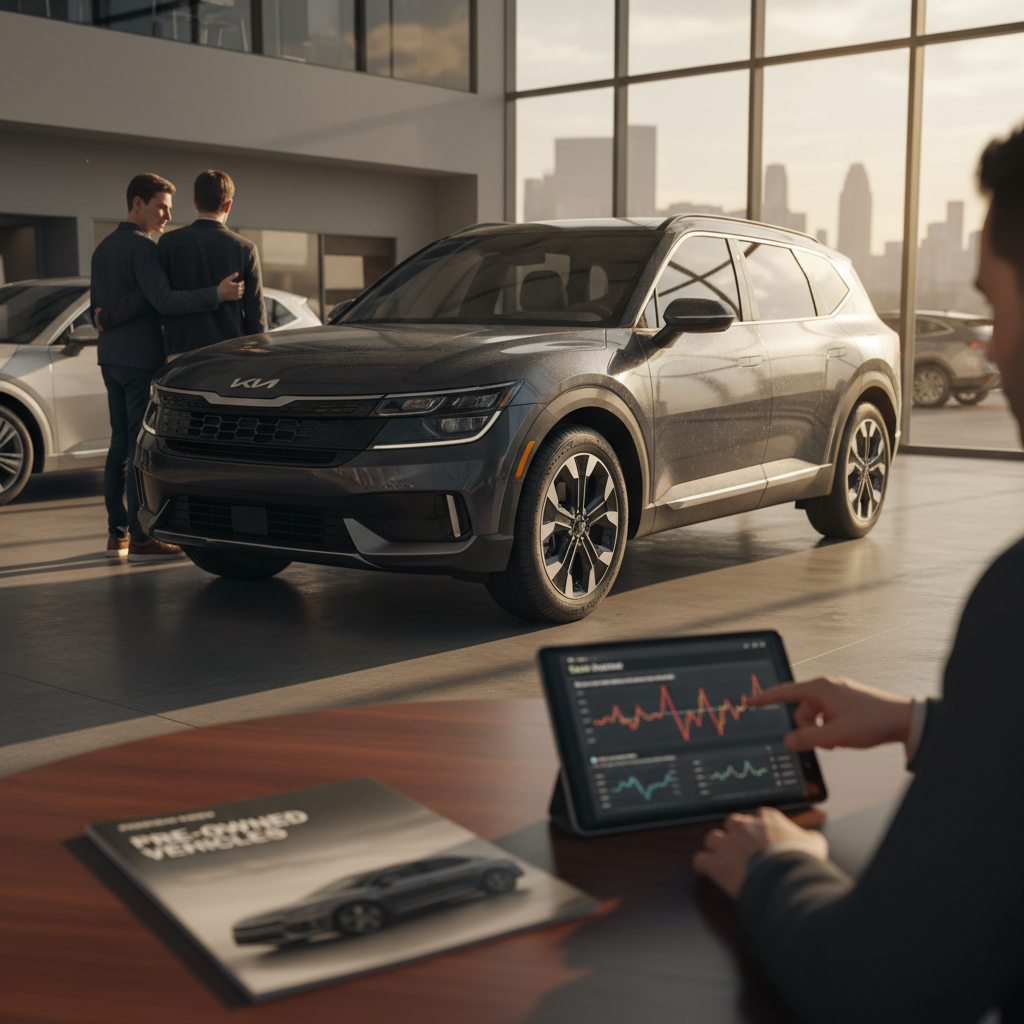
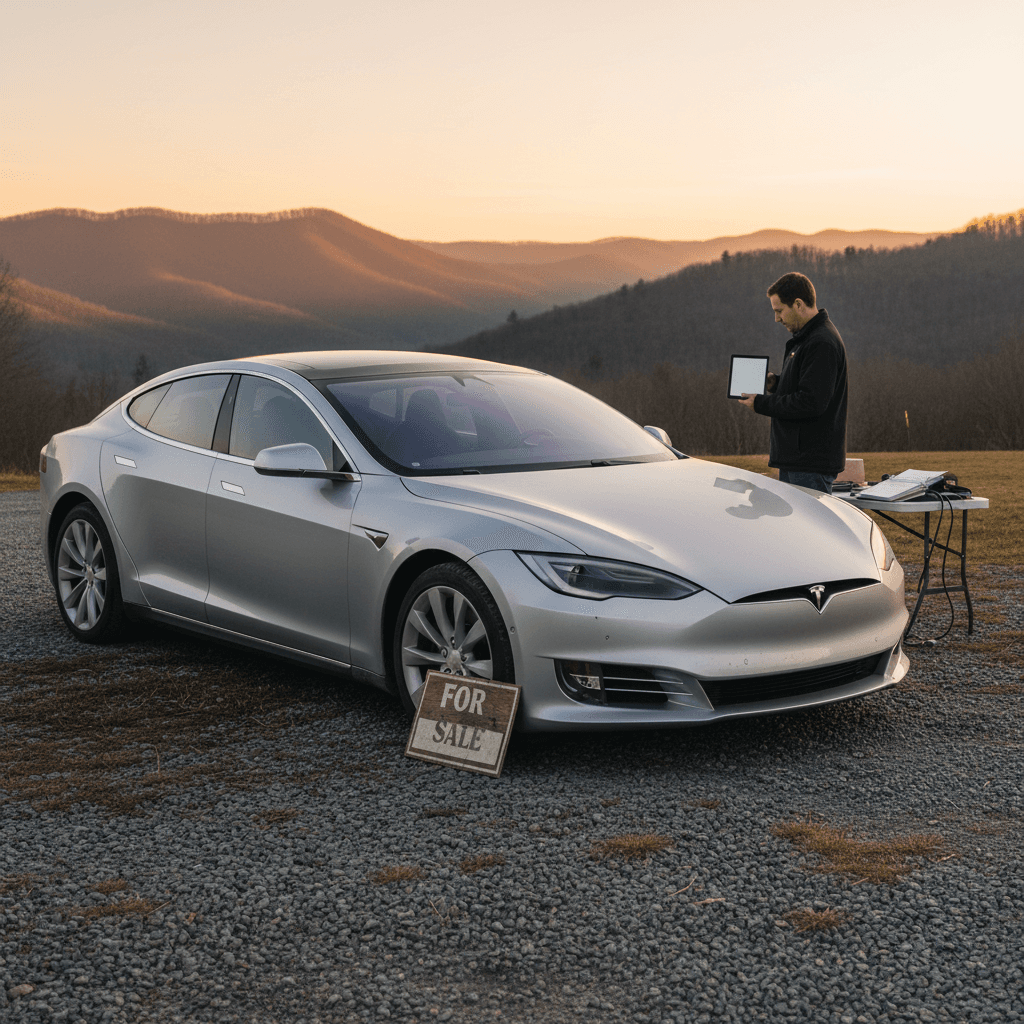
Best price potential if you’re willing to photograph, list, show, and negotiate the car yourself. Good when your EV is in demand (Tesla, Hyundai, Kia, Ford).
Dealer trade‑in
Fast and easy, but often the lowest offer, especially if the dealer rarely sells EVs or is worried about battery health.
Online cash offer
National buyers and EV‑focused platforms can bring more competition. You submit details online and compare instant or quick offers.
Consignment
You keep ownership while a licensed WV dealer markets the car and takes a fee. Good if you want dealer‑level exposure without a trade‑in.
Watch dealer EV inexperience
Step-by-step: how to sell your electric car privately in WV
Private-sale checklist for West Virginia EV owners
1. Gather service, charging, and battery records
Pull together maintenance history, tire receipts, software update notes, and any fast‑charging history you can document. For EVs, buyers care about how the battery’s been treated and whether the car has had regular checkups.
2. Order a battery health report if possible
A third‑party battery-health report, or Recharged’s own <strong>Recharged Score</strong>, can remove a lot of anxiety for non‑EV buyers and justify a stronger asking price.
3. Clean, photograph, and fix small issues
Detail the interior, wash the car, touch up obvious cosmetic flaws, and fix cheap items like wiper blades or cabin air filters. A clean EV signals careful ownership, which matters when buyers can’t see the battery itself.
4. Decide on your asking price and floor
Use several pricing sources, then set a realistic ask and a firm minimum you’ll accept. Remember: EVs can depreciate differently than gas cars, depending on model, range, and software features.
5. List the car with honest, EV‑specific details
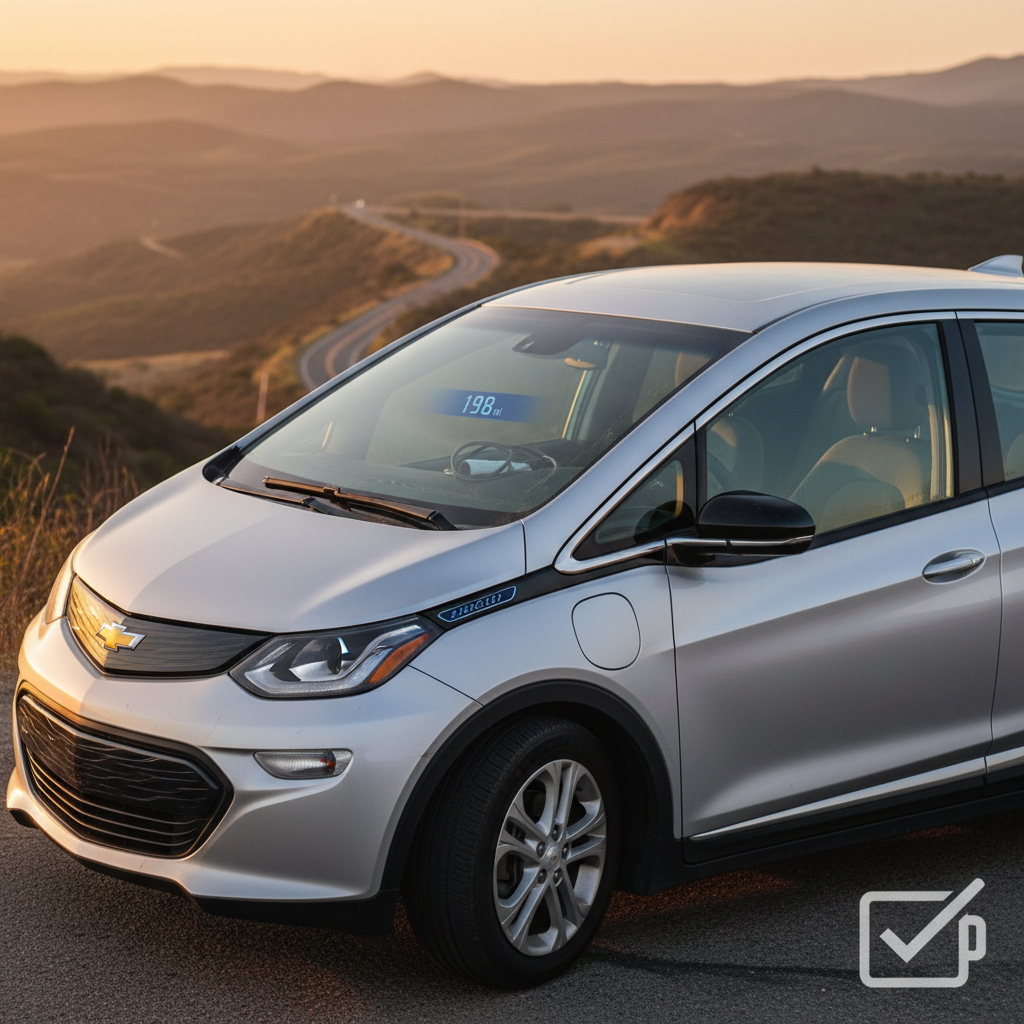
Highlight range, battery size (kWh), charging speed, connector type (CCS, NACS, CHAdeMO), and whether key software features are active. Be clear about any remaining warranties.
6. Meet buyers safely and offer test drives
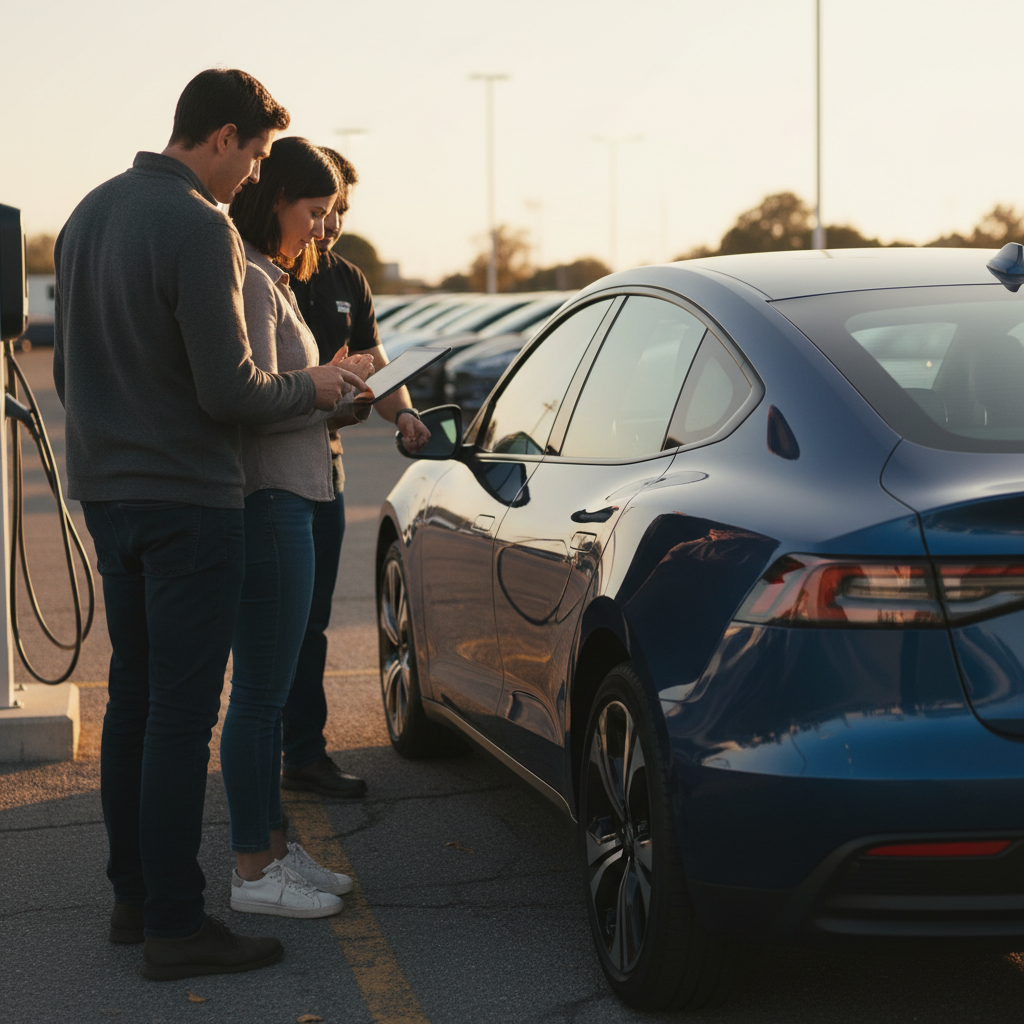
Choose daytime, public locations, often near a charging station, check proof of insurance for test drives, and ride along. Have your title and a draft bill of sale ready but don’t sign until you’ve been paid.
West Virginia paperwork: title transfer and bills of sale
Paperwork in West Virginia is straightforward if you prep ahead. The exact forms you’ll use depend on whether your title is paper or West Virginia’s newer Digital Title, and whether there’s still a lien on the car.
Key paperwork when selling an EV in West Virginia
Use this as a checklist before you list the car.
| Item | Who completes it | When it’s needed | Notes |
|---|---|---|---|
| Vehicle title (paper or digital) | Seller and buyer | At sale | Seller signs assignment; buyer fills buyer section and takes it to DMV. |
| Odometer disclosure | Seller | At sale | Required on most titles under 20 model years; often built into the title form. |
| Bill of sale | Seller and buyer | At sale | Good practice for every sale; may need to be notarized if price is far below market. |
| DMV "Sold Vehicle" notice | Seller | Right after sale | Optional but smart, form DMV‑1‑S or local equivalent to notify the state you no longer own the car. |
| Lien release | Lender | Before or at sale | If your lender held the title, you’ll need proof the lien is satisfied. |
Always confirm with the WV DMV or a local tag service for the latest forms and fees.