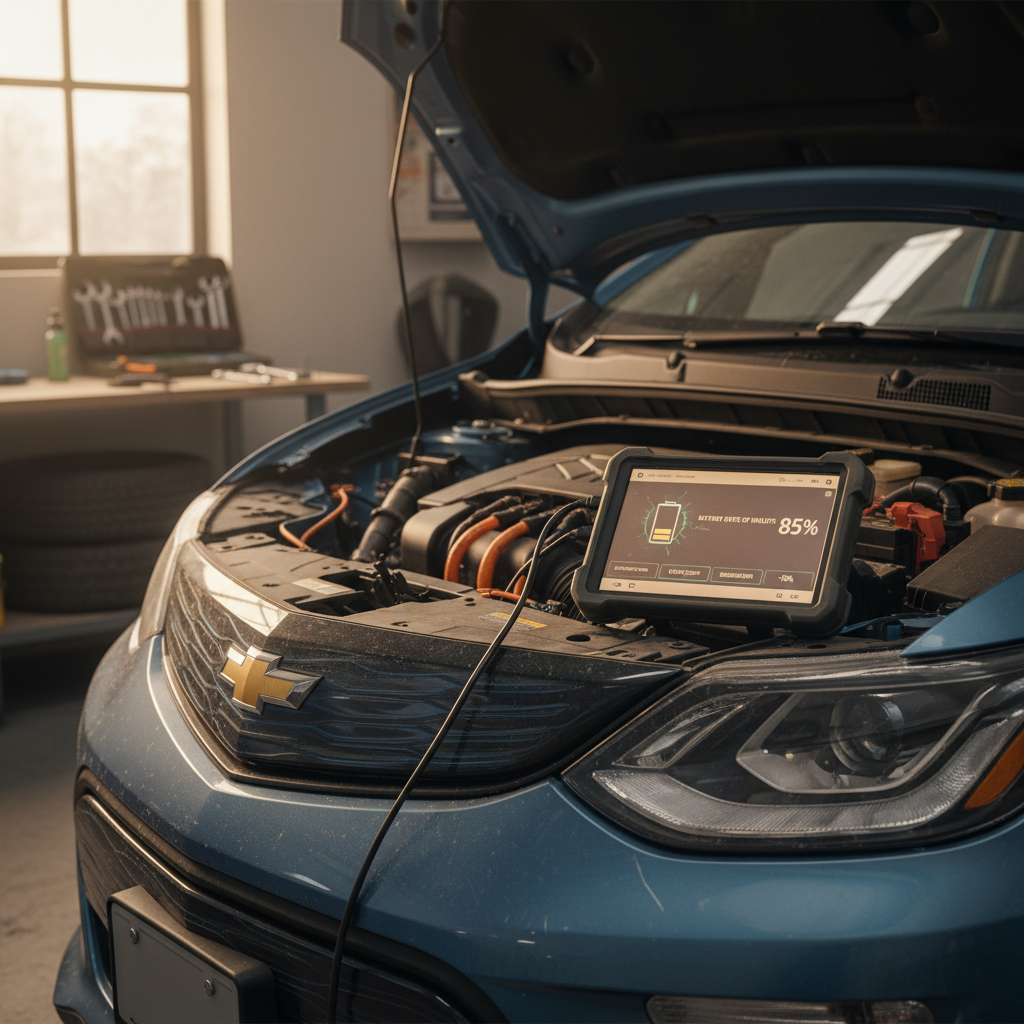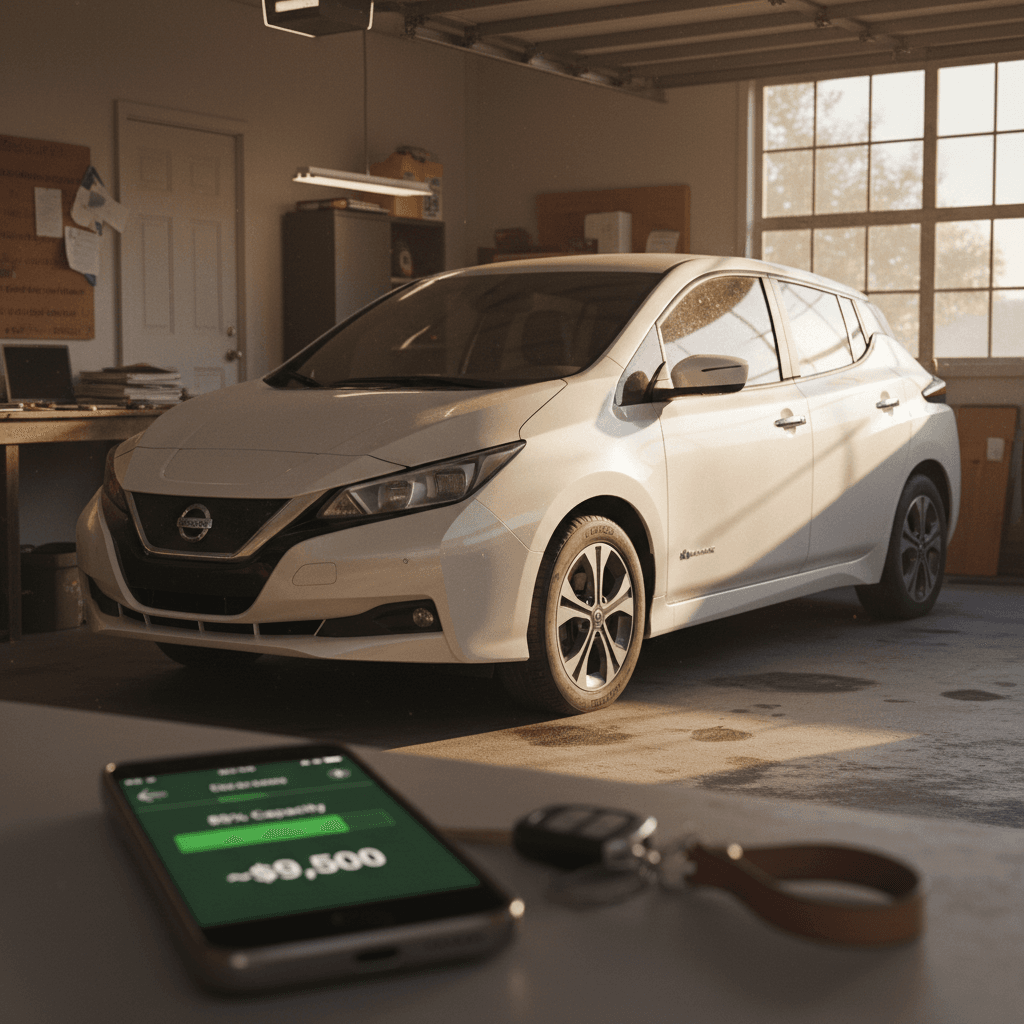
If you’re hunting for a reliable used EV under $10,000, you’ve probably seen two very different worlds: bargain‑bin Leafs with questionable batteries, and glossy dealer listings that somehow still want $18,000 for a six‑year‑old hatchback. The truth lives in the middle, and if you know which models, years, and batteries to chase, a ten‑grand EV can be a fantastic, low‑maintenance commuter or second car.
Good news for bargain hunters
Why $10k Used EVs Exist Now (And What’s the Catch?)
Between 2022 and early 2025, used EV prices in the U.S. fell sharply while gas cars held fairly steady. By late 2024, the average used EV price had dropped into the high‑$20,000s, and older, short‑range models, early Nissan Leafs, Fiat 500e, Chevy Spark EV, slid well under $15,000 and then under $10,000 in many markets. That’s how we get to today’s reality: a ten‑year‑old electric hatchback can cost less than a same‑year Corolla.
The Used EV Price Story in One Glance
The catch with cheap EVs
What “Reliable” Really Means for a $10k Used EV
With a budget EV, “reliable” isn’t about leather seats and fancy screens. It’s about a car that starts every morning, charges predictably, and matches your routine. Electric drivetrains are mechanically simple, so most of the drama lives in the battery, the onboard charger, and, for some cars, the cooling system that keeps the pack happy.
- Starts every day and charges without error codes or sudden shutdowns
- Maintains enough real‑world range for your daily drives, even in winter
- Has a battery that degrades slowly and predictably, not in big scary jumps
- Has replacement parts and service knowledge readily available
- Doesn’t surprise you with a four‑figure repair that wipes out your savings
Think range needs, not dreams
Most Reliable Used EVs Under $10,000: Shortlist
Exact prices move every month, but across late‑2024 to early‑2026 U.S. listings, a few models consistently show up under $10,000 and earn solid marks for reliability, if you buy the right years and battery. Here’s the core roster to focus on when you’re scrolling late‑night listings.
Core $10k EV Shortlist
These are the names you’ll see again and again when you filter by price and range.
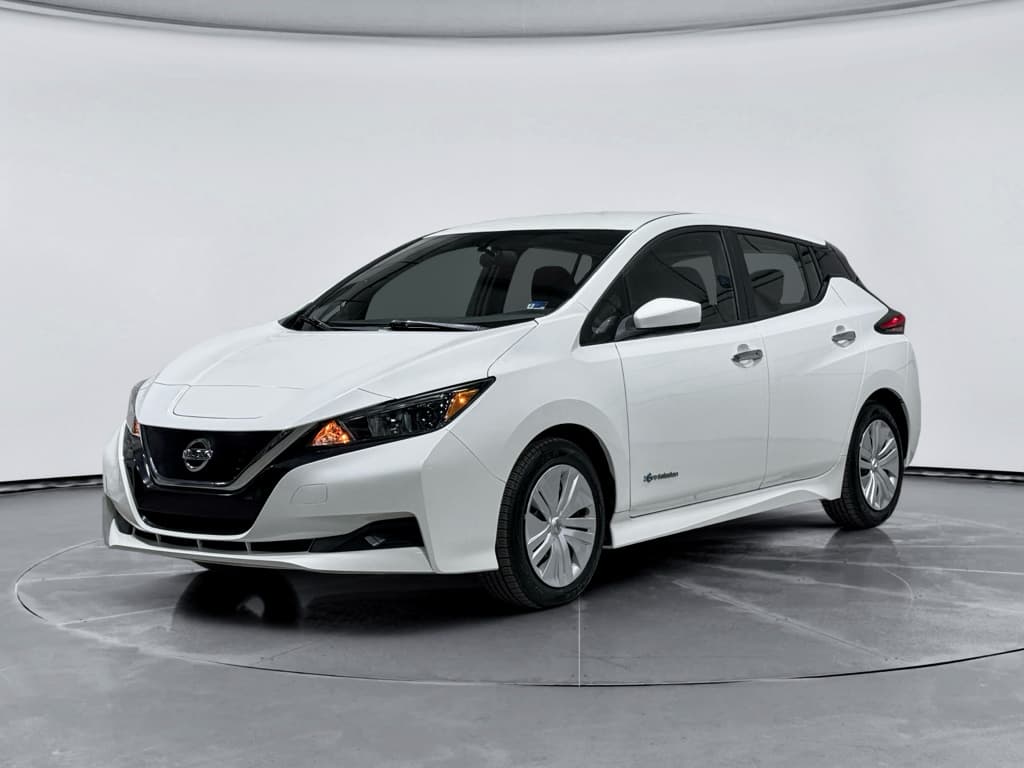
Nissan Leaf (2013–2018, 24–30 kWh)
The most common cheap EV in America. Simple, roomy, and easy to live with. The catch? Battery degradation varies wildly by climate and charging history.
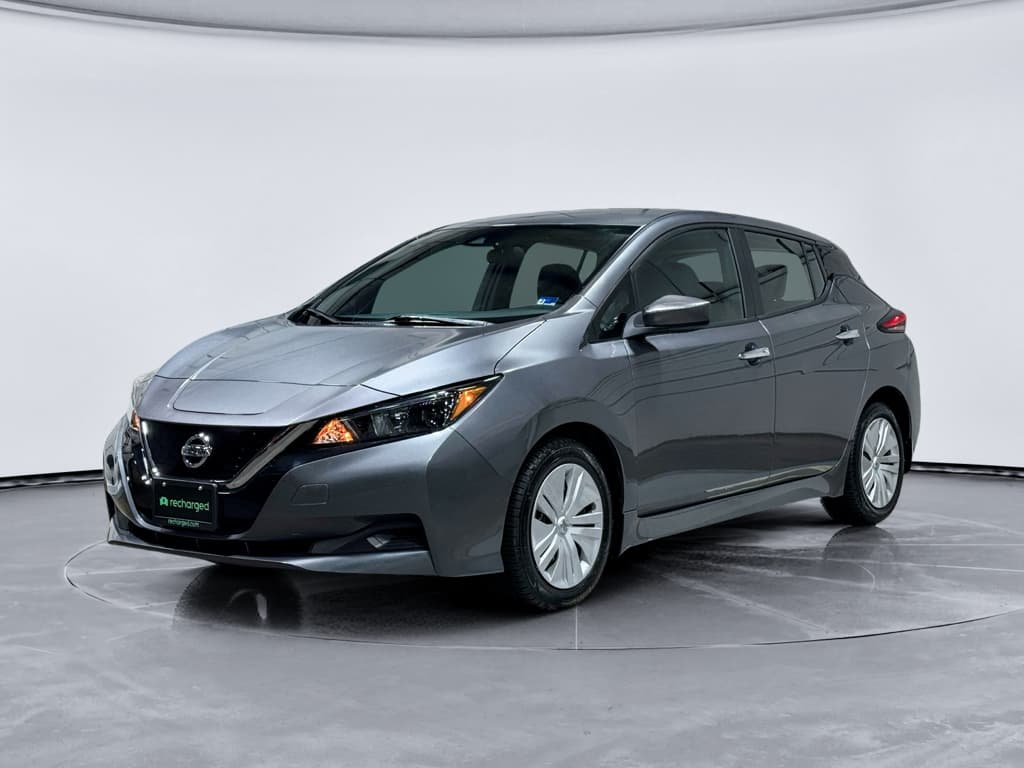
Nissan Leaf (2018–2019, 40 kWh)
Sometimes just under $10k with higher miles. More modern and safer than earlier cars, but 40 kWh packs have a mixed reputation, battery check is essential.
Chevy Spark EV (2014–2016)
Tiny, torquey city car. DC fast‑charging capable and surprisingly fun. Limited numbers outside West Coast markets, but generally solid when well cared for.
Fiat 500e (2013–2016)
California and Oregon special. Quirky and stylish, with enough range for city duty. Known for being durable if you can live with the small cabin and trunk.
Kia Soul EV (2015–2017)
Boxy practicality with a comfortable ride. Early packs can degrade in hot climates, but cars from cooler regions with good service history are gems.
BMW i3 (2014–2017 BEV)
Premium feel, lightweight carbon construction, and decent efficiency. Battery holds up well, but you’ll usually be at the top of the $10k range and shopping higher‑mile cars.
Where Recharged fits in
Ready to find your next EV?
Browse VehiclesModel Profiles: Pros, Cons, and What to Watch For
Nissan Leaf: The Budget EV Workhorse
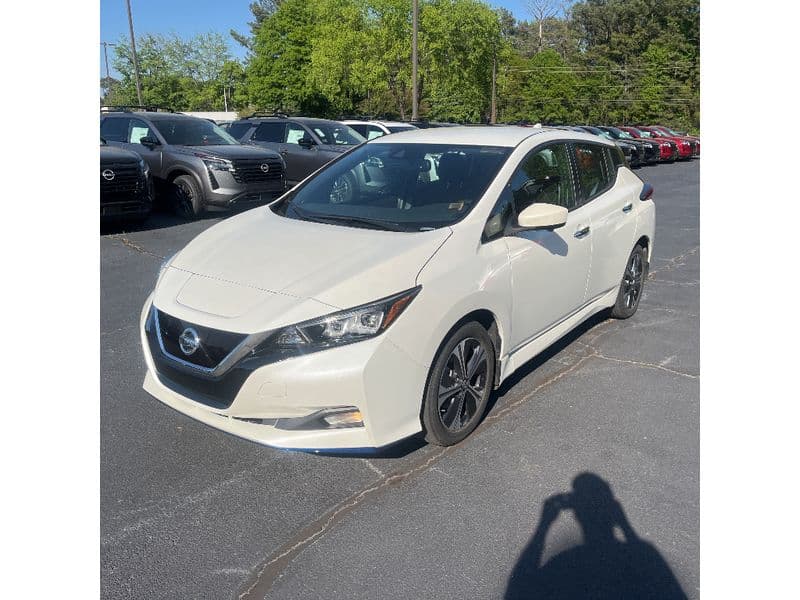
If the used EV market had a mascot, it would be the Nissan Leaf. It’s one of the most common electric cars ever built, and that volume means you can find dozens of Leafs under $10,000 nationwide, especially 2013–2017 models with the smaller 24 or 30 kWh packs.
Why it’s a great $10k buy
- Simple, proven drivetrain with very few moving parts.
- Comfortable for four adults with a real hatchback trunk.
- Abundant parts and independent shops familiar with the car.
- Later cars (30 kWh and 40 kWh packs) can still deliver 80–130 miles when healthy.
Where shoppers get burned
- Early Leafs (2011–2015) in hot climates often have heavy battery degradation.
- Listings rarely show true battery state of health (SOH).
- Some 40 kWh packs built in the late 2010s developed faster‑than‑expected wear.
- No active liquid cooling means heat and frequent DC fast‑charging can age the pack.
Leaf red flag to avoid
Chevy Spark EV: Tiny, Torquey, and Tough
The Chevy Spark EV is a little electric terrier, small, feisty, and surprisingly capable in city and suburban driving. Most were sold in California and Oregon, so availability depends heavily on where you live, but clean examples often slide under $10,000.
- DC fast‑charging on many cars, which is handy for occasional longer hops
- Fun, instant torque that makes it feel much quicker than the spec sheet
- Limited rear‑seat space and cargo, so it’s better as a commuter than a family hauler
- Low production numbers mean you’ll shop fewer cars and need to be patient
Fiat 500e: Style Over Space, But Surprisingly Solid
On paper, the Fiat 500e looks like a fashion experiment. In real life, it’s a tough little city EV with a loyal following. Many were leased in California, then scattered across the country as cheap used cars. Under $10k, you’ll find plenty of them with modest miles.
What owners love
Kia Soul EV: The Boxy All‑Rounder
If you want upright seating and real cargo space, the Kia Soul EV is worth hunting for. Early models paired a roughly 27 kWh pack with city‑friendly range and the familiar Soul shape. In cooler climates, these packs have aged decently; in consistently hot regions, degradation can be more noticeable.
- Excellent visibility and easy ingress/egress compared with low hatchbacks
- Comfortable around town and on short highway stretches
- Range is modest by modern standards, treat it as a commuter, not a highway cruiser
- Battery health varies: prioritize cars from milder climates with documented service
BMW i3 (BEV): Premium Feel on a Budget
The BMW i3 is the oddball genius of early EVs: carbon‑fiber structure, rear‑wheel drive, and a boutique interior. Fully electric (BEV) i3s from 2014–2017 are occasionally drifting into the $10k range, typically with higher mileage or in less‑flashy specs.
i3 buying pointers
Battery Health Matters More Than Year or Miles
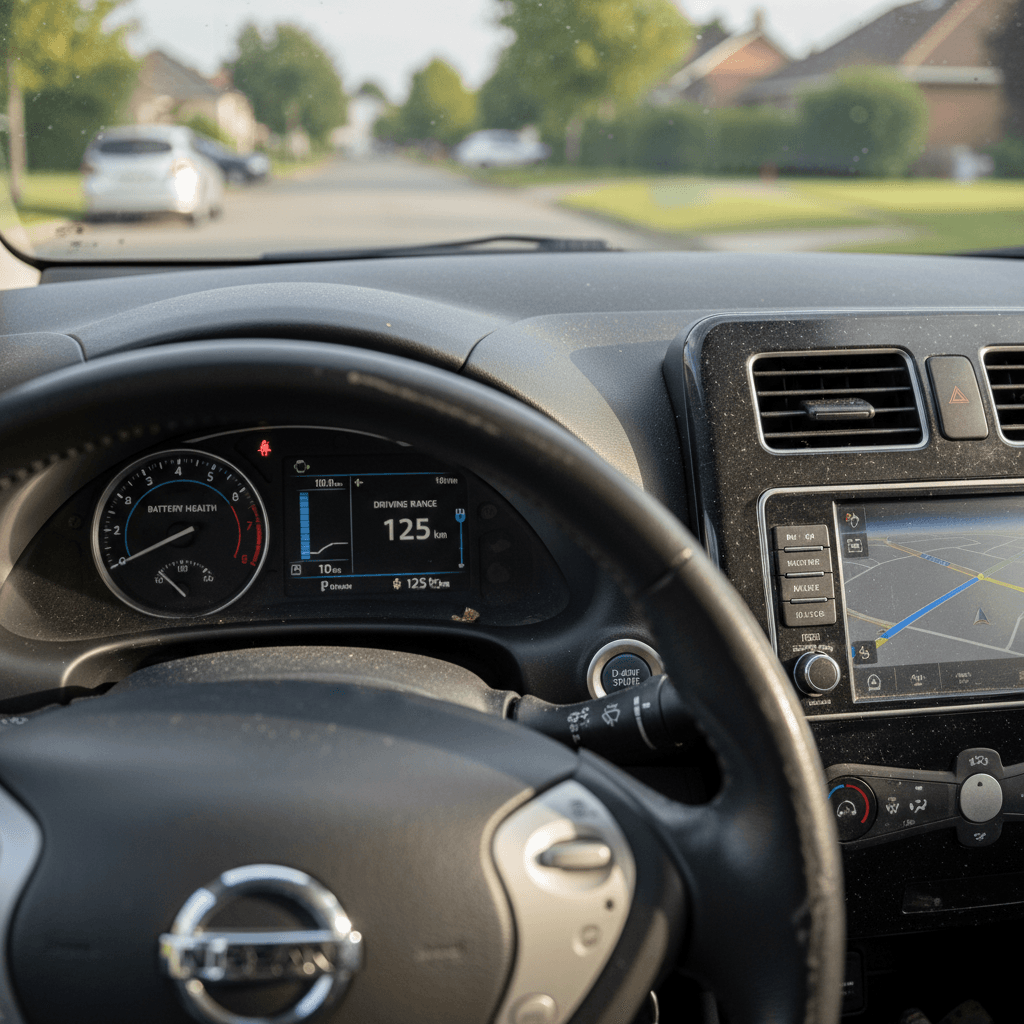
On a gas car, 150,000 miles can spell a tired engine and looming repairs. On an EV, you can have a motor and gearbox that still feel brand‑new at that mileage, but if the battery pack is tired, the car’s usefulness shrinks overnight. That’s why a 2015 Leaf with a strong pack can be a better buy than a newer one that’s been fast‑charged and cooked half to death.
How Cheap EV Batteries Age
Three simple truths that matter more than model‑year bragging rights.
Heat is the enemy
EVs that lived in very hot climates, parked outside, and stayed at high charge tend to lose capacity faster than cooler‑climate garage queens.
Charging habits matter
Daily fast‑charging and frequent 0–100% cycles are harder on the pack than gentle Level 2 charging and partial cycles.
Calendar aging is real
Even low‑mile cars lose some capacity simply with age. A ten‑year‑old pack won’t behave like it did in year one, no matter the mileage.
Why Recharged obsessively tests batteries
Battery Checks You Should Always Do
1. Scan the battery, don’t guess
Use a model‑specific app (like Leaf Spy for the Leaf) or a professional diagnostic to read state of health (SOH) and any trouble codes. If you’re buying from Recharged, this data is already in your report.
2. Compare advertised vs. real‑world range
On a test drive, reset the trip meter and watch how quickly miles of range drop versus miles driven. Large, lopsided swings can signal a tired pack or inaccurate estimation.
3. Look for even cell health
A scan tool or professional report can flag cells that are weaker than the rest. A car with one sick cell can behave fine today and then deteriorate quickly.
4. Ask about climate history
A car that spent its life in Phoenix parking lots faces different stress than one from Portland that slept in a garage. When in doubt, favor cooler‑climate cars.
5. Check charging behavior
Make sure the car charges normally on both Level 2 and, if equipped, DC fast‑charging. Flaky plugs, repeated charge faults, or extremely slow charging are reasons to walk away.
How to Shop Confidently for a Used EV Under $10k
Shopping the bottom of the price barrel doesn’t have to mean rolling the dice. The trick is to be ruthless about what you need the car to do, and equally ruthless about walking away from problem children. Here’s a simple roadmap for staying on the right side of that line.
Step 1: Be honest about your use case
Write down your real daily and weekly driving, not your road‑trip fantasies. If most days are 30–50 miles and you can plug in at home, a short‑range EV is perfect. If you routinely do 150‑mile highway days, you either need a higher‑budget EV or a gas backup car.
Step 2: Filter smartly
In your favorite marketplace, filter for EVs under $12,000, then sort by price and narrow to the models in our shortlist. That extra $1–2k in the search cap catches cars that you can sometimes negotiate down into your budget.
Step 3: Pre‑screen the problem cars
Ignore listings with very low range claims, missing photos of the dash, or vague descriptions like “charges fine most of the time.” Ask sellers for a photo of the battery/energy screen with the car fully charged.
Step 4: Get a real inspection
On a private‑party buy, book a pre‑purchase inspection with someone who actually understands EVs. When you buy through Recharged, our EV specialists have already done the heavy lifting and documented it in your Recharged Score Report.
Don’t spend all $10k on the car
Financing and Total Cost When You’re on a Tight Budget
One of the quiet joys of a sub‑$10k EV is how cheap it can be to own once you get it home. Electricity is typically cheaper per mile than gas, there’s no oil to change, and brake wear is low thanks to regenerative braking. But you still want to think like a spreadsheet before you fall for a low sticker price.
What Really Drives Cost Over 3–5 Years
Sticker price is just one line in the story.
Energy costs
Even short‑range EVs can save hundreds per year versus gas if you charge mostly at home, especially on off‑peak rates.
Maintenance & repairs
No timing belts or transmissions to fail, but budget for tires, suspension wear, and the occasional EV‑specific repair like a charge port or onboard charger.
Financing & fees
Shorter loan terms and modest interest can keep payments manageable. Buying through a retailer like Recharged may unlock better financing than a personal loan.
Ask about financing early
When a $10k EV Is the Wrong Tool for the Job
Nothing in this world is one‑size‑fits‑all, and that goes double for cheap EVs. Sometimes the honest answer is that a $10k electric car will make your life harder, not easier, and recognizing that before you sign papers is its own kind of win.
- You regularly drive long distances with no backup vehicle and sparse fast‑charging nearby.
- You can’t reliably plug in at home or at work, and public chargers near you are often crowded or broken.
- You live in an extreme‑cold climate and need long highway range in winter, when batteries lose a noticeable chunk of capacity.
- You’re expecting a $10k car to feel and behave like a brand‑new, 300‑mile crossover, emotionally understandable, but technically unrealistic.
If in doubt, step up a tier
Frequently Asked Questions About Reliable Used EVs Under $10k
Your $10k EV Questions, Answered
Bottom Line: Yes, a Reliable Used EV Under $10k Is Possible
A reliable used EV under $10,000 isn’t a unicorn, it’s just a car with modest range and a story you need to read carefully. Focus on the right models, insist on real battery‑health data, and be bluntly honest about your driving needs. Do that, and a ten‑grand EV can give you years of quiet, low‑drama commuting while gas prices and oil‑change coupons become somebody else’s problem.
If you’d rather not gamble, start your search with EV‑specialist retailers like Recharged, where every car’s battery is tested, every price is benchmarked against the real market, and EV experts can walk you through whether a particular Leaf, Soul EV, Spark, or i3 actually fits your life. Cheap doesn’t have to mean risky, it just means shopping with your eyes open.