If you live where snow sticks and temperatures plunge, you’ve probably heard horror stories about Porsche Taycan winter range loss. The truth is less dramatic, and far more manageable, than the headlines. The Taycan can be a superb four-season EV, but only if you understand what the cold does to its battery and how to drive around those limits.
Quick takeaway
Why Porsche Taycan range drops in winter
Cold weather doesn’t just make you shiver, it makes your Taycan’s battery work harder and less efficiently. Lithium-ion cells are like athletes that hate warming up; until they reach their happy temperature zone, they can’t deliver or accept power as easily. That means less range, slower charging, and higher energy use for heat.
- Battery chemistry slows down: In low temperatures, internal resistance rises, so it takes more energy to deliver the same power to the wheels.
- Cabin heating is energy-hungry: The Taycan doesn’t have waste engine heat to tap like a gas car, so it must burn battery energy to warm the cabin, seats, and steering wheel.
- Drivetrain and tires add drag: Winter tires, denser cold air, and heavier slush or snow increase rolling and aerodynamic resistance.
- Short trips are punishing: Repeated cold starts mean the battery and cabin never get a chance to stabilize at efficient temperatures.
Cold vs. permanent loss
Typical winter impact on Porsche Taycan range
How much winter range loss to expect in a Taycan
Let’s put some realistic numbers on this. Exact results vary by Taycan model, battery size, wheels, and how you drive, but you can use these ballpark figures to plan.
Estimated Porsche Taycan winter range by model
Approximate real-world winter range for common Taycan trims, assuming healthy batteries and typical mixed driving with heat on.
| Model / Battery | EPA Rated Range (approx) | Mild Winter (32–45°F) | Cold Winter (15–30°F) |
|---|---|---|---|
| Taycan 4S (Performance Battery) | 225 mi | ~175–185 mi | ~145–160 mi |
| Taycan 4S (Perf Battery Plus) | 260 mi | ~200–210 mi | ~165–185 mi |
| Taycan Turbo (Perf Battery Plus) | 240 mi | ~185–195 mi | ~155–170 mi |
| Taycan RWD (Perf Battery Plus) | 270 mi | ~210–220 mi | ~175–190 mi |
Numbers are estimates for planning, not lab-tested values. Your results will vary with speed, temperature, elevation, and tire choice.
Think in ranges, not a single number
City vs. highway: How winter affects Taycan range differently
City & suburban driving
At lower speeds with frequent stops, your Taycan can recover energy through regenerative braking, which helps offset winter losses. However, in very short trips, the battery and cabin never fully warm up, so a big chunk of energy goes just to heating.
- Best case for range once everything is warm.
- Worst case if you only take 5–10-minute trips from a cold start all day.
Highway driving
On the highway, aerodynamic drag and rolling resistance dominate. Cold air is denser, snow builds resistance, and you can’t recapture much energy with regen because you’re cruising steadily.
- Higher sustained speeds dramatically shorten range.
- Expect the biggest percentage drop in winter range on long freeway runs, especially above 70 mph.
Speed is your secret winter range knob
Features that help (or hurt) Taycan winter range
Key Taycan features that matter in the cold
Some options are winter heroes. Others quietly nibble away at your battery.
Heat pump (option on many trims)
A heat pump is far more efficient than traditional resistance heaters at moderate cold temperatures. If your Taycan has it, you’ll generally see less winter range loss in the 25–45°F band.
Wheel & tire choices
Big wheels and sticky performance tires look spectacular but hurt efficiency. For true winter driving, a set of narrower wheels with proper winter tires can improve grip and slightly reduce consumption in snow and slush.
Seat & wheel heaters
Heated seats and steering wheel use much less energy than cranking cabin heat. You stay comfortable without roasting the whole cabin, great for stretching range on cold commutes.
Departure timers & preconditioning
Using departure timers lets the Taycan preheat the battery and cabin while plugged in. That means you leave with a warm pack and full charge, instead of burning through energy in the first 10 minutes of your drive.
Battery temperature management
The Taycan can heat the battery for better performance and DC fast charging. It’s good for speed and drivability, but it does cost energy. Preheating while plugged in is always the better move.
Driving modes
Sport and Sport Plus keep the car more responsive and can run the climate and battery conditioning more aggressively. For range, Normal mode is usually the sweet spot in winter.
Real-world winter scenarios for Taycan owners
The numbers are useful, but what you really want to know is: will my Taycan handle the way I live? Let’s walk through a few typical winter scenarios and how they play out behind the wheel.
Common Taycan winter driving scenarios
1. 20-mile daily commute, garage parking
You start with a warm, plugged-in Taycan in a home garage, drive 20–30 miles round-trip on mixed roads, and plug back in at night. Even in serious cold, you’re well within the car’s comfort zone. Expect some range loss, but it won’t affect your routine.
2. 150–180-mile weekend visit to family
This is where winter planning matters. A Taycan 4S with a healthy battery can usually handle a 150-mile highway run in moderate cold, but you should <strong>plan a fast-charge stop</strong> if temps are in the teens or lower, especially on return.
3. Ski-trip highway slog with four people & gear
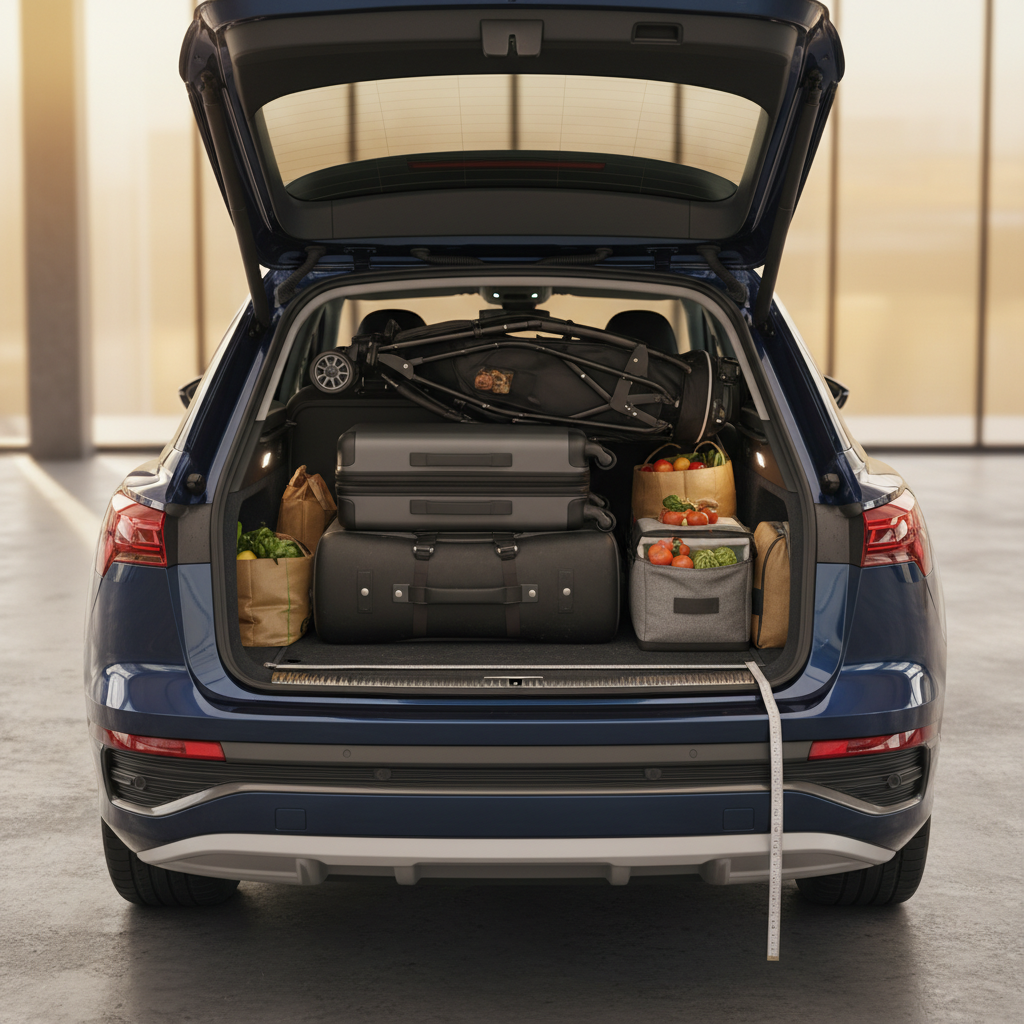
Load up the car, set the climate to cozy, run at 75 mph in 20°F weather, and you’ll see real consumption. Your Taycan will still get you there, but you’ll likely need <strong>more frequent charging stops</strong> than in summer.
4. Street parking in deep freeze
If your Taycan lives outdoors without access to a plug, it will slowly use energy to keep the battery within safe limits. You’ll see <strong>more overnight drain</strong> and need to drive gently until the pack warms up.
5. Stop-and-go in a snowstorm
Creeping along in a traffic jam isn’t as bad for EVs as it is for gas cars, but if you’re sitting for hours with high heat, range will take a hit. Use seat and wheel heaters, lower cabin temp a notch, and monitor your state of charge.
Don’t ignore state of charge in winter storms
Used Porsche Taycan: What winter drivers should look for
Shopping for a used Taycan and wondering how it will behave in December, not just June? Winter adds a few extra questions to your checklist, but it also plays to the Taycan’s strengths: all-wheel drive (on many trims), precise traction control, and serious braking.
Winter-specific checks for a used Taycan
A little homework now can save a lot of frustration on the first cold snap.
Battery health & real-world range
Ask for data showing the current usable battery capacity. Tools like the Recharged Score Report summarize pack health and real-world range, so you’re not guessing how the car will perform after a few winters.
Winter tire and wheel setup
Does the car come with a second set of wheels wearing proper winter or all-weather tires? That’s a big plus in snowbelts and can improve both safety and confidence.
Heat pump and cold-weather options
Confirm whether the specific Taycan you’re considering has a heat pump and heated steering wheel. They’re not mandatory, but they’re very nice to have when temperatures drop.
Charging history & usage patterns
Frequent DC fast charging in hot climates can age a battery faster than gentle home charging in temperate zones. A transparent history, like what you get in a Recharged Score battery report, helps separate a healthy pack from a hard-used one.
How Recharged helps winter shoppers
Ready to find your next EV?
Browse Vehicles10 tactics to cut Taycan winter range loss
You can’t change physics, but you can stack the deck in your favor. These are practical, real-world tweaks that actually move the needle for Taycan owners in cold climates.
Practical steps to improve Taycan winter range
1. Precondition while plugged in
Use the Taycan’s departure timer so the battery and cabin are warmed before you unplug. This moves the biggest energy hit off the road and onto your home or public charger.
2. Favor seat and wheel heat over blasting the cabin
Turn on heated seats and steering wheel, then lower the cabin target temperature a couple of degrees. You stay comfortable while using far less energy.
3. Dial back speed on the highway
A small speed reduction, say, from 75 mph to 65 mph, can significantly improve winter range, especially in strong crosswinds or very low temps.
4. Use Normal driving mode for range
Sport modes are great fun, but in winter they can encourage more aggressive acceleration and climate use. Normal mode balances performance and efficiency.
5. Keep tires properly inflated
Cold air shrinks tire pressure. Underinflated tires increase rolling resistance and wear. Check and adjust pressures when seasons change.
6. Avoid unnecessary roof boxes or racks
Anything bolted to the roof hits efficiency hard, especially at highway speeds. If you’re not actively skiing or hauling cargo, remove the box.
7. Combine errands into longer trips
Short, repeated drives from a cold start are the enemy. Batch your errands into one longer trip so the battery and cabin stay warm.
8. Park indoors or in sheltered spots when you can
A garage, even an unheated one, helps keep the car and battery closer to a moderate temperature, which improves both range and charging behavior.
9. Don’t obsess over 100% charges
For day-to-day winter use, charging to about 80–90% is usually fine. Save full 100% charges for long trips where you genuinely need the range.
10. Keep software up to date
Porsche continues to refine software for range and charging behavior. Make sure your Taycan has the latest updates installed before winter sets in.
Don’t overdo manual battery heating
Fast-charging a Taycan in the cold
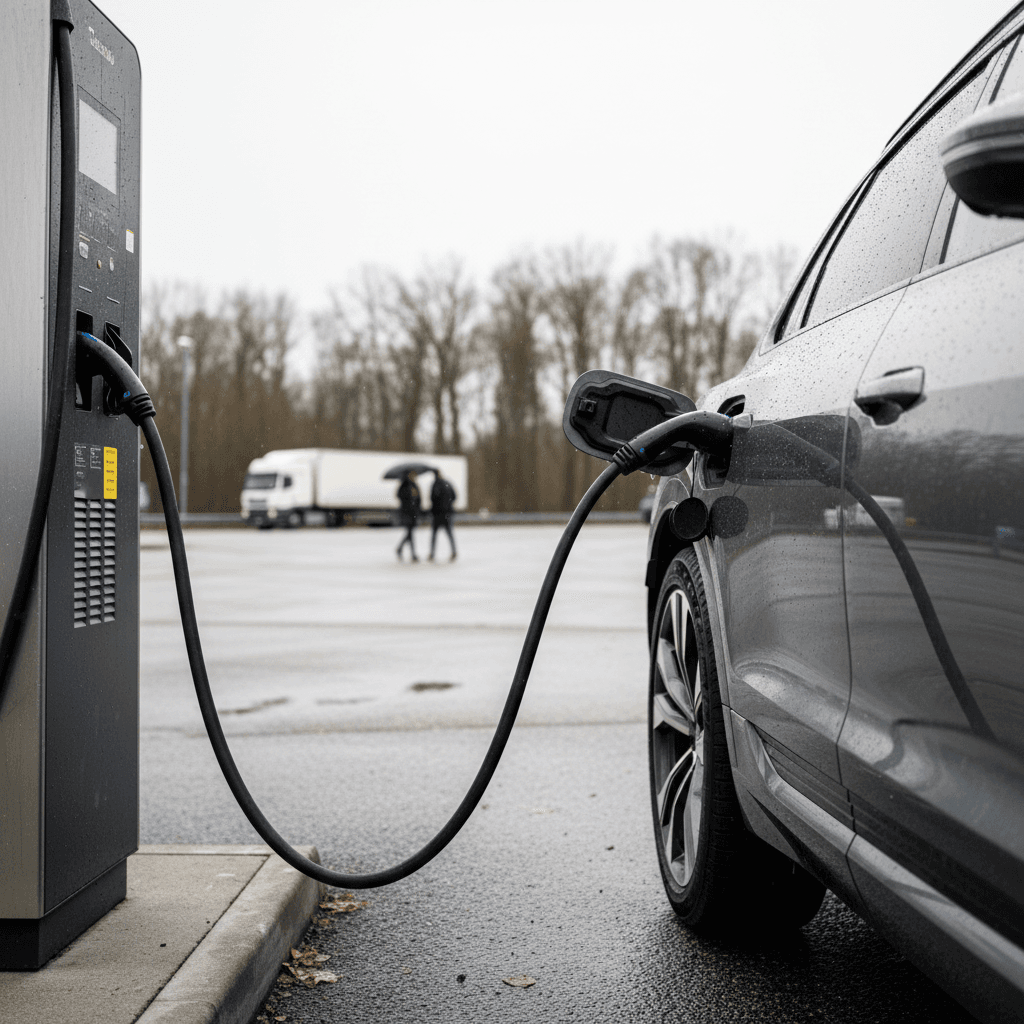
One of the joys of the Taycan is its high-speed DC fast charging capability. In ideal conditions, it can charge very quickly at high-power stations. Cold weather doesn’t take that away, but it does change how often you’ll see those headline numbers.
What changes in winter
- Colder batteries charge slower: If the pack is cold-soaked, the car will limit charging power to protect the cells.
- Preconditioning helps a lot: If you set a fast charger as your destination in the navigation system, the Taycan can warm the battery on the way.
- Higher consumption = more stops: Because you’re using more energy per mile, you may need to stop a bit more often on long winter drives.
How to get the best winter fast-charge experience
- Arrive at the charger with 10–30% state of charge for the fastest ramp-up.
- Use the navigation system’s “charging stop” feature to allow automatic battery preconditioning when available.
- If the car’s been sitting outside in the cold, drive gently for 15–20 minutes before fast charging so the pack begins to warm up.
Plan winter road trips around reliable fast chargers
FAQ: Porsche Taycan winter range loss
Frequently asked questions about Taycan winter range
Bottom line: Living with a Taycan in winter
Winter doesn’t turn the Porsche Taycan into a fragile garage queen, it just changes the rules of the game. You’ll burn more energy for heat, see steeper range penalties at highway speeds, and need to think a little more about charging stops when the mercury dives. But with preconditioning, smart use of climate controls, and realistic trip planning, a Taycan can be a confident, capable all-weather EV.
If you’re considering a Taycan, especially a used one, and you live where snow is a season, not an event, focus on battery health, winter equipment, and charging access. At Recharged, every EV comes with a Recharged Score battery health report, transparent pricing, and EV specialists who can talk you through what winter will really look like with that specific car. That way, when the first big storm hits, you’re not wondering whether your Taycan can handle it, you already know it can.