If you’re considering a Porsche Macan Electric, or already have one on order, understanding its maintenance schedule is one of the smartest ways to protect your investment. The Macan EV doesn’t need oil changes, spark plugs, or timing belts, but that doesn’t mean it’s maintenance‑free. This guide walks you through the typical Porsche Macan Electric maintenance schedule, what actually gets serviced, and how to keep costs in check, especially if you’re eyeing a used example.
Important note on Porsche schedules
Porsche Macan Electric maintenance overview
The Macan Electric is built on Porsche’s latest EV platform, so its maintenance philosophy looks much closer to a Taycan than to a gas Macan. Most routine service revolves around inspections, cabin filters, brake fluid, and wear items like tires and wiper blades. The high‑voltage battery, motors, and power electronics are largely sealed systems that primarily require periodic checks rather than regular part replacements.
What’s different about Macan Electric maintenance?
Less engine work, more focus on battery and software
No engine service
High-voltage system checks
Software-driven updates
Quick rule of thumb
Macan Electric service interval basics
While final U.S. documentation for the Macan Electric may vary slightly by model year, Porsche typically uses time‑based and mileage‑based triggers for EV service. That means you’ll see a combination of annual inspections and specific mileage markers where additional work is recommended.
- Annual or biannual general inspection (safety, chassis, lights, software, etc.)
- Cabin air filter replacement every 2 years or so
- Brake fluid change roughly every 2 years
- High‑voltage battery and cooling system inspection at multi‑year intervals
- Air-conditioning service and desiccant replacement at longer intervals (often 4–6 years)
- Regular checks of tires, brakes, and suspension based on wear and driving style
Follow time limits, not just miles
Porsche Macan Electric maintenance schedule by mileage
Until the full factory schedule is available for every model year, it helps to think about the Macan Electric maintenance schedule in practical ownership stages. Below is a representative outline based on Porsche’s typical EV approach and what we’ve seen on comparable models. Use it as a conversation starter with your service advisor.
Illustrative Porsche Macan Electric maintenance schedule
A high-level view of common checks and services over a typical ownership window. Always verify the exact requirements in your owner’s manual.
| Time / Mileage | Key services | Notes |
|---|---|---|
| 12 months / ~10,000–12,000 mi | General inspection, software / diagnostic check, tire rotation, fluid level checks | May include cabin filter replacement depending on climate and usage. |
| 24 months / ~20,000–24,000 mi | General inspection, cabin air filter, brake fluid replacement, tire rotation | First major EV service touchpoint for many owners. |
| 36 months / ~30,000–36,000 mi | Inspection, underbody and suspension checks, tire rotation, alignment check if needed | Good time to assess tire and brake wear. |
| 48 months / ~40,000–48,000 mi | Inspection, brake fluid, cabin filter, HVAC and battery cooling system checks | Often when A/C service and deeper EV checks come into play. |
| 60 months / ~50,000–60,000 mi | Inspection, tires and brakes likely due depending on driving style | High‑mileage drivers may see earlier tire and pad replacement. |
| 8–10 years | High‑voltage battery health evaluation, cooling system inspection, underbody corrosion check | Major long‑term EV health milestone, especially on used vehicles. |
This table summarizes the rhythm of Macan Electric maintenance; specific details may vary by model year and market.
Use your in-car reminders
How Macan Electric maintenance compares to a gas Macan
If you’re cross‑shopping a Macan Electric against a gas Macan, or trading in a gas Porsche for the EV, maintenance costs and hassle are probably on your mind. The big story is simple: EVs typically need fewer services but can still be expensive at the dealer level, especially on a premium badge like Porsche.
Macan Electric
- No oil changes or engine tune‑ups.
- Fewer moving parts in the drivetrain.
- Focus on software, inspections, and brake fluid.
- Brake wear is often lower thanks to regenerative braking.
- Battery and high‑voltage checks at longer intervals.
Gas Macan
- Regular oil and filter changes.
- More complex engine, exhaust, and fuel systems.
- Spark plugs, belts, and other wear items over time.
- More frequent fluid services (transmission, differential, etc.).
- Similar tire and brake wear patterns under spirited driving.
Upside for long-term owners
Battery health, inspections, and long-term care
The high‑voltage battery is the most valuable component in the Porsche Macan Electric, so it earns special attention in the maintenance schedule, even if it isn’t being taken apart or replaced during normal service. Instead, Porsche relies on diagnostic checks, thermal management, and software to keep the pack healthy.
Why battery-friendly habits matter
- Avoid frequent DC fast‑charging from very low (near 0%) to 100%, especially in extreme heat.
- For daily commuting, set the charge limit to around 70–80% if your schedule allows.
- Park in the shade or a garage when possible to limit temperature swings.
- Let the car manage battery preconditioning before fast‑charging on road trips.
- Have high‑voltage and cooling systems inspected on schedule, especially once the car is 6–8 years old.
Battery diagnostics on used Macan EVs
Brakes, tires, and fluids on the Macan Electric
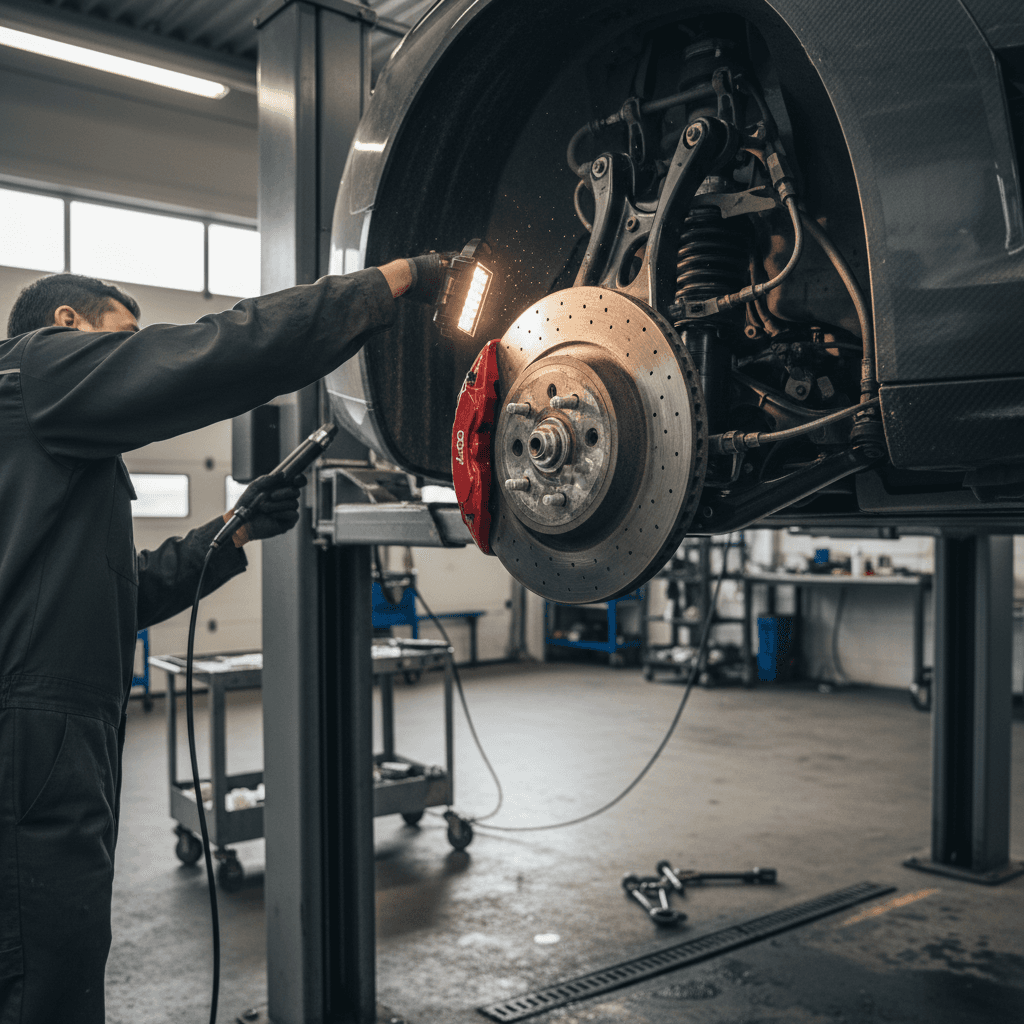
Macan Electric owners sometimes assume that because the drivetrain is simpler, everything else is low‑maintenance too. The reality is that a heavy, powerful electric SUV can be harder on tires and suspension than a smaller, lighter EV, and that’s before you factor in spirited Porsche driving habits.
Key wear items you’ll still service
These components define the real‑world cost of ownership
Tires
Brakes
Fluids & filters
Don’t skip alignments
Expected maintenance costs and how to save
Exact pricing will vary by dealer, region, and whether you’re under a prepaid maintenance plan, but it’s fair to say that Porsche service rates are premium. The flip side is that there are fewer line items on a Macan Electric invoice compared with a gas Macan over the same mileage.
Where the money goes
- Scheduled inspections (labor time).
- Brake fluid and cabin filters every 2 years.
- Tires every 20,000–35,000 miles (more with aggressive driving).
- Potential rotor and pad replacement over time.
- Occasional software or hardware campaigns outside of warranty.
Ways to keep costs in check
- Compare quotes from multiple authorized Porsche centers.
- Rotate tires on schedule and watch tire pressures.
- Consider a prepaid maintenance package if you prefer fixed costs.
- Handle simple items (wipers, cabin air filter) at a trusted independent shop once out of warranty, if allowed by Porsche guidance.
- Use scheduled visits to catch small issues before they become big ones.
Leverage used EV transparency
Ready to find your next EV?
Browse VehiclesMaintenance checklist for a used Porsche Macan Electric
If you’re shopping the used market, the Macan Electric’s maintenance story becomes even more important. You’re not just buying a luxury SUV, you’re buying how well the previous owner followed the schedule and treated the battery. Use this checklist to separate well‑cared‑for examples from risky ones.
Used Macan Electric maintenance & condition checklist
1. Confirm service history
Ask for complete service records from Porsche or a reputable shop. Look for regular inspections, brake fluid services, and any software campaigns or recalls performed on time.
2. Review battery health data
Request objective <strong>state‑of‑health</strong> information for the high‑voltage battery. At Recharged, this is baked into the Recharged Score Report so you can compare vehicles on more than just mileage.
3. Inspect tires and brakes
Uneven tire wear or heavily worn brakes on a relatively low‑mileage Macan Electric can hint at hard use, poor alignment, or deferred maintenance. Factor replacement costs into your offer.
4. Check for warning lights and software status
During a test drive, watch for any EV system, battery, or driver‑assistance warnings. Ask whether the vehicle has received the latest software updates and campaigns from Porsche.
5. Look underneath the vehicle
Have a qualified technician look for underbody damage, corrosion, or impact marks near the battery enclosure and suspension mounting points, especially on vehicles driven in harsh climates.
6. Verify charging behavior
If possible, plug the vehicle into AC and DC fast chargers. Confirm that it charges properly, reports realistic range, and doesn’t show unexpected charging errors.
When you’re buying a premium EV like the Macan Electric, the right maintenance history and battery health can be worth far more than a few thousand miles on the odometer.
Porsche Macan Electric maintenance FAQ
Frequently asked questions about Macan Electric maintenance
The Porsche Macan Electric rewrites the traditional SUV maintenance script. Instead of frequent oil changes and engine work, you’re looking at a predictable rhythm of inspections, brake fluid and filter changes, plus careful attention to tires, alignment, and battery health. If you stay ahead of the schedule, and choose a used Macan EV with documented service and strong battery diagnostics, you can enjoy Porsche performance with lower day‑to‑day maintenance hassle. When you’re ready to compare Macan Electric listings against other luxury EVs, Recharged can help you line up vehicles by battery health, fair market pricing, and projected ownership costs, so you know exactly what you’re getting into before you click “buy.”