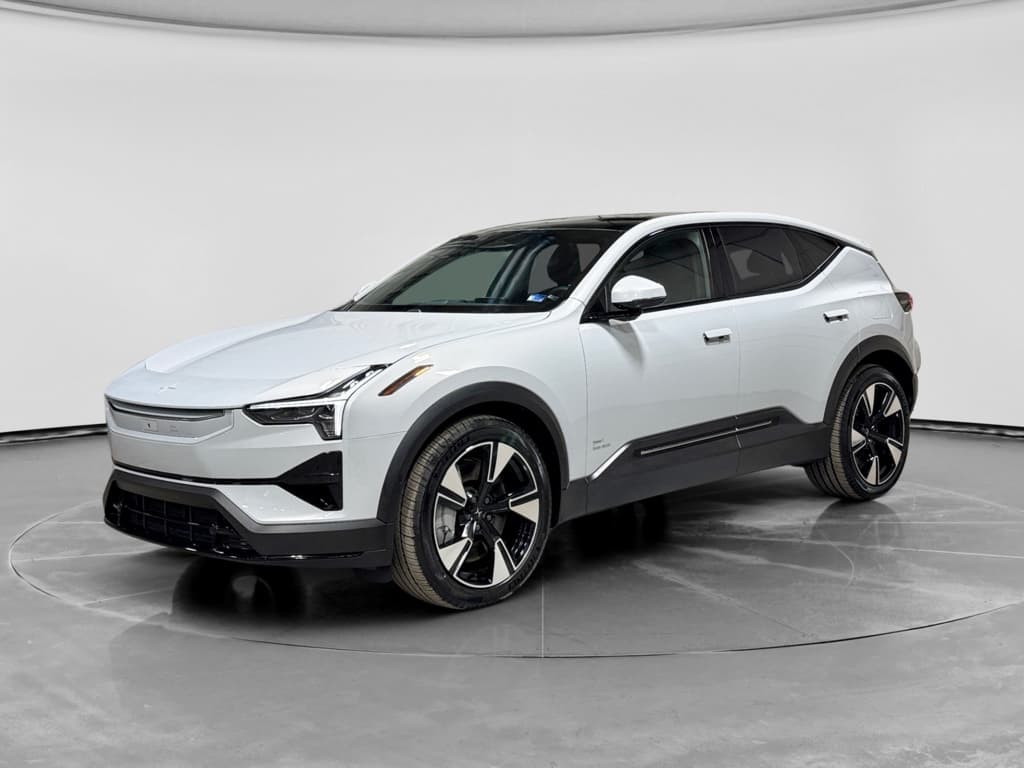
If you bought a Polestar 3 early, 2026 is the first year you’re seriously thinking about what it’s worth. With luxury EV prices moving fast and new incentives reshaping the market, understanding your Polestar 3 trade in value in 2026 can easily be the difference between leaving thousands on the table and walking away with a strong deal.
2026 is a turning point for Polestar 3 values
Polestar 3 trade-in value in 2026: quick overview
Polestar 3 value snapshot for 2026
No one can quote a single, universal 2026 trade-in number for a Polestar 3, the model is still new, and there isn’t a long resale track record yet. But we can triangulate from current Polestar 3 pricing, luxury EV depreciation data, and how dealers are treating high-end electric SUVs to build realistic value bands you can use when you walk into a showroom or start a quote online.
What a Polestar 3 costs new vs used in 2026
To understand trade-in value, you have to start with what a new Polestar 3 costs in 2026 and how fast comparable EVs are losing value.
Polestar 3 pricing context heading into 2026
Approximate US pricing bands for new and emerging used Polestar 3s and rival luxury EV SUVs in 2026. These are directional ranges, not formal offers.
| Vehicle | Model years in play (2026) | New MSRP / typical transaction | Emerging used asking prices* |
|---|---|---|---|
| Polestar 3 | 2025–2026 | ~$70,000–$86,000+ depending on trim and options | Early resale listings expected around mid-$50k and up for low-mile examples |
| Tesla Model X | 2023–2025 | Often $80,000+ when new | Wide spread; mid-$40k to $60k+ depending on age and miles |
| BMW iX | 2023–2025 | $88,000+ well-equipped | Frequently in the $50k–$60k range by year 3 |
| Mercedes EQE SUV | 2023–2025 | $80,000+ well-equipped | High depreciation; many under $50k within a few years |
MSRP and real-world transaction ranges will vary by region, incentives, and equipment.
MSRP cuts can hit trade-in values
How much is my Polestar 3 worth as a trade-in in 2026?
Every Polestar 3 is a little different, software, options, wheels, whether it has the Pilot or Performance pack, and how it’s been driven. Still, you can sketch a realistic trade-in range by starting from its original sticker and applying what’s happening to similar luxury EV SUVs in 2026.
Rule-of-thumb trade-in bands for 2024–2025 Polestar 3s in 2026
1. Low-mile, well-spec’d 2024–2025 Polestar 3
If your SUV is under ~20,000–25,000 miles by mid-2026, has clean history, strong battery health, and desirable options, a dealer or EV-focused buyer may pay around <strong>60–70% of original MSRP</strong>. For a $80,000 example, that can mean somewhere in the <strong>high-$40,000s to mid-$50,000s</strong> as a trade-in, with private or specialist offers potentially higher.
2. Average-mileage daily driver
At ~25,000–35,000 miles, a typical service history, and no major damage, you’re more likely to see offers closer to <strong>50–60% of original MSRP</strong>. On that same $80,000 configuration, that implies a <strong>rough trade-in range of $40,000–$48,000</strong> if the market remains stable.
3. High-mile, rough-condition or history issues
Once you’re north of 40,000 miles by 2026, or if the vehicle has accidents on its record, heavy wear, or below-average battery health, many mainstream dealers will bid conservatively. Expect more like <strong>40–50% of original MSRP</strong>, so a <strong>$32,000–$40,000</strong> ballpark on that $80,000 MSRP, sometimes less if local demand is weak.
4. Software, options, and color swings
Polestar leans heavily on software and option packs. A well-optioned Dual Motor with Pilot/Performance packages and popular colors tends to sit at the top of its band. Sparse specs or niche color combos often pull offers down a few thousand dollars versus a similar, more saleable build.
Use ranges, not a single number
Key factors that move Polestar 3 trade-in prices up or down
6 big levers that change your Polestar 3’s trade-in value
Most appraisers are looking at the same core story, they just read it with different risk tolerances.
1. Mileage and use pattern
EV buyers scan odometers first. A 2024 Polestar 3 with 12,000 miles reads very differently from one with 42,000 miles.
- Under 8,000 miles/year feels gently used.
- 10,000–15,000 miles/year is normal and easy to price.
- 20,000+ miles/year flags heavy use, especially for luxury SUVs.
2. Accident and repair history
Even well-repaired damage can scare off some buyers, which dealers price in.
- Clean Carfax + documented service = confidence.
- Structural damage or airbag deployment can chop thousands off offers.
- Poor cosmetic repairs are a red flag; fix what you can before appraisal.
3. Battery health and fast-charging habits
Unlike gas SUVs, your Polestar 3’s energy storage is a central part of its resale story.
- Pack health that still shows strong usable capacity and balanced cells is a selling point.
- Evidence of constant DC fast-charging with high degradation will trigger conservative bids.
4. Software, options, and OTA updates
Polestar leans on software-defined features. OTA updates, safety packs, and driver-assistance options are value drivers.
- Keep software up to date before valuing the car.
- Highlight active safety and driver-assist suites in listings.
5. Local demand and brand awareness
In EV-heavy coastal metros, a Polestar 3 may appraise stronger than in regions where the brand is still a curiosity.
- In softer markets, national buyers and EV-focused marketplaces can outbid local stores.
6. New-car incentives and price cuts
Deep discounts or new model-year price reductions can compress used values overnight.
- If a local dealer is advertising big markdowns on new Polestar 3s, expect them to lean hard on your trade.
- Shopping multiple buyers helps you keep more of the spread.
Battery health, the Recharged Score, and why they matter
By 2026, used-EV shoppers have become far more battery-savvy. They’re asking not just, “What’s the mileage?” but also, “How healthy is the pack?” For a high-dollar SUV like the Polestar 3, documented battery health can be the difference between selling near the top of your value band and watching dealers pad in thousands for “EV risk.”

- A healthy pack with documented capacity and no serious fault codes reassures the next owner.
- Dealers rely on wholesale guides that still struggle to price EV battery risk. Clear data lets them justify paying more.
- Battery problems, or just uncertainty, make some buyers walk, which dealers bake into lower offers.
How Recharged changes that battery conversation
Ready to find your next EV?
Browse VehiclesIf you decide to sell your Polestar 3 through Recharged rather than taking a traditional trade-in, that battery and pricing transparency becomes the centerpiece of the listing instead of a mystery line item on a dealer’s appraisal screen.
Where to sell: dealer trade-in vs direct sale vs EV specialist
1. Traditional dealer trade-in
This is the least effort, lowest-friction route, especially if you’re buying something from the same store.
- Pros: One paperwork stack, easy payoff handling, quick decision.
- Cons: Many franchise dealers are still conservative on used EVs, and may under-value a Polestar 3 relative to what an EV buyer will actually pay.
2. Private-party sale
Listing your Polestar 3 directly can, in theory, net you the highest price, but you take on all the work.
- Pros: No dealer margin; buyers who know Polestar may pay strongly for the right spec.
- Cons: Time-consuming, requires screening buyers, handling payoff, and explaining EV basics and battery health yourself.
3. EV-focused marketplace (like Recharged)
Specialized EV platforms sit between a trade-in and a private sale.
- Pros: EV-fluent pricing, battery diagnostics, nationwide demand, and help with financing and logistics.
- Cons: You’ll still do a bit more onboarding than a quick dealer trade, but with the potential to capture much closer to true market value.
What Recharged offers Polestar 3 sellers
7 steps to maximize your Polestar 3 trade-in offer
Make your Polestar 3 easy to say yes to
1. Gather every document you can
Pull your service history, software-update records, charging equipment receipts, and any battery inspections or diagnostics you’ve done. A tidy folder, physical or digital, signals that the SUV has been cared for and helps appraisers justify stronger bids.
2. Get a battery health snapshot
If you haven’t already, schedule an EV-focused battery health check or work with a marketplace like Recharged that can produce a <strong>third-party battery report</strong>. Going into an appraisal with real data beats letting a dealer assume the worst.
3. Clean, detail, and fix visible issues
Professional detailing, paintless dent removal on obvious dings, and repairing curb-rashed wheels can move your Polestar 3’s condition grade up a notch. That’s exactly where thousands of dollars quietly change hands in dealer appraisal systems.
4. Price against real comparable vehicles
Pull live listings for 2024–2025 luxury EV SUVs with similar mileage and equipment, not just Polestar 3s but also BMW iX, Mercedes EQE SUV, and Tesla Model X. When you know what buyers are actually paying, it’s easier to push back on a low trade number.
5. Get at least two EV-aware offers
Even if you’re leaning toward trading at your local store, solicit at least one more written offer, ideally from an EV-specialist buyer. A Recharged instant offer or consignment valuation gives you a benchmark that can keep a dealer honest.
6. Time your deal if you can
If local inventory is bloated, or new-vehicle incentives just got sweeter, trade-in bids may be softer. When possible, target moments when lenders have loosened up and new-vehicle discounts are modest, your used SUV looks relatively more attractive then.
7. Be flexible on structure, not on transparency
Dealers may offer more if you finance through them or bundle add-ons. That’s your call, but don’t compromise on clear, line-by-line math: sale price, trade value, fees, taxes, and payoff. The more transparent the deal, the easier it is to compare offers.
Trade in your Polestar 3 or keep it longer?
Luxury EVs typically front-load a lot of their depreciation in the first 3–4 years. For a Polestar 3 bought new in 2024 or 2025, 2026 is right in that zone where you’re deciding whether to take the hit now or run the SUV longer and squeeze more value out of it.
Reasons to trade your Polestar 3 in 2026
- You leased and your term is ending, so you’re comparing the buyout to current market value.
- You want newer tech, e.g., faster charging hardware or updated driver-assist features, that’s arriving on later model years.
- Your mileage is still relatively low, and you’d rather sell while it still presents as “lightly used.”
- Local incentives or tax situations make swapping into a different EV especially attractive this year.
Reasons to hold for another 1–2 years
- Your Polestar 3 has already taken its steepest depreciation hit and is now losing value more slowly each year.
- Battery health is strong, your commute is predictable, and you like the way the SUV drives.
- Refinancing or paying down the note has you in a better equity position if you wait.
- You’re waiting for the next big tech step (for example, 800-volt architectures becoming mainstream) before changing vehicles again.
Don’t trade just because you’re underwater
FAQ: Polestar 3 trade-in value in 2026
Frequently asked questions about Polestar 3 trade-ins in 2026
Bottom line: making your Polestar 3 more attractive in 2026
In 2026, your Polestar 3 trade in value lives at the intersection of luxury-EV depreciation, battery health, real-world demand, and how savvy your buyer is about electric SUVs. You can’t control the whole market, but you can decide who appraises your vehicle, how clearly you document its condition, and whether you let generic guidebook fears about EVs define its worth.
If you’re ready to explore selling or trading your Polestar 3, consider getting a data-backed valuation from an EV specialist before you walk into a traditional showroom. Recharged can help with instant offers, consignment, EV-focused financing, and a Recharged Score Report that showcases your SUV’s true condition, especially its battery. Armed with that information, you’ll be in a much stronger position to decide whether 2026 is the right year to move on, and to make sure you’re paid fairly when you do.