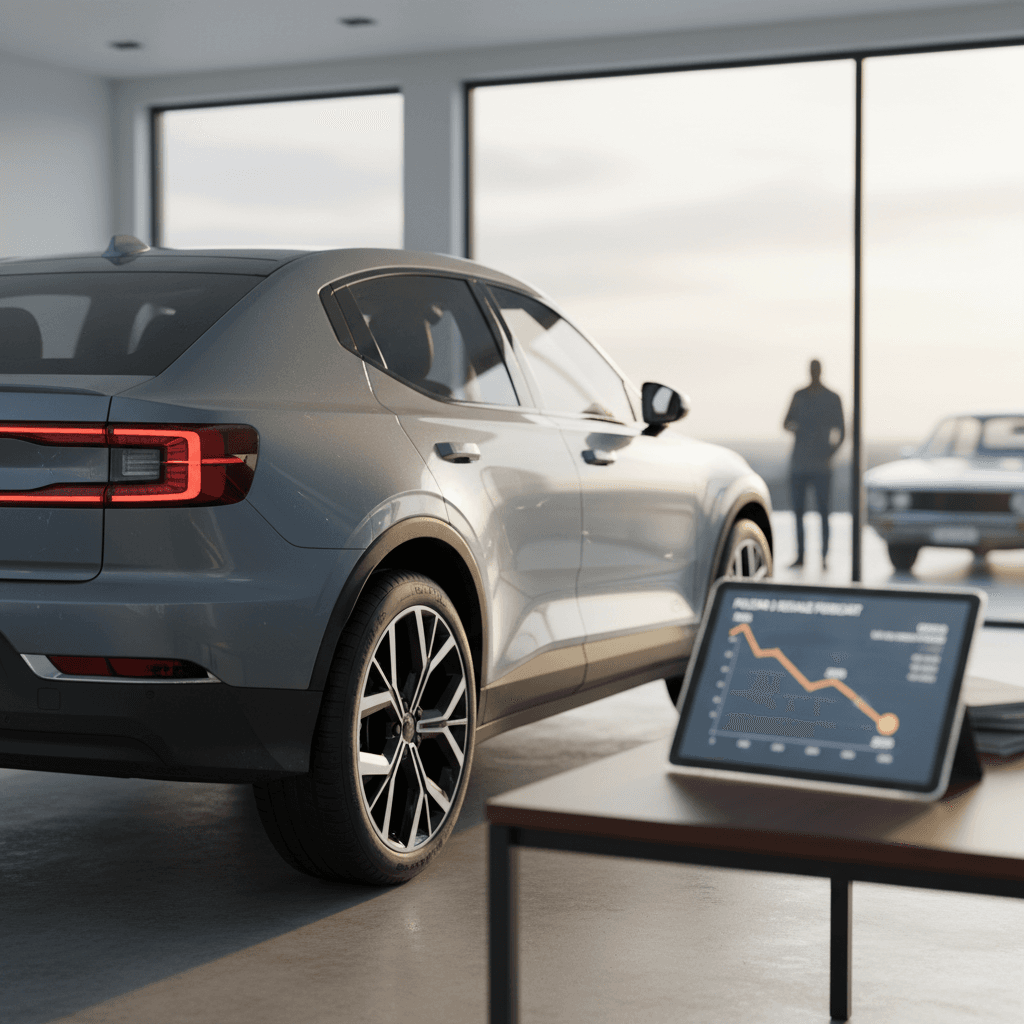
If you’re eyeing a Polestar 3 or already have one on order, you’ve probably heard the chatter: used EV prices dipped hard in 2024–2025, and early Polestar 2s have taken it on the chin. This 2026 Polestar 3 resale value guide pulls together what we know about Polestar, luxury EV SUVs, and the broader used‑EV market so you can decide how to buy, lease, or sell without getting burned.
Quick take
Why Polestar 3 resale value matters in 2026
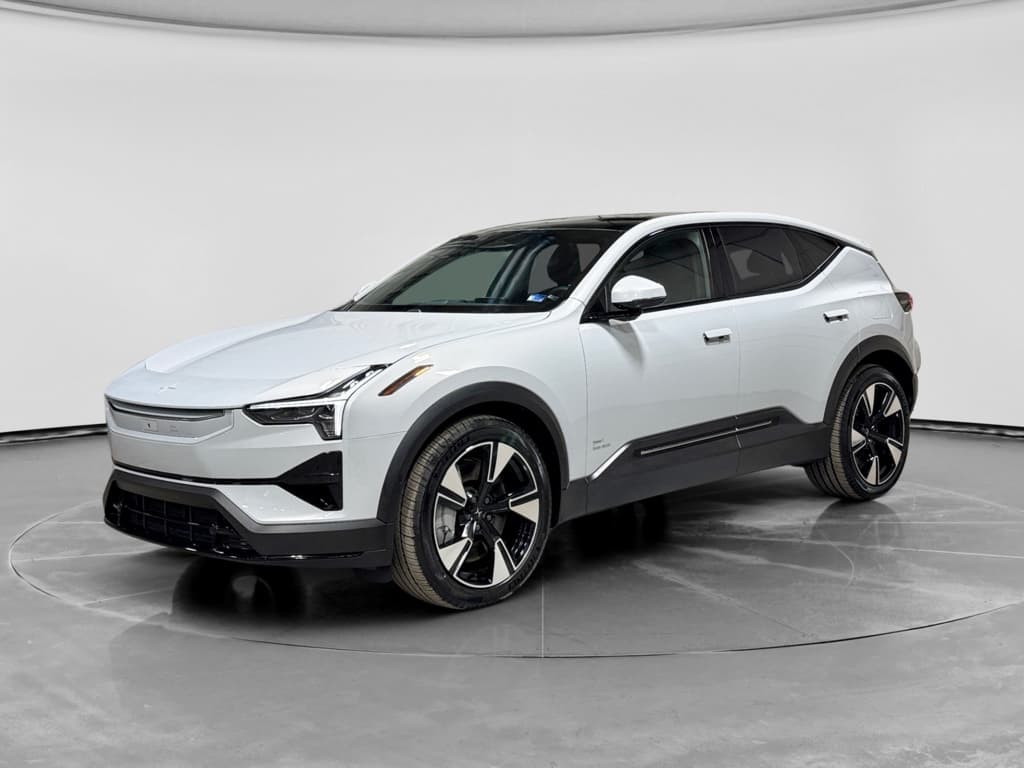
The Polestar 3 dropped into one of the toughest segments in the business: premium two‑row electric SUVs. It’s expensive new, launch editions landed in the mid‑to‑high $70Ks and up, depending on trim and options, so even a "normal" first‑owner depreciation hit translates into tens of thousands of dollars on paper. At the same time, used EV values in the U.S. slid more than 15% year‑over‑year in 2024 alone as new‑EV prices softened and more inventory hit the market.
- Buyers want to know if a new Polestar 3 will be worth anything in three to five years.
- Leasers care whether a big discount today is hiding an aggressive residual that could make buying at lease‑end a bad deal.
- Used shoppers see sharply discounted Polestars and wonder: is this a bargain, or a trap?
Context matters
Where the Polestar 3 sits in the 2026 EV market
Polestar 3 at a glance (2025–2026)
By 2026, Polestar’s U.S. story centers on the Polestar 3 and 4 SUVs in a price band stuffed with serious competition: Tesla Model X and Model Y Performance at the high end, Mercedes‑Benz EQE SUV, BMW iX, and a wave of newer three‑row and two‑row electric crossovers. It’s a buyer’s market at the top of the EV food chain, and that typically pushes resale values down for anything that isn’t the segment’s household name.
Brand recognition matters

Early signs: how Polestar models have been depreciating
The Polestar 3 is too new for a long resale track record, but the Polestar 2 and the broader EV market give us useful clues. In real‑world sales and anecdotal reports, early Polestar 2s that stickered near $60,000–$70,000 have been changing hands in the high‑$20Ks to low‑$30Ks after three to four years, roughly a 50–60% haircut from original MSRP when you ignore factory and dealer discounts at the time of purchase.
Zooming out, used EVs overall took an outsized hit in 2024–2025 as new‑EV MSRPs dropped, production caught up with demand, and generous discounts became normal. By mid‑2024, the average used EV in the U.S. was selling for the mid‑$20Ks, undercutting many comparable gas cars even when they were newer or better equipped. That reset is still echoing into 2026, especially for premium EVs that launched at ambitious prices.
Don’t anchor on MSRP
What to expect: Polestar 3 depreciation through 2026
We don’t have a crystal ball, but we do have history. Luxury EVs with smaller brand footprints tend to fall faster than their gas equivalents and faster than Teslas. Based on early Polestar 2 behavior and the broader EV market correction, a reasonable expectation for the Polestar 3 in the U.S. looks like this:
Illustrative Polestar 3 depreciation curve (2024–2028)
Rough guidance for how a well‑kept Polestar 3 might depreciate versus its original MSRP in a typical market. Actual results will vary with incentives, mileage, and regional demand.
| Age of vehicle | Approx. value vs. MSRP | What that means in dollars on a $80k build |
|---|---|---|
| 1 year old (late 2025) | 75–80% of MSRP | $60k–$64k |
| 2 years old (late 2026) | 55–65% of MSRP | $44k–$52k |
| 3 years old (late 2027) | 40–55% of MSRP | $32k–$44k |
| 5 years old (early 2030s) | 30–45% of MSRP | $24k–$36k |
These percentages describe loss from original MSRP, not from a discounted transaction price.
Again, that’s from MSRP. If your $80,000 Polestar 3 really cost you $62,000 after discounts and credits, a $44,000 resale value at the two‑year mark feels a lot more reasonable. The flip side: if you’re the second owner buying that same SUV for $44,000 in 2026, you’re letting the first owner eat the steepest part of the curve.
Good news for used buyers
Factors that help or hurt Polestar 3 resale value
What moves Polestar 3 resale value up or down
Some things you can control, some you can’t, but all are worth understanding.
Battery health & range
In the used‑EV world, usable range is the new odometer. A Polestar 3 that still delivers close to its original range and fast‑charges reliably will always be easier to sell, and worth more, than one with noticeable degradation.
Warranty & support
Polestar’s factory battery warranty and any transferable extended coverage soften buyers’ fears about long‑term reliability. A Polestar 3 with lots of warranty runway and documented service history will command stronger offers.
Software & tech relevance
Buyers expect modern driver‑assistance, OTA updates, and a contemporary infotainment experience. If Polestar keeps software fresh and features competitive, it props up resale; if tech feels dated, values sag.
Brand presence & dealers
In regions where Polestar has limited retail and service presence, some buyers will hesitate. That can suppress resale locally, even if the vehicle itself is excellent.
Macro EV trends
Interest rates, fuel prices, incentives, and EV adoption all bend the curve. A generous tax credit on new EVs or steep lease incentives can drag used prices lower almost overnight.
Competition & new releases
When a newer, longer‑range or cheaper rival lands, especially from a bigger‑name brand, it puts pressure on the Polestar 3’s residual values. That’s the reality of a fast‑moving segment.
Control what you can
Trim, battery and options: which Polestar 3s age best?
Powertrain and battery
- Dual‑motor, long‑range trims are usually the sweet spot for resale in luxury EV SUVs. They balance performance and range for the widest audience.
- Performance packs add sizzle, but they mainly hold value if they don’t punish range too much. A small bump in power is less important to used buyers than an extra 20–30 miles of real‑world driving.
- Battery health trumps the spec sheet. A standard‑range Polestar 3 with excellent battery diagnostics may be a safer bet than a theoretical long‑range version that’s been fast‑charged hard every day.
Options and appearance
- Neutral colors (white, gray, black, dark blue) historically resell more easily than wild hues, especially in premium segments.
- Big wheels look terrific in press photos, but they can hurt ride comfort, range, and tire costs. Savvy used buyers pay attention.
- Interior choices matter: lighter, minimalist cabins with durable materials photograph well online and feel more "premium" years later.
- Driver‑assist and audio upgrades typically add some resale value, but don’t expect to recover their full original cost.
How Recharged evaluates Polestar 3s
Lease vs. buy for the Polestar 3 in a soft EV market
When depreciation is this uncertain, leasing starts to look less like a luxury and more like cheap insurance. The Polestar 3 has already seen aggressive lease offers, with factory incentives and dealer discounts doing a lot of heavy lifting to offset its high MSRP. That combination can dramatically lower the payment while pushing most residual‑value risk back onto the lender.
Polestar 3: should you lease or buy in 2026?
1. Consider your tech FOMO
If you’re the sort of driver who likes the latest range, charging speeds, and driver‑assist features, a 2–3 year lease on a Polestar 3 keeps you from being locked into a first‑generation product as the market moves on.
2. Add up the real incentives
Stack any federal or state tax credits, manufacturer cash, and dealer discounts. A lease that bakes those in can put you in far under MSRP; that matters when you compare to projected resale later.
3. Look at the residual value
A higher residual means lower monthly payments but also less flexibility if you want to buy out the lease. If you think the Polestar 3 will be a bargain used, a slightly <em>low</em> residual could be your friend at lease‑end.
4. Think about miles and use case
High‑mileage drivers chew through residual assumptions faster. If you plan to pile on the miles, buying (at the right price) can make more sense than leasing with steep mileage penalties.
5. Plan for ownership costs
Leasing often includes more predictable costs, especially if maintenance is baked in. Buying means you’ll shoulder out‑of‑warranty repairs and long‑term battery anxiety, but you also own the asset if resale exceeds expectations.
Watch the fine print
How to price a used Polestar 3 in 2026
If you’re selling, or trying to figure out whether an asking price is fair, start with the data, then adjust for reality. Remember that generic pricing tools often lag when it comes to brand‑new EV nameplates, so you’ll need to read the room a bit.
- Pull asking prices for similar Polestar 3s in your region: same model year, similar mileage, and as close as possible on trim and options.
- Compare those directly to what new Polestar 3s are transacting for after incentives. A used SUV that’s only $5,000 under a brand‑new, heavily discounted example is going to sit on the lot.
- Layer in broader used‑EV trends. If values for comparable luxury EVs (Model X, EQE SUV, iX) have drifted down another few percent in recent months, Polestar 3s won’t be immune.
- Adjust for battery health and history. A clean Recharged Score or similarly detailed battery report can justify pricing your Polestar 3 at the top of the used range; a sketchy fast‑charging history pushes you toward the bottom.
- Be realistic about days‑to‑sell. If you price optimistically, be ready to adjust after 30–45 days without serious interest. The used EV market punishes stubborn pricing more than it rewards it.
Pricing shortcut for 2026
Protecting your Polestar 3’s future resale value
You can’t change the broader market, but you *can* make your individual Polestar 3 the one used‑EV shoppers fight over instead of scroll past. Think like the second owner you’ll eventually sell to.
Simple habits that pay off at resale time
Document everything
Save digital and paper records of every service visit, software update, tire change, and alignment. A thick, organized folder of history is gold to a used‑EV buyer.
Baby the battery
Avoid running to near‑zero or 100% daily. Use DC fast‑charging when you need it, not as your default. Healthy charging habits show up clearly in a battery‑health report later.
Watch the wheels and tires
Those showy 21‑ or 22‑inch wheels bend easily, and the replacement tires aren’t cheap. Keeping them straight and fresh makes your Polestar 3 much more appealing on a test drive.
Keep the software current
Stay on top of Polestar updates and feature additions. Buyers feel better about an EV that’s clearly been kept "in the loop" with the latest software.
Detail before you list
Professional detailing, paint correction where needed, and clear, honest photos are small investments that can add thousands to offers, or move your SUV weeks faster. Recharged can build this into the sale process for you.
How Recharged helps with used Polestar 3s
Buying or selling a used luxury EV SUV is stressful enough without wondering whether the battery is healthy or the asking price is fair. That’s exactly the gap Recharged is built to close. As a dedicated used‑EV retailer and marketplace, Recharged includes a Recharged Score Report with every vehicle, Polestar 3s included, summarizing verified battery health, charging behavior, and a fair‑market price analysis based on real‑world EV data.
What Recharged can do for Polestar 3 owners
Whether you’re buying, trading, or just EV‑curious, you don’t have to navigate this alone.
Transparent battery health
The Recharged Score digs into usable capacity, charging history, and DC fast‑charge behavior, key inputs for pricing a used Polestar 3 correctly and confidently.
Sell, trade, or consign
You can get an instant offer, trade your Polestar 3 toward another EV, or consign it through Recharged to reach a wider EV‑savvy audience.
Nationwide EV delivery
Found the right Polestar 3 across the country? Recharged can coordinate nationwide delivery so you don’t have to be within driving distance of the perfect SUV.
EV‑specialist support
From lease‑vs‑buy math to understanding depreciation curves, Recharged’s EV specialists can walk you through the numbers in plain language.
Financing built for EVs
Recharged offers EV‑friendly financing and can help you structure deals that make sense given where Polestar 3 resale values are headed.
Experience Center in Richmond, VA
If you’d rather kick the tires in person, visit the Recharged Experience Center in Richmond, Virginia for test drives and in‑person guidance.
Ready to find your next EV?
Browse VehiclesPolestar 3 resale value FAQ (2026)
Frequently asked questions about Polestar 3 resale value
Bottom line: should you worry about Polestar 3 resale?
The Polestar 3 is a sharp, tech‑forward luxury SUV in a segment that’s changing by the month. By 2026, it’s reasonable to expect faster depreciation than a comparable gas Volvo or BMW, and probably a step slower than Tesla when it comes to resale strength. But that doesn’t make it a bad buy. It just means you should treat it like what it is: a premium EV with big‑ticket hardware whose value lives and dies by incentives, software support, and battery health.
If you’re buying new, negotiate hard, stack incentives, and go in with eyes open about the first three years of depreciation. If you’re shopping used in 2026, lean on verified battery reports, fair‑market pricing tools, and EV‑specialist marketplaces like Recharged to separate screaming deals from quiet money pits. Do that, and the Polestar 3 can be a smart, satisfying choice, even in a resale market that doesn’t play by old‑school rules.