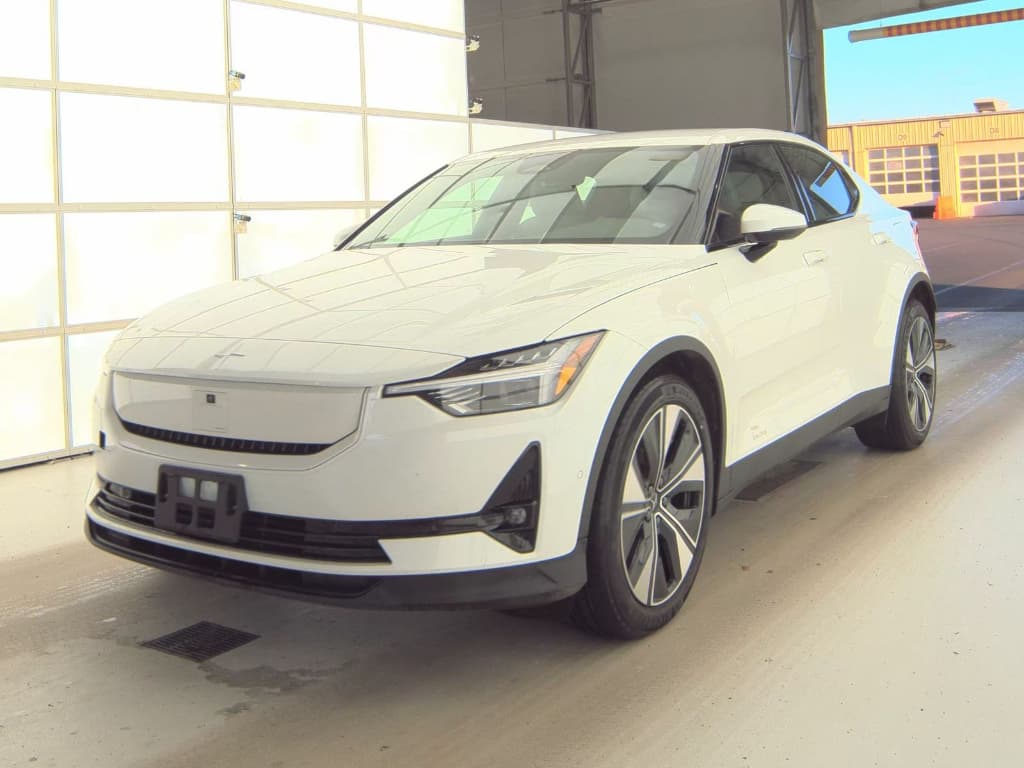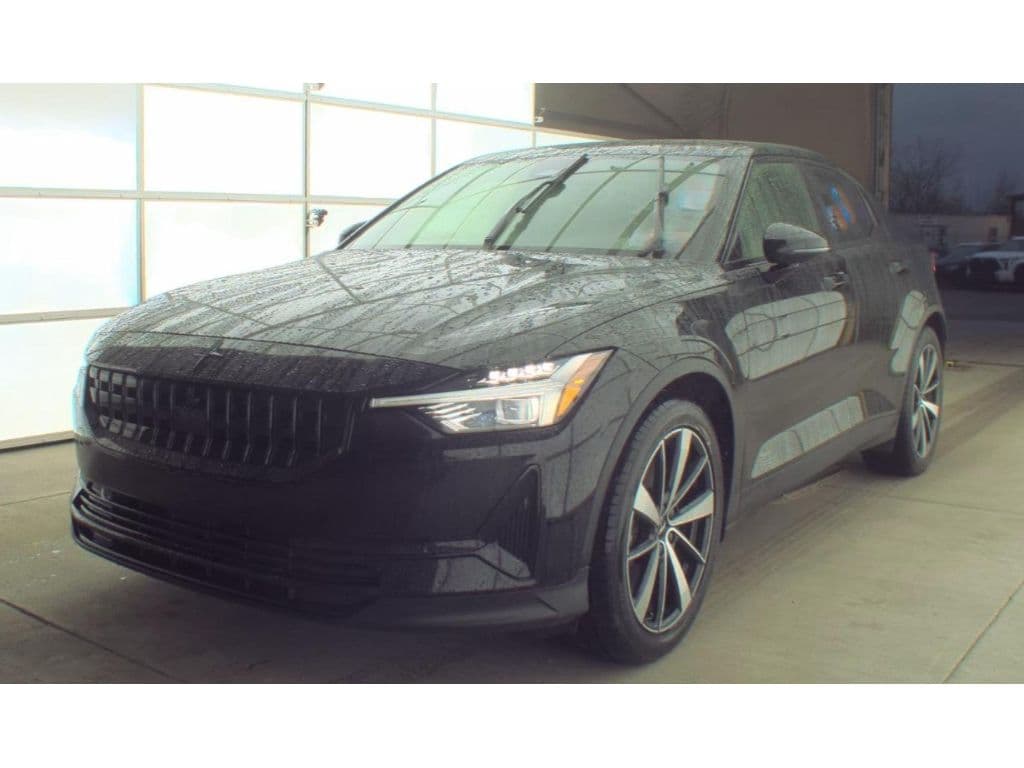
If you’re eyeing a Polestar 2, or already own one, the big question is how its value will hold up over time. The Polestar 2 resale value forecast is mixed: there’s some early steep depreciation, but also signs of stabilization as the model matures and the used EV market resets.
Key takeaway
Polestar 2 resale value outlook at a glance
Where Polestar 2 resale stands right now
In plain English, the Polestar 2 has depreciated faster than many gas sedans and slightly faster than the average luxury compact EV, but it isn’t a disaster story either. It sits in the middle of the pack, worse than a Tesla Model 3 on paper, but better than some niche luxury EVs that have fallen much harder.
How the Polestar 2 is depreciating today
Let’s start with what the market is doing right now. Several data providers that track millions of sales and listings show a consistent pattern: steep first-owner depreciation, then a slower slide once the car hits the secondary market in meaningful numbers.
- A major resale-value study pegs the Polestar 2’s 5‑year depreciation at about 60.6%, leaving roughly 39.4% of its original price after five years.
- At the 3‑year mark, the same data shows about 53% depreciation, which means the bulk of the value loss happens early.
- Segment averages for compact luxury EVs are a bit better (around 57% depreciation at five years), so the Polestar 2 currently underperforms its class by a few points.
- Some independent analysts tracking launch‑year cars suggest a typical annual depreciation rate in the 18–20% range over the first four years, then tapering.
What makes the Polestar 2 interesting in 2026 is how quickly it has shifted from pricey newcomer to aggressively priced used EV. Early 2021–2022 models that stickered in the low- to mid‑$50,000s regularly appear in the used market in the high‑$20,000s and low‑$30,000s, especially with higher mileage.
Reality check on early cars
3-, 5-, 7- and 10-year Polestar 2 resale value forecast
Resale-value forecasts are never perfect, but the advantage with the Polestar 2 is that it’s been on sale long enough to build a track record, and multiple sources now publish long‑term projections.
Projected Polestar 2 resale value over time
Approximate resale value as a percentage of original MSRP for a typical U.S. Polestar 2 with average mileage and condition.
| Age of vehicle | Estimated depreciation | Estimated value retained | What it means |
|---|---|---|---|
| 3 years | ≈53% | ≈47% | Most of the initial value loss has already occurred; good entry point for used buyers. |
| 5 years | ≈60–61% | ≈39–40% | Value levels off; cars move into true mass‑market used‑EV pricing. |
| 7 years | ≈70% | ≈30% | Battery health and software support matter more than model year hype. |
| 10 years | ≈75–76% | ≈24–25% | At this age, condition and battery diagnostics dominate pricing more than brand or options. |
These figures are based on current resale studies and may shift with changing EV incentives, interest rates and used-EV demand.
Put another way, a Polestar 2 that originally cost $55,000 is projected to be worth roughly $26,000–$28,000 after five years and around $13,000–$16,000 after a decade, assuming normal usage and no major accident history.
How to use these forecasts
How Polestar 2 resale compares to Tesla Model 3 and rivals
To understand whether the Polestar 2’s resale is “good” or “bad,” you need context. Compared with other luxury EV sedans, it’s neither the hero nor the villain.
Polestar 2 versus key competitors
Resale performance in the compact luxury EV segment
Tesla Model 3
3-year depreciation: roughly low‑30% range in many studies.
Story: Tesla’s brand strength, charging network and software support help it retain more value than most rivals.
Polestar 2
3-year depreciation: roughly 40% in some analyses; about 53% in broader data sets depending on methodology.
Story: Newer brand, smaller retail footprint and rapid EV price corrections weigh on resale, but growing recognition is helping stabilize used prices.
Other luxury EVs
Examples: BMW i4, Hyundai Ioniq 5, Audi e‑tron, Lucid Air.
Story: Many of these models show similar or even worse 3–5 year depreciation than Polestar 2, especially niche or high‑MSRP trims.
One recent luxury-EV comparison ranked the Polestar 2 with roughly 37% depreciation over five years in percentage terms from a luxury-sedan perspective, better than some big‑ticket competitors, but behind Tesla’s Model 3. Different methodologies tell slightly different stories, but the pattern is consistent: Polestar trails Tesla on resale, but beats some higher-priced luxury EVs that lose more real dollars.
Polestar 2 owners
If you bought new, you’re competing against aggressive discounts on new EVs and deep price cuts on rivals. Expect softer trade offers than you might from a similarly priced gas sedan or a Tesla.
The upside: once your car is 4–5 years old, the curve flattens, so holding longer can dramatically improve your cost per year.
Used EV shoppers
The current depreciation curve turns the Polestar 2 into a value play on the used market. You’re getting a sophisticated Scandinavian EV with strong safety scores for compact-luxury money.
That’s exactly the slice of the market Recharged focuses on, late‑model used EVs with transparent battery health and fair pricing.
Factors that will shape future Polestar 2 resale values
Forecasting resale value isn’t just math, it’s also about where the brand and the EV market are headed. For the Polestar 2, five themes will matter most between now and 2030.
5 forces that will move Polestar 2 values up or down
1. Battery health and degradation
Used EV shoppers are becoming more sophisticated. Verified state‑of‑health (SoH) reports are already separating strong cars from weak ones. A Polestar 2 with documented battery health will be easier to sell and command stronger money.
2. Software support and over-the-air updates
Polestar has leaned heavily on over‑the‑air (OTA) updates for range, features and bug fixes. Continued software support into the 2030s will support confidence, if that ever falters, resale will feel it quickly.
3. Brand strength and retail footprint
Polestar doesn’t have the name recognition of Tesla or Mercedes yet. As more Polestar 3 and Polestar 4 models hit the road, brand visibility could lift Polestar 2 awareness and used demand, or, if the brand stumbles, it could put further pressure on values.
4. EV incentives and interest rates
Federal and state tax credits, plus interest rates, heavily influence new‑car pricing. When new EVs are heavily discounted or subsidized, used prices get dragged down. If incentives tighten or rates fall, used pricing can firm up.
5. Competing used EV supply
Every extra wave of off‑lease Teslas, Hyundais and Volkswagens adds pressure. The Polestar 2 will compete in a crowded pool of compact used EVs, which tends to keep values honest but also rewards cars with clean histories and strong diagnostics.
Why battery data matters more every year
Ready to find your next EV?
Browse VehiclesHow recalls and brand changes affect value
Polestar has faced its share of headlines, including recalls on the Polestar 2 for software and rear camera issues. On their own, most software‑fixable recalls have limited long‑term impact on resale as long as the remedy is applied and clearly documented.
- A wide recall that is quickly fixed via software usually matters less for resale than a chronic mechanical flaw.
- Documentation is your friend: buyers and dealers want to see recall work completed, not looming.
- Brand-level questions, like profitability, future product plans or dealer network shifts, tend to influence sentiment more than any single recall.
Don’t ignore recall notices
Trim, battery and options: which Polestar 2 holds value best?
Not every Polestar 2 is viewed equally in the used market. Range, performance and spec all play into resale. Here’s how different configurations tend to line up.
Which Polestar 2 configurations are resale-friendliest?
General hierarchy of trims and features based on current used-market behavior and buyer preferences.
| Trim / feature | Resale outlook | Why it helps or hurts |
|---|---|---|
| Long Range Single Motor | Strong | Balances price, efficiency and range; attractive to commuters and first‑time EV buyers. |
| Long Range Dual Motor | Moderate–strong | More performance and all‑wheel drive, but higher original MSRP can mean bigger dollar losses even if the percentage drop is similar. |
| Performance / BST editions | Niche | Rare and desirable for enthusiasts, but higher price narrows the audience on the used market. |
| Shorter‑range or base-spec cars | Softer | Lower entry prices help, but shoppers are increasingly range‑sensitive, especially in cold‑weather states. |
| Unique colors & wheels | Mixed | Tasteful, popular colors and wheel designs can help. Polarizing combinations or oversized wheels that hurt ride quality can limit demand. |
Exact results vary by region, but this ranking reflects what many used‑EV buyers ask for first.
Owner playbook: how to protect your Polestar 2 resale value
You can’t control interest rates or new-car incentives, but you can control how your individual Polestar 2 looks on a listings page or in a dealer’s appraisal lane. Here’s how to stay on the right side of the curve.
7 practical ways to boost your Polestar 2’s resale value
1. Keep software and recalls fully up to date
Stay current on OTA updates and dealer-performed campaigns, especially those related to safety and camera systems. Save confirmation emails and repair orders.
2. Document every service visit
Buyers don’t expect oil changes on an EV, but they do expect regular inspections, brake checks, tire rotation and cabin filter replacement. A neat, complete digital or paper trail builds trust.
3. Protect the battery and charging habits
Avoid frequent 0–100% fast charges. Keeping daily charging in the 20–80% window and minimizing high‑temperature abuse will help preserve battery health, and your SoH report later will show it.
4. Stay ahead of cosmetic wear
Fix curb rash, address windshield chips and correct minor paint damage before it snowballs. A $400 wheel repair can be the difference between retail and wholesale money when it’s time to sell.
5. Mind mileage versus peers
The more your mileage outpaces comparable cars, the more appraisers and private buyers will lean on price. If you’re already well above average, consider holding the car longer to spread the cost.
6. Prep the car like a dealer would
A professional detail, odor removal and new floor mats can add far more than they cost in buyer perception. This is especially true for light interiors and high‑touch surfaces in the Polestar 2.
7. Get a battery health report before you sell
A third‑party or marketplace-backed battery diagnostic, like the Recharged Score used by Recharged, lets you prove pack health up front, rather than haggling over unknowns.
Leverage marketplaces that understand EVs
Should you buy a used Polestar 2 now?
From a purely value-driven perspective, the Polestar 2 is becoming more compelling on the used market than it was new. The early‑adopter premium is gone, but the underlying package, Volvo-adjacent safety engineering, Google-based infotainment, clean design, remains attractive.
Why a used Polestar 2 makes sense
- Heavy first-owner depreciation means you’re buying closer to the flatter part of the curve.
- Safety ratings and build quality are strong, which plays well with second and third owners.
- Less brand hype than Tesla can translate into more car for your money.
Where you should be cautious
- Resale still lags the Tesla Model 3, so don’t count on rock‑solid value if you plan to flip quickly.
- Brand trajectory and U.S. lineup changes introduce some long‑term question marks.
- Battery and software transparency vary by seller; without documentation, you’re guessing.
If you’re shopping used, focus less on model year and more on individual vehicle history: mileage, charging behavior (if available), battery diagnostics, recall completion and cosmetic condition. That’s where a curated marketplace like Recharged can help, by vetting vehicles up front and surfacing the ones that are most likely to age gracefully.
FAQ: Polestar 2 resale and depreciation
Frequently asked questions about Polestar 2 resale value
Bottom line on Polestar 2 resale value
The Polestar 2 isn’t the resale champion of the EV world, but it’s also far from the worst. The data points to a car that drops quickly out of the gate, then settles into a predictable, manageable curve. That’s tough if you’re the first owner looking to flip in a few years, but it’s exactly what used‑EV shoppers want to see.
If you already own a Polestar 2, your best move is to treat it like a long‑term keeper: stay current on software and recalls, keep meticulous records and protect the battery. If you’re shopping used, lean on tools that expose real battery health and market‑correct pricing. That’s where Recharged is built to help, turning a complex resale story into a straightforward decision about whether a particular Polestar 2 is the right fit for you.