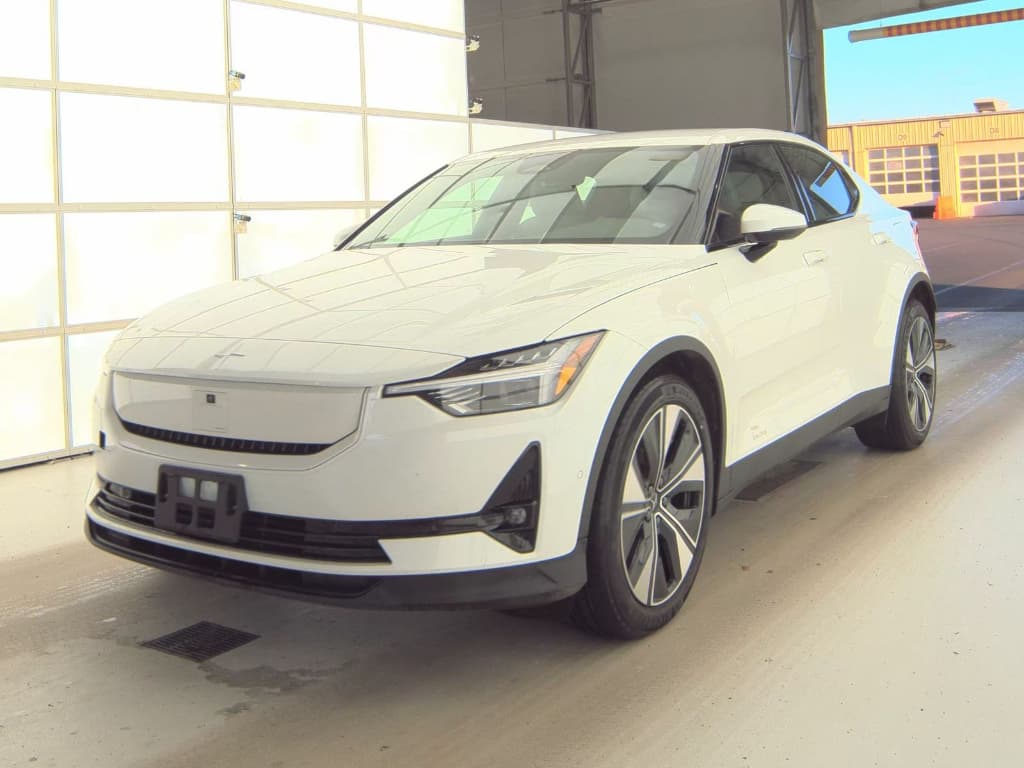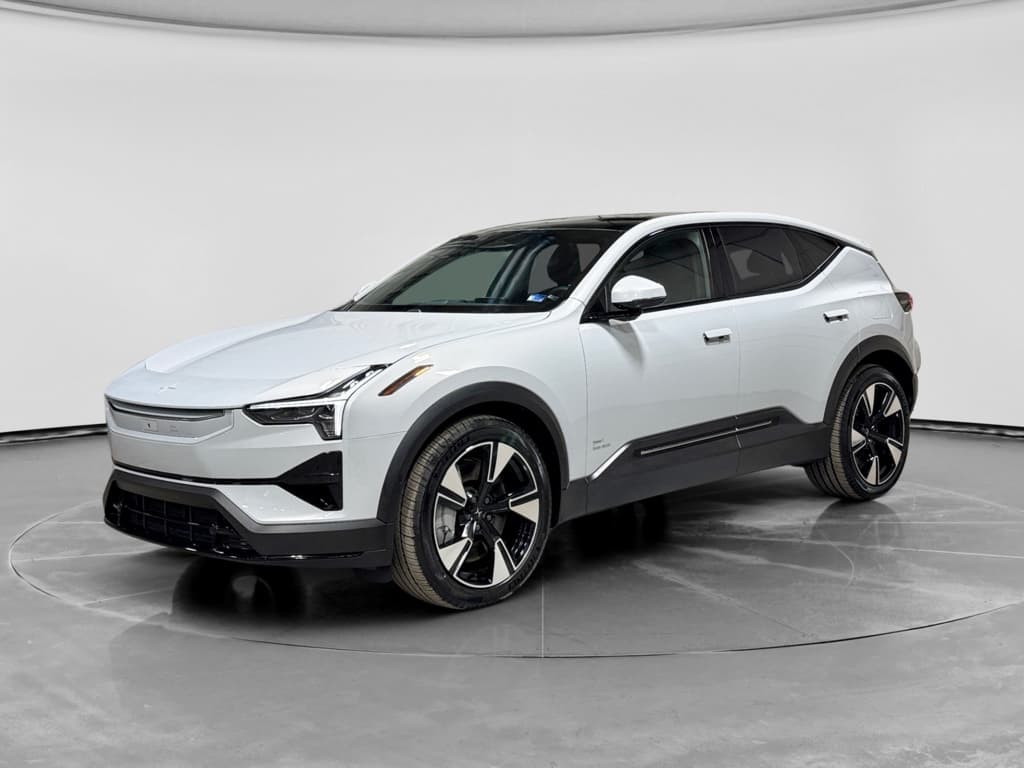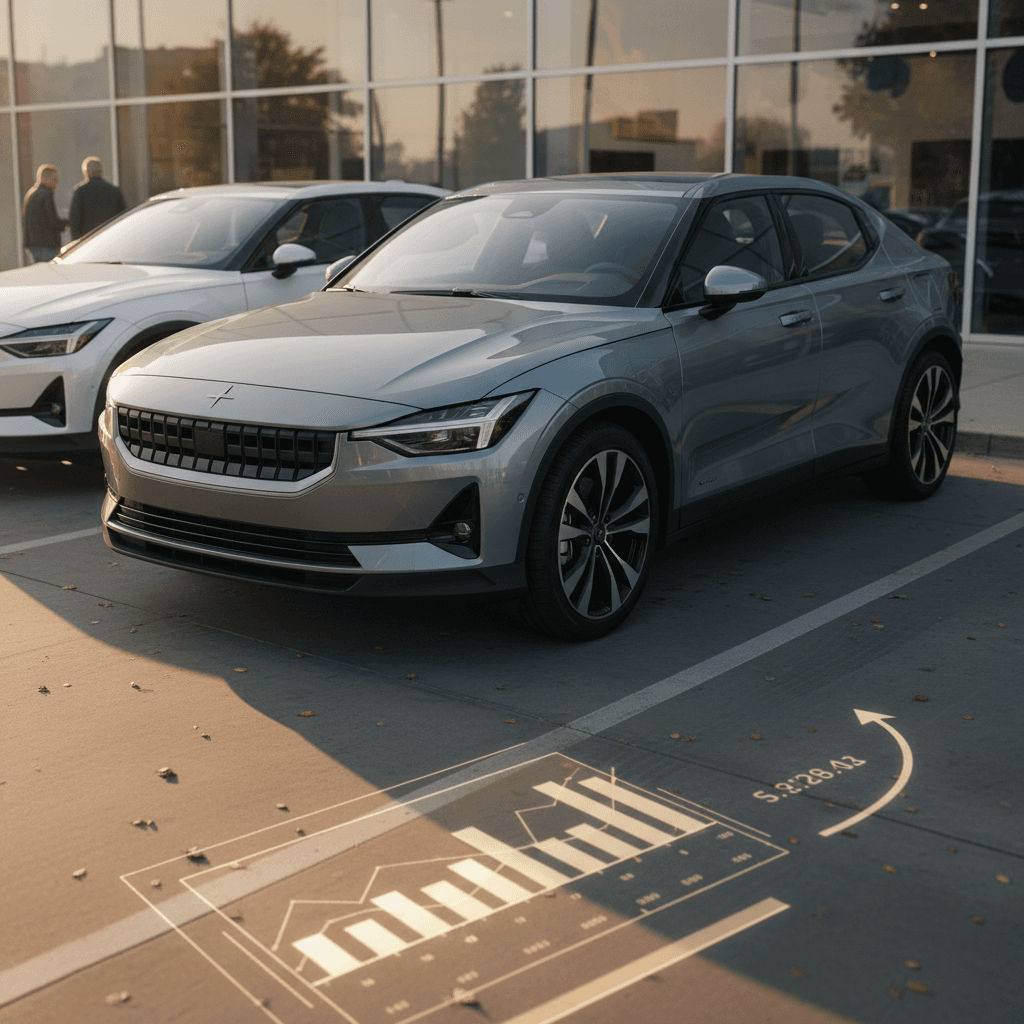
If you’ve been eyeing a Polestar 2, 2026 might be your moment. The car has matured, early lease returns are hitting the used market, and aggressive EV discounts are forcing prices to settle down. This article looks at the Polestar Polestar 2 price forecast for 2026 so you can walk into your next deal, buying or selling, with your eyes wide open.
A quick word about forecasts
Why Polestar 2 prices are tricky to predict
Most EV shoppers understand Tesla resale values. Fewer know what to make of Polestar, especially in the U.S. where the brand is still niche and its distribution has shifted. That makes Polestar 2 pricing more volatile than mass‑market models, and it’s why you’ll see some surprisingly good deals, and some wildly optimistic asking prices.
Three reasons Polestar 2 values swing more than you expect
These dynamics matter if you’re shopping or selling in 2026
Niche brand
Polestar doesn’t have Tesla‑level name recognition in the U.S. yet. That keeps demand more sensitive to incentives, lease programs, and local brand awareness than bigger badges like Tesla or Hyundai.
Rapid EV discounting
Since late 2023, EV prices and lease rates have been on a downward slide across the board. When new EVs get cheaper, used values follow, including the Polestar 2.
Battery uncertainty
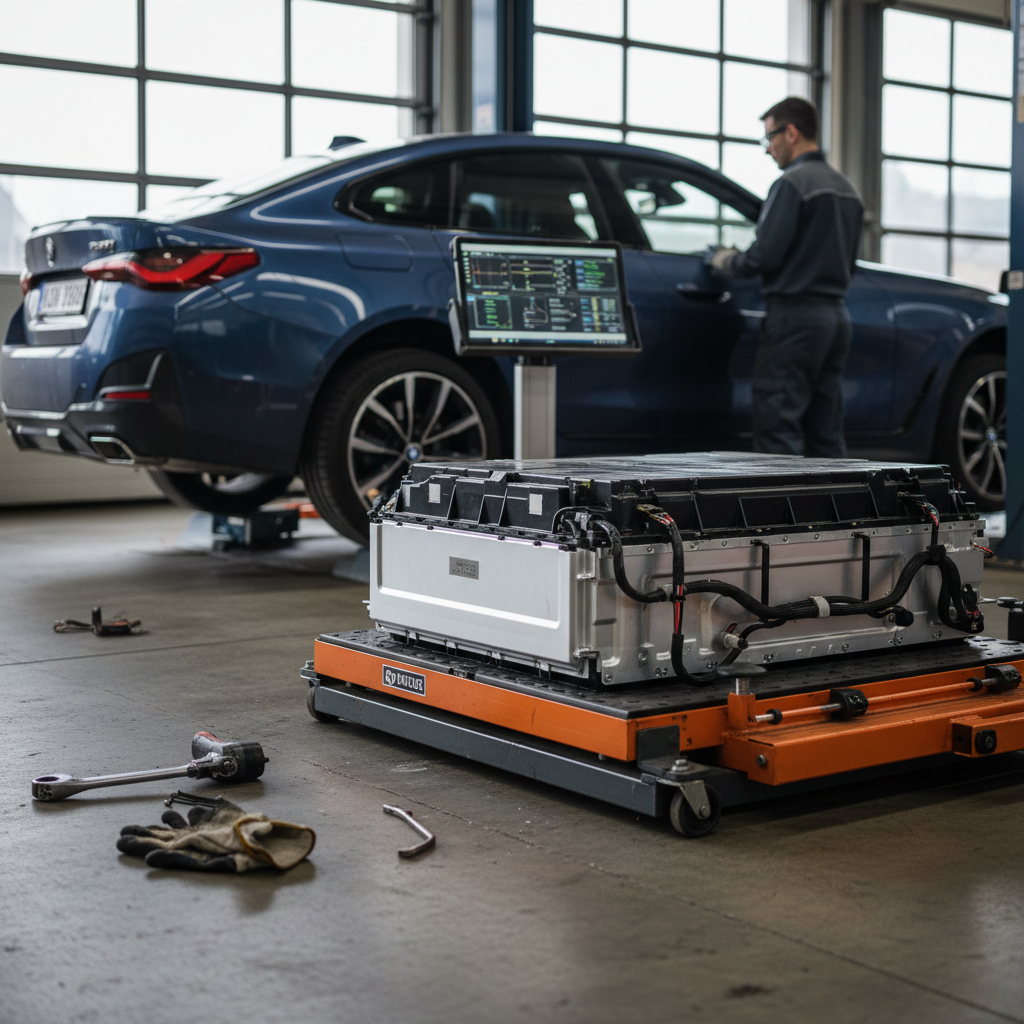
Many buyers still worry about EV battery life. That means verified battery health can add a premium to a used Polestar 2, while unknown history can drag the price down fast.
Don’t anchor on original MSRPs
Where Polestar 2 prices are today
To forecast 2026, we start from where Polestar 2 pricing sits as of early 2026 in the U.S. market.
Polestar 2 price snapshot heading into 2026*
About those ranges
Polestar 2 price forecast for 2026: new vs. used
Let’s roll the clock forward. If you’re shopping or selling in calendar year 2026 in the U.S., here’s a realistic outlook for where Polestar 2 prices are likely to land, assuming no massive surprise, like a huge federal incentive change mid‑year.
Polestar 2 price forecast for 2026 (U.S., directional)
Estimated transaction ranges if market conditions continue roughly on today’s trajectory.
| Vehicle type in 2026 | Model years | Likely price range | Who this suits best |
|---|---|---|---|
| Certified pre-owned, low miles | 2024–2025 | $34,000–$42,000 | Buyers who want like‑new condition with warranty and don’t mind paying a premium. |
| Well‑kept used, moderate miles | 2022–2024 | $27,000–$35,000 | Value hunters who still want modern range, safety and infotainment. |
| High‑mileage commuter / previous lease | 2021–2023 | $22,000–$28,000 | Budget‑focused buyers who drive a lot and will trade miles for price. |
| Heavily optioned, performance‑oriented trims | 2022–2025 | Add ~$2,000–$5,000 | Enthusiasts who care about performance packs, wheels, and audio more than rock‑bottom price. |
These are broad ranges meant to frame expectations, not quotes for any specific vehicle.
How this compares to original sticker
Trim and mileage breakdown for 2026 used values
Two Polestar 2s can be the same model year and look identical in photos yet be $6,000 apart in price. Trim, options and mileage do a lot of the talking. Here’s how that likely plays out in 2026.
How specific Polestar 2 setups may price in 2026
Ranges assume clean history and average U.S. market conditions.
Single Motor, ~30–40k miles (2022–2024)
- Likely range: ~$26,000–$32,000
- More efficient and often cheaper than dual‑motor cars.
- Great if you value range and cost over raw acceleration.
Dual Motor, ~30–40k miles (2022–2024)
- Likely range: ~$29,000–$36,000
- Stronger demand from enthusiasts keeps prices a bit higher.
- Weather and traction benefits in snowier climates can add value.
Performance Pack or big‑option cars
- Premium over base: +$2,000–$5,000
- Gold seatbelts, Ohlins dampers, upgraded wheels and audio still matter to used buyers.
- But the full original option cost rarely comes back in resale.
High‑mileage commuters (60k+ miles)
- Discount vs. similar low‑miles car: −$3,000–$6,000
- Great opportunity if battery health tests strong.
- Expect more tire, brake and cosmetic wear baked into the price.
Title brands and accident history
Key factors that will shape Polestar 2 prices
The 2026 outlook isn’t just about the Polestar 2 itself. It’s about the neighborhood it lives in: tax incentives, charging standards, and how fast new rivals show up. Here are the big levers to watch.
Main forces pulling Polestar 2 prices up or down by 2026
1. EV incentives and policy
Changes to federal or state EV incentives can move new EV prices overnight, which trickles into used values. If new EVs get cheaper or more heavily subsidized in 2026, expect extra pressure on used Polestar 2 prices.
2. New‑EV competition
By 2026, cars like the Tesla Model 3, Hyundai Ioniq 6, BMW i4 and others will have updated ranges, interiors, and driver‑assist tech. Those choices set the ceiling for what a used Polestar 2 can realistically command.
3. Charging ecosystem and standards
As NACS (Tesla’s connector) becomes more common and CCS infrastructure matures, practical range and charging experience will matter more than brand. That can help the Polestar 2 if you live near solid DC fast‑charging options.
4. Brand momentum and visibility
If Polestar expands visibility and keeps software and OTA updates coming, that halo supports used values. If the brand gets quieter or restructures again, shoppers may hesitate, and prices soften.
5. Used‑EV supply waves
Lease returns, fleet sales and former subscription cars all show up as used inventory in waves. A flood of off‑lease Polestar 2s in your region in 2026 could temporarily push prices lower until the market absorbs them.
What this means for you
How Polestar 2 depreciation compares to rivals
Depreciation is where the Polestar 2 can quietly shine. It doesn’t hold value quite as stubbornly as a Tesla Model 3, but it typically lands better than some mass‑market EVs that were heavily discounted new.
Where the Polestar 2 likely sits by year 5
Illustrative comparison of value retention versus a few common alternatives, assuming similar original MSRP and usage.
| Model | Approx. 5‑yr value retention | What that feels like in dollars | Takeaway for 2026 shoppers |
|---|---|---|---|
| Tesla Model 3 (similar spec) | 55–60% | On a $50k car, maybe $27k–$30k after 5 years. | Best overall resale, but you’ll usually pay more going in. |
| Polestar 2 | 45–55% | Same $50k car might sit around $23k–$28k. | Depreciates faster than Tesla, which can be a win for used‑car buyers. |
| Mainstream compact EV (non‑luxury) | 35–50% | Could fall into the low‑$20Ks after 5 years. | Big discounts new often mean sharper drops used. |
Percent of original MSRP remaining around the 5‑year mark, based on typical EV patterns and today’s pricing behavior.
The sweet spot: used luxury EV value
Buying a Polestar 2 in 2026: strategy guide
Forecasts are useful, but you buy one car, not a market. Here’s how to turn a 2026 Polestar 2 search into a smart, concrete purchase decision.
Checklist for snagging a fair‑priced Polestar 2 in 2026
1. Decide your budget, and your non‑negotiables
Before looking at listings, decide whether you’re a low‑$20Ks buyer hunting higher miles, or a mid‑$30Ks buyer aiming for newer, lower‑mileage examples. Then list must‑have features: single vs. dual motor, Pilot/Plus packs, heat pump, etc.
2. Target the 3–5‑year window
In 2026, that means mainly 2021–2023 cars. You’ll let early depreciation do its thing but still enjoy modern tech, decent warranty coverage, and batteries that should be nowhere near end‑of‑life with normal use.
3. Compare total cost, not just price
Run the numbers on insurance, energy costs, and maintenance. A slightly higher purchase price on a more efficient trim or one with better tires and brakes can cost you less over three years than a rough, cheaper example.
4. Get battery health and range verified
Ask for a recent battery health report and real‑world range data. On Recharged, every vehicle includes a <strong>Recharged Score</strong> that measures battery health and pricing fairness, so you’re not guessing about the most expensive part of the car.
5. Shop financing and EV‑friendly lenders
EVs can sometimes qualify for competitive APRs, especially if they’re late‑model and certified. Use pre‑qualification tools to know your rate range before you talk numbers on the car itself.
6. Negotiate using comps, not feelings
Pull actual comps on similar‑year, similar‑mileage Polestar 2s in your region. Show the seller what buyers are really paying. If their price sits above realistic 2026 ranges, ask them to justify why.
How Recharged can help you buy
Selling or trading in your Polestar 2 in 2026
If you already own a Polestar 2, 2026 could be an interesting crossroads. Values will likely have smoothed out from the wild swings of early EV pricing, but you’ll still be ahead of sharper depreciation that often hits after year seven or eight.
What to expect if you sell in 2026
- Early‑owner depreciation is already baked in. If you bought new in 2021–2023, you’ve likely eaten the steepest part of the curve.
- Condition and battery reports matter more than ever. Clean service records and a recent health scan can easily move your car to the top of a shopper’s list.
- Private sale vs. instant offer will come down to your appetite for hassle. Private sale can net a bit more, but instant‑offer tools have gotten very competitive on late‑model EVs.
Steps to protect your value
- Fix glaring cosmetic issues that cheapen first impressions: curbed wheels, deep scratches, filthy interiors.
- Have a fresh battery health report ready to share; it builds trust and justifies your asking price.
- Gather all charging accessories, manuals, and service records, missing items give buyers easy reasons to hammer your price down.
- Consider platforms like Recharged that can list, market, and even consign your Polestar 2 while showcasing its condition and battery health with professional reporting.
One more lever: timing
Battery health: how much it moves the price
By 2026, used‑EV shoppers will be savvier. They won’t just ask, “What’s the mileage?” They’ll ask, “What’s the usable range today?” That’s code for battery health, and it can be worth thousands either way.
Battery condition vs. value: what 2026 buyers will pay
Same year, same mileage, different battery story.
Healthy pack, documented
Cars that show only modest degradation and have documentation to back it up can reasonably command a $1,000–$3,000 premium over similar‑spec cars with unknown history.
Unknown or untested pack
Expect these cars to stick closer to the middle of the price ranges in this forecast. Buyers will likely assume average degradation and negotiate as if they’re taking on more risk.
Notable range loss
If an owner reports significantly reduced range or a health scan shows worrying numbers, market price will drop, sometimes by well over $3,000, depending on severity and warranty coverage.
Never skip the battery check
FAQ: Polestar 2 price forecast 2026
Frequently asked questions about 2026 Polestar 2 prices
Bottom line: is 2026 the right time for a Polestar 2?
If you like the way the Polestar 2 looks and drives, and you want something a little different from the usual suspects, 2026 lines up nicely. You’ll be shopping in a market where early‑adopter premiums have evaporated, but the car’s design, safety, and tech still feel fresh. Use the price ranges and playbook in this guide as guardrails, not handcuffs: focus on battery health, real‑world range, and total cost of ownership, not just the number on the windshield.
And if you want a head start, you can browse used Polestar 2s on Recharged with verified battery diagnostics, transparent pricing, financing options, trade‑in or instant‑offer tools, and nationwide delivery. That’s how you turn a 2026 Polestar 2 from a question mark into a confident yes.