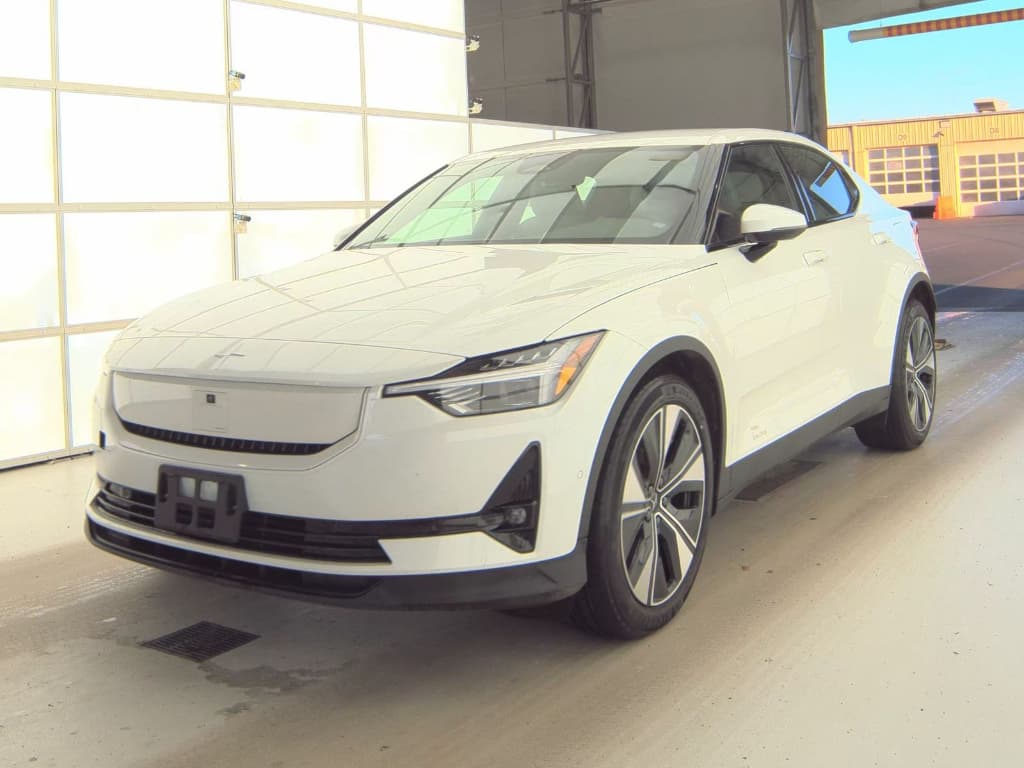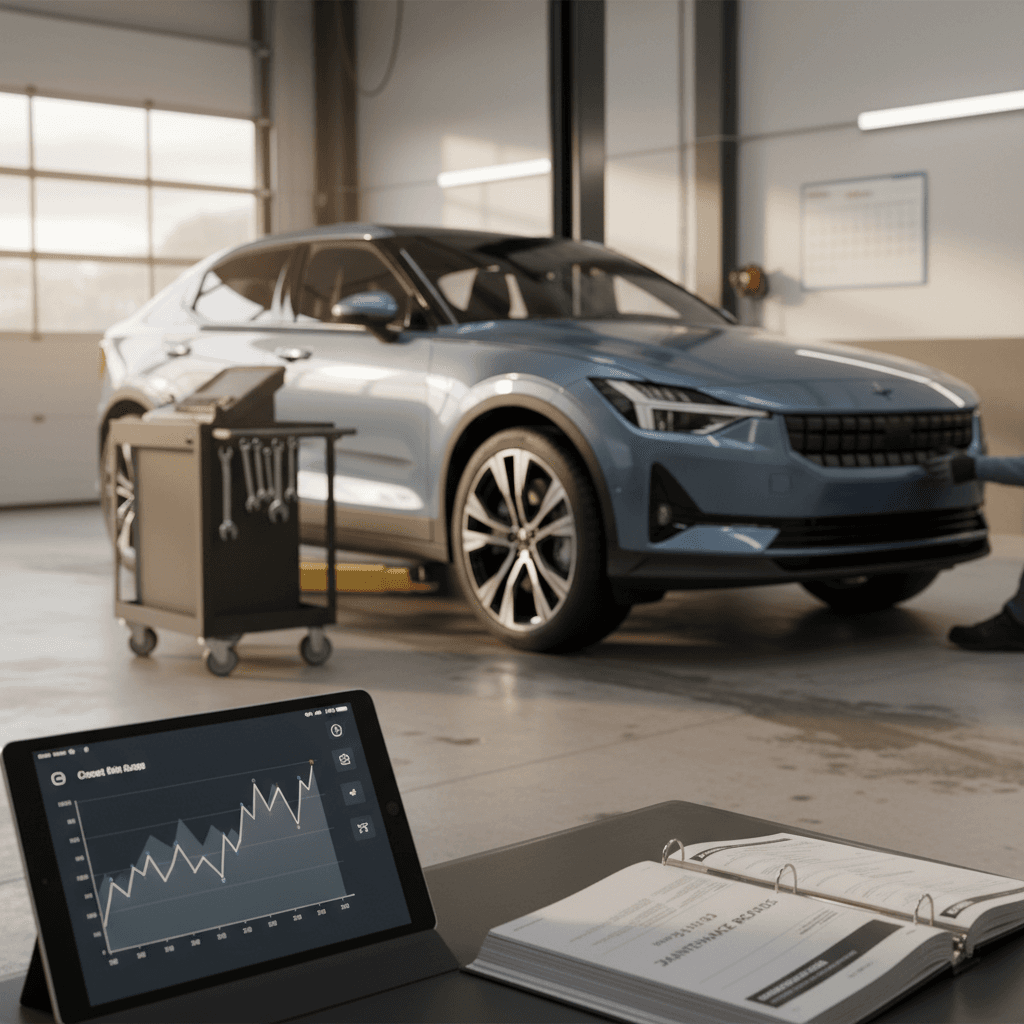
If you’re eyeing a Polestar 2 in 2026, new or used, the big question isn’t just range or performance. It’s whether Polestar 2 maintenance cost will sneak up on you the way a German luxury gas sedan can. The short answer: routine upkeep is modest by gas-car standards, but you need to budget realistically for tires, the occasional service visit, and long-term wear items.
Quick takeaway for 2026
Polestar 2 maintenance cost in 2026: overview
Polestar 2 maintenance at a glance (2026)
A Polestar 2 doesn’t need oil changes, spark plugs, timing belts, or a conventional automatic transmission service. Most of what you’ll pay for between 2026 and 2030 will be inspections, fluids like brake fluid and coolant at long intervals, cabin filters, and tires. Real-world owner reports for 2021–2024 cars show that many Polestar 2s have needed only one paid dealer service in the first 3–4 years, plus tires when driven hard.
Service intervals and what Polestar actually requires
Unlike old-school maintenance schedules that read like a phone book, Polestar keeps it pretty lean. Most U.S. Polestar 2s have a time- and mileage-based service schedule, and the car itself will also flag “regular maintenance” when it’s time to book.
Typical Polestar 2 scheduled maintenance items
These are common services U.S. owners see through 60,000 miles. Exact intervals and pricing can vary by model year and dealer.
| Mileage / Time | Main items | What you’ll likely pay (2026) | Notes |
|---|---|---|---|
| Every 12 mo / 10k–20k mi | Inspection, software checks, tire rotation if requested | $0–$250 | Some certified or new cars have free scheduled maintenance early on; others will pay a modest inspection fee. |
| ~30,000 mi (or 3 yrs) | Inspection, cabin air filter, wiper blades, fluids check | $250–$450 | This is the first "real" service for many owners once complimentary coverage ends. |
| ~60,000 mi (or 5–6 yrs) | Inspection, cabin filter, brake fluid flush, possibly coolant check | $400–$700 | Brake fluid is the big item here; coolant checks are infrequent. |
| Tire-related visits | Rotate, balance, replace tires | $150–$1,000+ | Rotation and balance are cheap; full replacement depends on tire brand and wheel size. |
Always confirm with your Polestar app or service center for your specific VIN and model year.
Check for complimentary maintenance
In the wild, owners report that the car’s maintenance alert usually pops up somewhere in the high‑teens to low‑20,000‑mile range, and again around 30,000 miles. One Reddit poster with about 18,900 miles on a leased 2024 Polestar 2, for example, booked the overdue maintenance through the app and wasn’t charged a dime because it fell under included service.
Typical annual Polestar 2 maintenance costs
So what does this mean in plain dollars for 2026? Taking manufacturer schedules, third-party 5‑year cost‑to‑own projections, and real owner invoices together, you can think of Polestar 2 maintenance in three phases: early years (often subsidized or free), middle years (most of the cost), and later years where wear items dominate.
Years 1–3 (0–30,000 miles)
If you’re buying new, or a fairly fresh certified used Polestar 2, your first few years can be surprisingly cheap.
- Scheduled maintenance: Often $0 if covered, or roughly $120–$250 per visit when it’s not.
- Out-of-pocket range: Many owners pay $0–$200 per year in this window, aside from a tire rotation or windshield wipers.
- Most work: Inspections and software updates, sometimes done during tire or warranty visits.
Years 4–8 (30,000–90,000 miles)
This is where the bulk of Polestar 2 maintenance cost shows up, still mild by gas-car standards.
- 30k/60k services: Cabin filters, brake fluid, inspections: typically $250–$700 per visit depending on the menu and your region.
- Average annual spend: Budget $250–$600 per year if you average 12,000–15,000 miles.
- Beyond 90k miles: Costs can rise if suspension parts, bushings, or out-of-warranty repairs start to stack up, but that’s true for any car.
Plan like a pro
Big-ticket items: tires, brakes, and out-of-warranty repairs
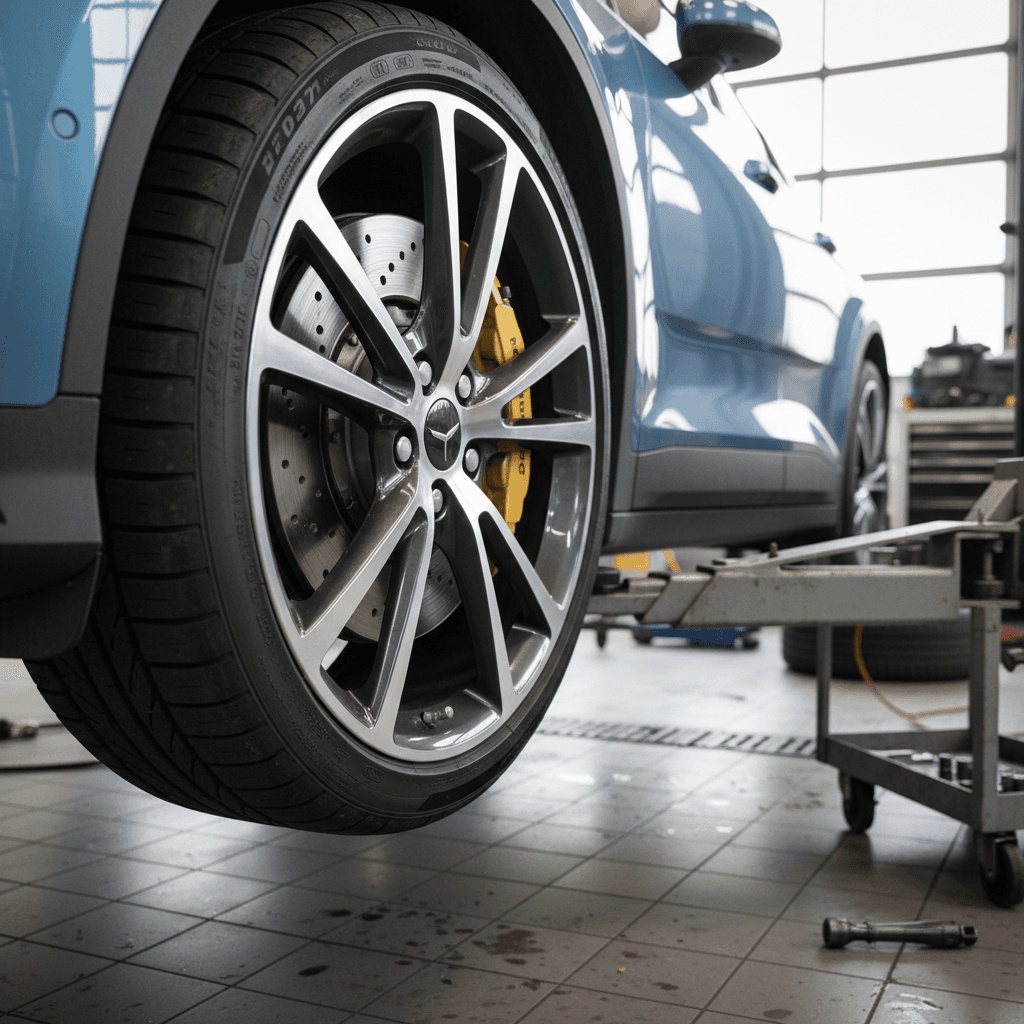
For most Polestar 2 owners, the real money goes into tires long before any exotic EV repair shows up. This is a hefty, quick car with instant torque. Drive it the way Polestar secretly hopes you will, and you’ll see it on your tire invoices.
Where Polestar 2 owners really spend money
Budget for these, and your maintenance picture looks a lot less scary.
Tires
The number-one consumable on a Polestar 2.
- Life: Many owners see 20,000–30,000 miles on OE performance tires, less with spirited driving.
- Cost in 2026: A quality set in 19–20 inch sizes typically runs $900–$1,400 installed.
Brakes
Regenerative braking does most of the work, so pads and rotors last longer than on a gas car.
- Life: 60,000+ miles is common unless you live in steep, hilly terrain.
- Cost: A full axle of pads and rotors can run $450–$900 depending on parts and labor.
Out-of-warranty repairs
So far, there’s no pattern of catastrophic failures for the Polestar 2, but any modern EV has pricey components.
- Electronics or sensors: a few hundred dollars per visit.
- Major high-voltage or battery work is rare and usually under warranty in the first 8–10 years.
Don’t ignore tires and alignment
How Polestar 2 maintenance compares to a gas car
If you’re cross-shopping a Polestar 2 with a gasoline compact luxury sedan, think BMW 3 Series, Audi A4, or Mercedes C‑Class, the maintenance math is where the EV quietly grins. National and independent studies in 2024–2025 consistently show that EVs cost about 30–50% less to maintain over their lifetime than equivalent gas vehicles.
5‑year maintenance: Polestar 2 vs. comparable gas sedan (illustrative 2026 numbers)
Approximate maintenance-only costs assuming 12,000 miles per year in the U.S. Your actual numbers will depend on driving style and local labor rates.
| Vehicle type | Oil, filters, ignition | Brakes | Other scheduled service | Total 5‑year maintenance |
|---|---|---|---|---|
| Polestar 2 (EV) | $0 | $500–$800 | $3,000–$4,000 | ≈$3,500–$4,800 |
| Gas luxury sedan | $600–$900 | $800–$1,200 | $3,000–$5,000 | ≈$4,400–$7,000 |
Fuel and insurance are separate, but when you add them in, EVs usually pull even farther ahead.
You’ll still pay for the things both cars share, tires, brake fluid, cabin filters, alignments, wiper blades. But the EV wipes out a long list of recurring jobs (oil changes, spark plugs, emissions checks, transmission service), and that’s where most of your savings live.
Where the Polestar 2 quietly saves you money
Maintenance costs for used Polestar 2 buyers
If you’re shopping the growing crop of used 2021–2024 Polestar 2s in 2026, your maintenance story depends a lot on where in the car’s life you’re stepping in. A 12,000‑mile lease return that’s barely out of diapers is a different animal from a 60,000‑mile commuter car.
What to look for in a used Polestar 2 (maintenance-wise)
1. Verify service history in the Polestar app
Ask the seller or dealer to show you the <strong>digital service record</strong>. You’re looking for at least one documented scheduled visit in the first 3 years, plus any warranty work.
2. Confirm if complimentary maintenance is still active
Many Polestar 2s came with <strong>3 years / 30,000 miles of scheduled service</strong>. On a 2‑year-old car, that can mean your first visit or two is still covered when you take ownership.
3. Inspect tire wear carefully
Uneven wear can hint at alignment or suspension issues. A set of new tires can easily add <strong>$1,000</strong> to your first year of ownership, so bake that into your budget.
4. Ask about any out-of-pocket repairs
Minor fixes, sensors, trim pieces, software visits, aren’t red flags by themselves. But a thick folder of unresolved complaints is a reason to slow down and investigate.
5. Get a battery and health report if possible
With a seller or marketplace that understands EVs, you can often access <strong>battery state-of-health data</strong> to see how the pack has aged. That’s huge for long-term peace of mind.
How Recharged helps used Polestar 2 buyers
How to keep Polestar 2 maintenance costs low
You can’t change the fact that the Polestar 2 is a heavy, quick EV. But you have a lot of influence over how often it needs tires, how noisy it becomes on the highway, and whether you’re paying Volvo-luxury menu prices for simple jobs like cabin air filters.
Six ways to trim Polestar 2 maintenance cost in 2026
Think of this as preventative medicine for your EV.
Drive smoother, save rubber
It’s not glamorous, but it works.
- Avoid full‑throttle launches and late, hard braking.
- Use regen aggressively instead of the friction brakes.
- Your reward: thousands of extra miles from a set of tires.
Check alignment yearly
A quick alignment check, often bundled with tire work, can prevent the classic inside‑edge wear that kills tires early.
Ask for a printout, and don’t be shy about requesting a recheck if the car feels off.
DIY simple items
Polestar 2 cabin filters and wiper blades are well within DIY territory for many owners.
Spend $40–$80 on parts instead of a few hundred on a dealer menu if you’re comfortable turning a screwdriver.
Use the app smartly
Book maintenance through the Polestar app and ask for a line‑item estimate before you drop the car off.
Decline add‑ons you don’t need, like overpriced tire shine or generic "fuel system" services meant for gas cars.
Schedule around other visits
If you’re already visiting for a warranty repair or recall, ask the service advisor to bundle your scheduled maintenance.
One appointment, one loaner, one day off work.
Choose the right shop
You’re not always locked into one high-end dealer.
In many areas, Volvo service centers and EV‑savvy independents can handle Polestar 2 basics at friendlier labor rates.
High-voltage work is not DIY
When to worry about battery and drivetrain costs
The specter hanging over every used EV listing is the same: “What if I need a battery?” In 2026, we have a much clearer picture than we did even a few years ago, and it’s encouraging. Studies and fleet data suggest that only a small percentage of EV batteries, low single digits, have needed replacement within the first 8–10 years, and most of those were covered under warranty.
- Polestar’s battery warranty is typically on the order of 8 years or 100,000+ miles against excessive capacity loss, depending on market and model year.
- The high-voltage battery is designed as a lifetime component for typical ownership cycles, not a 60,000‑mile wear item like a clutch.
- Most long-term EV costs still come from "normal car stuff": suspension, tires, and cosmetic repairs, not battery packs suddenly keeling over.
How Recharged de-risks battery concerns
Polestar 2 maintenance FAQ (2026)
Frequently asked questions about Polestar 2 maintenance cost
Is a Polestar 2 expensive to maintain? The bottom line
If you’re coming out of a European gas sedan or SUV, the Polestar 2 will likely feel refreshingly low‑drama to maintain. There’s still real money in tires and the occasional $400–$600 service visit, but the death‑by‑a‑thousand‑oil‑changes simply isn’t part of the story. Over a 5‑ to 8‑year horizon, you’re looking at routine maintenance that undercuts most comparable gas cars, paired with the usual EV perks of cheaper “fuel” and longer brake life.
The trick in 2026 is to go in with your eyes open. Know when complimentary maintenance ends. Ask for itemized quotes before you authorize work. And if you’re buying used, insist on a clear maintenance record and a battery health report. That’s exactly what Recharged builds into every Polestar 2 we list: transparent history, a Recharged Score battery assessment, and expert guidance so you can enjoy the car’s clean, quick personality without constantly watching the mailbox for the next surprise bill.