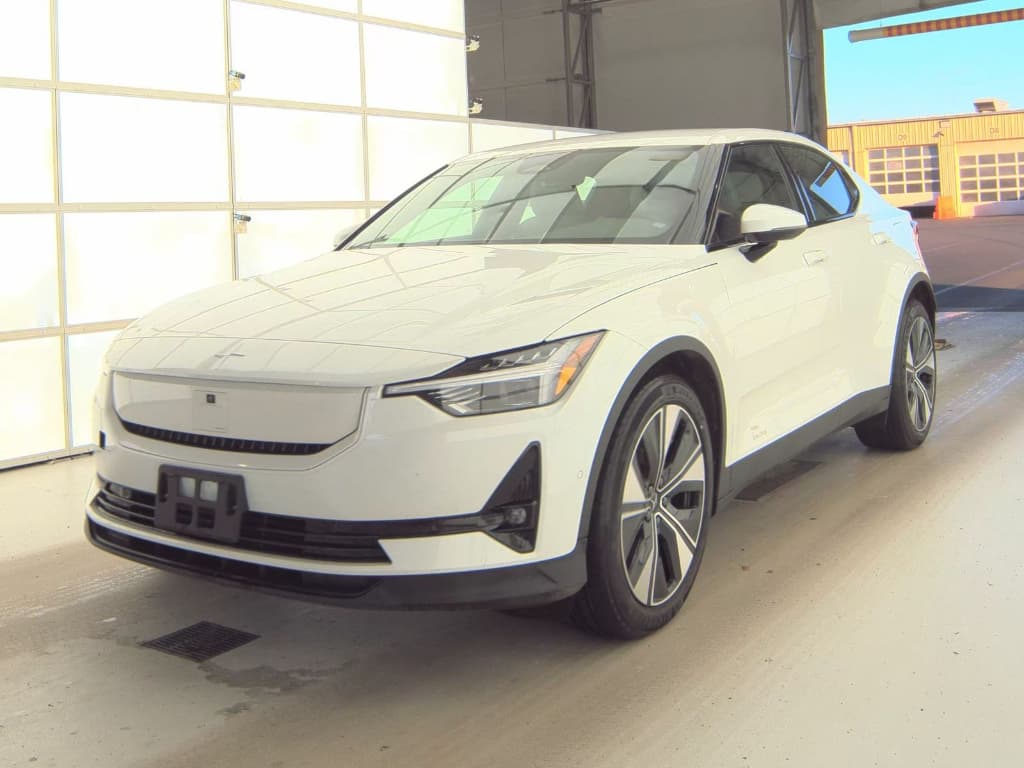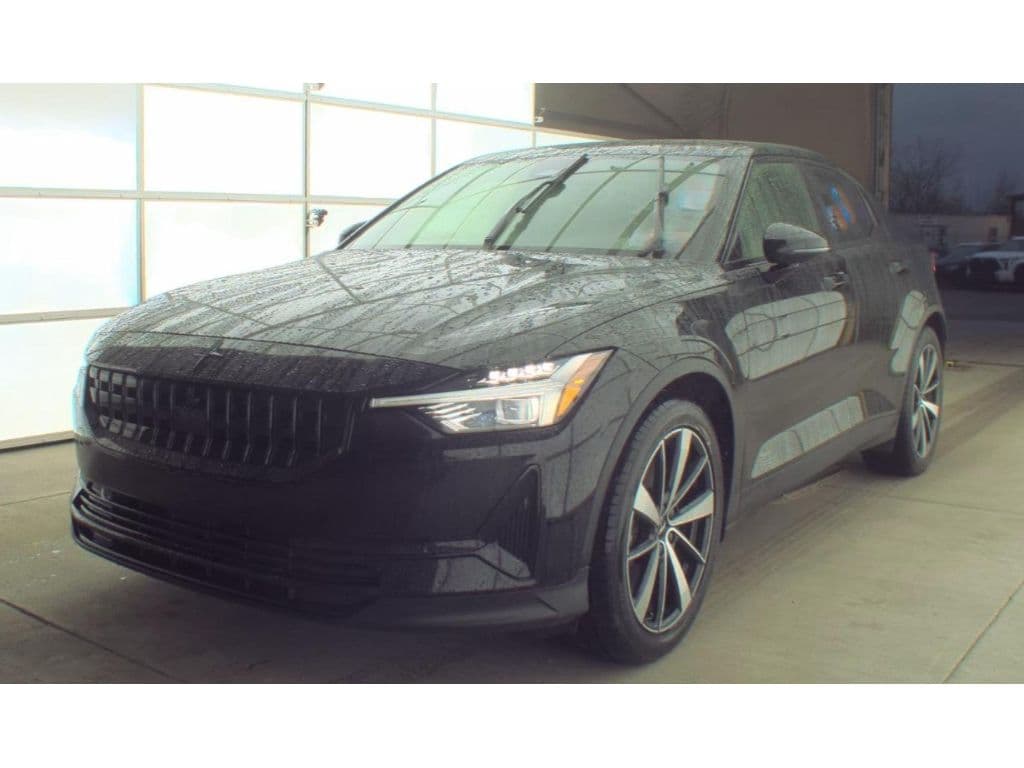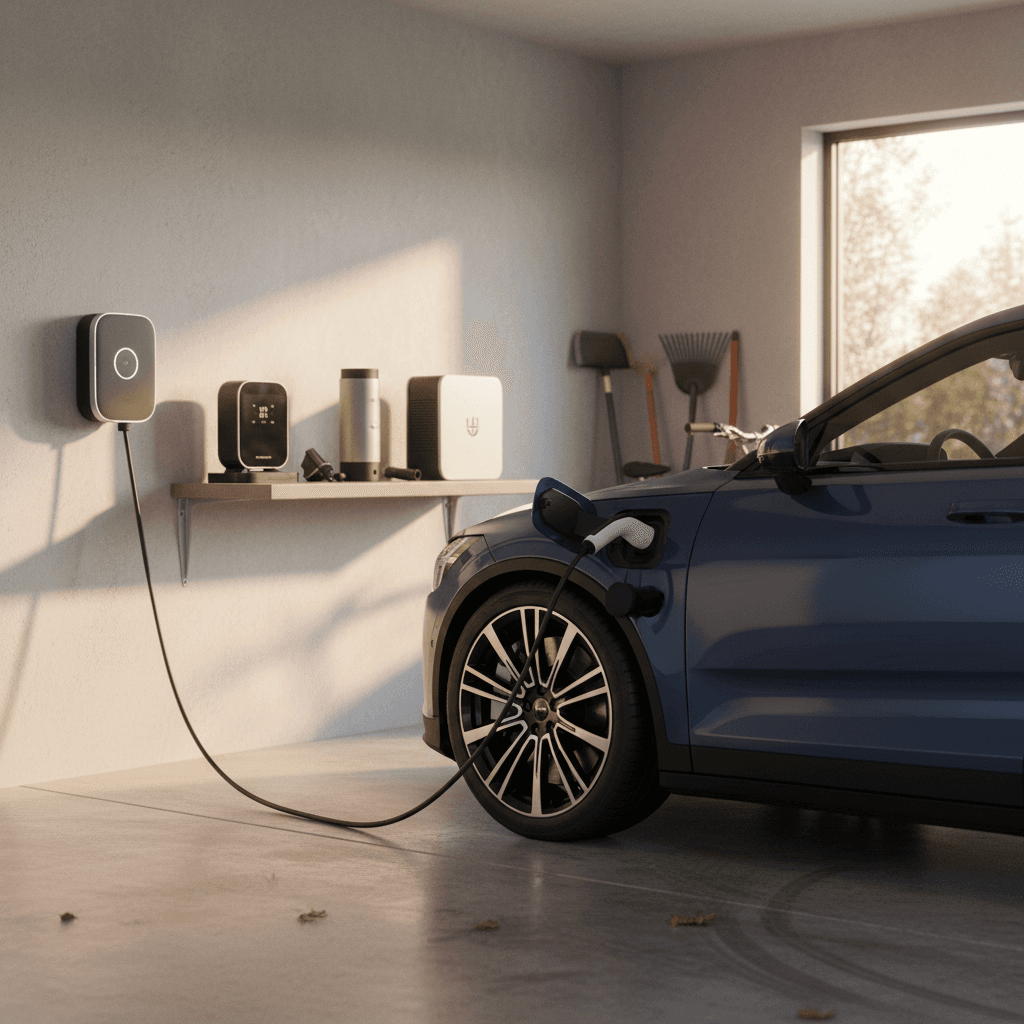
If you’re shopping for a Polestar 2 or already have one on the driveway, getting the best home charger dialed in will make or break your ownership experience. The good news: the Polestar 2 is easy to live with at home as long as you pair it with the right Level 2 charger and a sensible installation plan.
Polestar’s own recommendation
Why home charging matters for your Polestar 2
On paper, the Polestar 2 looks like a performance hatchback. In daily life, it behaves more like a smartphone on wheels: you plug it in when you get home and start the day with a mostly full "battery." Relying on DC fast charging for routine driving is not only more expensive, it’s also harder on the pack over time. A properly sized home charger lets you refill overnight at lower electricity rates while being far kinder to your battery.
- Lower cost per mile than public DC fast charging, especially on off‑peak rates
- Convenience of leaving home with a predictable state of charge every morning
- Less time spent hunting for public chargers on busy days
- Gentler charging profiles that support long‑term battery health
Don’t overbuild just for bragging rights
Quick answer: The best home chargers for Polestar 2
If you just want a short list, here are the best home chargers for the Polestar 2 in 2026 (U.S. market, J1772/CCS1 cars):
Best home chargers for Polestar 2 in 2026
All of these work with the Polestar 2’s J1772 AC inlet and 11 kW onboard charger.
Best overall: ChargePoint Home Flex
Why it’s great for Polestar 2
- Polestar’s preferred home charging partner in the U.S.
- Adjustable up to 50 A (≈ 12 kW), so 11 kW for Polestar 2 is easy.
- Mature app with good energy tracking and scheduling.
Best if you want a well‑known brand and polished software.
Best value: Emporia Level 2 (48A)
Why it’s great for Polestar 2
- Typically priced below many “big name” units.
- Up to 48 A output, configurable to match your circuit.
- Good app with load management if you add other Emporia gear.
Ideal if you want smart features at a lower price point.
Compact & stylish: Wallbox Pulsar Plus
Why it’s great for Polestar 2
- Small footprint, clean design, fits modern garages.
- Up to 40 A or 48 A depending on model.
- Solid app, option for dynamic power sharing later.
Perfect if you care how the charger looks on the wall.
Durable & outdoor‑friendly: JuiceBox 48
Why it’s great for Polestar 2
- Rugged enclosure, good for exposed exteriors.
- 48 A output; suggested by distributors as Polestar‑compatible.
- Wi‑Fi connectivity, scheduling, and basic insights.
Great pick if your charger lives outside full‑time.
The short version
Polestar 2 charging basics: what your car can actually use
Before we argue about which box to hang on the wall, you need to know the constraints built into the Polestar 2 itself. Those limits matter more than the sticker on any EVSE (home charger).
Key Polestar 2 home‑charging specs (North America)
In the U.S. and Canada, Polestar 2 models use the SAE J1772 connector for Level 2 AC charging and the CCS1 combo for DC fast charging. That means any properly installed J1772 wallbox from a reputable brand will work, there’s no need for adapters at home.
Don’t chase three‑phase numbers
Key features to look for in a Polestar 2 home charger
Once you know the car tops out at 11 kW on AC, the question becomes: which charger actually makes sense in your situation? Here are the features that matter, and the ones that mostly don’t.
What matters (and what doesn’t) in a Polestar 2 home charger
Use these criteria to quickly narrow the field.
1. Amperage & wiring
Target: 40–48 A
- On 240 V, 40 A ≈ 9.6 kW; 48 A ≈ 11.5 kW.
- Must be matched to your breaker and wire gauge.
- Hardwired is usually preferred above 40 A.
2. Smart features
Nice to have, not mandatory
- Wi‑Fi/Bluetooth app controls, scheduling, and usage tracking.
- Can align charging with off‑peak rates.
- More useful if your utility has time‑of‑use pricing.
3. Safety & certification
Non‑negotiable
- Look for UL/cUL listing and NEMA 4 or better enclosures outdoors.
- Ground‑fault protection built in.
- Use a licensed electrician for the circuit itself.
4. Mounting & cable management
Plan for daily use
- Wall‑mounted holster keeps the plug clean and out of the way.
- At least 18–23 ft cable is ideal for most driveways.
- Think about where the Polestar 2’s charge port sits (driver’s front fender).
5. Software ecosystem
Optional, but can be useful
- ChargePoint, Wallbox, JuiceBox, Emporia all offer apps.
- Some integrate with smart‑home platforms or load management.
- Consider whether you’ll actually open the app after week two.
6. Total cost, not just hardware
Think in total project dollars
- Charger hardware: often $400–$800 as of 2026.
- Installation can easily match or exceed hardware cost.
- Federal/state rebates may offset part of the bill.
Top home chargers for Polestar 2, compared
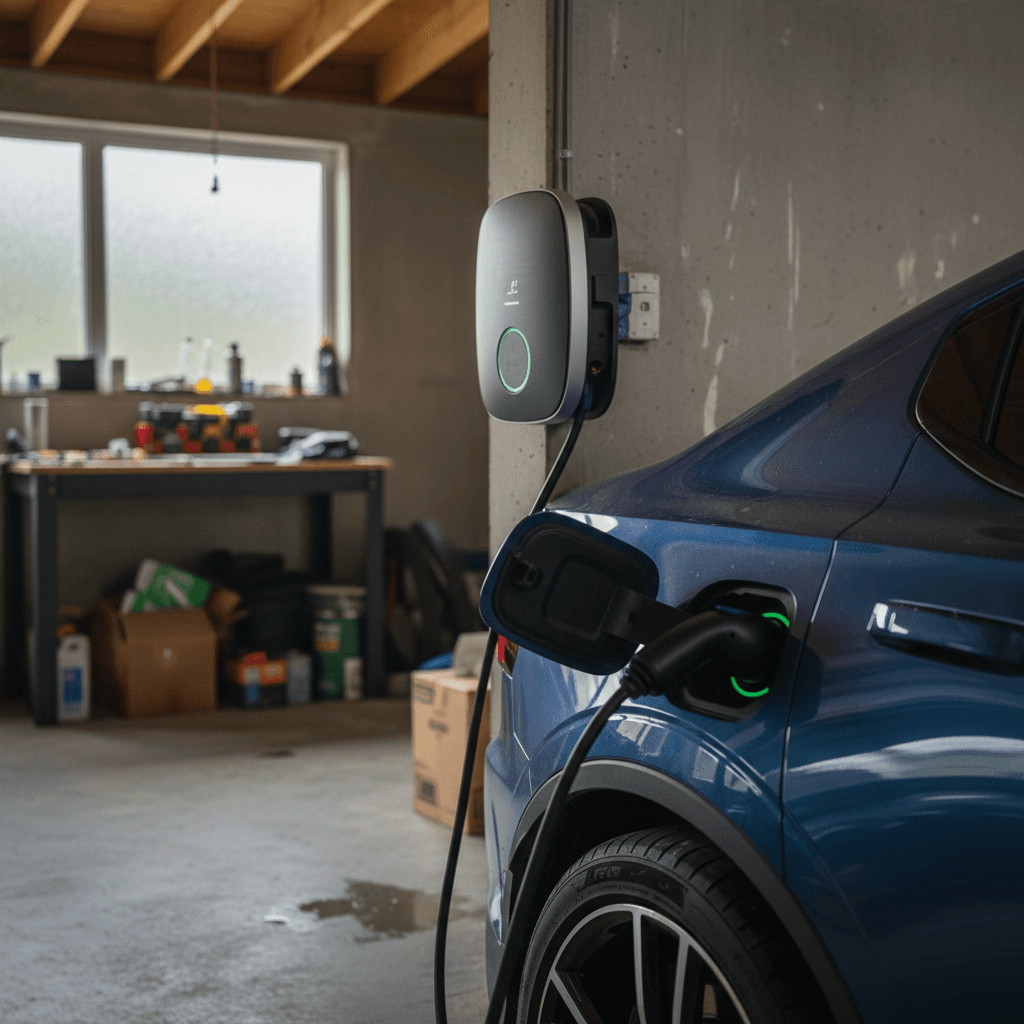
Let’s put some leading options side by side. Exact pricing shifts with promos and regional incentives, but this table captures the basics Polestar 2 owners should care about in 2026.
Popular Level 2 chargers for Polestar 2 (U.S. 2026)
All of these use a J1772 connector and work with the Polestar 2’s 11 kW onboard charger.
| Charger | Max amps | Max kW @ 240 V | Connector | Mounting | Best for |
|---|---|---|---|---|---|
| ChargePoint Home Flex | 50 A (configurable) | ≈12.0 kW | J1772 | Hardwire or plug‑in | Most Polestar 2 owners who want a polished app and OEM‑aligned brand |
| Emporia Level 2 (48A) | 48 A (configurable) | ≈11.5 kW | J1772 | Hardwire or plug‑in | Value shoppers who want smart features and energy monitoring |
| Wallbox Pulsar Plus | 40 A or 48 A | ≈9.6–11.5 kW | J1772 | Hardwire or plug‑in | Style‑conscious owners, tight garage spaces |
| JuiceBox 48 | 48 A | ≈11.5 kW | J1772 | Hardwire or plug‑in | Outdoor installs that need durable hardware |
| MSI EV Life / EV Life Plus | 60 A (derate for Polestar 2) | ≈14.4 kW (car still capped at 11 kW) | J1772 or NACS | Hardwire or plug‑in | Tech‑minded buyers who want OCPP, Ethernet, and RFID features |
Always confirm current pricing, incentive eligibility, and electrical requirements before buying.
About Tesla Wall Connectors and NACS
Installation and electrical considerations
The “best home charger” for a Polestar 2 isn’t just about the pedestal on the wall; it’s also about what’s hiding behind your drywall. Many owners discover that the limiting factor isn’t the car or the charger, it’s the main panel.
Pre‑install checklist for your Polestar 2 home charger
1. Check your main service capacity
Look at your electrical panel label or ask an electrician whether your home is on 100 A, 150 A, 200 A, or higher service. A 40–48 A charger on a 50–60 A breaker is much easier to accommodate on 200 A service.
2. Decide on plug‑in vs. hardwired
NEMA 14‑50 plug‑in units are flexible and easier to replace later, but limited to 40 A continuous load by code. If you want the full 48 A for maximum Polestar 2 speed, plan on a hardwired installation.
3. Pick the right circuit size
By U.S. code, continuous loads are limited to 80% of breaker rating. That means 40 A on a 50 A breaker or 48 A on a 60 A breaker. Don’t let anyone “cheat” this math, it’s there to protect your home.
4. Think about charger placement
The Polestar 2’s charge port is on the driver’s side front fender. Mount the charger so the cable reaches comfortably from your parking spot without being stretched or driven over.
5. Get a quote from a licensed electrician
Resist the temptation to DIY 240 V work. Have a licensed electrician quote the run, breaker, and permits. They can also explain whether a panel upgrade or load management device makes sense.
6. Explore incentives before you spend
As of 2026, many U.S. states and utilities offer rebates for EVSE hardware and installation. Federal credits have evolved too. Check local programs before you buy so you don’t leave money on the table.
Typical overnight scenario
If you daily‑drive 30–50 miles, even a 30–32 A charger (≈7.2 kW) is plenty. You’ll recover that energy in just a few hours while you sleep, often on cheaper off‑peak rates.
This is where the economics get interesting: a modest charger with a cheaper install can be a better use of money than a max‑power unit plus panel upgrade.
High‑mileage or multi‑EV households
If you regularly burn through most of the Polestar 2’s battery in a day, or you’re sharing a circuit with another EV, a 40–48 A charger becomes more compelling.
Many modern chargers, including Emporia and Wallbox, support load sharing across two units, so you can add a second EV later without rewiring your whole garage.
Safety first, always
Smart charging strategies to save money and battery health
The right hardware is just the first step. How you use it day‑to‑day has as much impact on your wallet and your battery as which brand you bought.
Use your home charger like a pro
A few simple habits go a long way with the Polestar 2.
1. Schedule for off‑peak hours
Many utilities now offer cheaper overnight rates. Use your charger’s app, or the Polestar app, to start charging late at night and finish by morning. That’s free money if you’re already plugging in at home.
2. Avoid living at 100%
Like most EVs, the Polestar 2’s battery is happiest when it spends most of its life somewhere between roughly 20–80% state of charge. Save 100% charges for road‑trip mornings, not every Tuesday.
3. Be mindful of temperature
Cold weather slows charging and cuts range. Whenever possible, leave the car plugged in so it can manage pack temperature on shore power instead of draining its own battery.
4. Track your real costs
Use your charger’s app, your utility portal, or both to see what your Polestar 2 actually costs to drive per mile. That’s especially important if you’re deciding between home charging and workplace or public options.
“The best charger isn’t the one with the highest number on the box. It’s the one that quietly fits your life, your panel, and your budget for the next decade.”
How Recharged fits into your Polestar 2 ownership
If you’re still shopping for a Polestar 2, or considering trading into one, home charging should be part of that decision from day one, not an afterthought once the car is in your driveway. That’s where Recharged comes in.
- Every Polestar 2 we sell includes a Recharged Score Report with verified battery health and fair‑market pricing, so you know how the pack has been treated before you invest in home charging hardware.
- Our EV specialists can talk through your daily driving, home setup, and budget to help you decide whether a 32 A, 40 A, or 48 A charger actually makes the most sense.
- If you’re trading in a gas car or another EV, Recharged can provide an instant offer or consignment and help roll your charger installation cost into an overall ownership budget.
- Nationwide delivery and a fully digital experience mean you can line up your Polestar 2 purchase, electrician visit, and charger selection without playing telephone with three different salespeople.
Think of home charging as part of the deal
FAQ: Polestar 2 home charging & best chargers
Frequently asked questions about Polestar 2 home chargers
Bottom line: Choosing the best Polestar 2 home charger
For the Polestar 2, the “best” home charger isn’t exotic. It’s a reputable 40–48 amp J1772 Level 2 wallbox on a correctly sized 240 V circuit, installed by a licensed electrician, and used thoughtfully with off‑peak scheduling and sensible charge limits. ChargePoint’s Home Flex is the most obvious fit, but strong alternatives from Emporia, Wallbox, JuiceBox, and others give you real choice on price, aesthetics, and software features.
If you pair that hardware with a realistic look at your driving patterns, and, where possible, a Polestar 2 whose battery health you truly understand, you’ll end up with an EV that feels almost invisible in the background of your life. That’s the real benchmark for “best home charger,” and it’s exactly the kind of ownership experience Recharged is built to support.