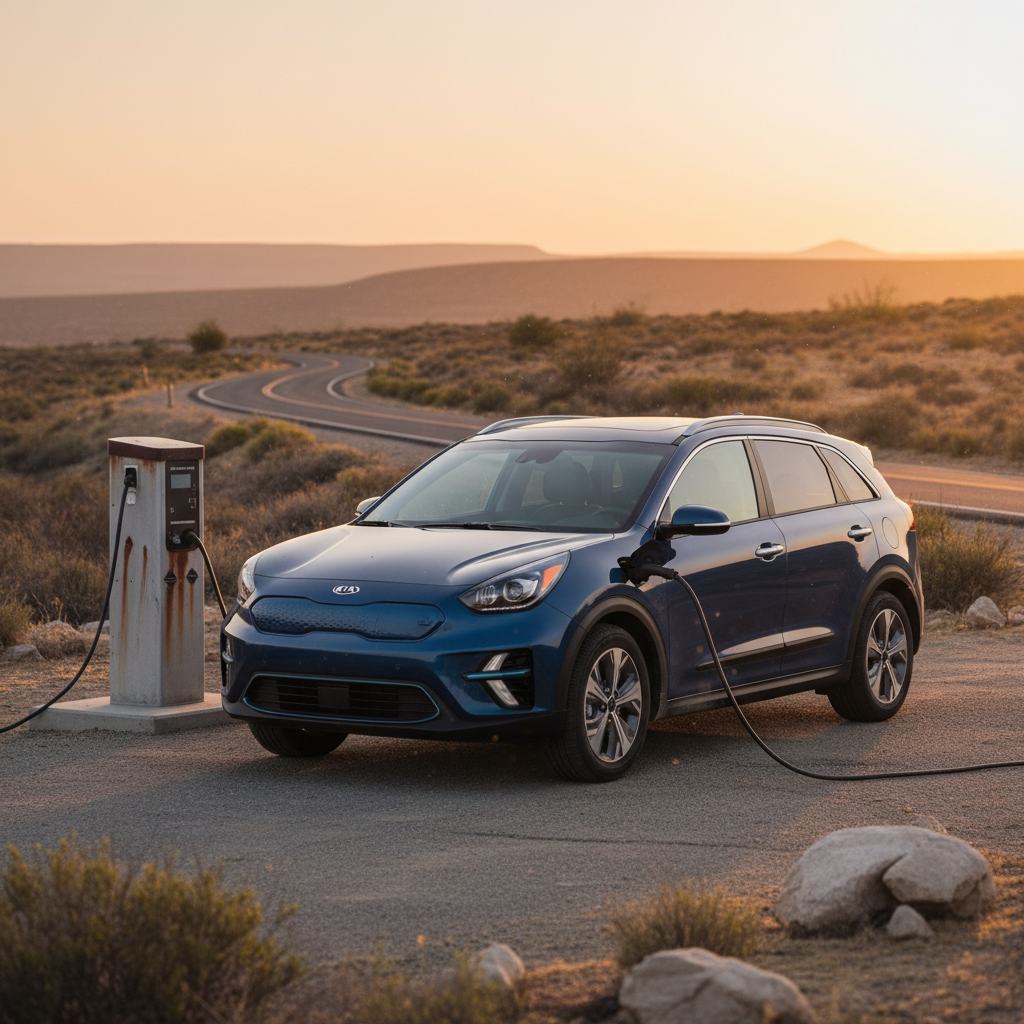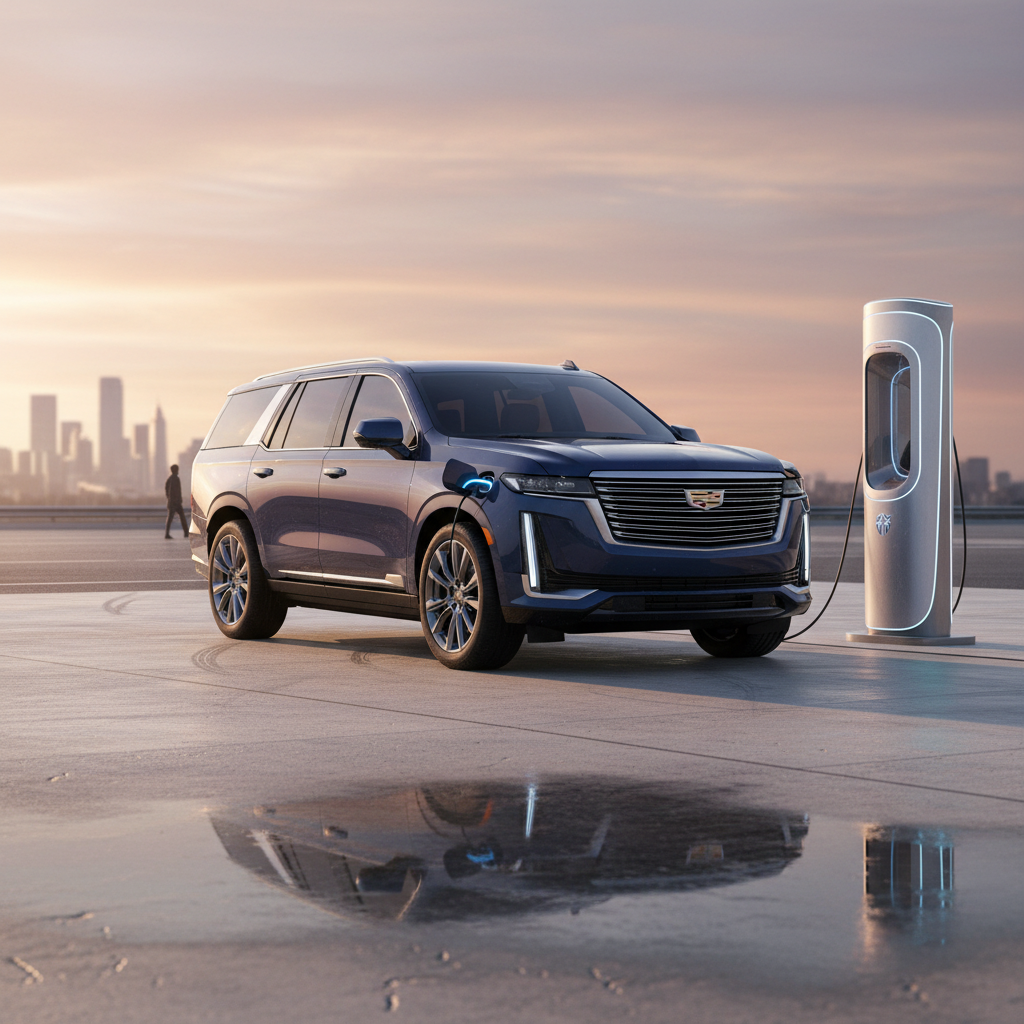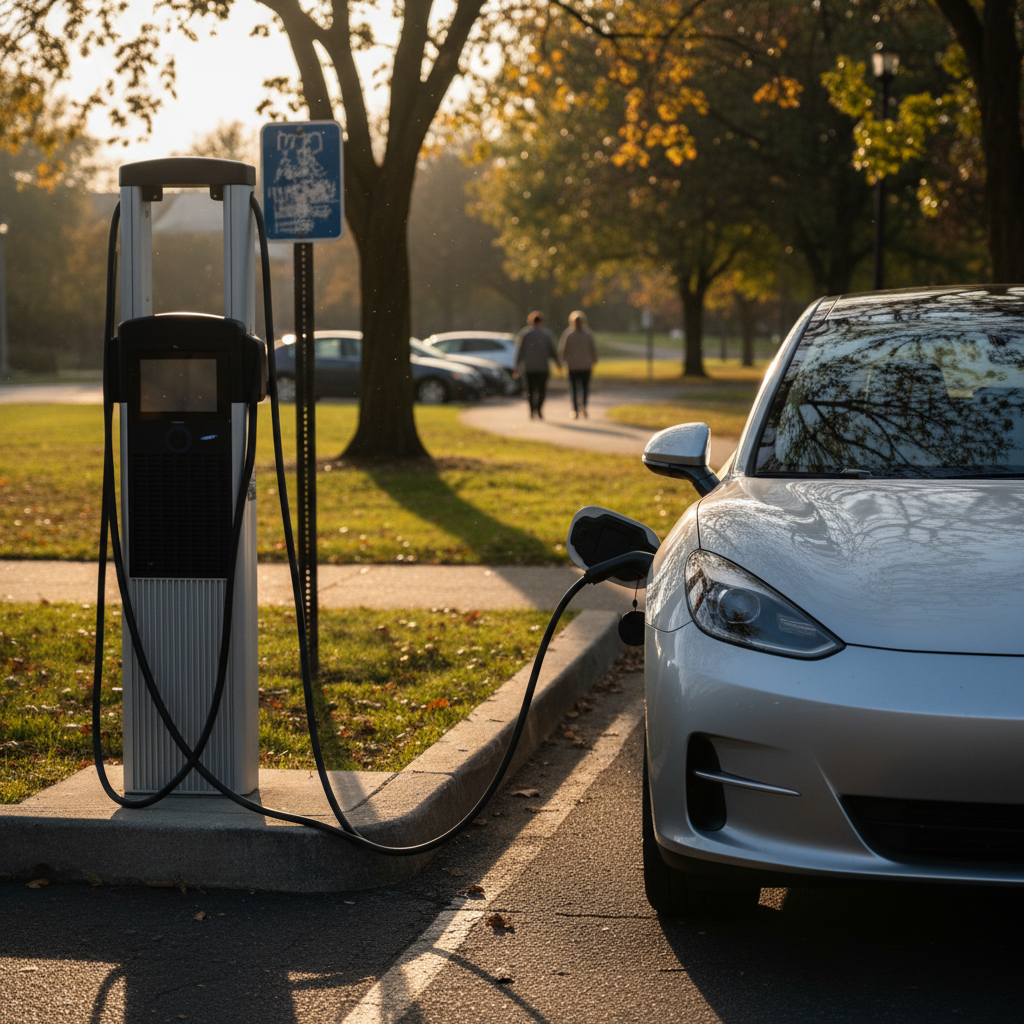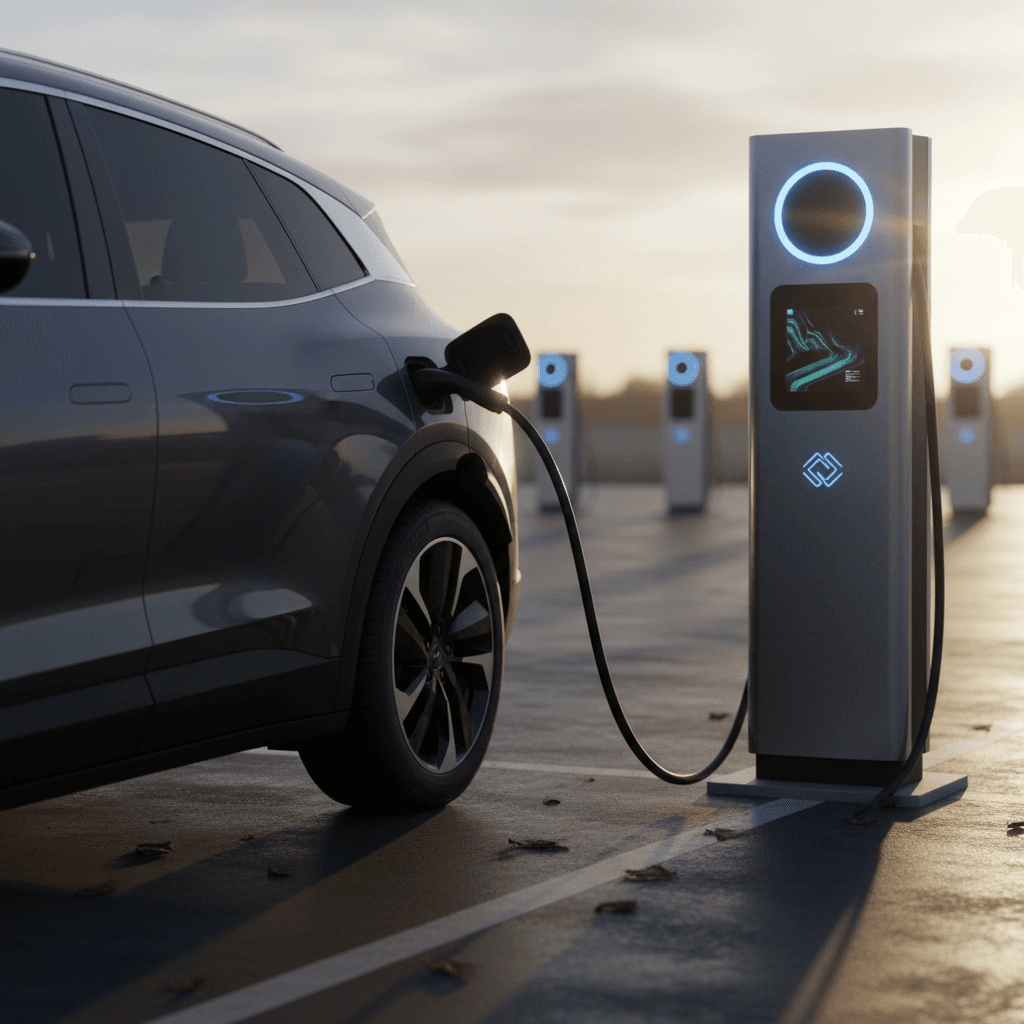
If you’ve ever fumbled with apps, RFID cards, or QR codes at a public charger, Plug and Charge sounds like a dream: you plug in, the car and station recognize each other, and billing just happens. No phone, no buttons. This guide walks through how Plug and Charge works, gives you a clear Plug and Charge EVs list by brand, covers which networks support it, and shows you what to watch for when you’re buying a new or used EV.
Quick definition
What is Plug and Charge, really?
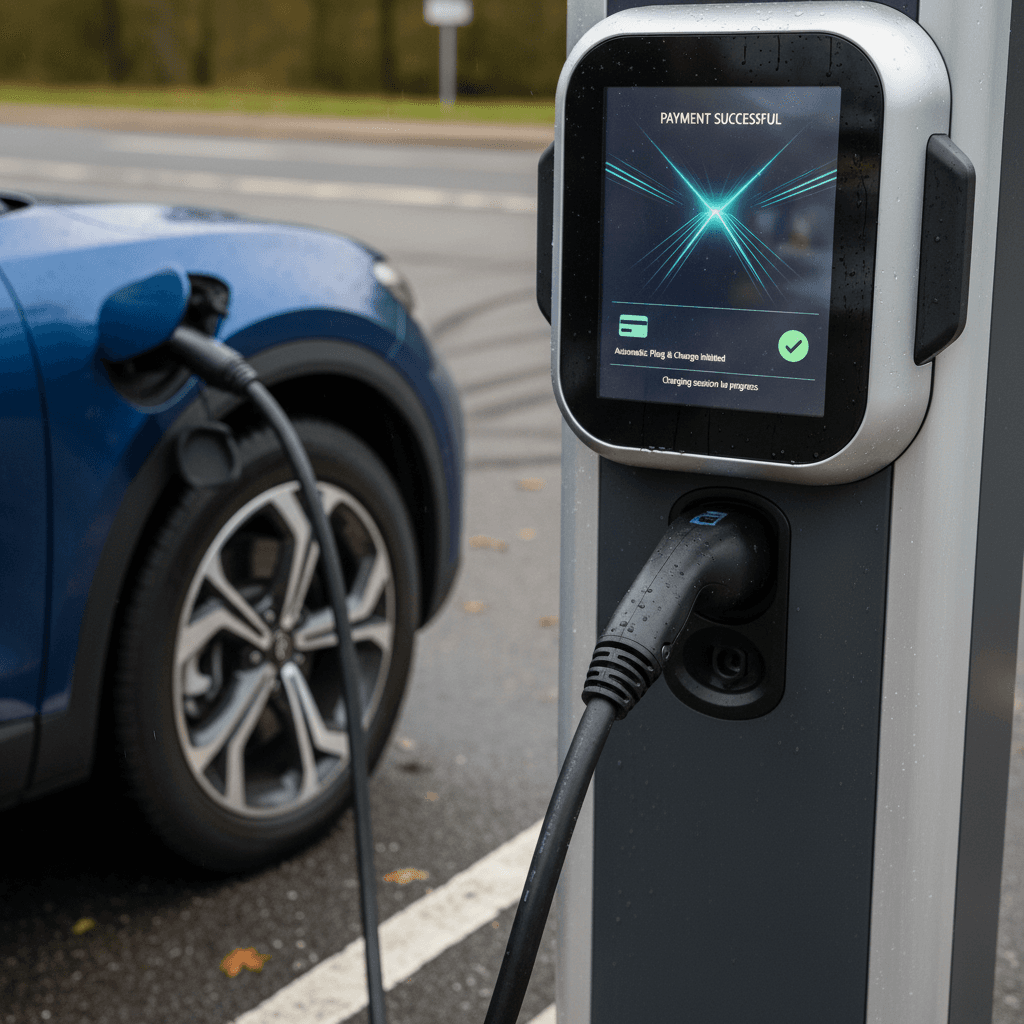
Plug and Charge is a communication standard built into newer EVs and charging stations. Instead of you starting a session in an app, your car sends a secure digital certificate through the charging cable. The station checks that certificate with your account on the back end, then starts and bills the session automatically to your saved payment method.
- Standardized tech: Built on the ISO 15118 standard for secure EV‑to‑charger communication.
- Works on DC fast charging first: Most real‑world deployments today are on DC fast chargers, though AC support is growing.
- Account based: You still need an account with the charging provider (Electrify America, EVgo, etc.), but you don’t have to open the app every time.
Why it matters on road trips
How Plug and Charge works behind the scenes
You don’t have to love cryptography to appreciate Plug and Charge, but understanding the basics will help you troubleshoot when it doesn’t work.
Behind-the-scenes steps when you plug in
What your EV and the charger do in a few seconds
1. Handshake
2. Certificate check
3. Auto billing
Why Plug and Charge sometimes fails
Plug and Charge in context
Plug and Charge EVs list (2026 snapshot)
There is no single, official, always‑up‑to‑date Plug and Charge EVs list, and automakers keep expanding support with software updates. The list below focuses on mainstream U.S. models that either ship with, or have announced, Plug and Charge capability on at least one DC fast charging network as of early 2026. Always double‑check for your specific trim year and software version.
Major Plug and Charge–capable EVs (U.S., early 2026)
These models offer Plug and Charge on at least one U.S. network, often Electrify America (EA) or EVgo. Availability can depend on model year, trim, and software updates.
| Brand | Model(s) with Plug and Charge | Typical Networks | Notes |
|---|---|---|---|
| Audi | e-tron / Q8 e-tron, Q4 e-tron (select years) | EA, some others | Uses VW group backend; check MyAudi & EA accounts. |
| BMW | i4, i5, i7, iX (newer software) | EA, select others | Some models support "AutoCharge" style features through network accounts. |
| Ford | Mustang Mach-E, F‑150 Lightning, some E‑Transit | EA, EVgo | Uses FordPass / BlueOval Charge Network; not every station supports Plug and Charge. |
| Genesis | GV60, Electrified GV70, Electrified G80 | EA, some others | Shares much of Hyundai Group infrastructure; check Genesis Connected Services. |
| Hyundai | Ioniq 5, Ioniq 6, Kona Electric (newer), EV9 (Hyundai‑badged) | EA, some others | Hyundai has focused on app‑based activation; Plug and Charge support is emerging by model and year. |
| Kia | 2025 EV6, 2026 EV9 (with Kia Plug & Charge) | EA and other Plug & Charge–enabled stations | Kia announced Plug & Charge for 2025 EV6 and 2026 EV9 via Kia Charge Pass and Kia Connect. |
| Lucid | Air, Gravity (newer builds) | EA, some others | High‑voltage architecture; Plug and Charge may run at reduced power on some networks. |
| Mercedes‑Benz | EQE, EQS, EQB, other EQ family | EA, Mercedes High‑Power Charging | Mercedes pairs Plug and Charge with its own branded network and adapters. |
| Nissan | Ariya (with proper software) | EA | Leaf focuses on CHAdeMO; Plug and Charge is rolling out with CCS‑based Ariya and future models. |
| Polestar | Polestar 2, 3 (recent updates) | EA, some others | Backed by Volvo/Polestar account services; watch for OTA updates. |
| Porsche | Taycan | EA, Porsche Charging Service | One of the earliest real‑world examples of Plug and Charge on EA’s network. |
| Volkswagen | ID.4, ID.7, ID. Buzz (newer software) | EA | VW Group has been a flag‑bearer for Plug and Charge on Electrify America. |
| Volvo | C40 Recharge, EX30, EX90 | EA, others | Shared tech stack with Polestar; capabilities improve via OTA updates. |
Presence in this table doesn’t guarantee Plug and Charge on every charger or network, verify with your automaker and charging provider.
What about Tesla?
Brand‑by‑brand Plug and Charge compatibility
Audi, VW, Porsche, and the broader VW Group
Volkswagen Group was early to deploy Plug and Charge on Electrify America, which it originally funded. Porsche Taycan drivers were among the first in the U.S. to experience true Plug and Charge at scale, and newer Audi e‑tron / Q8 e‑tron and VW ID.4 owners can often enable the feature by linking their car account (MyAudi, MyVW, MyPorsche) to an EA account.
On the lot, ask specifically whether the car has had its latest software updates and whether Plug and Charge is enabled or just "planned."
Mercedes‑Benz
Mercedes leans heavily into seamless charging. Many EQ‑branded models (EQE, EQS, EQB, and others) can use Plug and Charge on supported DC fast chargers once you connect your Mercedes me Charge account. Mercedes has also promoted Plug and Charge alongside its own branded high‑power network and its NACS adapter rollout.
For a used Mercedes EV, verify that Plug and Charge works with the current owner’s account before you sign anything; you want to see it complete a full session at a public fast charger, not just on paper.
Ford, GM, and other Detroit brands
Ford has marketed "plug‑and‑charge" capabilities for the Mustang Mach‑E, F‑150 Lightning, and some E‑Transit models, especially on Electrify America. The experience can vary by station firmware and region, but when everything lines up you plug in and walk away while billing flows through your FordPass / BlueOval Charge Network account.
GM brands (Chevrolet, Cadillac, GMC) have focused more on app‑driven activation so far, but as their Ultium‑based lineup matures and NACS access expands, expect more Plug and Charge‑style behavior to show up in software updates and new models.
Hyundai, Kia, Genesis
Hyundai and Genesis were early leaders in fast‑charging hardware, but their Plug and Charge implementation has been slower and patchier. The big swing comes with Kia Plug & Charge, announced for the 2025 EV6 and 2026 EV9. With an active Kia Connect subscription and Kia Charge Pass account, these models will be able to start and bill charging sessions automatically at compatible stations.
Hyundai‑ and Genesis‑badged models are tiptoeing toward similar behavior, typically tied to their branded charging programs and OTA updates. Always check the automaker’s latest documentation by model year.
Luxury innovators: Lucid, Polestar, Volvo
Lucid has quietly supported ISO 15118 features as it opens up to more fast‑charging networks. Because Lucid uses an ultra‑high‑voltage system, power levels may be lower on some older 400‑volt fast chargers even when Plug and Charge is enabled, but the "just plug in" experience still saves you steps.
Polestar and Volvo share software DNA and are rolling out Plug and Charge through updates and integrations with providers like Electrify America. As with most brands, support is model‑ and year‑specific, so always ask for the exact build information.
Everyone else
Brands like BMW, Nissan, Jaguar, and others are at various stages of ISO 15118 adoption. Some pair with network features like "AutoCharge" that mimic Plug and Charge but may use the vehicle’s VIN or other identifiers instead of full certificate‑based authentication.
If the dealer or seller can’t give you a clear answer on Plug and Charge, assume you’ll still need to start most sessions in an app or with an RFID card, then treat Plug and Charge as a future bonus if a software update unlocks it.
Which charging networks support Plug and Charge?
Plug and Charge is a handshake between three things: your car, the charger’s hardware and software, and the network that actually takes your payment. Even if your EV supports Plug and Charge, you won’t see the magic everywhere, only on networks that have switched it on.
Major U.S. Plug and Charge–capable networks
What to expect when you roll up to a fast charger
Electrify America
EVgo
ChargePoint (select sites)
Automaker‑branded networks
Look for the logos, not just the plugs
How to set up Plug and Charge on your EV
Getting Plug and Charge working is mostly about connecting your car’s identity to a billing account. The exact taps vary by brand, but the ingredients are the same.
Checklist: getting Plug and Charge working
1. Confirm your EV supports it
Check your owner’s manual or the automaker’s website for your exact model year. Look for mentions of <strong>Plug and Charge</strong>, ISO 15118, or specific network partnerships like Electrify America or EVgo.
2. Create or update your charging network account
If your car uses Electrify America, EVgo, or another network, download its app, create an account, and add a valid payment method. Some brands bundle this under a single umbrella (FordPass, Mercedes me Charge, Kia Charge Pass).
3. Link vehicle and account
In many cases you’ll log into the charging provider inside your car’s infotainment system or in the automaker’s app. That’s where the secure certificate gets provisioned to your vehicle.
4. Enable Plug and Charge in settings
Look for a toggle in your EV’s charging or connectivity menu labeled "Plug and Charge" or similar. You may need to accept separate terms of service for this feature.
5. Test at a known compatible station
Head to a DC fast charger the automaker or network specifically lists as Plug and Charge–ready. Plug in, wait 10–20 seconds, and check the charger screen for confirmation before walking away.
6. Keep your apps anyway
Even when Plug and Charge works most of the time, you’ll still run into stations or regions where it doesn’t. Keeping the network apps installed gives you a reliable plan B.
Good news for used EV buyers
Plug and Charge vs Tesla-style Supercharging
If you’ve watched Tesla owners back in, plug in, and stroll off to get coffee without touching their phones, you already know the feel of Plug and Charge. Under the hood, though, they’re not the same system.
Plug and Charge (ISO 15118)
- Open standard: Designed for any automaker and any network that implement the protocol.
- Multiple providers: Works across networks like EA, EVgo, and automaker‑branded chargers when accounts are linked.
- Connector‑agnostic: Can work over CCS or NACS as long as the hardware and software support it.
- Still maturing: Different brands implement it at different speeds, so your results may vary by model and station.
Tesla’s Supercharger experience
- Proprietary system: Tesla controls both cars and chargers, so the handshake is tightly integrated.
- Account built into the car: Your Tesla account and payment method live in the vehicle and the Tesla app.
- Now opening up: As more non‑Tesla EVs get NACS ports or adapters, Tesla is adding app‑driven and semi‑automatic charging flows for other brands.
- Feels like Plug and Charge: For Tesla drivers, the effect is the same: plug in and start charging automatically.
NACS doesn’t guarantee Plug and Charge
Pros and cons of Plug and Charge for real drivers
Is Plug and Charge a must‑have feature?
How it feels once you live with it
What Plug and Charge gets right
- Less friction: You skip log‑ins, QR codes, and RFID cards when it works.
- Fewer mistakes: No more starting the wrong connector or wrong station in a crowded plaza.
- Better for guests: Friends or family can charge without learning every app on your phone.
- Future‑proofing: As more networks upgrade, your car is ready to take advantage.
Where Plug and Charge falls short
- Patchy support: It may work at one station in a city and fail at another down the road.
- Opaque errors: When the handshake fails, you usually see a generic fault message.
- Account spaghetti: You still need to understand which network is billing you and what the rates are.
- Not magic for pricing: It doesn’t make charging cheaper, just simpler.
Shopping for a used EV with Plug and Charge
If you’re buying a used EV, Plug and Charge can be the difference between feeling like early‑adopter homework and a smooth, modern experience. But because support depends on both hardware and software, you’ll want to go a little deeper than the window sticker.
Used‑EV checklist: evaluating Plug and Charge
1. Confirm model year and trim
Within the same model line, some trims and years support Plug and Charge while others don’t. For example, a newer luxury trim might have the right onboard charger and software while an earlier base model does not.
2. Ask for a real charging demo
If possible, meet the seller at a compatible DC fast charger and watch the car plug in and start a session. This also gives you a live look at charging speeds and any warning messages.
3. Check software update history
Many Plug and Charge features arrive via over‑the‑air updates. Ask the seller or dealer to show that all available updates have been applied, especially for infotainment and charging modules.
4. Look at charging history and battery health
High fast‑charging use isn’t necessarily a dealbreaker, but you want to see consistent behavior and reasonable degradation. At Recharged, every vehicle gets a <strong>Recharged Score</strong> with verified battery health so you know what you’re paying for.
5. Verify network eligibility
If the seller claims Plug and Charge works on Electrify America, confirm that the car is actually enrolled and that the feature is supported for that VIN, not just the model line in general.
6. Decide how important the feature is to you
If you do mostly home charging and occasional road trips, Plug and Charge is a nice‑to‑have. If you’ll lean heavily on public fast charging, it moves closer to must‑have territory.
Where Recharged fits in
Plug and Charge FAQs
Frequently asked questions about Plug and Charge
Bottom line: Is Plug and Charge worth prioritizing?
Plug and Charge is one of those EV features that’s easy to overlook on a spec sheet and hard to live without once you’ve experienced it. When everything lines up, your EV, the charger, and the network, you just plug in and go live your life while electrons and billing details sort themselves out in the background.
If you’ll lean on public fast charging for road trips or day‑to‑day driving, shopping from the growing Plug and Charge EVs list is a smart way to future‑proof your choice. Just remember that it’s not universal yet: you still want the right apps, a solid home‑charging plan, and realistic expectations about how often you’ll see that seamless experience.
When you’re ready to pick a used EV that fits the way you actually drive and charge, Recharged can help you decode Plug and Charge support, verify battery health with a Recharged Score report, and line up financing, trade‑in, and delivery, all without setting foot in a traditional showroom.