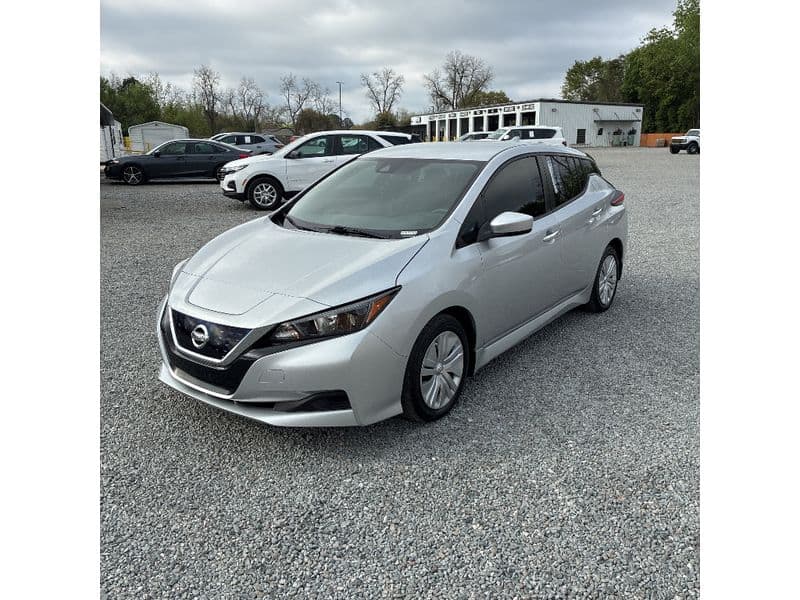
If you own a Nissan Leaf, the question of value after 3 years isn’t academic, it’s money out of your pocket. Whether you bought new in 2023 and are eyeing a swap in 2026, or you’re shopping a 3‑year‑old Leaf on the used market, understanding what these cars are really worth after three years will help you avoid overpaying and keep you from leaving hundreds or even thousands of dollars on the table when you sell.
Quick take
Why Nissan Leaf value after 3 years matters
Three years is a natural decision point. For new‑car buyers, it’s when warranties start to age and life needs change. For used‑car shoppers, a 3‑year‑old Leaf often delivers current tech at a deep discount from new. Knowing typical 3‑year depreciation helps you decide whether to keep your Leaf longer, trade it in, or buy used instead of new.
- You’re coming off a 36‑month lease and deciding whether to buy your Leaf or walk away.
- You bought new and are considering trading while it’s still under warranty.
- You’re shopping a 2–4‑year‑old Leaf and want to know if the asking price is fair.
- You’re planning ahead and want to understand total cost of ownership, not just monthly payments.
A 3‑year Leaf can be a sweet spot
How much is a Nissan Leaf worth after 3 years?
Typical 3‑year Nissan Leaf value snapshot
Online valuation tools and used‑car transaction data for the U.S. market suggest that a 3‑year‑old Nissan Leaf typically retains around 45–55% of its original MSRP. In dollar terms, that often translates to something like:
Illustrative 3‑year Nissan Leaf value examples
Approximate retail asking ranges for a 3‑year‑old Leaf in good condition and average mileage, based on recent U.S. market data. These are examples, not quotes.
| Original MSRP (approx.) | Age & trim example | Estimated 3‑year retail range | Approx. depreciation |
|---|---|---|---|
| $29,000 | Leaf S, 3 years old, ~30k miles | $14,000–$16,000 | 45–52% |
| $32,000 | Leaf SV, 3 years old, ~30k miles | $15,500–$18,000 | 44–52% |
| $37,000 | Leaf SV Plus, 3 years old, ~30k miles | $18,000–$21,000 | 43–51% |
Your actual value will vary by options, location, mileage, and battery health.
Not all 3‑year Leafs are equal
Why the Leaf depreciates faster than many gas cars
Depreciation isn’t random. The Leaf’s value curve is shaped by several structural factors in the EV market, some unique to the model, others shared with many early EVs. Understanding these will help you see whether your Leaf is behaving “normally” or showing red flags.
Key reasons Nissan Leaf values drop quickly
What pushes 3‑year‑old Leaf prices down, and why that’s not always bad for you
Rapid tech progress
Charging standard & network
Incentives change the math
Put simply, the Leaf’s depreciation is a combination of normal new‑car value loss plus EV‑specific pressures like charging standards and perceived battery risk. For used buyers, that can be an opportunity; for sellers, it means doing your homework before you price or accept an offer.
Battery health: the biggest driver of Leaf value
On a 3‑year‑old Leaf, battery health matters more than almost anything else. Unlike many newer EVs, earlier Leafs use a passive, air‑cooled battery pack. That makes them more sensitive to sustained heat and frequent DC fast charging, especially in hot climates. A car that’s spent three years in Phoenix and done lots of quick‑charging can be worth markedly less than an otherwise identical car from Seattle.
How battery health is measured
Leaf owners often talk in two ways about battery condition:
- Capacity bars on the dash (12 bars when new, dropping as the pack ages).
- State of Health (SoH) from a diagnostic tool like LeafSpy, expressed as a percentage.
On a 3‑year‑old Leaf, seeing 11–12 bars and SoH in the mid‑90s is common in temperate climates. Numbers significantly below that at only three years old are a resale red flag.
What battery health does to value
Used EV buyers aren’t just buying a body and an interior, they’re buying remaining usable range. A 3‑year‑old Leaf with:
- Near‑new range can command top‑of‑market prices.
- Noticeable degradation (for example, down a bar already) may need a meaningful discount to attract informed buyers.
In practice, SoH can shift value by several thousand dollars, especially on Plus models where range is a major part of the appeal.
Never buy or sell a Leaf blind to battery health
Real‑world examples of 3‑year Leaf values
To make the numbers more tangible, let’s walk through a few realistic scenarios based on recent U.S. market data and typical depreciation for the Leaf. These aren’t offers; they’re illustrations of how condition and configuration move the needle.
Sample 3‑year Nissan Leaf value scenarios
How equipment, mileage, and battery condition can change what a 3‑year‑old Leaf is worth.
| Scenario | Trim & miles | Battery health | Likely retail range | Notes |
|---|---|---|---|---|
| “City commuter” Leaf | 2023 Leaf S, ~24k miles | 12 bars / high SoH | $15,000–$17,000 | Base range, but low miles and strong battery make it attractive as a second car. |
| “Plus” road‑trip Leaf | 2023 Leaf SV Plus, ~32k miles | 11–12 bars / good SoH | $19,000–$22,000 | Extra range and features help offset slightly higher miles. |
| “Hot‑climate” Leaf | 2023 Leaf SV, ~30k miles | Down a bar early | $13,000–$15,000 | Buyers will price in future range loss and potential winter performance issues. |
Numbers reflect approximate retail asking ranges, not trade‑in offers.
How to estimate your own 3‑year Leaf’s value
You don’t need a crystal ball, or a dealer desk, to get within a reasonable range of what your Leaf is worth after 3 years. You do need a structured approach and honest answers about your car’s condition.
5 steps to estimate your 3‑year Leaf’s value
1. Start with your original price
Use the actual <strong>out‑the‑door price</strong> (or current MSRP if you don’t remember) as a baseline. For rough math, assume your Leaf has retained about half its original value after 3 years, then adjust from there.
2. Check current retail listings
Search nationwide and local listings for <strong>same‑year Leafs</strong> with similar mileage and trim. Focus on asking prices from reputable dealers and marketplaces, not just outliers or private‑party dream numbers.
3. Factor in mileage
Average mileage on a 3‑year‑old Leaf is often 30,000–40,000 miles. If you’re far below, you can justify a <strong>modest premium</strong>; if you’re well above, expect to be closer to the bottom of the range, or below it.
4. Document battery health
Use LeafSpy or a trusted inspection to get an SoH reading, and note how many capacity bars are left. A clean battery report supports a stronger asking price and prevents value‑killing surprises at trade‑in or sale time.
5. Adjust for options, condition, and market
Panoramic camera, ProPILOT Assist, and Plus‑model range all help. Cosmetic damage, worn tires, or a rough interior hurt. Finally, check how many comparable Leafs are for sale in your area, tight supply can support stronger prices.
Want a data‑backed number?
Ready to find your next EV?
Browse VehiclesHow incentives and tax credits affect resale
EV incentives are a double‑edged sword. They’re fantastic when you buy, less so when you sell. If a new or nearly new EV is available with thousands in federal or state incentives, used buyers will mentally compare your asking price to that incentive‑reduced new‑car number, not the raw MSRP.
New‑car incentives
When the Leaf is eligible for a new‑EV tax credit or manufacturer rebates, effective new‑car prices drop. That tends to cap what a lightly used, 3‑year‑old Leaf can command, especially if shoppers can pay a little more for fresh warranty coverage and the latest tech.
Used‑EV tax credit
The U.S. also offers a used‑EV tax credit on qualifying vehicles and buyers, which can make a 3‑year‑old Leaf even more appealing. If your car qualifies, that credit can help support prices on the retail side, but trade‑in offers may not fully reflect that value unless the buyer is retailing the car themselves.
Model year and price cap wrinkles
Ways to sell or trade your 3‑year‑old Leaf
Once you’ve sketched out a value range, the next question is how to turn your 3‑year‑old Leaf into cash, or use it to step into your next EV. Each route has different implications for price, time, and hassle.
Common paths for selling a 3‑year‑old Nissan Leaf
How they compare on price, effort, and transparency
Trade‑in at a dealer
Pros: Fast, convenient, reduces taxable price on your next car in many states.
Cons: Offer may sit at the low end of your car’s value range, especially if the dealer isn’t confident evaluating Leaf batteries.
Private‑party sale
Pros: Usually the highest sale price if you find the right buyer.
Cons: More time, test drives with strangers, and buyers who may not understand EVs or battery reports.
EV‑focused marketplace
Pros: Platforms like Recharged specialize in used EVs, verify battery health, and understand Leaf pricing nuances.
Cons: You’ll share a portion of the upside in exchange for expertise, marketing reach, and handling logistics.
How Recharged can help
Tips to protect your Leaf’s value over the first 3 years
If you’re still in the first 36 months of ownership, you can influence where your Leaf ends up on the value curve. The idea is simple: preserve the battery, avoid preventable wear, and document your care so the next owner feels confident paying a fair price.
Simple habits that support stronger 3‑year resale
Baby the battery in heat
Whenever possible, park in shade or a garage during hot weather. Avoid leaving the battery at 100% for long periods, especially in summer, and limit back‑to‑back DC fast charging on road trips.
Keep charging habits moderate
Regular Level 2 home charging is gentle on the pack. Using fast charging occasionally is fine, but daily quick‑charging, especially on an older Leaf, can accelerate degradation and hurt value.
Stay on top of maintenance
EVs have fewer moving parts, but buyers still care about <strong>service history</strong>. Keep receipts for tire rotations, cabin filters, brake service, and recalls.
Fix small cosmetic issues early
Door dings, curb‑rashed wheels, and cracked glass all chip away at value. Small repairs are often cheaper than the price discount buyers will demand at sale time.
Document battery health annually
A yearly LeafSpy or professional battery check creates a paper trail. When it’s time to sell, you can show that degradation has been normal, not a mystery.
FAQ: Nissan Leaf value after 3 years
Frequently asked questions about 3‑year Nissan Leaf values
Bottom line on 3‑year Nissan Leaf value
A 3‑year‑old Nissan Leaf typically sits at a crossroads: it has already absorbed the steepest part of new‑car depreciation, yet it still offers modern safety tech and very low running costs. Most examples will be worth around half of their original MSRP after three years, but the spread between a well‑cared‑for car with a strong battery and a tired pack can be wide.
If you’re selling, your best moves are to document battery health, present a clean service story, and get multiple data‑driven offers, ideally from EV specialists who understand the Leaf. If you’re buying, insist on real battery diagnostics and price the car based on the range you’re actually getting, not just the number on the brochure.
Either way, the Leaf’s steep early depreciation can work in your favor. With the right information and a transparent partner like Recharged at your side, you can turn that 3‑year value curve from a worry into an opportunity, whether that means locking in a bargain commuter or stepping confidently into your next EV.