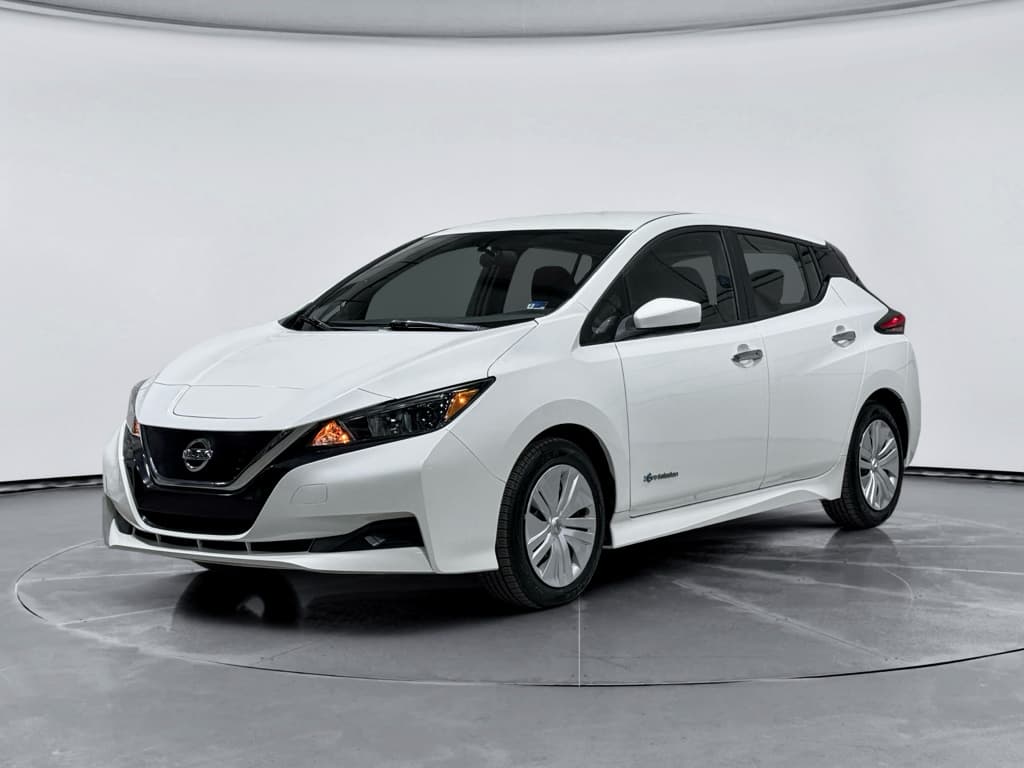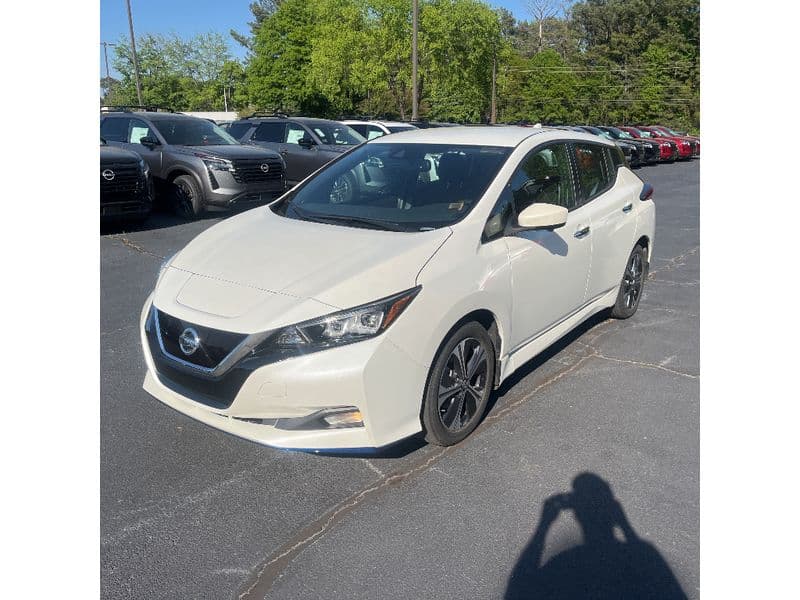
If you’re comparing electric options, the Nissan Leaf’s true cost of ownership over 5 years is probably near the top of your list. The Leaf is one of the most affordable EVs on the used market, but battery health, depreciation, and charging costs can dramatically change what you really pay to own one.
Quick Take
Why Nissan Leaf 5‑Year Ownership Costs Matter
The Leaf is one of the longest‑running mass‑market EVs, which means lots of inventory and very wide price swings. Early models can look extremely cheap on classifieds, but they may have limited range and more battery degradation. Newer Leafs with larger packs and DC fast charging cost more up front but can be a better 5‑year bet. Understanding total cost of ownership helps you decide whether you’re getting a bargain or a future headache.
- Budget‑minded shoppers want the lowest monthly cost, not just the lowest price tag.
- Commuters need to know if the Leaf’s range and charging costs work for their daily miles.
- Shoppers comparing against a Corolla, Civic, or Sentra want a clear Leaf vs. gas cost picture.
Nissan Leaf Cost Drivers at a Glance
Key 5‑Year Nissan Leaf Ownership Numbers (Typical US Case)
Key Risk
Upfront Price and 5‑Year Depreciation
The Leaf’s biggest financial advantage, and its biggest risk, is depreciation. New Leafs lose value quickly, which hurts first owners but creates opportunity for used‑car buyers.
Typical Purchase Price and 5‑Year Depreciation by Leaf Age
Illustrative numbers for U.S. buyers, assuming average mileage and decent battery health. Real‑world pricing varies by market, trim, and incentives.
| Example Leaf | Today’s Purchase Price | Estimated Value in 5 Years | 5‑Year Depreciation |
|---|---|---|---|
| Nearly New (2023–2024, low miles) | $24,000 | $12,000 | -$12,000 |
| Mid‑cycle (2019–2020, ~40–60k miles) | $15,000 | $7,000 | -$8,000 |
| Older but usable (2015–2017, higher miles) | $9,000 | $3,000 | -$6,000 |
| Very early model (2011–2013, high miles, reduced range) | $5,000 | $1,500 | -$3,500 |
These are ballpark figures to show how the Leaf’s value tends to move over time, not quotes or offers.
Depreciation Sweet Spot
Buying New or Nearly New
- Pros: Full warranty, latest battery tech, more range, better DC fast charging support.
- Cons: Steep first‑owner depreciation; your 5‑year cost is heavily driven by resale value.
- Best for: Drivers who want long‑term ownership (8–10+ years) or need maximum reliability.
Buying Used (3–8 Years Old)
- Pros: Much lower purchase price, depreciation curve has flattened, often the lowest 5‑year cost of ownership.
- Cons: More variation in battery health; you must shop carefully.
- Best for: Value shoppers, commuters with predictable daily miles, buyers okay with shorter range.
Electricity vs. Gas: What You’ll Actually Spend
Over 5 years, energy costs are where the Leaf quietly wins. Electricity is typically cheaper per mile than gasoline, especially if you can charge at home most of the time.
Typical 5‑Year Energy Spend: Leaf vs. Compact Gas Car
Assumes 12,000 miles per year and mostly home charging.
Nissan Leaf (Home Charging Heavy)
- Efficiency: ~3.5 mi/kWh (varies by model and driving)
- Electricity price example: $0.15/kWh
- Annual energy use: ~3,430 kWh
- Annual cost: ≈ $515
- 5‑year cost: ≈ $2,575
Costs can be lower with off‑peak rates or higher utility prices in your area.
Comparable Gas Compact (30 mpg)
- Mileage: 30 mpg (real‑world combined)
- Gas price example: $3.50/gal
- Annual fuel use: 400 gallons
- Annual cost: ≈ $1,400
- 5‑year cost: ≈ $7,000
Fuel savings shrink if gas prices fall or your utility rates are high.
Energy Savings Snapshot
Maintenance and Repairs Over 5 Years
EVs like the Leaf avoid many of the recurring maintenance items that drive up costs on gas cars, no oil changes, no spark plugs, fewer fluids, and less brake wear thanks to regenerative braking.
Typical 5‑Year Maintenance Comparison: Leaf vs. Gas Compact
High‑level view of common items. Exact costs depend on shop rates, mileage, and how you drive.
| Item | Nissan Leaf (5 Years) | Gas Compact (5 Years) |
|---|---|---|
| Oil changes | $0 | $400–$600 |
| Engine tune‑ups | $0 | $300–$600 |
| Transmission service | Minimal (single‑speed gearbox) | $300–$800 |
| Brakes (pads/rotors) | Often minimal thanks to regen | Moderate to high, especially in city driving |
| Coolant & fluids | Low, occasional service | Moderate |
| Tires | Similar (Leaf is on the heavier side) | Similar |
| Total routine maintenance | Often ~$1,000–$1,500 | Often $2,000–$3,000+ |
This table focuses on regular wear items, not accidents or major unexpected repairs.
Real‑World Leaf Maintenance Tips
Insurance, Registration, and Fees
Insurance and registration costs vary by state and driver profile, but there are a few Leaf‑specific patterns to keep in mind over a 5‑year window.
- Insurance: The Leaf often insures similarly to a compact hatchback, though some carriers price newer EVs slightly higher due to repair costs. Older Leafs usually fall on the lower end of the EV insurance spectrum.
- Registration and EV fees: Some states add an annual EV fee to replace lost gas tax revenue. In others, registration can be similar or even slightly lower than an equivalent gas car.
- 5‑Year expectation: For many Leaf owners, insurance and registration combined are within a few hundred dollars of a comparable gas compact over 5 years, sometimes lower for older, lower‑value Leafs.
Check Local EV Fees
Battery Health and Replacement Risk
The Leaf’s battery is the single biggest wild card in its 5‑year cost of ownership. Most owners will never replace a pack within 5 years of their purchase, but buying a car with an already‑tired battery can limit range, lower resale value, and, in rare cases, force a costly replacement.
How Battery Health Influences 5‑Year Costs
Two similar Leafs can have very different financial outcomes.
Healthy Pack (High SOH)
- Delivers close to original range.
- Makes the car more desirable at resale.
- Unlikely to need major work in 5 years.
Moderately Degraded Pack
- Reduced daily range; may still work for short commutes.
- Resale value lower; fewer interested buyers.
- May be fine if you understand the limits and buy at the right price.
Severely Degraded Pack
- Range can become impractical for daily use.
- Resale value heavily discounted.
- Battery replacement can run into the many thousands, more than the car might be worth.
Don’t Guess on Battery Health
This is where independent battery diagnostics matter. Recharged builds every used EV listing around a Recharged Score battery report, which includes verified state of health (SOH) and range estimates. That transparency makes your 5‑year cost projections far more reliable than buying based on a dash gauge alone.
5‑Year Cost Scenarios: New vs. Used Leaf
Let’s roll everything together into simplified examples so you can see how the 5‑year math can work in your favor, especially when you buy used with good battery health. These are illustrative, not quotes or offers.
Illustrative 5‑Year Cost Scenarios for a Nissan Leaf
Assumes 12,000 miles per year, mostly home charging, and typical insurance/maintenance for a U.S. driver.
| Scenario | Purchase Price | 5‑Year Depreciation | 5‑Year Energy | 5‑Year Maintenance | 5‑Year Insurance & Fees | Approx. 5‑Year Total |
|---|---|---|---|---|---|---|
| A: Nearly New Leaf | $24,000 | -$12,000 | $2,600 | $1,300 | $6,000 | ≈ $21,900 (net cost beyond resale) |
| B: 5‑Year‑Old Leaf in Good Shape | $15,000 | -$8,000 | $2,600 | $1,300 | $5,500 | ≈ $16,400 |
| C: Older Leaf Bought Cheap, Weak Battery | $7,000 | -$5,500 | $2,600 | $1,800 | $5,000 | ≈ $11,900 + risk of costly battery work |
Numbers are rounded for clarity; your actual costs will depend on your market, driving style, and financing.
How to Read These Scenarios
How Buying Used With Recharged Changes the Math
When you’re shopping used, the difference between a good Leaf and a bad Leaf is rarely visible in the photos. It shows up in battery health, pricing accuracy, and how the car was driven and charged. That’s where Recharged is designed to tilt the odds in your favor.
3 Ways Recharged Improves Leaf Ownership Economics
Less guessing, more confidence in your 5‑year cost.
1. Recharged Score Battery Diagnostics
2. Fair Market Pricing & Financing
3. EV‑Specialist Support & Delivery
Ready to find your next EV?
Browse Vehicles
Checklist: Lowering Your 5‑Year Nissan Leaf Ownership Cost
Practical Steps to Keep Leaf Ownership Costs in Check
1. Start With the Right Battery Health
Prioritize Leafs with strong battery state of health. Use tools like the Recharged Score Report or professional diagnostics instead of relying only on dashboard bars.
2. Match Range to Your Real Use
If your daily commute is 30–40 miles, you don’t need a 250‑mile EV. A Leaf with moderate degradation can be a bargain, if the range still fits your routine and you pay an appropriate price.
3. Plan for Mostly Home Charging
Home charging at a reasonable electricity rate is the backbone of the Leaf’s savings. If you rely heavily on expensive DC fast charging, your 5‑year energy costs can climb quickly.
4. Shop Depreciation Sweet Spots
Look hard at Leafs that are 4–8 years old with clean histories and healthy packs. Their future depreciation is slower, which helps your 5‑year total cost and eventual resale value.
5. Compare Total Monthly Cost, Not Just Price
When you evaluate options, look at <strong>payment + insurance + energy</strong>, not just the sticker. Recharged’s digital shopping experience and financing options make this comparison straightforward.
6. Consider Your Exit Strategy
If you only plan to own the car for 3–5 years, think about resale. Newer Leafs with more range and DC fast charging support may be easier to move later, protecting your downside.
FAQ: Nissan Leaf True Cost of Ownership
Frequently Asked Questions About 5‑Year Leaf Ownership Costs
Bottom Line: Is a Nissan Leaf Worth It for 5 Years?
For the right driver, the Nissan Leaf’s true cost of ownership over 5 years is compelling. A carefully chosen used Leaf, priced fairly, with healthy battery state of health and a realistic match to your daily miles, can undercut many gas cars on total cost while delivering the smooth, quiet driving experience EV owners love.
The key is avoiding guesswork. Start with battery transparency, understand how energy and maintenance tilt the numbers in your favor, and think about how long you plan to keep the car. If you’re ready to run the numbers on an actual vehicle, explore used Nissan Leafs on Recharged, review the Recharged Score battery reports, and see what your 5‑year ownership could really look like, with financing, trade‑in, and nationwide delivery available to make the transition as simple as possible.