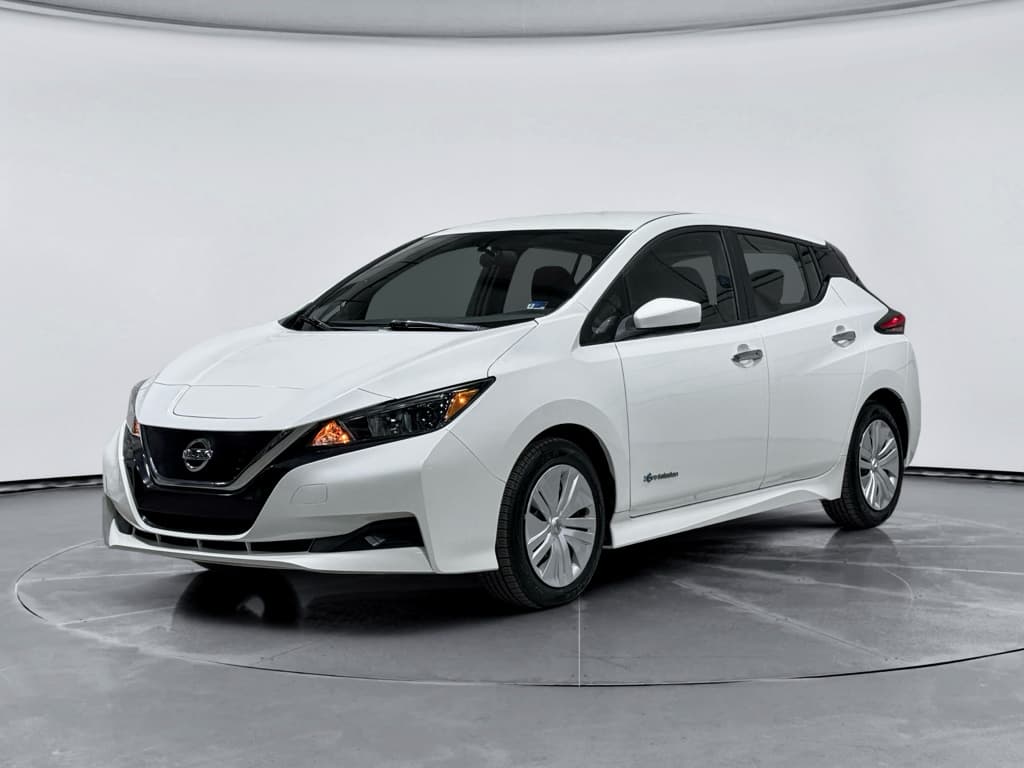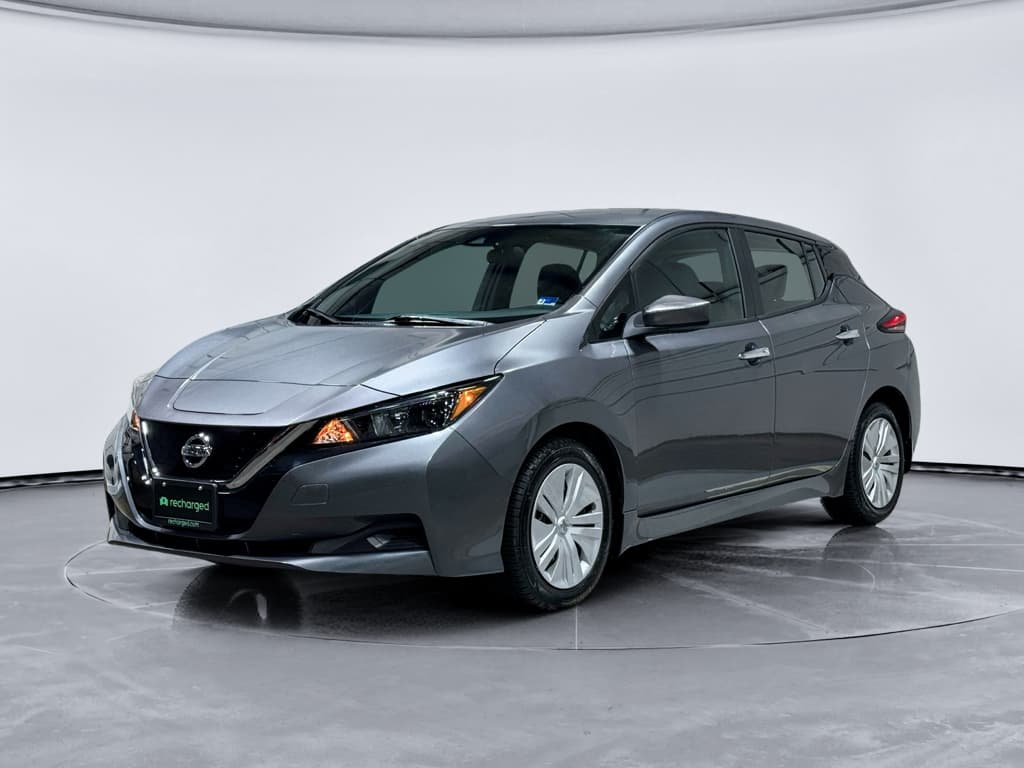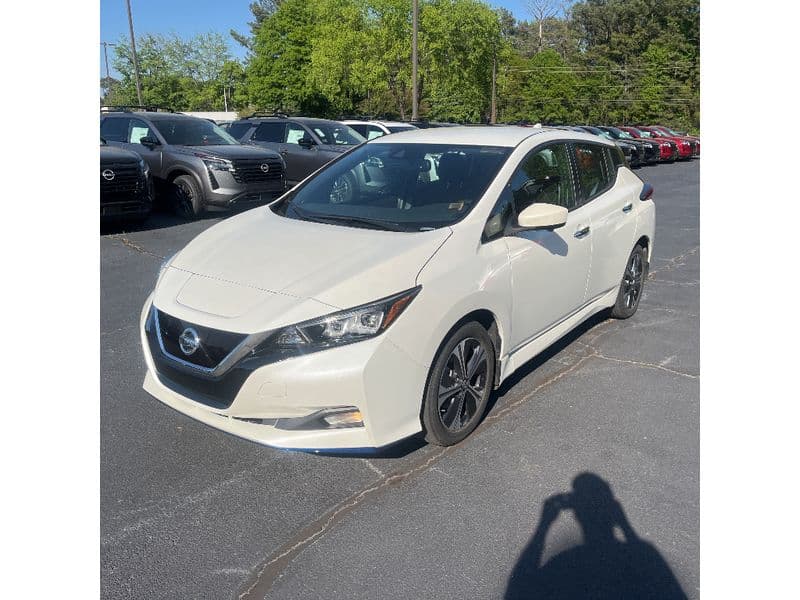
If you’re thinking about trading in your Nissan Leaf in 2026, you’ve probably seen numbers all over the map, dealer offers that feel insultingly low, online estimates that look too good to be true, and private‑sale listings that seem unrealistically high. This guide walks you through what your Leaf is actually worth as a trade‑in in 2026, why the values look the way they do, and smart moves you can make to squeeze the most out of your electric hatchback.
Quick reality check
How much is my Nissan Leaf worth as a trade-in in 2026?
Trade‑in values move constantly with wholesale auctions, incentives and local demand, so there’s no single “correct” dollar figure. But by spring 2026, several trends are clear:
Nissan Leaf value trends heading into 2026
Broadly speaking, here’s how most U.S. owners are finding Nissan Leaf trade‑in value in 2026 shakes out:
- Early models (2011–2015) with original‑style batteries: often negligible trade‑in, sometimes under $2,000, or dealers simply don’t want them.
- 2016–2018 cars: commonly in the $3,500–$7,000 trade‑in range, depending on mileage and battery bars.
- 2019–2021 Leaf Plus and well‑optioned trims: more likely $7,000–$11,000 as trade‑ins if mileage is reasonable and the battery is healthy.
- 2022–2024 Leafs: still newer, so you may see $11,000–$16,000 trade‑in offers, but only if the car is clean and low‑mileage.
- 2025 models traded in quickly in 2026: you may see surprisingly low offers, because dealers are discounting new 2025s heavily to clear the way for the redesigned 2026 Leaf and other newer EVs.
Your zip code matters
Why Nissan Leaf trade-in values are lower than you expect
If you’ve ever looked up your Leaf’s original MSRP and then seen a 2026 trade‑in quote, the gap can feel brutal. A few structural forces are working against Leaf owners:
4 big forces pushing Leaf trade-in values down
Understanding these helps you negotiate from a stronger position.
1. Aggressive depreciation on early EVs
Independent resale studies routinely put the Leaf near the top of the “fastest depreciating EVs” list. Early Leafs in particular combined modest range and older battery tech with high new-car prices, so values had a long way to fall once better EVs arrived.
2. Range expectations have shifted
When a 73–107‑mile Leaf was new, that seemed fine for commuting. By 2026, mainstream shoppers expect 200+ miles of range. That makes older Leafs feel like “city cars” and limits how much a dealer believes the next buyer will pay.
3. Rapid tech and price changes
EV incentives, new battery chemistries and price cuts from other brands have pulled used prices down. When new EVs are cheaper and go farther, used prices adjust downward to stay compelling.
4. Dealer risk and uncertainty
Many traditional dealers are still nervous about used EVs, especially models like the Leaf that had early battery‑degradation headlines. They build in a “fear discount” to cover the risk of sitting on the car or needing battery work.
Why this can still work in your favor
What dealers actually look at when valuing your Leaf
Behind the scenes, most dealers are starting from auction data and digital appraisal tools, then adjusting for what they see in front of them. With a Leaf, three things tend to matter even more than on a gas car:
Key factors that drive your Nissan Leaf trade-in number
1. Battery health & remaining bars
On a Leaf, the dash’s charge‑capacity bars and any service records about battery replacement or warranty work are huge. A Leaf with 11–12 capacity bars remaining, or a documented replacement pack, is dramatically easier for a dealer to resell than one sitting at 7–8 bars.
2. Model year and real-world range
Dealers work backward from what a realistic buyer will accept for daily range. Later Leaf Plus models with 200+ miles of EPA range are more attractive than earlier 24 kWh cars that may be under 80–90 miles in real‑world use.
3. Mileage and usage pattern
High mileage isn’t automatically fatal on an EV, but it raises questions about fast‑charging habits and long‑distance use. A 2019 Leaf with 35,000 miles will usually be valued higher than one with 95,000, even if both still show 11–12 bars.
4. Trim, options and cosmetic condition
SL and SV models with ProPILOT Assist, heated seats, and upgraded audio will bring more than a base S. Curb rash, interior wear, and accident history can shave hundreds, or sometimes thousands, off a trade‑in bid.
5. Market timing and incentives
Dealers check what new Leafs and rival EVs are selling for after discounts, tax credits and rebates. If new cars are heavily incentivized in your area this month, used trade‑ins must be priced lower to make sense on the lot.
Bring proof of battery health
Typical 2026 Nissan Leaf trade-in value ranges by model year
Every car is unique, but it helps to know roughly where your Leaf might land before you walk into a showroom. The table below outlines ballpark 2026 trade‑in ranges for U.S.‑market Leafs in good cosmetic condition with average mileage and a healthy battery. Think of these as starting points, not guarantees.
Estimated Nissan Leaf trade-in value ranges in 2026 (U.S.)
Approximate dealer trade‑in ranges assuming clean title, no major accidents, and solid battery health. High mileage, weak batteries or rough condition can push values down; exceptional cars can land above these bands.
| Model years | Typical battery / trim | Approx. 2026 trade‑in range | Notes |
|---|---|---|---|
| 2011–2013 | 24 kWh, early models | $0–$2,500 | Many dealers will low‑ball or decline due to age and degradation risk; private sale may be better. |
| 2014–2015 | 24 kWh, updated chemistry | $1,500–$4,000 | Slightly improved packs, but still short range by 2026 standards; condition is everything. |
| 2016–2017 | 30 kWh options | $3,000–$6,000 | More usable range but still mainly city‑car territory; battery health and mileage drive the spread. |
| 2018–2019 | 40 kWh & first Leaf Plus | $4,500–$8,500 | Stronger appeal if 11–12 bars and under ~80k miles; Plus models trend toward the top of this band. |
| 2020–2021 | Leaf Plus more common | $6,500–$10,500 | Good mix of price and range for used‑EV shoppers; clean, low‑mile cars can do better. |
| 2022–2023 | Newer styling, tech updates | $9,000–$14,000 | Trade‑in offers vary widely with incentives on new EVs; high‑spec SL/Plus trims do best. |
| 2024–2025 | Late second‑gen Leafs | $11,000–$16,000 | Still relatively new; heavy new‑car discounts and the 2026 redesign can drag these down more than you’d expect. |
Use these ranges as a negotiation reference, then adjust for your Leaf’s mileage, battery and local market.
Why your offer might be below these ranges
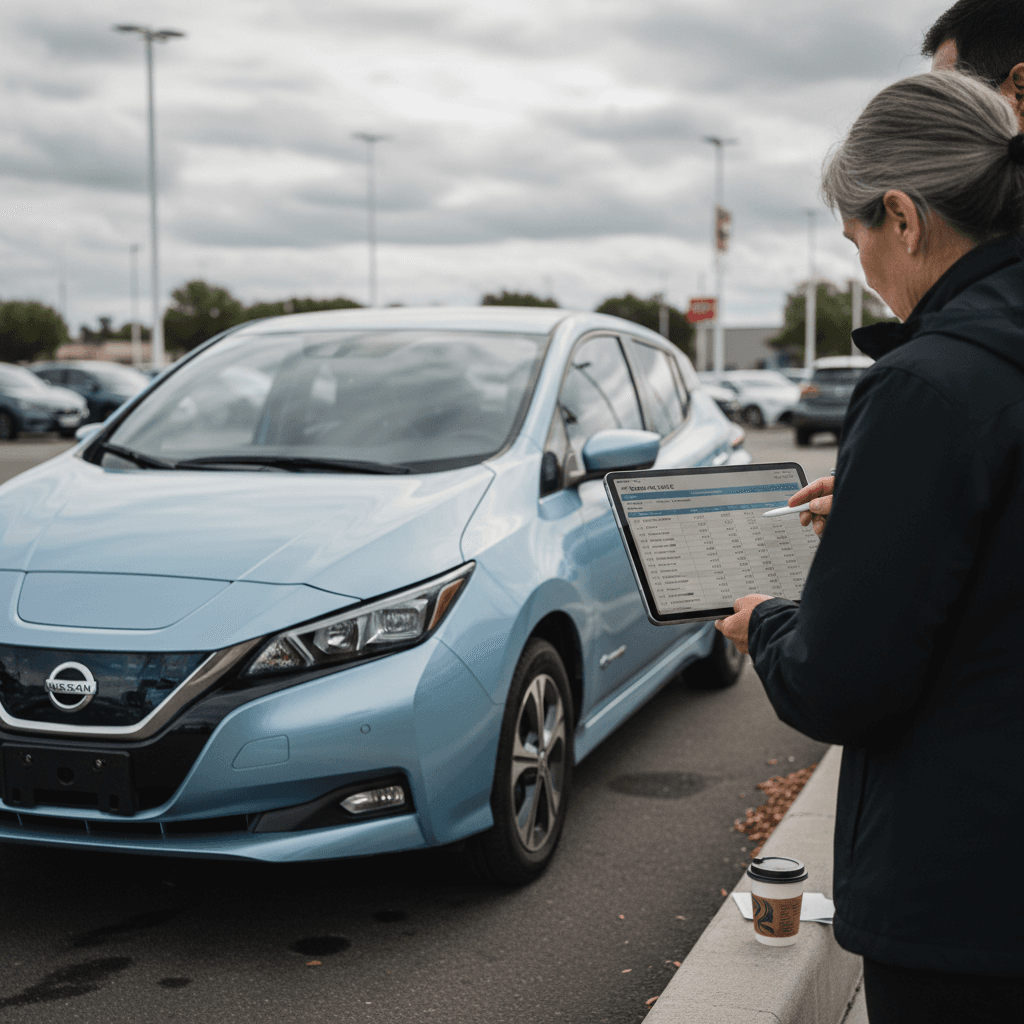
How the 2026 redesigned Leaf and EV price drops impact your value
The all‑new 2026 Nissan Leaf changes the math compared with earlier years. It’s more crossover‑like, offers dramatically more range than the outgoing car, and launches into a market where many brands have cut EV prices or piled on incentives.
What the 2026 Leaf does to your trade‑in
- Longer range makes your car feel older. When shoppers see 260–300 miles on a 2026 Leaf window sticker, a 90–150‑mile used Leaf looks like yesterday’s tech.
- Discounts on new cars pull used prices down. If a buyer can lease or buy a brand‑new crossover‑style Leaf for less than before, they’ll demand bigger discounts on used ones.
- Dealers are cautious on outgoing generations. Many stores don’t want a big row of older Leafs just as the new body style arrives, so they price trades conservatively.
Why waiting doesn’t always help
- Depreciation doesn’t pause. Another year of age and miles will usually cost you more than any short‑term bounce in used‑EV values.
- Battery age is linear, not just mileage‑based. Sitting on the car for another 12–24 months won’t make the pack any younger in a buyer’s eyes.
- More long‑range affordable EVs are coming. As 2026–2027 models arrive, older short‑range EVs like the Leaf will have to stay cheap to move.
Should you rush to trade in before the 2026 Leaf floods the streets?
How to boost your Nissan Leaf trade-in offer
You can’t change the market, but you can change how your Leaf looks to the people writing the checks. A few targeted moves can add hundreds or even a couple thousand dollars to a 2026 trade‑in offer.
Practical steps to raise your Leaf’s trade-in value
1. Get a fresh battery health report
If you can document that your pack is in good shape, especially if it has been replaced or upgraded, do it. A third‑party report or a Recharged Score battery diagnostic tells buyers this isn’t a mystery car and helps justify more aggressive offers.
2. Fix cheap cosmetic issues first
Detail the interior, remove personal items, touch up obvious scuffs and consider repairing inexpensive dings or curb rash. A clean, odor‑free cabin and shiny paint signal that the car was cared for, which appraisers reward.
3. Gather maintenance and charging records
Service receipts, tire and brake invoices, and any documentation about careful charging habits (limited fast‑charging, avoiding high‑heat abuse) all help offset anxiety about EV longevity.
4. Get multiple, timed quotes
Collect offers from at least one franchised Nissan dealer, a national instant‑offer site, and an EV‑specialist buyer like Recharged within the same week. Use the best one as leverage with the others rather than accepting the first number you hear.
5. Be realistic about must‑fix items
Major issues, like a failing battery, warning lights or severe range loss, will be priced in one way or another. If you can address a problem affordably before trading in, you may keep more money in your pocket than letting the dealer mark it down heavily.
How Recharged can help
Ready to find your next EV?
Browse VehiclesTrade-in vs. selling your Leaf privately vs. Recharged
Trading your Leaf in at the same store where you’re buying your next car is easy, but it’s not always the way to maximize value. In 2026, Leaf owners typically have three paths:
Three ways to get out of your Nissan Leaf in 2026
Each path balances convenience, price and risk differently.
1. Traditional dealer trade-in
- Pros: Fast, one‑stop transaction; potential tax advantage if your state deducts trade‑in value from taxable price; no strangers at your home.
- Cons: Usually the lowest dollar figure, especially at non‑EV‑focused stores; little transparency on how they arrived at the number.
2. Private-party sale
- Pros: Often yields the highest sale price if you’re patient and your Leaf is in great shape.
- Cons: Requires marketing, screening buyers, meeting up for test drives, and handling payoff and paperwork yourself. Some shoppers are wary of EVs, especially older Leafs.
3. EV-specialist buyer or marketplace
- Pros: More EV‑savvy valuation, streamlined online process, and they’ll often handle payoff and pickup. Recharged, for example, can make an instant offer or sell your Leaf via consignment.
- Cons: May still come in under top‑dollar private‑sale money, and not every region is covered equally.
Think in terms of net deal, not just trade-in number
Financing a used EV and using your Leaf as down payment
For many owners, the Leaf is the down payment on the next car. Even a modest 2026 trade‑in figure can make a big difference in your monthly payment if you structure the deal wisely.
How your Leaf affects your next payment
- Every extra $1,000 in trade‑in value can shave roughly $20–$30 per month off a typical 60‑month loan, depending on rate.
- Rolling negative equity from your Leaf into a new loan can keep payments manageable now but cost you more overall.
- Using your Leaf’s value as a larger down payment on a reasonably‑priced used EV instead of a high‑MSRP new one can put you in a much healthier equity position.
Where Recharged fits in
- Recharged offers financing on used EVs plus trade‑in, instant offer or consignment options for your Leaf.
- Because every car we sell comes with a Recharged Score battery‑health report, we can often be more confident, and more competitive, on what we offer for well‑maintained Leafs.
- A Recharged EV specialist can walk you through how much down payment your Leaf realistically provides and what that means for your monthly budget.
Run the numbers before you visit the lot
Common Nissan Leaf trade-in mistakes to avoid
Because Leafs don’t hold value like some gas cars, it’s easy to feel discouraged and simply accept whatever number appears first. That’s where owners tend to leave the most money on the table.
- Taking a single dealer’s offer as gospel. Appraisal tools and risk tolerance vary widely. A second opinion is the easiest money you’ll ever make.
- Ignoring battery documentation. Walking into an appraisal with nothing but the key fob invites the lowest‑common‑denominator assumption about your pack.
- Trading in during a heavy local incentive push. When new EVs are stacked with temporary rebates, dealers may low‑ball trades because they can sell new cars so cheaply.
- Letting cosmetic issues pile up. A filthy or obviously neglected Leaf signals “problem child” even if the battery is fine, and appraisers price for that risk.
- Focusing only on trade-in, not total deal. A dealer can make a trade number look generous while quietly moving the target on price, fees or finance terms. Always zoom out to the full picture.
One red flag to walk away from
FAQs: Nissan Leaf trade-in value in 2026
Frequently asked questions about Nissan Leaf trade-ins in 2026
Key takeaways if you’re trading your Leaf in 2026
By 2026, the Nissan Leaf’s story is clear: it’s a fantastic value on the used‑EV lot and a tougher pill to swallow as a trade‑in. Most Leafs will have lost 60% or more of their original value within five years, and the long‑range, redesigned 2026 models only sharpen that contrast. But you’re not powerless. If you understand the forces behind Leaf depreciation, document your battery’s health, clean up the car and collect multiple offers, you can still come away with a deal that makes sense.
If you’re ready for your next EV, consider letting Recharged help you on both sides of the equation. Our EV specialists can value your Leaf with the nuance it deserves, provide a transparent Recharged Score, and help you finance a used EV that fits your range and budget needs, so the next chapter of your electric driving story starts on much stronger footing.