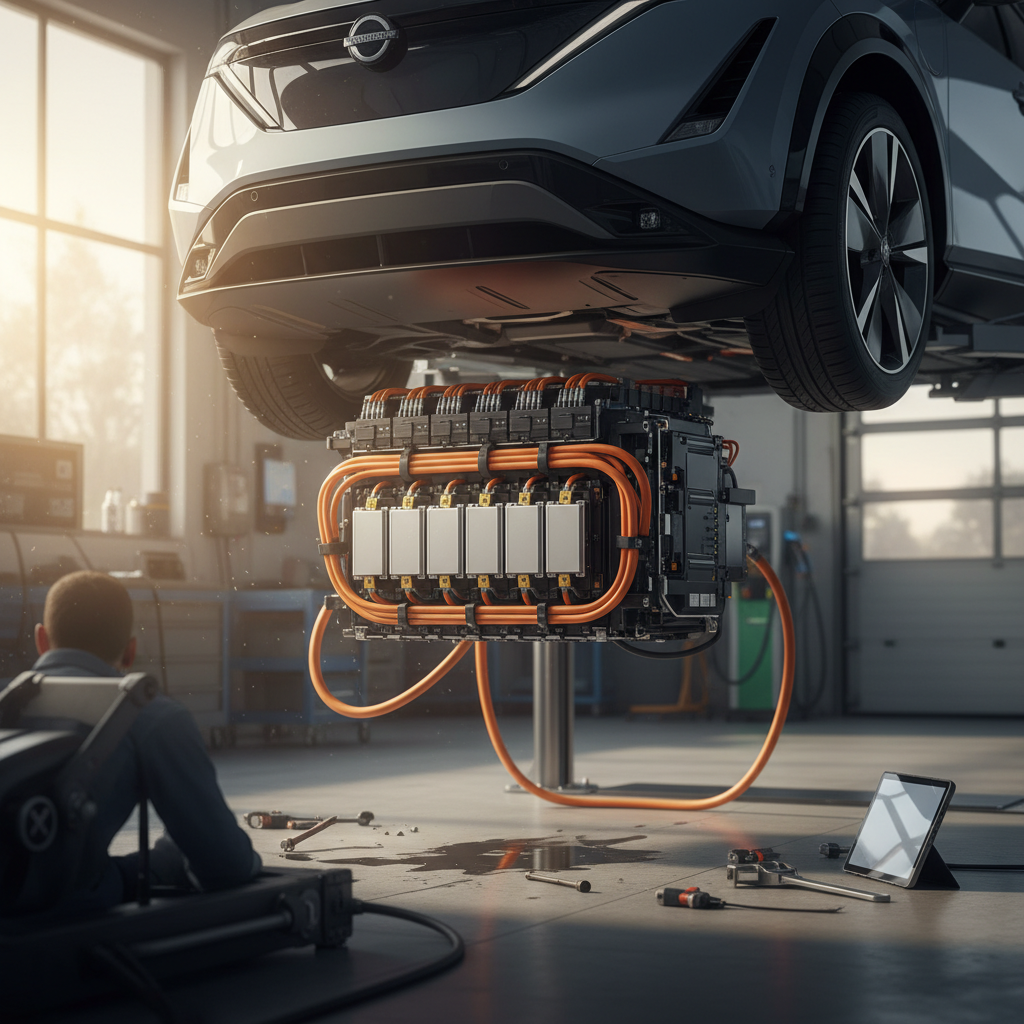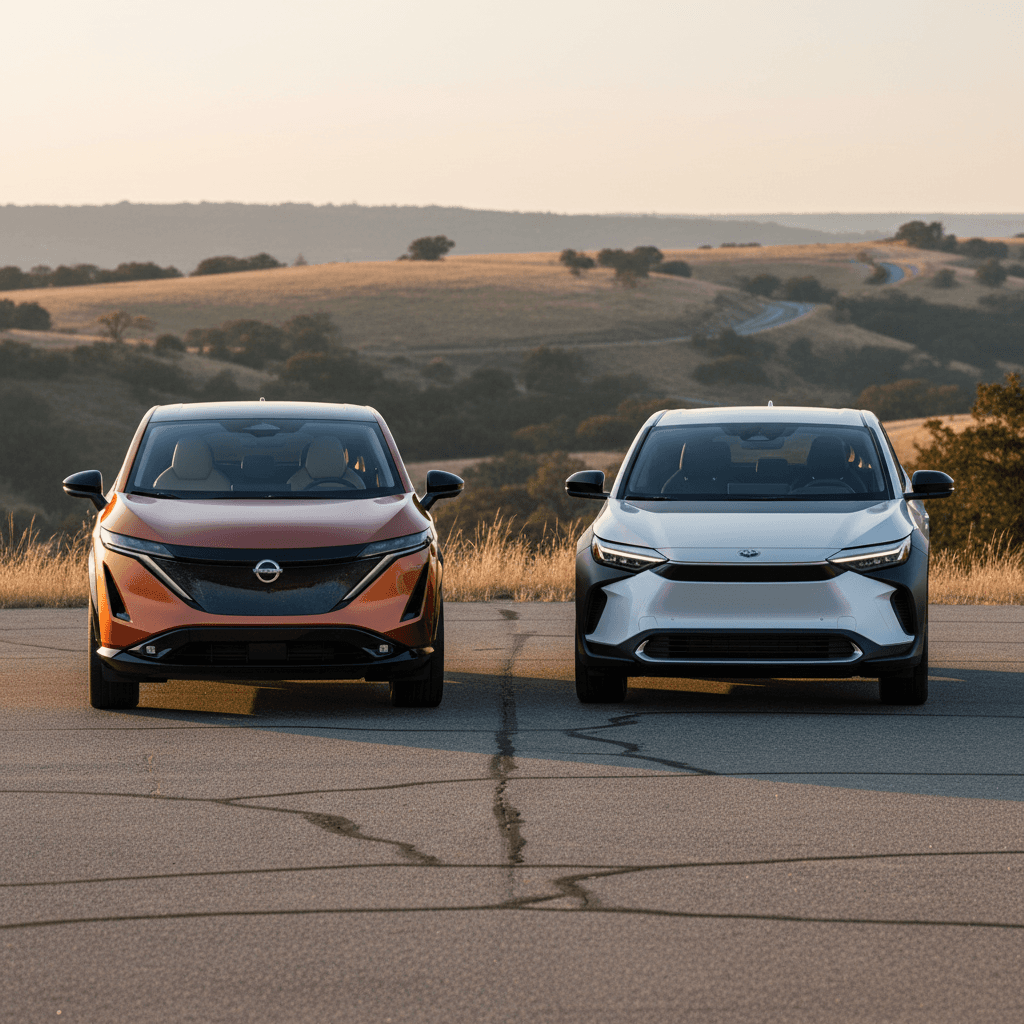
Shopping for a compact electric SUV and stuck between the Nissan Ariya and the Toyota bZ4X? You’re not alone. Both target the same buyer: someone who wants a comfortable, tech-forward EV from a familiar brand, without going full luxury. This guide breaks down Nissan Ariya vs Toyota bZ4X on range, charging, space, tech, and long‑term costs, with a special focus on what matters if you’re buying used.
Quick context for U.S. shoppers
Nissan Ariya vs Toyota bZ4X: Overview
Nissan Ariya: Comfort and range first
The Ariya is Nissan’s showcase electric SUV, positioned above the Leaf with a more premium feel. It offers:
- Multiple battery sizes and front- or all-wheel drive
- Up to around 300 miles of EPA range in select trims
- A quiet, comfort‑oriented ride and upscale interior
With new imports paused after the 2025 model year, the Ariya is increasingly a used‑EV sweet spot for shoppers who want maximum range per dollar.
Toyota bZ4X: Conservative, efficient, familiar
The bZ4X is Toyota’s first dedicated battery‑electric SUV. Toyota leans on:
- A single battery size in U.S. models, with FWD or AWD
- EPA range generally in the mid‑200‑mile bracket depending on configuration
- Known Toyota reliability, standard safety tech, and a simple ownership experience
For many buyers, the bZ4X feels like a familiar Toyota RAV4–style crossover that just happens to be fully electric.
How to use this comparison
Specs at a Glance: Ariya vs bZ4X
Core Specs: Nissan Ariya vs Toyota bZ4X (U.S. models)
Headline numbers for typical U.S.-market configurations. Exact specs vary by trim and model year, so always verify individual vehicles.
| Spec | Nissan Ariya | Toyota bZ4X |
|---|---|---|
| Drivetrain options | FWD or e-4ORCE AWD | FWD or AWD |
| Battery options (usable) | ~63 kWh & ~87 kWh packs | ~64 kWh pack |
| Max EPA range | Up to ~304 miles (FWD long-range) | Up to ~252 miles (FWD) |
| Max DC fast charge rate | Around 130–150 kW, trim‑dependent | Up to 150 kW (later builds, improved cold‑weather performance) |
| AC charging | Up to 7.2–11 kW depending on trim/year | 6.6–11 kW on early cars, up to 11–22 kW on later updates globally |
| Passenger volume | About 96 cu. ft. | About 94 cu. ft. |
| Cargo volume (rear seats up) | Roughly low‑20s cu. ft. | Roughly high‑20s cu. ft. |
| Typical new‑MSRP range when new | Low $40Ks to mid‑$50Ks | High $30Ks to mid‑$40Ks |
| Connector (U.S.) | CCS1, NACS adapter support planned/rolling out | CCS1 |
Approximate figures for mainstream trims; use them to frame your search, not as a substitute for checking a specific VIN.
Spec sheet vs. real world
Range and Efficiency: Who Goes Farther?
If you’re cross‑shopping Nissan Ariya vs Toyota bZ4X, range is usually the first deal‑breaker. The Ariya’s larger available battery gives it a clear edge in maximum EPA numbers, especially in front‑wheel‑drive long‑range trims that crest the 300‑mile mark. In contrast, most bZ4X configurations land in the low‑ to mid‑200‑mile range, with front‑drive models doing slightly better than AWD.
Range strengths for each SUV
Where each model shines in day‑to‑day use
Where the Ariya wins
- Higher peak EPA range in long‑range FWD trims, at or just above 300 miles.
- Extra buffer for highway road trips or sparse charging corridors.
- Better fit if you regularly drive 180–220 miles in a day without charging at your destination.
Where the bZ4X is enough
- EPA ranges in the 220–250‑mile bracket are plenty for daily commuting and errands.
- Recent updates have focused on efficiency and cold‑weather charging, addressing early owner concerns.
- With home Level 2 charging, many drivers end most days well above 50% state of charge.
Cold‑weather reality check
Quick checklist: How much range do you really need?
1. Map your longest regular drive
Think about the <strong>furthest distance you routinely travel in a day</strong>, commute, kids’ activities, visiting family. If that’s under ~120 miles round‑trip, either SUV can handle it easily.
2. Consider winter penalties
In cold climates, it’s smart to assume <strong>20–30% range loss</strong> on the worst days. If that adjustment drops a bZ4X below your comfort zone, the Ariya’s larger battery may be the safer pick.
3. Decide how often you’ll road‑trip
If you take multiple 300–400‑mile highway trips a year, extra capacity in an Ariya reduces how often, and how long, you need to fast charge.
4. Think about future needs
New job with a longer commute? Kids’ sports travel? Planning ahead for the next 5–8 years can make a higher‑range Ariya trim or a more efficient bZ4X update feel like insurance.
Charging Experience and Network Access
Charging isn’t just about peak kW numbers, it’s about how quickly you recover useful range and how easy it is to find a plug. On paper, Nissan Ariya vs Toyota bZ4X looks similar: both use the CCS1 connector in the U.S. and support DC fast charging around the 130–150 kW mark depending on trim and model year. But the details matter, especially if you rely on public charging.
Charging highlights that affect ownership
Home charging reality
Public charging and CCS today
Both the Ariya and bZ4X use the CCS1 standard in the U.S., which works on major networks like Electrify America, EVgo, and many regional providers. That makes route planning fairly straightforward with apps like PlugShare, Chargeway, or the built‑in navigation systems.
Charging reliability still varies by station and operator, but from a compatibility standpoint, these two SUVs are on equal footing today.
NACS and future access to Tesla Superchargers
The industry is rapidly shifting toward the North American Charging Standard (NACS), Tesla’s connector. Nissan has announced NACS support for future products and adapter access for Ariya owners, while Toyota has also aligned with NACS going forward.
If you buy a used Ariya or bZ4X, confirm whether an official NACS adapter is available or included. That will determine how easily you can use the ever‑expanding Tesla Supercharger network without workarounds.
Check fast‑charging behavior on your specific car
Space, Comfort, and In-Car Tech
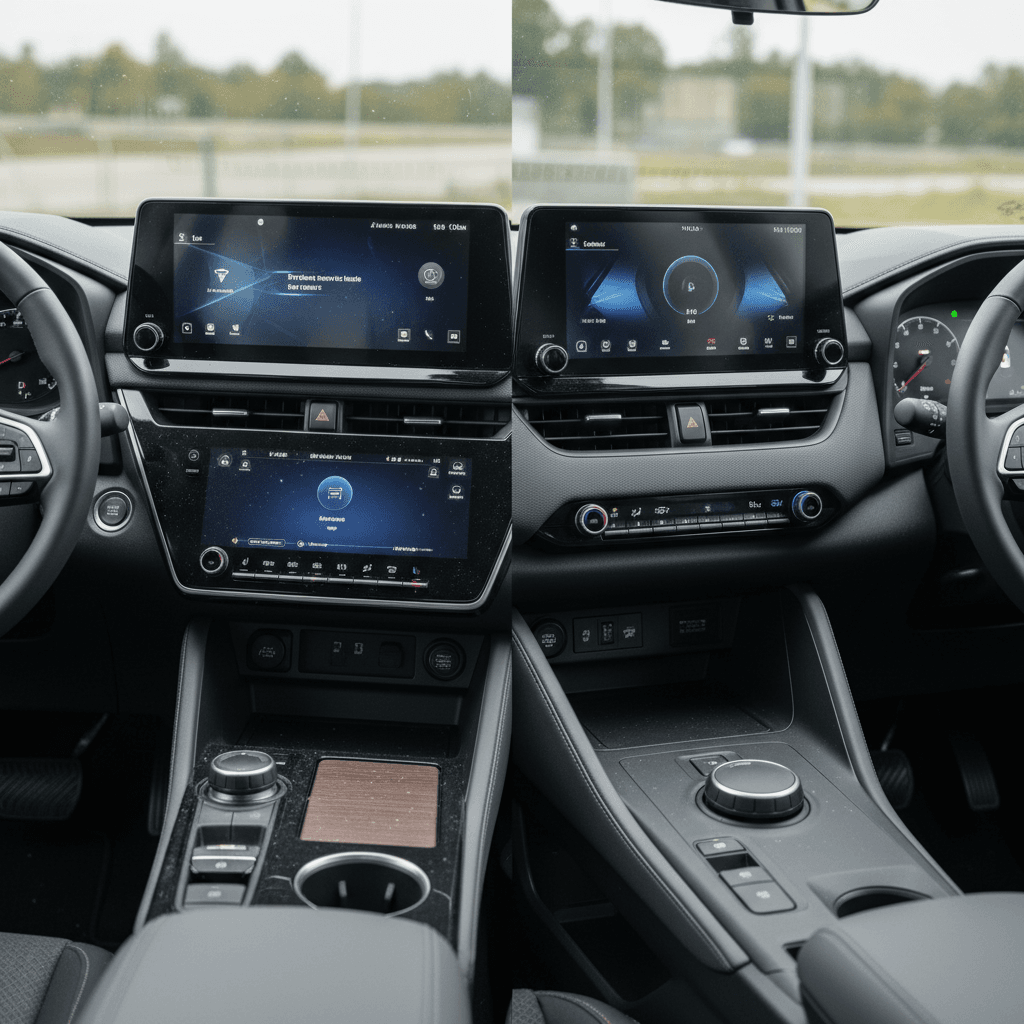
On size, Nissan Ariya vs Toyota bZ4X land squarely in the compact SUV class with seating for five. The differences are subtle but noticeable when you sit in both: the Ariya tends to feel a bit more premium and passenger‑friendly, while the bZ4X frees up a touch more cargo room behind the rear seats.
Cabin and tech: How they compare
Think about where you spend your time, in the driver’s seat, not under the hood.
Interior space and comfort
- Nissan Ariya offers slightly more passenger volume, with generous legroom and a lounge‑like feel in higher trims.
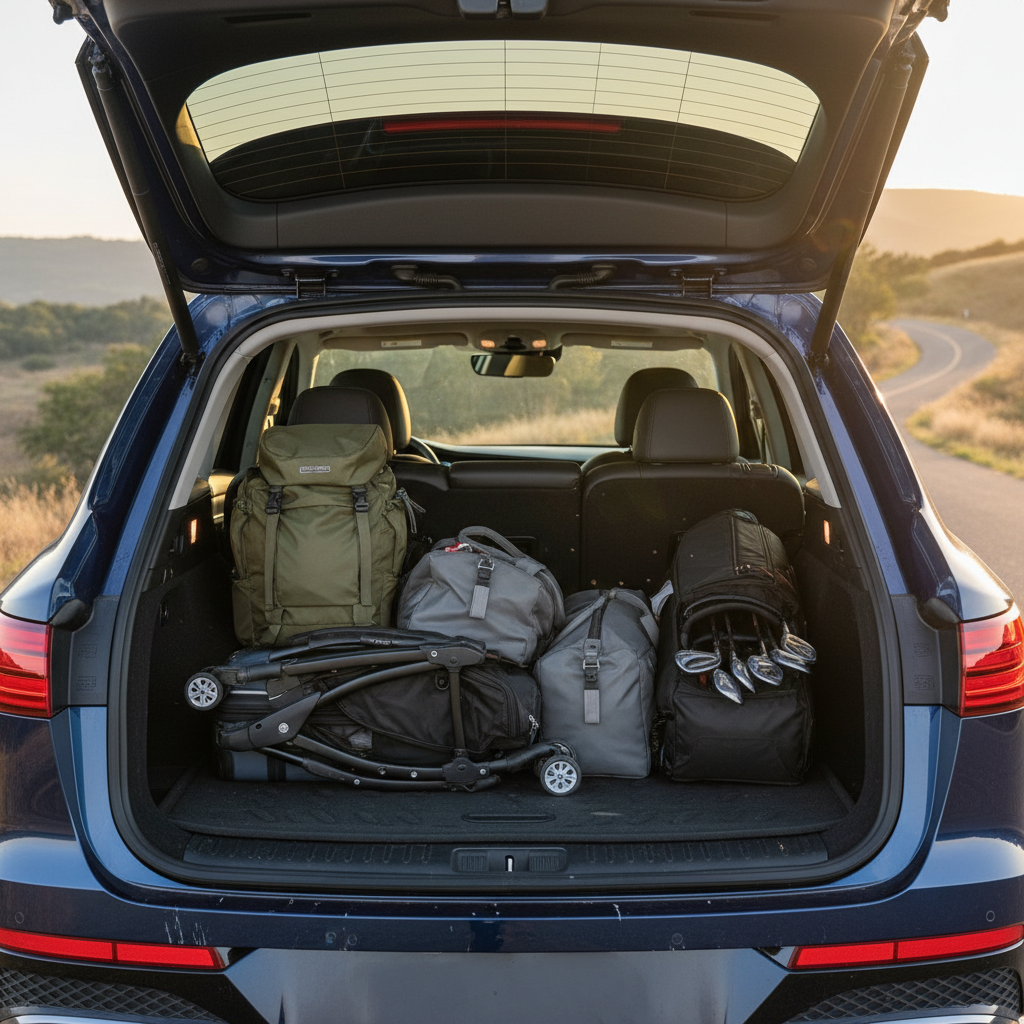
- Toyota bZ4X often edges out the Ariya on raw cargo volume with the rear seats up, helpful if you’re hauling strollers or bulk groceries.
- Both seat five; neither has a third row.
Infotainment and driver tech
- Ariya features a dual‑screen setup and a more premium design language, especially in upper trims with ambient lighting and higher‑grade materials.
- bZ4X leans toward a familiar Toyota layout, with an emphasis on straightforward controls and a learning curve that’s minimal if you’ve driven a recent Toyota.
- Both support phone integration, over‑the‑air updates in some configurations, and a wide suite of driver‑assist safety tech.
Family‑friendly touches to look for
Driving Feel and Performance
Neither of these EVs is trying to be a track weapon. Instead, think of Nissan Ariya vs Toyota bZ4X as comfort‑oriented daily drivers with enough power to merge, pass, and handle an on‑ramp with confidence. Where they differ is in tuning and how they deliver that power.
Nissan Ariya: Smooth and refined
- Multiple motor configurations, including e‑4ORCE all‑wheel drive with noticeably stronger acceleration.
- Generally tuned for quiet, composed cruising rather than razor‑sharp handling.
- Heavier feel on the road, which some drivers interpret as more substantial and premium.
If you prefer a calm, near‑luxury vibe, especially in higher trims, the Ariya is likely to feel more special.
Toyota bZ4X: Familiar and predictable
- Single‑motor FWD and dual‑motor AWD options, with adequate power for everyday use.
- Steering and ride comfort will feel instantly familiar to longtime Toyota owners.
- Some drivers note that AWD bZ4X models feel more planted, especially on bad pavement and in poor weather.
The bZ4X is the better match if you want your first EV to drive a lot like the Toyota crossover you already know.
Test‑drive tip
Reliability, Battery Health, and Warranty
Long‑term reliability is a big part of any Nissan Ariya vs Toyota bZ4X decision, especially once you’re looking at 5‑ to 10‑year ownership or a used EV purchase. Both vehicles share common EV advantages (fewer moving parts than gasoline cars) and some common EV worries (battery degradation, software quirks, charging hardware durability).
What to know about long‑term ownership
Batteries, warranties, and peace of mind
Battery warranties
Both Nissan and Toyota typically back their EV batteries with 8‑year/100,000‑mile warranties (or similar), protecting against excessive capacity loss. Always confirm coverage on the specific model year you’re considering.
Degradation expectations
Real‑world reports suggest gradual, not catastrophic, degradation for both SUVs. Expect some capacity loss over time, especially in hot climates and vehicles that fast charge frequently, but not a sudden cliff if the pack is healthy.
General reliability
Toyota’s brand reputation for durability is strong, and the bZ4X benefits from that. The Ariya, though newer and lower‑volume, hasn’t developed a pattern of fundamental hardware issues, but parts and service availability can matter more as it ages in the U.S. market.
Don’t guess on battery health, verify it
Ownership Costs and Used EV Value
Upfront price is only part of the story. With Nissan Ariya vs Toyota bZ4X, you also need to look at depreciation, incentives, maintenance, and how each SUV sits in the used market. That’s especially important now that Nissan has paused U.S. imports of new Ariya models, while Toyota continues to build out its bZ4X and related EV lineup.
Cost considerations that move the needle
Nissan Ariya in the used market
Because Nissan has stopped importing new Ariya models beyond the 2025 model year, the Ariya is effectively a used‑only play going forward in the U.S. That can be good news for value‑hunters:
- Dealers and marketplaces may price aggressively as they rotate through existing stock.
- You can often find well‑equipped long‑range trims for less than a similarly sized new EV.
- Make sure you’re comfortable with parts availability and long‑term support in your region.
If you’re shopping online, a Recharged listing will bundle a Recharged Score so you can compare battery health and pricing across different Ariyas at a glance.
Toyota bZ4X pricing and incentives
The bZ4X continues as part of Toyota’s active EV strategy. That means:
- Access to new‑car incentives, dealer financing programs, and occasional manufacturer discounts or charging promotions.
- A steadier stream of off‑lease used vehicles over time, giving you more choice on mileage and trim.
- Potentially stronger resale value as Toyota refines and expands its EV portfolio.
For budget‑conscious buyers who still want a new‑car warranty and dealer experience, the bZ4X can be easier to finance and insure.
How Recharged simplifies EV ownership costs
Ready to find your next EV?
Browse VehiclesWhich Electric SUV Should You Choose?
Both the Nissan Ariya and Toyota bZ4X deliver quiet, zero‑emission driving in a compact SUV footprint. The right choice comes down to your priorities: maximum range and comfort, or straightforward reliability and a more traditional ownership path.
Best fit by buyer type: Ariya vs bZ4X
Range‑focused commuter or road‑tripper
You frequently drive 150+ miles in a day or take several highway road trips a year.
You want a bigger buffer against winter range loss or heavy highway use.
You don’t mind shopping used to get more battery for the money.
→ <strong>Lean toward a long‑range FWD Nissan Ariya</strong>, ideally with verified battery health.
First‑time EV buyer coming from a Toyota or similar
You value a familiar driving feel and dealership network.
You’re comfortable with ~230–250 miles of real‑world range for daily driving.
You prefer a clean path to new‑car incentives and traditional financing.
→ <strong>Lean toward a Toyota bZ4X</strong>, especially if you can access factory offers or favorable lease terms.
Budget‑conscious used‑EV shopper
You want maximum value per dollar and are open to a previous owner or two.
You’re focused on battery health and total cost of ownership, not chasing the newest badge.
You like the idea of a detailed battery and pricing report before you commit.
→ <strong>Compare both Ariya and bZ4X listings</strong> on Recharged and use the Recharged Score to pick the healthiest pack at the best price.
Weather and terrain‑conscious driver
You regularly see snow, ice, or dirt roads.
You want all‑wheel drive but don’t need performance‑car acceleration.
You care about stability and predictable traction over outright speed.
→ <strong>Test‑drive AWD versions of both SUVs</strong> and pick the one that feels more confidence‑inspiring on your local roads.
If you want more range, a plusher cabin, and don’t mind shopping used, the Nissan Ariya is hard to beat. If you’d rather stick with a brand‑new EV from a familiar nameplate, with straightforward dealer support and solid efficiency, the Toyota bZ4X is the safer bet. Whichever way you lean, focusing on verified battery health, realistic range, and total ownership costs will matter more than any single spec. That’s exactly what Recharged’s battery diagnostics, Recharged Score Report, and EV‑specialist guidance are built to deliver.