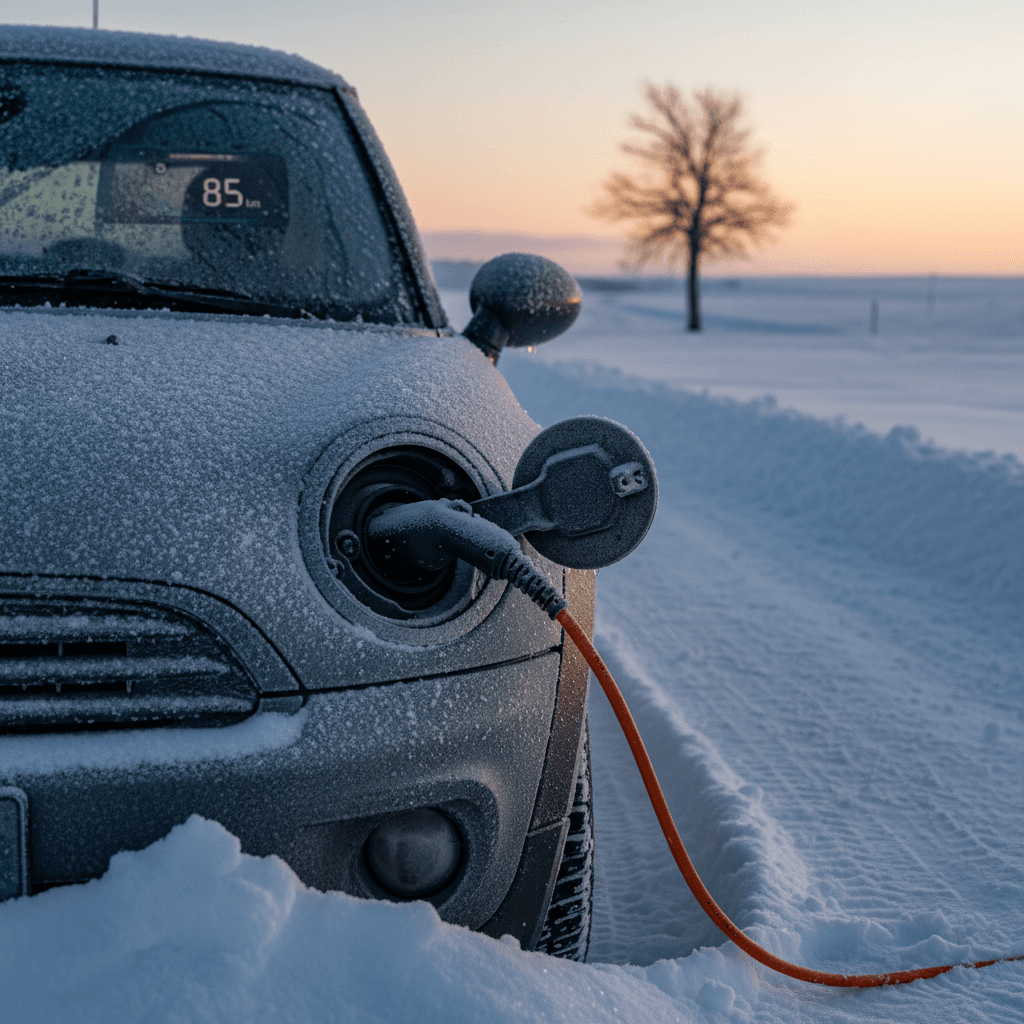
If you’re looking at a Mini Cooper SE and you live somewhere that actually has winter, you’re probably asking one very specific question: how much winter range loss, in percentage terms, should I expect? Because the Mini’s battery is small to begin with, a 20–40% loss can feel a lot scarier than it does in a 300‑mile EV. Let’s put real numbers and percentages to what actually happens in the cold, and how to keep this car usable all winter long.
Key takeaway up front
Mini Cooper SE winter range loss: quick overview
Mini Cooper SE winter range at a glance
Across EVs, controlled cold‑weather testing and owner data both point to a rough rule of thumb: expect about 20% range loss around freezing, and more as temperatures drop into the teens or below. On a Mini Cooper SE, that 20–30% haircut translates into losing 25–40 miles of usable range, which is why it feels dramatic even though the physics are similar to other EVs.
Why Mini winter loss feels worse
Mini Cooper SE battery and EPA range basics
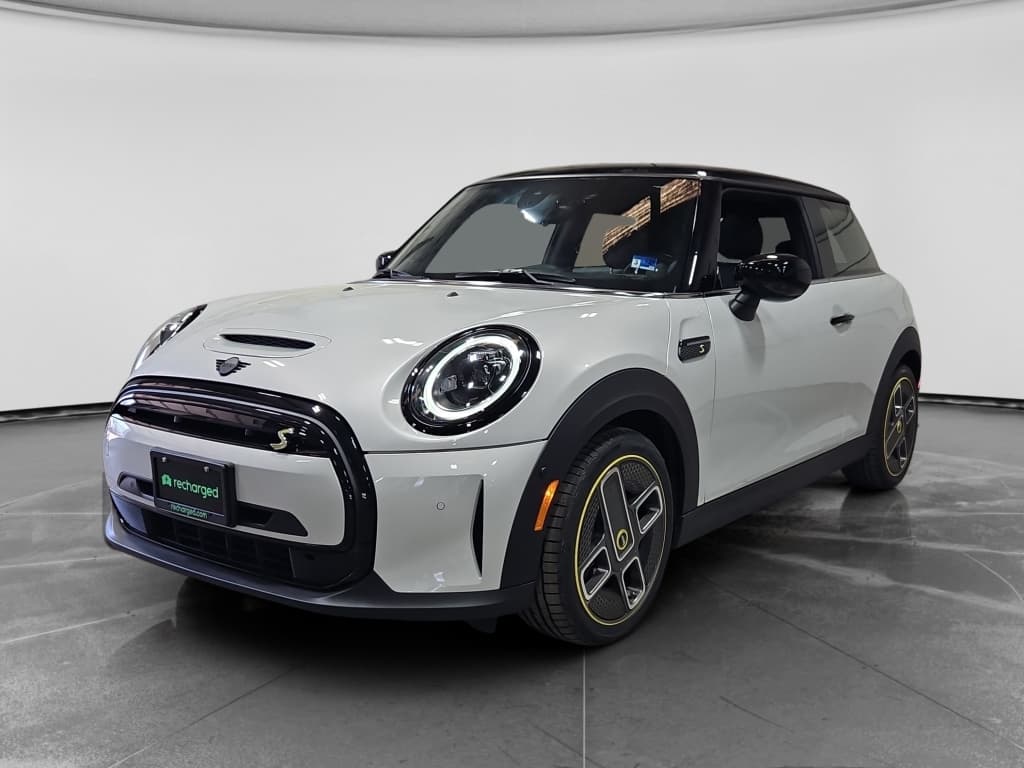
To make sense of winter range loss percentage, you have to start from what the Mini Cooper SE actually is. The current‑generation Cooper SE sold in the U.S. uses a roughly 32.6 kWh battery pack with about 28.9 kWh usable, and carries an EPA combined rating of about 110–114 miles of range depending on model year and wheel/tire spec. It’s engineered as a short‑range, city‑first EV, not a long‑range highway car.
- Battery: ~32.6 kWh gross (~28.9 kWh usable)
- EPA combined range: roughly 110–114 miles (model‑year and wheel dependent)
- Real‑world mild‑weather range: ~105–130 miles depending on speed and driving style
- Charging: DC fast charging up to ~50 kW; 11 kW AC on newer cars, 7.4 kW on earlier ones
That small pack is actually an advantage in the city, light weight, fun handling, cheap to fill, but it leaves you with less margin when cold temps and climate control start taking bites out of usable energy.
How cold weather actually cuts Mini Cooper SE range
Why winter eats range in a Mini SE (and every EV)
Same physics as bigger EVs, harsher impact because the battery is small
1. Colder battery chemistry
At low temperatures, the Mini’s lithium‑ion cells can’t move ions as efficiently. That means:
- Higher internal resistance (more energy wasted as heat inside the pack)
- Less available power and usable capacity at any given state of charge
- Slower fast‑charging when the pack is cold‑soaked
2. Cabin and battery heating loads
In winter, you’re spending energy just to stay comfortable and protect the pack:
- Cabin heat and window defrost can consume several kW on their own
- The Mini’s heat pump is efficient, but still draws energy
- Preconditioning helps, but only if you’re plugged in
3. Denser air and rolling drag
Cold air is denser, which increases aerodynamic drag, especially at highway speeds. Winter tires and cold rubber also boost rolling resistance. Even with climate control off, your wh/mi (kWh/100 km) consumption climbs at 65–75 mph in cold weather.
4. Short trips and cold starts
Where the Mini really suffers is lots of short, cold starts. Each time you start driving, the car has to warm the pack and cabin again. If you only go 3–5 miles between stops, you never get into a steady‑state efficient zone, so your observed range plummets.
Why long winter drives can be more efficient
Mini Cooper SE winter range loss percentages by temperature
Let’s translate all of this into the numbers most people actually care about: what percentage of EPA range you keep, and what that looks like in miles in a typical Mini Cooper SE with a healthy battery.
Mini Cooper SE winter range loss by temperature (ballpark)
Approximate real‑world winter behavior for a healthy Mini Cooper SE starting from ~112 miles of EPA range, assuming mixed city/suburban driving and moderate use of cabin heat.
| Conditions | Outside temp | Approx. range retained | Loss vs EPA | Estimated miles from 112‑mi EPA |
|---|---|---|---|---|
| Cool fall day | 45–55°F (7–13°C) | 90–100% | 0–10% loss | 100–112 mi |
| Typical winter day | 25–35°F (−4–2°C) | 70–85% | 15–30% loss | 80–95 mi |
| Cold snap | 10–20°F (−12 to −6°C) | 60–75% | 25–40% loss | 70–85 mi |
| Deep freeze | Below 0°F (≤ −18°C) | 45–60% | 40–55% loss | 50–70 mi |
Use these numbers as planning ranges, not promises, driving style, speed, wind, and elevation changes can swing things by ±10–15%.
Put differently, if your Mini Cooper SE is rated for about 112 miles and you’re seeing 75–85 miles on a typical 25–35°F day, you’re in the normal 20–30% winter loss band. When owners report 50–60 miles at 0°F and below, that’s not the battery “dying”, that’s what a short‑range pack looks like under extreme conditions.
What real owners report
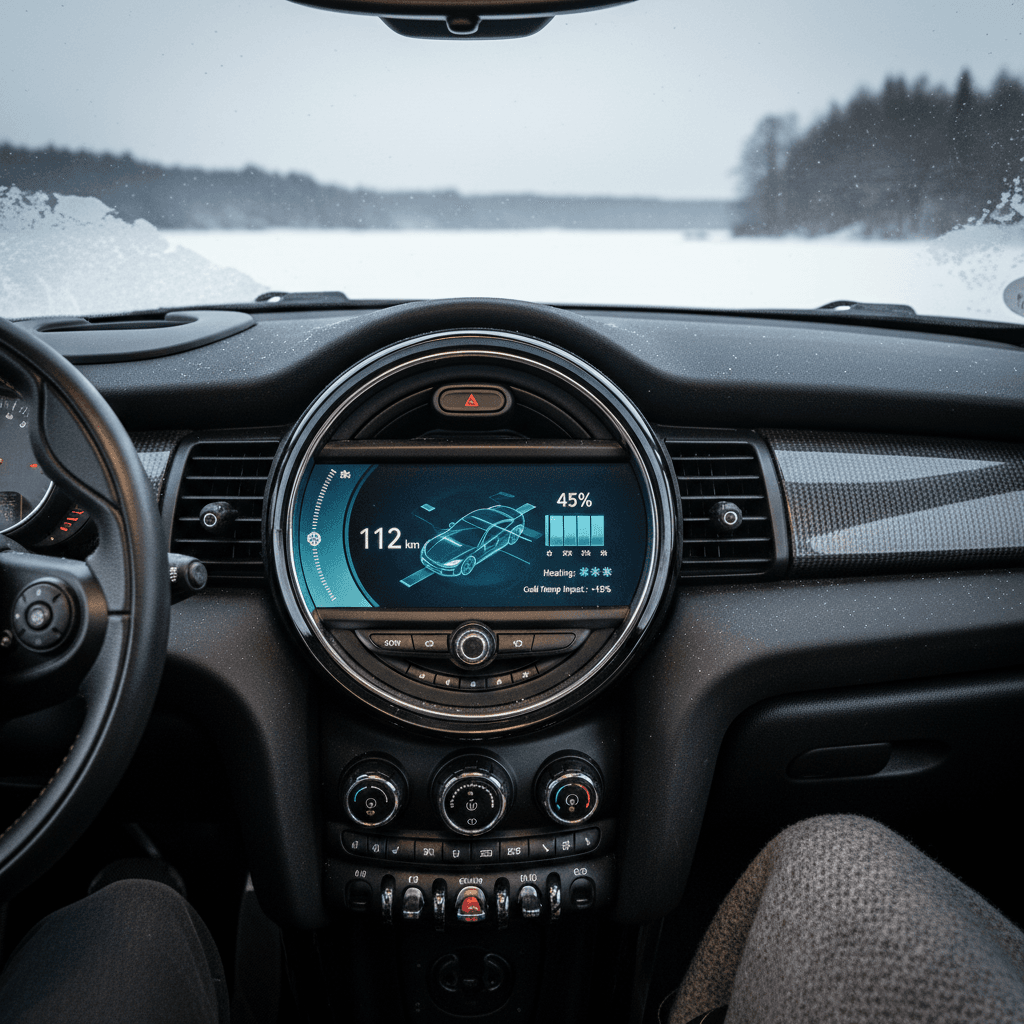
Driving patterns that make winter range loss worse
Short, stop‑and‑go trips
From an energy standpoint, the worst‑case scenario for a Mini Cooper SE in winter is lots of short, cold trips with the car parked outside between drives. Every time you start up, the car has to spend precious kWh re‑heating the cabin and pack, but you don’t drive far enough to spread that energy over many miles.
If your life looks like school drop‑offs, errands, and a 5‑mile commute, your effective range can drop well below the table above, even though nothing is wrong with the battery.
High‑speed winter highway runs
On the other side, steady 70–75 mph driving in cold, dense air is also brutal on a short‑range EV. Aerodynamic drag goes up roughly with the square of speed, so pushing air out of the way at 75 mph in 20°F temps takes a lot of energy.
In practice, that means a Mini Cooper SE that might do 100–110 miles at 60 mph on a fall day can drop into the 65–80 mile range at 75 mph in winter, even with preconditioning.
Don’t confuse winter behavior with sudden degradation
How to reduce winter range loss in a Mini Cooper SE
Practical steps to protect winter range
1. Always precondition while plugged in
Use the Mini’s departure timer or app to pre‑heat the cabin and battery while you’re still on shore power. This shifts the heaviest heating load off the battery and lets you drive away with a warm pack and clear windows.
2. Favor seat and wheel heaters over blasting air heat
The Mini’s seat and (if equipped) steering‑wheel heaters use far less energy than cranking cabin heat to max. Keep the air temp a bit lower, dress warmly, and let the contact heaters do the heavy lifting.
3. Use Green or Green+ modes in bad weather
Eco modes soften throttle response, adjust climate control, and make it harder to waste energy in unnecessary bursts of acceleration. In deep winter, Green+ can add meaningful miles if you’re comfortable dialing back climate control further.
4. Combine errands into fewer, longer trips
From an efficiency standpoint, it’s better to drive 20–30 miles in one go than four 5‑mile hops with hours of cold soak between. When possible, batch your errands so the car and battery stay warm.
5. Slow down on the highway
Dropping from 75 mph to 65 mph can save double‑digit percentages of energy use, especially in cold air. On a small‑battery EV like the Mini SE, that speed choice alone can be the difference between making it home comfortably and arriving at 5%.
6. Keep your tires properly inflated
Cold weather drops tire pressure. Running several psi low increases rolling resistance and eats range. Check pressures regularly as temps swing, especially if you’ve switched to winter tires.
How Recharged helps you sanity‑check winter behavior
Ready to find your next EV?
Browse VehiclesUsed Mini Cooper SE: what winter range does (and doesn’t) say about battery health
If you’re shopping for a used Mini Cooper SE, it’s tempting to use whatever range the seller is seeing in January as a verdict on pack health. That’s understandable, but dangerous. Winter range is as much about conditions and driving patterns as it is about degradation.
- A healthy Mini SE in mid‑winter can easily show 65–85 miles at 100% and still have very little long‑term degradation.
- The on‑screen range estimate (the “GOM”) is based on recent driving, not a lab‑grade measurement of usable kWh.
- Real degradation in modern Mini packs tends to be relatively gradual; sudden 20–30% drops usually point to temperature, software estimates, or recent drive cycles, not an instant battery failure.
The right way to evaluate a used Mini Cooper SE is to look at verified usable capacity, DC fast‑charge behavior, and service history, ideally with a proper diagnostic scan, exactly the kind of work that goes into the Recharged Score battery health on cars sold through Recharged. Winter range observations are useful context, but they’re a blunt instrument on their own.
When winter range loss is a red flag
Patterns that deserve a closer look
- You’re seeing 50–60% range loss on a mild 40–50°F day with conservative driving.
- The car shows dramatically less range than other Mini SEs in the same climate and usage pattern.
- Fast‑charging speeds stay unusually low even after 30–40 minutes of highway driving, suggesting the pack never warms up properly.
- The car has a history of high‑mileage DC fast‑charging (e.g., rideshare use) without clear service records.
These scenarios don’t prove that the battery is failing, but they’re cues to ask for diagnostic data, warranty history, and an independent battery health report. When you buy a Mini Cooper SE from Recharged, that legwork is already done for you, with transparent reporting on pack health and pricing that reflects its actual condition.
How Mini Cooper SE winter loss compares to other EVs
If you’ve heard horror stories about EVs "losing half their range" in winter, it’s fair to wonder if the Mini Cooper SE is unusually bad. The short answer is: in percentage terms, it’s broadly similar to other modern EVs. The difference is that you feel those percentages more because there’s less range to begin with.
Mini Cooper SE vs other EVs in winter
Same percentage loss, very different number of miles lost
Mini Cooper SE
- EPA range: ~112 mi
- Typical winter loss: 20–40%
- Miles lost: ~25–45 mi
- Remaining winter range: ~65–90 mi
Compact crossover EV
- EPA range: ~250 mi
- Typical winter loss: 20–30%
- Miles lost: ~50–75 mi
- Remaining winter range: ~175–200 mi
Long‑range premium EV
- EPA range: 300+ mi
- Typical winter loss: 15–30%
- Miles lost: ~45–90 mi
- Remaining winter range: ~210–255 mi
So when you see an owner say their Mini "only gets 75 miles in winter," that doesn’t mean it’s uniquely flawed. It means you’re looking at a normal 25–30% loss applied to one of the smaller packs on the market. If your daily driving fits inside that envelope and you have dependable charging, the car can still be a fantastic winter city tool.
Mini Cooper SE winter range FAQ
Mini Cooper SE winter range: frequently asked questions
Is a Mini Cooper SE right for you if winters are harsh?
Cold weather doesn’t change what the Mini Cooper SE fundamentally is: a short‑range, high‑charm city EV. In percentage terms, its winter range loss lines up with most of the market, roughly 20–30% in typical winter and more in deep cold. The catch is arithmetic: those percentages on a ~112‑mile EPA rating translate into 60–90 winter miles, not 180–220.
If your daily life fits comfortably inside that envelope, you can precondition at home, and you’re honest with yourself about the occasional winter road trip, a Mini Cooper SE can be a brilliant, efficient little runabout even in snowy states. And if you’re considering one used, working with a retailer like Recharged, where every car includes a Recharged Score battery health report, transparent pricing, financing options, and nationwide delivery, takes the guesswork out of whether the winter behavior you’re seeing is normal physics or a sign to walk away.