You don’t buy a Mini with your calculator, this is a car you buy with your limbic system. But when you start looking at the Mini Cooper SE total cost vs a gas Mini Cooper equivalent, the numbers get surprisingly emotional, too. Fuel, maintenance, depreciation, tax credits: they all pile up in different ways depending on which powertrain you pick.
At a glance
Mini Cooper SE vs gas Mini: what we mean by “total cost”
Total cost of ownership (TCO) isn’t just the monthly payment your lender emails you. For a fair comparison of the Mini Cooper SE vs a gas Mini Cooper, you need to look at everything you’ll realistically pay over time:
- Upfront price (minus any tax credits or rebates)
- Financing costs (interest)
- Fuel vs electricity
- Insurance
- Maintenance and repairs
- Depreciation (what you lose when you sell or trade)
- Home charging install, if needed
In this article we’ll focus on a 5‑year, 60,000‑mile scenario, roughly what a typical U.S. driver racks up. We’ll use reasonable national averages, then talk about where your personal situation might tilt the scales either way.
Your numbers will vary
Headline results: how much cheaper is the Mini Cooper SE?
Mini Cooper SE vs Gas Mini: 5‑Year Snapshot (Estimates)
Put simply: if your driving fits the SE’s range envelope, it usually wins on total cost over five years, especially if you buy used and let someone else take the initial depreciation hit.
Purchase price & incentives: new vs used Mini Cooper SE
New Mini Cooper SE
- MSRP (recent model years): typically high $30Ks before destination for a well‑equipped SE.
- Federal tax credit: Depending on final assembly and battery sourcing rules in a given model year, the SE has at times qualified for up to $7,500; in other years, less or zero. You must also have enough tax liability to use it.
- State/local rebates: Some states and utilities offer additional rebates (often $500–$3,000) for EVs or home chargers.
On paper, a new SE can end up priced close to, or even below, a similarly equipped gas Mini Cooper S after incentives, but that depends heavily on current policy and your tax situation.
Used Mini Cooper SE
- Market reality: Early SEs (2020–2022) are often some of the least‑expensive used EVs on the market, precisely because of their short range.
- Used EV tax credit: In recent years, qualifying used EVs sold under specific price and income caps have been eligible for a federal used EV credit (up to $4,000 or 30% of price). Availability varies by year and IRS rules.
- Depreciation already baked in: A 3‑ to 5‑year‑old SE can deliver a lot of character for compact‑hatch money.
If you shop the used market carefully, with verified battery health and fair‑market pricing, the Mini SE can be a bit of a TCO cheat code.
Why used can be the sweet spot
Energy costs: electricity vs gasoline
Here’s where the math stops being subtle. Recent U.S. data puts the average residential electricity price around the high‑teens cents per kWh, call it $0.17–$0.19/kWh, while the national average price for gasoline has spent plenty of time in the $3.50–$4.00/gal neighborhood, with premium often higher.
Approximate Energy Cost per Mile: Mini Cooper SE vs Gas Mini
Illustrative 5‑year averages using national‑level pricing assumptions.
| Vehicle | Energy use | Energy price assumption | Approx. cost per mile |
|---|---|---|---|
| Mini Cooper SE | ~3.5 miles/kWh (≈28 kWh/100 mi) | $0.18/kWh home charging | ≈$0.051/mile |
| Gas Mini Cooper (Cooper S or similar) | ~30 mpg combined on premium | $3.75/gal premium | ≈$0.125/mile |
| Gas Mini (base engine, driven gently) | ~33 mpg on regular | $3.50/gal regular | ≈$0.106/mile |
Real‑world results vary with your local electricity and fuel prices, driving style, and climate.
Even with conservative numbers, the Mini SE’s energy cost per mile is roughly half to two‑thirds that of a gas Mini. For 60,000 miles:
- Mini SE electricity (mostly home charging): ≈$3,000
- Gas Mini on premium: ≈$7,500
- Difference: about $4,500 in fuel savings alone
What about DC fast charging?
Insurance, maintenance, and repairs
Insurance
Insurance for a Mini Cooper SE is usually comparable to a similar‑value gas Mini, sometimes a touch higher because of EV parts pricing and repair complexity, sometimes lower because there’s no turbocharged engine to tempt hooliganism. For a fair TCO comparison, it’s reasonable to treat insurance costs as roughly a wash unless you’ve gotten actual quotes in your ZIP code.
One realistic caveat: collision repairs on any late‑model Mini, EV or gas, are not cheap. Aluminum panels and dense packaging mean minor dings can become major invoices.
Maintenance
- Mini Cooper SE: No oil changes, spark plugs, timing components, or exhaust. Brake wear is often lower thanks to regenerative braking. You’re mainly looking at cabin filters, brake fluid, tires, and the usual wear‑and‑tear.
- Gas Mini Cooper: Add oil changes, filters, ignition components, fuel system care, and a more complex cooling and exhaust system.
Over 5 years, it’s realistic to see the SE come in 30–50% cheaper on maintenance, assuming no freak accidents or out‑of‑warranty gremlins on either car.
Don’t skip tires in your budget
Depreciation & resale value
Depreciation is where the honest accountants clear their throats. Historically, short‑range EVs like the Mini SE depreciate faster than their gas equivalents, because shoppers fret about range and battery life. That’s bad news if you buy new and sell early, great news if you’re the second owner.
How depreciation plays out for Mini SE vs gas Mini
These are directional patterns, not exact dollar guarantees.
New Mini SE
Because of limited range and fast model‑year turnover, a new SE can shed a large chunk of value in the first 3 years. If you buy new and trade early, depreciation can erase much of your fuel savings.
New Gas Mini
Gas Minis depreciate too, this is still a premium compact hatch, but their values have historically been more predictable. Strong enthusiast demand helps.
Used Mini SE sweet spot
Buy a 3‑ to 5‑year‑old SE at today’s used prices and you’re letting the previous owner pay for the scary part of the curve. Your remaining depreciation per year can be modest, especially if demand for city‑range EVs grows.
The practical takeaway
5‑year cost comparison: Mini Cooper SE vs gas Mini
Let’s put the big pieces together. These are illustrative estimates for a 5‑year, 60,000‑mile owner. Your real numbers will ride the roller coaster of local prices, incentives, and how hard you drive.
Estimated 5‑Year Total Cost of Ownership (60,000 miles)
Approximate, rounded figures assuming similar trim levels and purchase prices in today’s U.S. market. Dollars shown are incremental costs to you over 5 years, not MSRP.
| Category | Mini Cooper SE (used or incentivized) | Gas Mini Cooper (Cooper/Cooper S) |
|---|---|---|
| Upfront net cost (after typical incentives/market pricing) | Baseline $0 (reference) | ≈same, treat as $0 for comparison |
| Electricity / fuel | ≈$3,000 | ≈$7,500 |
| Maintenance & repairs (routine) | ≈$2,000 | ≈$3,000 |
| Insurance (difference vs SE) | ≈$0–$500 | ≈$0–$500 (roughly a wash) |
| Home charging install (amortized) | ≈$500 (Level 2 install spread over 5 years) | $0 |
| Depreciation over 5 years | Moderate (if bought used) | Moderate |
| Estimated 5‑year total (excluding financing) | ≈$5,500–$6,000 | ≈$10,500–$11,500 |
Assumes mostly home charging for SE, typical U.S. fuel and electricity prices, and average maintenance costs.
Using these ballpark numbers, you’re looking at roughly $4,500–$5,000 in 5‑year savings in favor of the Mini SE, assuming you start from comparable purchase prices and drive a typical mileage.
When the gas Mini can be cheaper

Who actually wins? Mini SE vs gas Mini by driver type
Mini SE vs Gas Mini: Best Fit by Driver Type
Urban commuter (under 50 miles/day)
Mini SE is in its element: you’ll almost never touch the bottom of the battery.
Home or workplace charging turns fuel into a line item you barely notice.
Short‑hop, stop‑and‑go driving favors EV efficiency and regenerative braking.
Suburban family with one long trip a year
Mini SE can still work if you treat it as the around‑town car and keep something longer‑range for road trips.
Gas Mini wins if you demand one‑car‑does‑everything versatility.
TCO then depends on whether you’re willing to plan road trips around charging.
High‑mileage highway commuter (80+ miles/day)
The SE’s 114‑mile EPA range gets tight, especially in winter. You’ll need reliable mid‑day charging.
A diesel‑like highway commute plays to a gas Mini’s strengths in range and refueling speed.
Here, gas Mini may make more sense unless your charging and fuel prices are extremely favorable to EVs.
Car enthusiast with multiple vehicles
If you already have a road‑trip machine, the Mini SE is an ideal city toy, huge fun, low running costs.
You can buy used, enjoy guilt‑reduced hooning, and treat the SE as your default short‑trip car.
Your TCO win is maximized when the SE soaks up your urban miles that would otherwise go to a thirstier vehicle.
Think in miles, not just in years
Tips to lower your Mini Cooper SE total cost
Practical ways to make a Mini SE an even better deal
1. Buy used with verified battery health
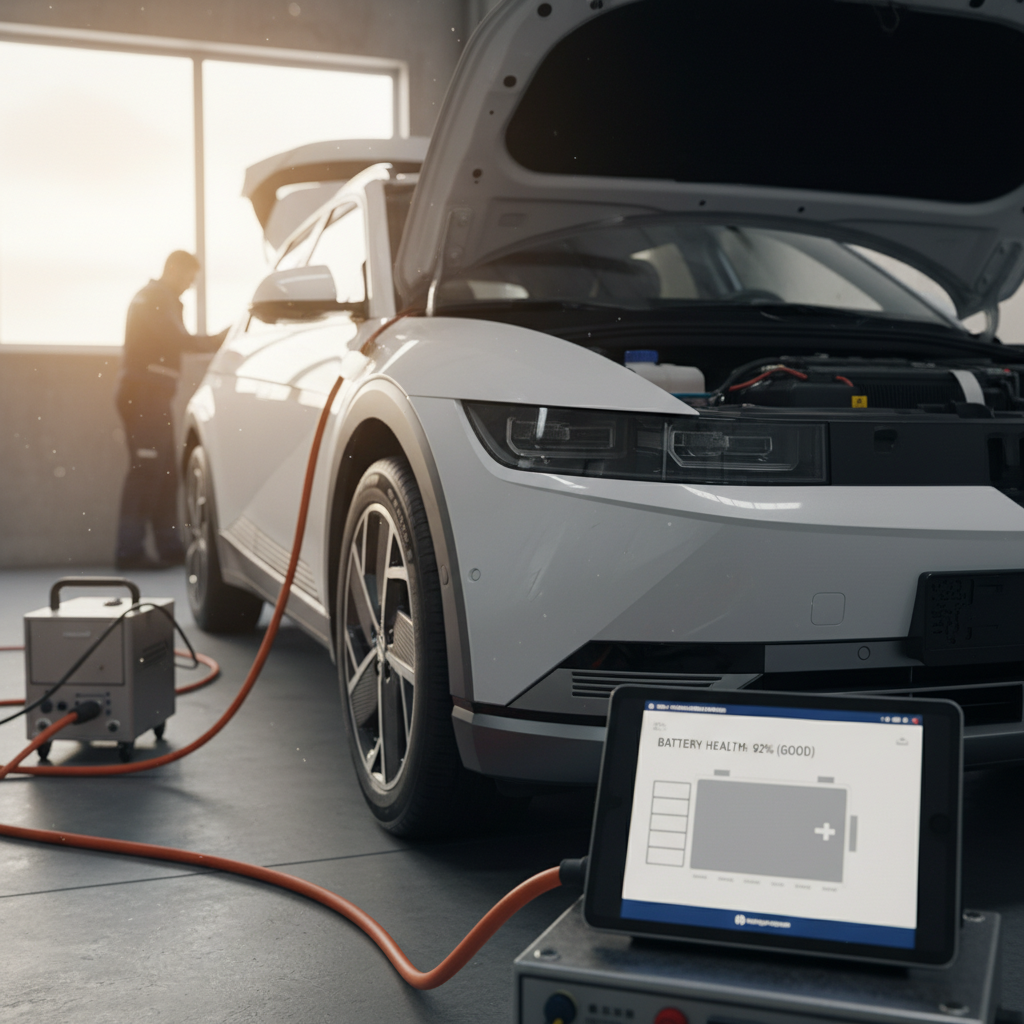
Battery health is the beating heart of EV value. Look for a Mini SE with documented state‑of‑health testing, ideally via a third‑party diagnostic like the Recharged Score, so you’re not guessing about long‑term range and degradation.
2. Prioritize home Level 2 charging
A simple 240V Level 2 setup lets you charge overnight at the best residential rates and wake up with a full battery. The install cost, often a few hundred dollars, can pay back quickly in lower energy prices and convenience.
3. Charge smart to avoid peak rates
If your utility has time‑of‑use pricing, schedule charging for off‑peak hours. The SE’s small battery charges quickly, so you can often grab a full charge during the lowest‑cost window.
4. Skip unnecessary dealer add‑ons
Whether gas or electric, Minis attract elaborate add‑ons and protection packages. Most don’t improve TCO. Put that money toward tires or a charging setup instead.
5. Keep software and firmware updated
Staying current on Mini’s software can improve efficiency, fix bugs, and help maintain battery longevity. Updates are cheaper than parts.
6. Plan for tires and brakes
Budget realistically for at least one full set of quality tires and periodic brake service over 60,000 miles. EVs are heavy; cheap rubber is false economy.
How Recharged helps with used Mini Cooper SE shopping
Shopping used is where the Mini SE usually makes the strongest financial case, but only if you know what you’re getting. That’s where Recharged comes in.
Why a used Mini SE from Recharged makes financial sense
Lower running costs, plus transparency up front.
Recharged Score battery health diagnostics
Every EV on Recharged comes with a Recharged Score Report that includes verified battery health. Instead of guessing about hidden degradation, you see clear data on the pack’s condition, critical for valuing a Mini SE correctly.
Fair market pricing & financing
Recharged benchmarks each vehicle against the market, so you’re not overpaying before you even start saving on fuel. You can also finance online and see your payment options clearly, without the usual dealership theater.
Trade‑in, consignment, and delivery
Already own a gas Mini, or something thirstier, you’d like to move on from? Recharged offers trade‑ins, instant offers, or consignment, plus nationwide delivery and an Experience Center in Richmond, VA if you want to see cars in person.
Ready to find your next EV?
Browse VehiclesFrom spreadsheet to driveway
Mini Cooper SE total cost FAQ
Frequently asked questions about Mini Cooper SE vs gas Mini costs
The Mini Cooper SE is not the rational default for every driver, it’s a short‑range, high‑charm city car in a country that still worships the interstate. But if your life fits inside its range and you buy smart, especially on the used market, the SE quietly undercuts its gas siblings on total cost while delivering the same go‑kart grin. Factor in verified battery health, honest pricing, and EV‑specialist support from places like Recharged, and you can let your heart buy the Mini while your spreadsheet nods along in approval.