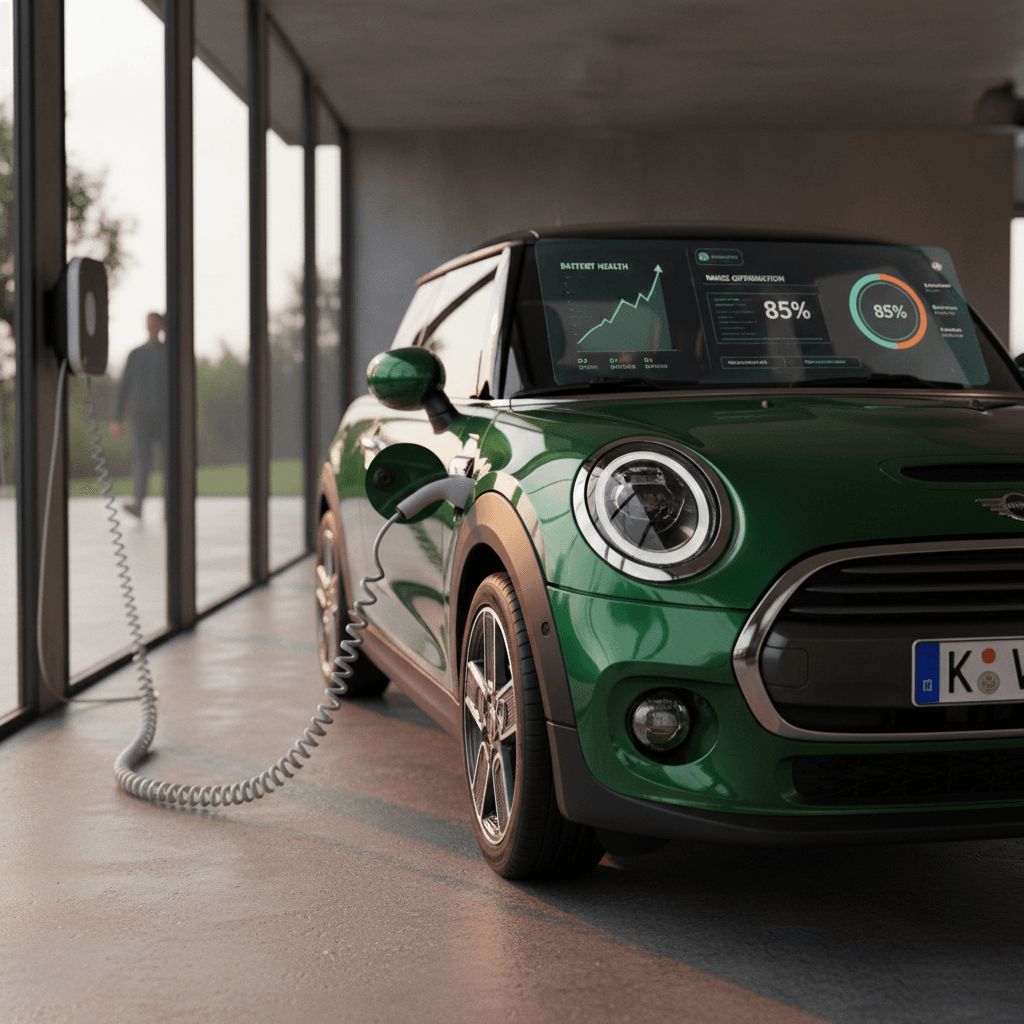
If you bought a Mini Cooper SE, you probably did it for the personality as much as the efficiency. The good news is that with a few smart habits, you can keep that fun-to-drive character and still maximize battery life and usable range for years, whether your SE is brand-new or you’re eyeing a used one.
Why battery care matters on the Mini SE
Mini Cooper SE battery basics: what you’re working with
Before you fine‑tune your routine, it helps to know what’s under the floor. The current Mini Cooper SE (F56 generation in the U.S. through 2024) uses a lithium‑ion battery pack with roughly 32 kWh gross and about 28–29 kWh usable capacity. Newer all‑electric Minis coming after 2024 use similar lithium‑ion technology, even if the exact capacity changes.
- Lithium‑ion chemistry likes moderate temperatures and mid‑range state of charge (SOC).
- The Mini’s displayed “100%” already includes top and bottom buffers that the car hides to protect the pack.
- EPA range is modest, so small efficiency gains, from better habits, are noticeable in real‑world driving.
What “battery degradation” really looks like
Daily charging habits to maximize Mini Cooper SE battery life
Charging habits are the easiest, and most powerful, way to maximize battery life on a Mini Cooper SE. You don’t need to obsess over every percent, but a few consistent rules pay off over years of ownership.
Core charging rules for a healthy Mini SE battery
Think in terms of patterns, not perfection.
Live in the middle
Aim to keep your daily state of charge roughly in the 20–80% window.
- Don’t panic if you hit 100% occasionally.
- Try not to let it sit full or nearly empty for days.
Prefer Level 2 at home
Slow AC charging is gentler than repeated DC fast sessions.
- Use a 240V Level 2 charger if possible.
- Level 1 (120V) is fine, just slower.
Time your full charges
When you need 100% for a trip, schedule charging so it finishes near departure.
- Minimizes time spent at high SOC.
- Use the Mini app’s charge timers where available.
Use the car’s built‑in buffers to your advantage
- Set a target of about 70–80% on workdays (if your version of the Mini app or onboard settings support a charge limit).
- Plug in most nights or every other night so you arrive home around 30–50% and wake up around 70–80%.
- Only push to 100% the night before a longer drive.
Avoid these everyday battery stressors
When and how to use DC fast charging in a Mini Cooper SE
The Mini Cooper SE will fast‑charge at up to roughly 50 kW, which is modest compared with many newer EVs. That’s actually a hidden win for longevity: lower power means less heat, which is easier on the pack. Still, frequent DC fast charging can age any lithium‑ion battery more quickly than slower AC charging.
DC fast charging best practices for the Mini Cooper SE
Use fast charging as a road‑trip tool, not your daily lifeline.
| Scenario | What to Do | Why It Helps |
|---|---|---|
| Road trip or weekend away | Fast charge as needed, ideally from ~10–60% or 15–80%. | Keeps the battery in its comfort zone and shortens high‑heat time on the charger. |
| Daily commute with home Level 2 | Skip DCFC; rely on home charging instead. | Avoids repeated high‑power cycles that add up over years. |
| Hot summer day | If possible, let the car cool a bit before plugging into DC, and don’t chase 100%. | High temperatures and high SOC together are tough on cells. |
| Cold winter fast charge | Precondition if available and don’t be surprised by slower speeds. | Warmer packs charge more efficiently and with less risk of plating. |
Practical rules of thumb for preserving battery life while still enjoying fast charging convenience.
Plan your stops for the middle of the battery
Driving style and range: how your right foot affects the pack
How you drive doesn’t just change today’s range, it shapes how hard the battery has to work over the life of the car. The Cooper SE loves spirited driving, but constant full‑throttle launches and high‑speed highway slogs can mean more heat and deeper cycles for the pack.
City and suburban driving
- Use Green or Mid mode when you don’t need maximum punch.
- Take advantage of regenerative braking and one‑pedal driving instead of hard stops.
- Look further ahead so you can coast rather than spike acceleration and braking.
Highway and longer runs
- Keep speeds reasonable; pushing well above typical highway limits burns range quickly.
- Use cruise control where it makes sense to avoid constant speed swings.
- Plan passing moves so you’re not yo‑yoing between full power and full regen.
Efficiency is battery kindness
Temperature, climate control, and battery health
Like every lithium‑ion EV, the Mini Cooper SE is happiest when neither it nor the weather is miserable. Extreme heat and deep cold don’t just cut range on a given day; over years, they can also chip away at capacity if the car spends a lot of its life in those extremes.
Temperature tips to protect your Mini SE battery
Think about where and how the car sits, not just how you drive it.
Beat the heat
- Park in shade or a garage whenever you can.
- Avoid leaving the car sitting at 90–100% in high heat.
- Use scheduled charging so it finishes just before you leave on hot days.
Work with winter
- Precondition the cabin while plugged in so heat draws from the grid, not the pack.
- Accept slower fast‑charge speeds in deep cold; that’s the battery protecting itself.
- Keep SOC a bit higher (30–80%) during very cold snaps.
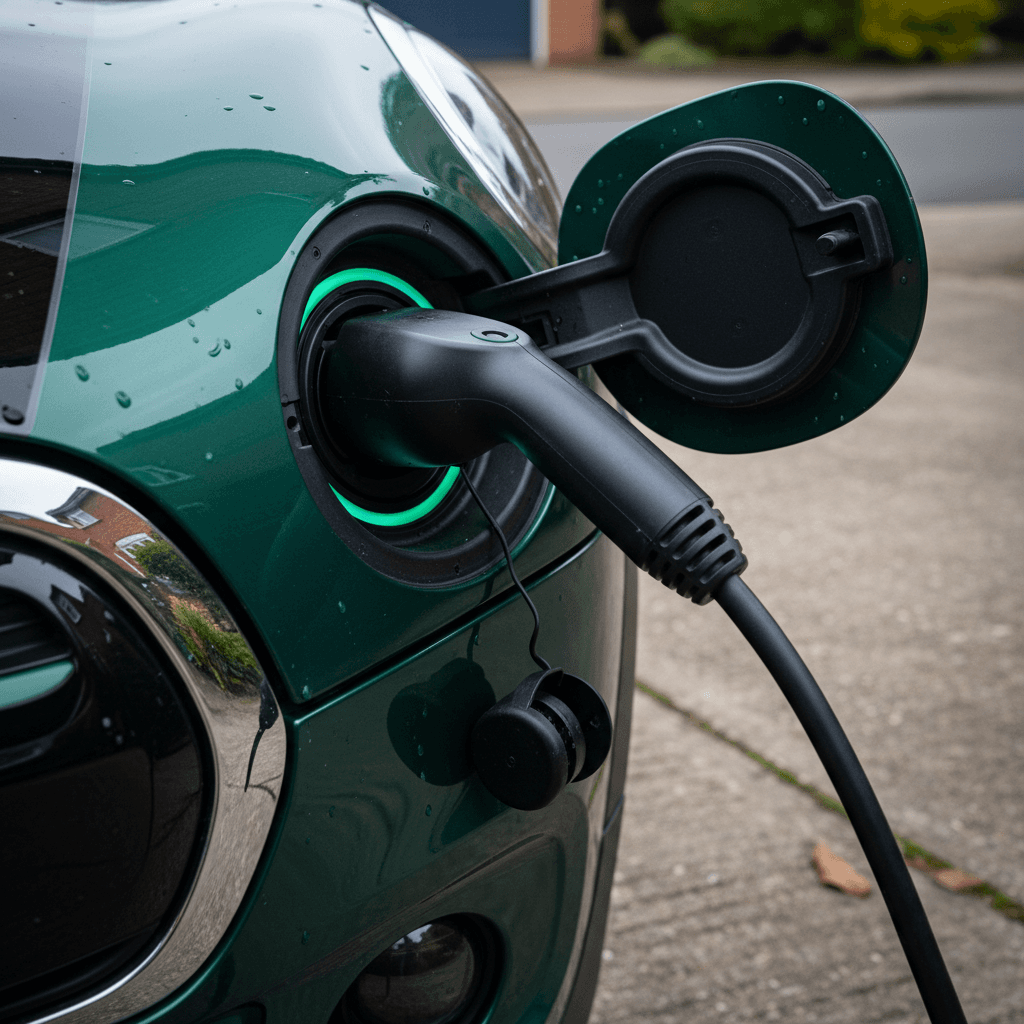
Use shore power smartly
- When possible, leave the car plugged in at home during weather extremes.
- The Mini can manage pack temperature and charge level more gracefully when it has access to grid power.
Long-term storage and infrequent use
If your Mini Cooper SE will sit for more than a couple of weeks, maybe you rotate cars, travel frequently, or store it for winter, how you park it matters just as much as how you drive it.
Mini Cooper SE storage best practices
1. Aim for ~50–60% before parking
Lithium‑ion batteries are least stressed around the middle of their charge range. For storage of a few weeks to a few months, park your Mini around 50–60% SOC instead of full or nearly empty.
2. Avoid leaving it at 0–10%
Letting the pack sit near empty for weeks can risk very deep discharge, which is tough on cells and can even leave the car unwilling to wake up without service.
3. Decide whether to leave it plugged in
For a few weeks, either option is fine. For months, many owners prefer parking around 50–60% and unplugging, then checking in monthly. If you do leave it plugged in, make sure your charge limits and timers are set appropriately.
4. Check on the car periodically
Every few weeks or once a month, glance at the SOC in the app or on the dash. If it drops below roughly 30%, top it back up into the 50–60% zone.
5. Store it in a temperate spot
A climate‑controlled garage is ideal, but even just avoiding prolonged direct summer sun, or truly brutal winter cold, helps slow calendar aging of the pack.
Don’t “set and forget” at 100%
Battery health on a used Mini Cooper SE
Shopping used? The Mini Cooper SE has won fans for aging gracefully. Many early cars with significant mileage still report strong range. But battery health is the big, expensive component in any EV, so it’s wise to look past the paint and into the pack.
What to look for in the real world
- Ask the seller what range they see at 100% in typical weather.
- Compare that with period EPA ratings and owner reports to spot outliers.
- Look for charging history: mostly home Level 2 and moderate daily mileage is ideal.
Why a formal health report helps
- App readouts and guess‑o‑meters are only rough indicators.
- A dedicated battery health test can reveal true state of health, cell balance, and DC fast‑charge history.
- On platforms like Recharged, every EV includes a Recharged Score Report with verified battery diagnostics so you’re not buying blind.
How Recharged can help
Ready to find your next EV?
Browse VehiclesMini Cooper SE battery care checklist
Everyday Mini Cooper SE battery care
Charge mostly between ~20–80%
Don’t stress about the occasional 0% or 100%, but make your default pattern living in the middle. If you can set a charge limit around 70–80% for daily use, do it.
Save 100% for trips
Top off to full when you genuinely need the range, and time that charge so the car doesn’t sit at 100% for hours or days.
Favor Level 2 over DC fast charging
Use home or workplace AC charging for daily needs. Treat DC fast charging as your road‑trip and emergency tool, not your routine.
Be kind in extreme temperatures
Park in shade or a garage when you can, precondition while plugged in, and don’t store the car at high SOC in hot weather.
Drive smoothly when possible
Enjoy the punch when you want it, but smooth acceleration and braking improve efficiency and reduce how often you need deep cycles.
Store at ~50–60% if parked for weeks
If the Mini will sit for several weeks or more, park it around mid‑pack and check in periodically to avoid both very low and very high SOC.
Mini Cooper SE battery life FAQ
Mini Cooper SE battery life: frequently asked questions
Key takeaways for a healthy Mini Cooper SE battery
You don’t need to baby your Mini Cooper SE to enjoy long battery life. If you mostly keep the pack in the middle of its range, favor Level 2 charging over constant DC fast sessions, avoid parking for days at 0% or 100%, and give the car a break in extreme heat or cold, you’re already ahead of the curve. Those habits line up with how lithium‑ion batteries naturally want to live, and they let you keep enjoying that punchy little Mini without watching the range gauge with dread.
Whether you’re already driving an SE or shopping for a used one, you don’t have to navigate battery health alone. Platforms like Recharged bring together expert EV battery guidance, transparent Recharged Score Reports, and EV‑specialist support, so you can buy, drive, and eventually sell your Mini Cooper SE with confidence.