If you’re eyeing a quirky little electric hatchback, the question usually comes fast: Mini Cooper SE battery lifespan – how long does it really last? Whether you’re shopping new, hunting for a used Mini SE, or already own one and worry about range slipping away, understanding how this car’s battery ages will tell you how long it can comfortably fit your life.
Short answer
Mini Cooper SE battery lifespan overview
The Mini Cooper SE (also called the Mini Electric in some markets) wasn’t designed to be a cross-country cruiser. It’s a compact city EV with a relatively small battery, quick responses, and a playful personality. That same design, short range, modest power draw, compact pack, actually sets it up for very respectable battery longevity when used as a commuter, school-run, or second car.
- Pack size: about 32.6 kWh gross, ~28.9 kWh usable
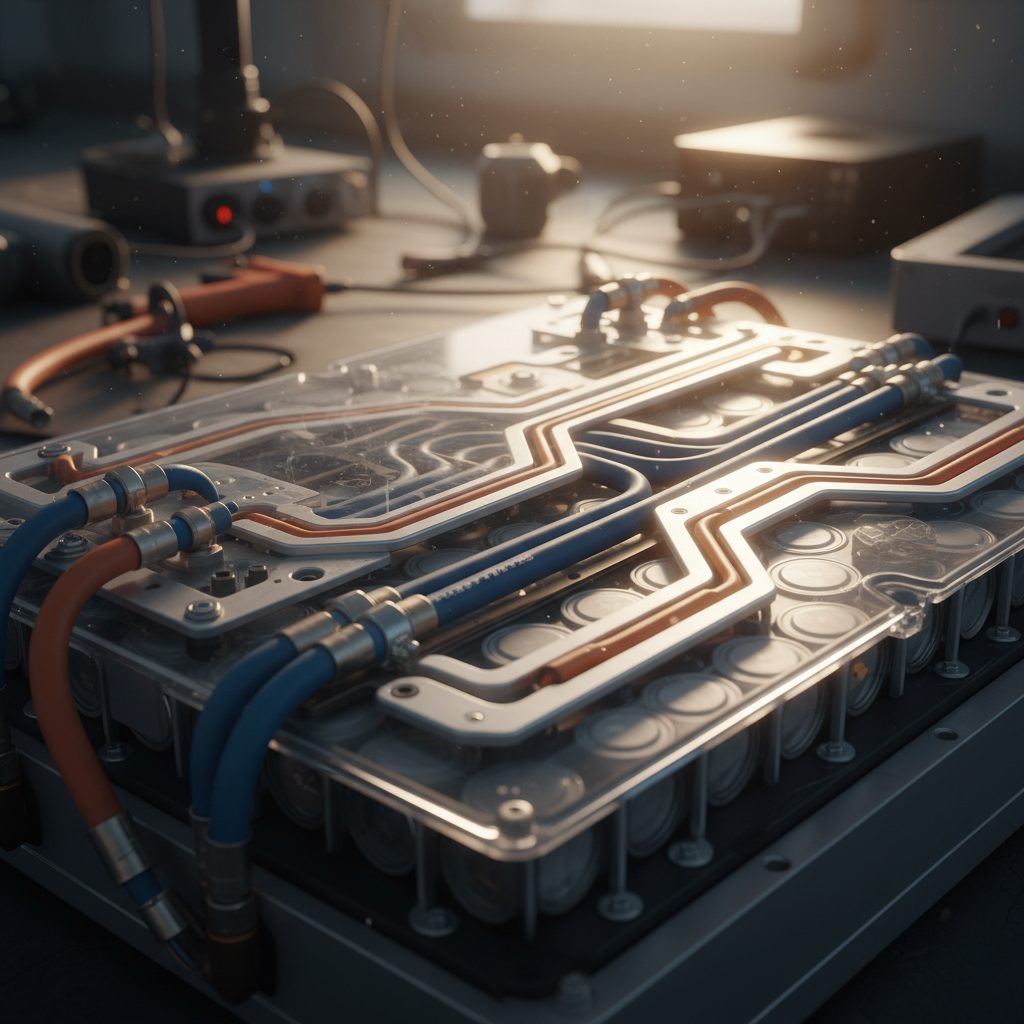
- Chemistry: modern lithium-ion pack with liquid thermal management
- Typical EPA range when new: around 110–114 miles, depending on wheel/tire and model year
- Primary mission: daily city and suburban driving, not constant road-tripping
Why smaller isn’t always worse
Mini Cooper SE battery specs and chemistry
To talk intelligently about how long a Mini Cooper SE battery lasts, it helps to understand what’s under the floor.
Mini Cooper SE battery basics
Key battery specs that influence lifespan and range.
| Item | Detail |
|---|---|
| Battery type | Liquid-cooled lithium-ion traction battery |
| Gross capacity | ≈ 32.6 kWh |
| Usable capacity | ≈ 28.9 kWh (varies slightly by year/software) |
| Nominal voltage | High-voltage pack (roughly 350–400V system) |
| Charging (AC) | Up to ~7.4 kW Level 2 |
| Charging (DC fast) | Up to ~50 kW peak, tapering as the pack fills |
Approximate specifications; always check the window sticker or owner’s manual for exact details on a specific car.
This is a modern EV battery, not an experimental first-generation pack from a decade ago. It uses active thermal management (cooling and heating) to keep the cells in their comfort zone, a big contributor to long-term health, especially in hot or cold climates.
How long the Mini Cooper SE battery typically lasts
Mini Cooper SE battery lifespan at a glance
Lithium-ion EV batteries rarely fail overnight. Instead, they slowly lose capacity, meaning range, over time. For a Mini Cooper SE driven and charged reasonably, it’s realistic to expect:
- Roughly 2–3% capacity loss in the first couple of years, sometimes less,
- Then a slower decline, averaging perhaps 1–2% per year depending on climate and habits,
- A total of 15–30% capacity loss over 10–12 years is a reasonable planning assumption for a car that isn’t abused.
The big wild cards
Mini Cooper SE battery warranty explained
Automakers don’t offer long battery warranties by accident, they’ve run the math. The Mini Cooper SE’s pack is typically covered for 8 years or 100,000 miles (whichever comes first) against defects and excessive capacity loss, for the original owner and often transferable to subsequent owners.
- Coverage period: generally 8 years / 100,000 miles on the high-voltage battery (verify by model year and region).
- Degradation threshold: many BMW/Mini EV warranties use a 70% capacity floor, if the pack falls below this before the warranty ends, you may qualify for repair or replacement.
- Transferability: high-voltage battery warranties usually stay with the car, so a used Mini SE can still be protected.
Always check the fine print
Real-world Mini Cooper SE battery degradation
So how does the battery hold up outside of the brochure? Owner reports and early fleet data paint a reassuring picture for the Mini Cooper SE, especially when used as intended, shorter daily drives, lots of Level 2 charging, and only occasional DC fast-charging.
What Mini SE owners typically see over time
Not scientific lab data, just the patterns that keep showing up.
City commuters
Drivers doing 20–40 miles a day and charging at home or work often report very modest range loss over the first 3–5 years.
Heavy fast‑chargers
Owners who rely on DC fast charging several times a week, especially in hot climates, are more likely to notice earlier, steeper degradation.
Cold‑climate drivers
Winter range can drop dramatically while it’s cold, but that’s temporary efficiency loss, not permanent battery damage. True capacity should rebound as temperatures warm.
Watch usable range, not just the number
What actually shortens, or extends, Mini SE battery life
The chemistry inside your Mini’s battery doesn’t know it’s in a cute hatchback. It responds to the same stressors as any EV pack. The difference is how hard you push it.
Habits that shorten battery life
- Parking for days at 100% charge, especially in hot sun.
- Frequent 0–100% cycles instead of partial charges.
- Regular DC fast charging when Level 2 would work fine.
- Leaving the car near empty for long periods.
- Consistently driving at very high speeds in hot weather.
Habits that extend battery life
- Living most of the time between 20–80% state of charge.
- Using Level 2 home charging as your default.
- Preconditioning the cabin while plugged in in extreme weather.
- Parking in shade or covered areas in hot climates.
- Letting the car sit around 50–60% charge when stored for weeks.
Don’t store your Mini SE dead
Daily habits to protect your Mini SE battery
You don’t need to obsess over every percentage point to keep your Mini’s battery healthy. A few easy routines go a long way, and most of them make your life easier, not harder.
Easy battery-friendly routines
1. Use a daily charge limit
If your Mini allows you to set a maximum charge level, set daily charging to around <strong>80–90%</strong>. Save 100% for days when you truly need every mile of range.
2. Plug in regularly, not constantly
For most owners, <strong>overnight Level 2 charging</strong> a few times a week is perfect. Let the car float between roughly 30–80% instead of topping to 100% every night just because you can.
3. Reserve DC fast charging for trips
Use public DC fast chargers as your <strong>road-trip or emergency option</strong>, not your daily fill‑up. Your battery’s long-term health will thank you.
4. Precondition while plugged in
On very hot or cold days, start cabin preconditioning while you’re still plugged in. That way the energy for heating or cooling comes from the grid, not solely from your battery.
5. Park smart in extreme heat
When you can, <strong>park in shade, a garage, or a covered structure</strong>. High battery temperatures over time are one of the biggest enemies of longevity.
6. Don’t stress over perfection
Modern EVs are designed to be used. If you occasionally fast-charge or need to charge to 100%, it’s okay. Focus on <strong>overall patterns</strong>, not one-off events.
Range loss: what to expect over time
For a Mini Cooper SE buyer, the question often isn’t “Will the battery fail?” but rather, “How much range will I lose, and will it still work for my lifestyle?” Because the Mini SE starts with a relatively short official range (about 110–114 miles), every mile of loss feels more noticeable than it might on a 300‑mile EV.
Approximate Mini Cooper SE range over time
Illustrative example assuming a car that started around 114 miles EPA-rated range and is driven/charged reasonably well.
| Age of car | Estimated remaining capacity | Approx. indicated range (EPA-style) | How it feels in daily use |
|---|---|---|---|
| New | 100% | ≈ 110–114 mi | Plenty for most city and suburb days |
| 3–4 years | ~92–95% | ≈ 100–108 mi | You might charge slightly more often, but daily routine unchanged |
| 6–8 years | ~85–90% | ≈ 90–102 mi | Still fine for short commutes; more planning for longer Saturday errands |
| 10–12 years | ~75–85% | ≈ 80–96 mi | Great as a second car or short‑range commuter, but longer out‑and‑back trips require planning |
| 15+ years | <75% | < 80–85 mi | May feel range‑constrained for some drivers; still useful if your life fits its radius |
These are planning numbers, not a guarantee. Real-world range will vary with speed, temperature, terrain, and driving style.
Ask: does it still fit my life?
Buying a used Mini Cooper SE: battery checklist
Used Mini Cooper SEs can be terrific values: quirky styling, strong acceleration, and lower prices than many longer‑range EVs. But with a small pack, battery health matters a lot. Here’s how to shop smart.
Used Mini SE battery checklist
1. Check model year and mileage
Newer cars with lower mileage usually see less degradation, but don’t ignore how they were used. A low‑mileage car that sat fully charged in the sun isn’t automatically better than a higher‑mileage commuter that was well cared for.
2. Confirm remaining battery warranty
Ask the seller or a Mini dealer to verify <strong>how many years and miles</strong> remain on the high‑voltage battery warranty. A car with several years left offers extra peace of mind.
3. Review charging history (when possible)
If the seller has records, look for a pattern of <strong>home Level 2 charging</strong> instead of constant DC fast charging. Frequent road‑tripping on fast chargers can be a yellow flag.
4. Test drive and note real-world range
Start your test drive with a known state of charge, say 80%, and drive a realistic loop. Compare miles driven to the drop in indicated range to get a feel for <strong>how the car behaves in your hands</strong>.
5. Scan for battery warnings
Make sure there are <strong>no warning lights</strong> related to the high‑voltage battery, charging system, or thermal management. Ask if any battery or high‑voltage repairs have been done.
6. Get a professional battery health report
A <strong>third‑party battery health report</strong> can reveal how much usable capacity remains compared to when the car was new. This is the closest thing to a pre‑purchase physical for your EV’s most expensive component.
How Recharged checks Mini Cooper SE battery health
The battery is the beating heart of any used EV purchase. At Recharged, every Mini Cooper SE we list includes a Recharged Score Report so you’re not guessing how the previous owner treated the car.
What the Recharged Score tells you on a Mini SE
So you know exactly what you’re buying before it ever hits your driveway.
Verified battery health
We run specialized diagnostics to estimate remaining battery capacity compared with factory spec, instead of just trusting the dash range number.
Fair market pricing
Our pricing reflects actual battery condition, mileage, age, and market trends, so a Mini SE with a healthier pack is priced accordingly.
EV‑specialist support
EV‑savvy specialists walk you through what the report means, how long the battery should realistically serve your needs, and whether a specific Mini SE is a good match for your driving.
Ready to find your next EV?
Browse VehiclesConsidering a trade‑in?
Mini Cooper SE battery lifespan FAQ
Common questions about Mini Cooper SE battery life
Bottom line on Mini Cooper SE battery longevity
The Mini Cooper SE’s battery was built for a specific mission: short, joyful drives with easy charging. In that environment, its battery can be a 10–15‑year companion, losing range slowly enough that many owners never bump up against its limits.
If you’re shopping used, the key isn’t finding a unicorn with absolutely zero degradation, it’s finding a Mini SE whose remaining range fits your routes and your lifestyle, with a healthy pack and transparent history. That’s exactly why every used EV at Recharged, including the Mini Cooper SE, comes with a Recharged Score battery health report, fair market pricing, and EV‑savvy guidance from first click to delivery.
Treat the battery with a bit of respect, charge it thoughtfully, and the Mini Cooper SE can stay punchy, playful, and practical far longer than most people expect, long enough that your biggest problem may be deciding what fun EV to drive next.