If you’ve ever watched a six-figure luxury EV lose half its value in a few years and thought, “That has to hurt,” you’re not wrong. But in 2026, those same brutal losses are turning into massive depreciation deals for used buyers. The trick is knowing which luxury EVs are smart bargains, which are money pits, and how to separate a screaming deal from a silent disaster.
The short version
Why Luxury EVs Are Depreciation Champions Right Now
Depreciation is just the market’s way of saying, “We mispriced this when it was new.” For luxury EVs, the gap between launch hype and real-world demand has been wide. Several forces are all pushing values down at once:
- Rapid tech turnover: Battery chemistry, range, and driver-assistance tech have been improving almost every model year. Yesterday’s halo EV suddenly looks old when a newer one adds 60–80 miles of range and faster charging.
- Price cuts and incentives on new EVs: Deep discounts on new luxury EVs (especially as brands chase volume before tax credits phase down) drag used prices with them.
- Thin used-buyer pool for six-figure cars: There just aren’t that many shoppers eager to own a complicated, out-of-warranty electric flagship, especially one that cost more than a house in some markets.
- Brand pivots and cancellations: Mercedes scaling back its EQ lineup and other luxury makers rethinking EV plans make yesterday’s top model feel like a dead-end experiment, even if it’s still a fine car.
- Perception risk: Headlines about “EV winter,” range anxiety, or complex infotainment sour some shoppers on older EVs, even when the vehicles themselves are solid.
Depreciation≠junk
How Bad Is the Drop? Real-World Luxury EV Numbers
Luxury EV Depreciation at a Glance
To understand why shoppers are suddenly hunting for luxury EVs with massive depreciation, it helps to look at specific models:
Sample Luxury EV Depreciation Snapshots
Approximate U.S. price movements based on recent market data as of mid‑2025.
| Model | Original MSRP (approx.) | Age (2025) | Typical Used Price | Total Depreciation |
|---|---|---|---|---|
| Mercedes EQS 450+ | $104,000 | ~3 years | ~$42,000 | ≈ –$62,000 (about –59%) |
| Mercedes EQE 350+ | $75,000 | ~2 years | ~$54,000 | ≈ –$21,000 (about –28%) |
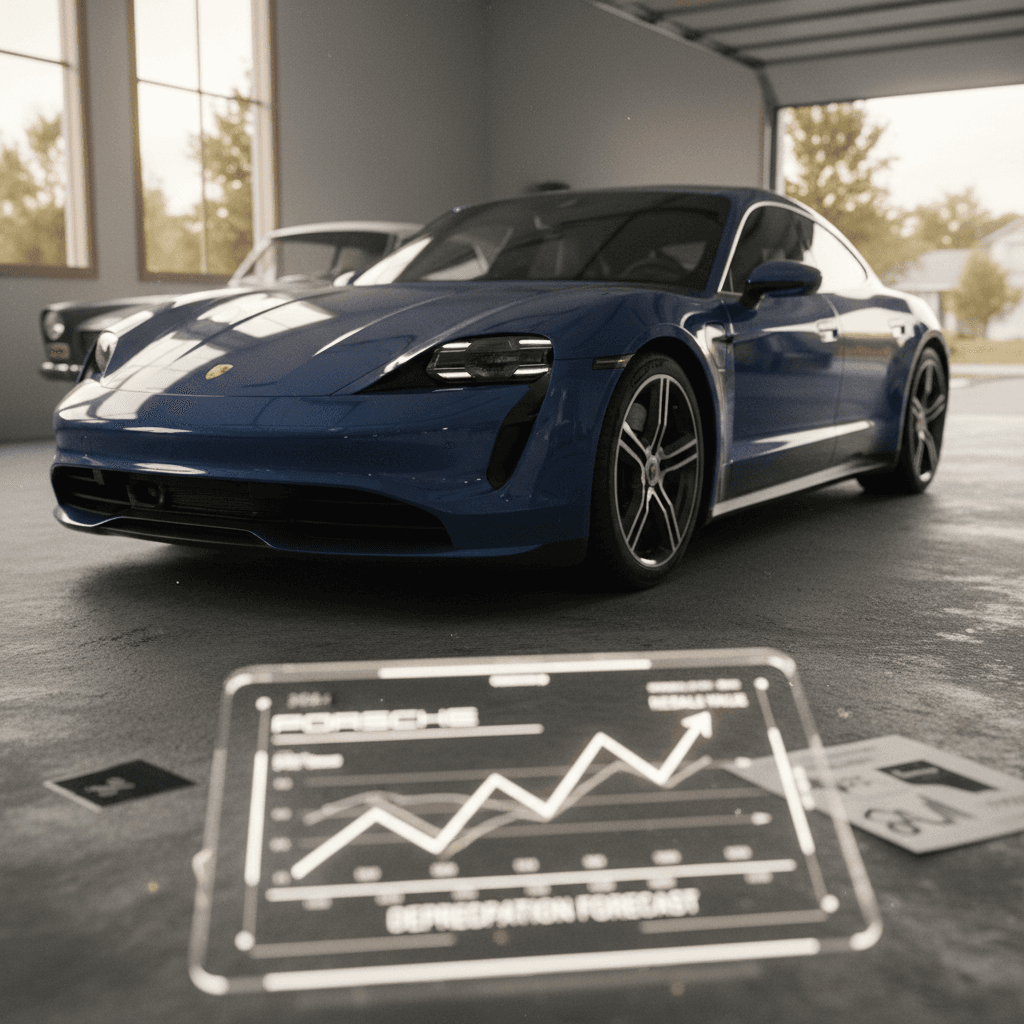
| Porsche Taycan sedan | $100,000+ | ~5 years | ~$42,000–$50,000 | around –50–60% depending on spec |
| Porsche Taycan Cross/Sport Turismo | $110,000+ | ~5 years | Retains ~51% of value | less depreciation than most luxury EVs |
| High‑end Tesla Model S | $95,000+ | ~5 years | Often under $45,000 | frequently –50% or more, depending on year and options |
These are ballpark figures meant to illustrate order-of-magnitude changes, not quotes for a specific VIN.
Remember: these are sketches, not promises
Best Luxury EVs to Buy Used: Massive Depreciation, Good Cars
Some luxury EVs depreciate hard but are still terrific cars to live with. These are the models where you’re most likely to find a genuine bargain, especially when you buy with verified battery health information instead of guesswork.
Strong Contenders for Luxury EV Depreciation Deals
Big price drops, solid fundamentals, and a better buying story when you shop them used.
Mercedes‑Benz EQS sedan
The EQS 450+ launched as Mercedes’s electric S‑Class analogue, with a sticker well into six figures when optioned. Used, especially from the 2022–2023 model years, it’s now one of the steepest‑discount luxury EVs on the market.
- Uber‑quiet, comfortable highway cruiser
- Huge depreciation means S‑Class money for E‑Class pricing
- Check: software updates, infotainment glitches, suspension items
Mercedes‑Benz EQE sedan
The EQE came in lower than the EQS new, but used values have followed the same downward arc.
- Mid‑size footprint, big‑car comfort
- Common as a business lease car → plenty of off‑lease inventory
- Check: wheel and tire wear, prior fast‑charge usage, warranty status
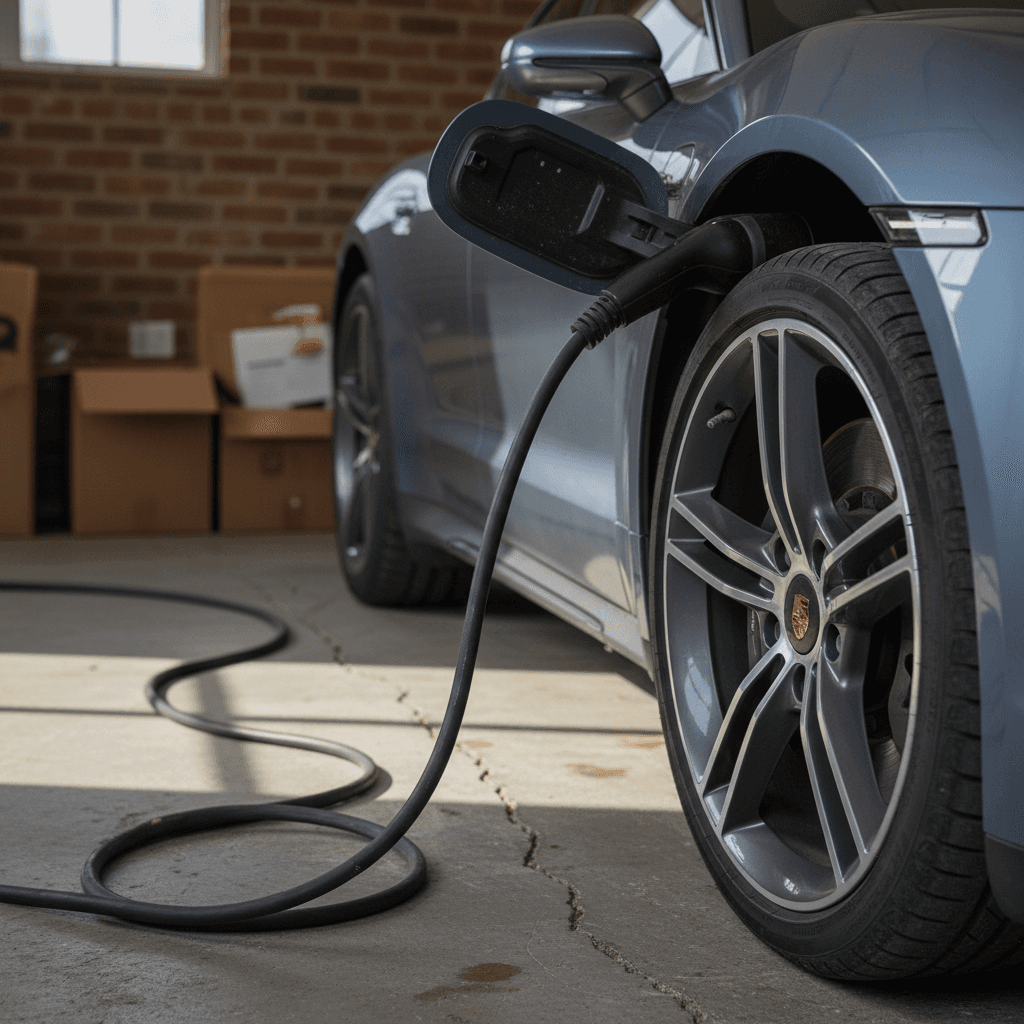
Porsche Taycan (esp. wagons)
Here’s the curveball: the Taycan Cross Turismo and Sport Turismo wagons actually hold value better than most luxury EVs, but sedans have softened nicely, and any Taycan is a sensational drive.
- Excellent performance and handling
- Better long‑term brand cachet than many rivals
- Check: battery and charging history carefully; repairs can be pricey
Tesla Model S and Model X
Once the only game in town for long‑range luxury EVs, older Model S and Model X examples have seen choppy resale values. Some years plunged when Tesla cut new‑car prices; more recently, the end of certain tax credits and product cancellations have pushed some used prices back up.
- Earlier cars feel simpler and lighter than newer ones
- Huge variance: a high‑mileage early S can be a steal, a late Plaid can still be dear
- Check: battery warranty remaining, MCU (screen) history, suspension work
Cadillac Lyriq and emerging players
The Cadillac Lyriq sold strongly by 2024, but luxury EV shoppers still see it as an experiment rather than an icon. That spells opportunity.
- Generous standard equipment and range
- GM dealer network familiarity with EV service is improving
- Check: software updates applied, panel alignment, and charge‑port condition
Where Recharged fits in
Luxury EVs to Approach With Caution
Some luxury EVs aren’t just cheap, they’re cheap for a reason. You don’t have to avoid every one of these models outright, but you should walk in with your eyes wide open and your due diligence dialed up.
Common Red Flags With Steeply Discounted Luxury EVs
1. Ultra‑niche or short‑lived models
If a car was only on sale for a year or two, or the brand loudly pivoted away from EVs, it can mean scarce parts, limited software support, and fewer shops familiar with repairs.
2. Extremely complex tech stacks
Oversized infotainment systems, experimental driver‑assist suites, and exotic suspension systems are impressive, until they’re five years old and out of warranty. Factor potential repair costs into the deal.
3. Weak charging performance
Some first‑wave luxury EVs struggle to maintain fast‑charge speeds or have small battery buffers. That can make long‑distance ownership frustrating, and it may be part of why the previous owner bailed out.
4. Non‑existent resale demand
If listings for a model sit unsold for months even when cheap, that’s telling you something. Your great deal today might be hard to move when you’re ready for your next EV.
5. Sketchy battery history
Fast charging every day, frequent DC fast‑charge sessions at high state of charge, or a lot of hot‑climate use can all accelerate battery wear. You want data, not guesses.
When to just walk away
How to Spot a Genuine Luxury EV Bargain
The goal isn’t simply to find the cheapest EQS, Taycan, or Model S. It’s to find the car that gives you the most comfort, performance, and range for your money without handing you a four‑figure surprise six months later. Here’s how to do that.
Five Filters for Real Luxury EV Deals
Run every tempting listing through this checklist before you fall in love.
1. Battery health data
For any EV, especially luxury models, battery health is the heart of the deal. You want:
- A recent diagnostic or health report
- Clear explanation of test method
- Realistic estimated usable range, not brochure numbers
2. Service & software history
EVs live and die by their software. Ask for:
- Proof of key software updates
- Records of any major component replacements
- Warranty work documentation
3. Remaining factory coverage
Most luxury EVs carry an 8‑year battery and drivetrain warranty. Find out:
- Exact in‑service date
- Mileage and time left on coverage
- Transferability to you as the next owner
4. Real‑world usage pattern
How the car was used matters as much as miles. Look for:
- Highway commuting vs. short‑trip city use
- Home charging vs. constant DC fast charging
- Climate (Phoenix is different from Portland)
5. Transparent pricing vs. market
Big depreciation is normal; an outlier price still deserves scrutiny. Check:
- How it compares to similar VINs nationally
- Whether options and trim justify differences
- Any reconditioning work already done
Bonus: Independent inspection
On a six‑figure car, spending a few hundred dollars for a pre‑purchase inspection from an EV‑literate technician is cheap insurance.
How Recharged simplifies the homework
Financing and Total Cost: Why a 70% Off Luxury EV Can Still Be Expensive
Here’s where the story gets real. A used EQS that’s dropped from $110,000 to $45,000 looks like the deal of the century. But long‑term ownership costs still matter, and they don’t always scale down with the price drop.
Costs that shrink with depreciation
- Sales tax and fees: These are usually tied to purchase price, so you pay far less than the first owner did.
- Insurance (sometimes): On many policies, lower vehicle value can help bring premiums down, though safety tech and repair costs still factor in.
- Financing cost: Borrowing $45,000 instead of $110,000 can mean a much more manageable monthly payment.
Costs that stay stubbornly high
- Specialized repairs: A Taycan’s brake job or air‑suspension issue doesn’t suddenly get cheap because the car is worth less.
- Premium tires and wheels: Big wheels and sticky tires wear faster and cost more to replace.
- Out‑of‑warranty electronics: Complex infotainment and driver‑assist hardware can be four‑figure fixes.
Financing tools can help you stay honest
Example Deals: What Massive Depreciation Looks Like in the Real World
Let’s walk through a few realistic scenarios to show how this plays out. These are illustrations, not offers, but they’re based on the kind of numbers shoppers are seeing in early 2026.
Illustrative Luxury EV Depreciation Scenarios
Approximate examples of how new‑to‑used price drops can translate into real‑world deals.
| Model & Trim (Example) | Original MSRP | Age & Miles | Typical Used Ask | What You’re Getting |
|---|---|---|---|---|
| Mercedes EQS 450+ | $104,000 | 3 yrs / 36k mi | $42,000–$46,000 | Flagship comfort, long‑range highway cruiser, very high initial depreciation already behind you |
| Mercedes EQE 350+ | $75,000 | 2 yrs / 28k mi | $50,000–$55,000 | Mid‑size luxury sedan with current‑ish tech at roughly new‑Camry Hybrid payment levels |
| Porsche Taycan sedan (4S) | $115,000 | 4 yrs / 32k mi | $60,000–$70,000 | True performance EV with strong brand appeal, still pricey to maintain but dramatically cheaper than new |
| Tesla Model S Long Range | $95,000 | 4 yrs / 45k mi | $38,000–$45,000 | Long‑range fastback with vast charging network access; values are volatile but deals exist on the right years |
Always check current listings and a vehicle‑specific report for real pricing and battery data.
Use reports, not vibes
Shopping Strategy: Working With a Used EV Specialist
You don’t need to be an electrical engineer, or a veteran car tester, to safely buy a used luxury EV. But you do need good information and people who live in this world every day. That’s where leaning on a specialist marketplace helps.
How Recharged Makes Luxury EV Depreciation Work for You
Expert‑curated inventory
Recharged focuses on EVs, so the inventory is biased toward models and years that make sense for used buyers, not just whatever happened to come to auction that week.
Recharged Score battery diagnostics
Every vehicle gets an in‑depth battery‑health check with a clear score and explanation, along with estimated real‑world range, not just the window‑sticker number from years ago.
Transparent pricing vs. the market
Recharged compares each car’s ask to fair‑market data, factoring in options, mileage, and condition, so you can see whether that massive depreciation is actually a fair deal.
Financing and trade‑in options
You can line up <strong>EV‑friendly financing</strong>, get an instant offer or consignment option for your current car, and see your full budget picture before you commit.
Nationwide delivery & support
If the right EQS, Taycan, or Lyriq isn’t near you, Recharged can arrange transport and walk you through paperwork digitally, from first click to keys‑in‑hand.
The best luxury‑EV deal isn’t the one with the deepest discount. It’s the one whose future you understand just as clearly as its past.
FAQ: Luxury EVs and Massive Depreciation Deals
Frequently Asked Questions
Bottom Line: When Depreciation Works in Your Favor
Luxury EVs are having their awkward teenage years: incredible on paper, sometimes over‑priced when new, and now trading hands at startling discounts. If you’re willing to buy used, and you insist on real data about battery health, warranty, and total cost, you can let someone else swallow the six‑figure experiment and simply enjoy the car.
Work with specialists, lean on tools like the Recharged Score Report, and don’t be shy about walking away from cars that don’t have the paperwork or diagnostics to back up the price. The right luxury EV depreciation deal isn’t just cheaper; it’s the moment when flagship comfort, quiet, and performance finally line up with what you always thought these cars should cost.