If you’re eyeing a Lucid Air, or already own one, the natural question is: how much does Lucid Air service cost over time? The short answer: routine maintenance is generally cheaper than a comparable gas-powered luxury sedan, but individual Lucid service visits can still sting if you’re not prepared.
What this guide covers
Lucid Air service cost: quick overview
Lucid Air service costs at a glance (typical owner experience)
Lucid doesn’t publish a simple “service menu” with national flat pricing, and costs vary by region and by what your specific car needs. Still, owner invoices and broader EV maintenance data point to routine Lucid Air servicing generally landing in the low hundreds per year, not the four‑figure annual bills you might see on a German V8 or V12.
Plan for outliers
Does the Lucid Air need annual service?
Lucid frames service in terms of time and mileage. The maintenance schedule in Lucid Air’s owner documentation calls for inspections and basic service about every 12 months or 12,000 miles, whichever comes first, with specific items (like cabin filters) on longer intervals.
- Lucid does NOT require the old‑school oil changes, spark plugs, or timing belts you’d see on a gas sedan.
- Most visits center on inspections, software checks/updates, tire care, cabin air filters, wipers, and fluid top‑offs.
- Some Lucid advisors and owners report that if your mileage is low and everything looks healthy, you may be able to safely defer certain early visits, but you should confirm that with Lucid and review your warranty terms.
Think in phases, not fixed yearly bills
Typical Lucid Air service items and prices
Because Lucid doesn’t post national prices, the ranges below draw on owner invoices, generic EV service pricing, and luxury‑brand norms. Your local Service Center could quote slightly higher or lower numbers, but this will get you solid ballpark expectations.
Don’t ignore tire costs
3-year and 5-year Lucid Air maintenance budget
To translate individual service line items into something you can actually budget, it helps to look at a realistic ownership window. Below is a planning framework for a typical U.S. Lucid Air driver putting 10,000–12,000 miles a year on the car, with no major out‑of‑warranty failures.
Sample Lucid Air maintenance budgets
These scenarios assume you’re outside any complimentary service programs but still within major warranty coverage.
First 3 years of ownership
Conservative planning range: $600–$1,200 total
- 2–3 tire rotations and inspections
- 1 cabin filter service
- Wipers/washer fluid and a couple of minor shop visits
If you have very low mileage or DIY some basics, it can be less.
First 5 years of ownership
Planning range: $1,000–$2,000 total (routine only)
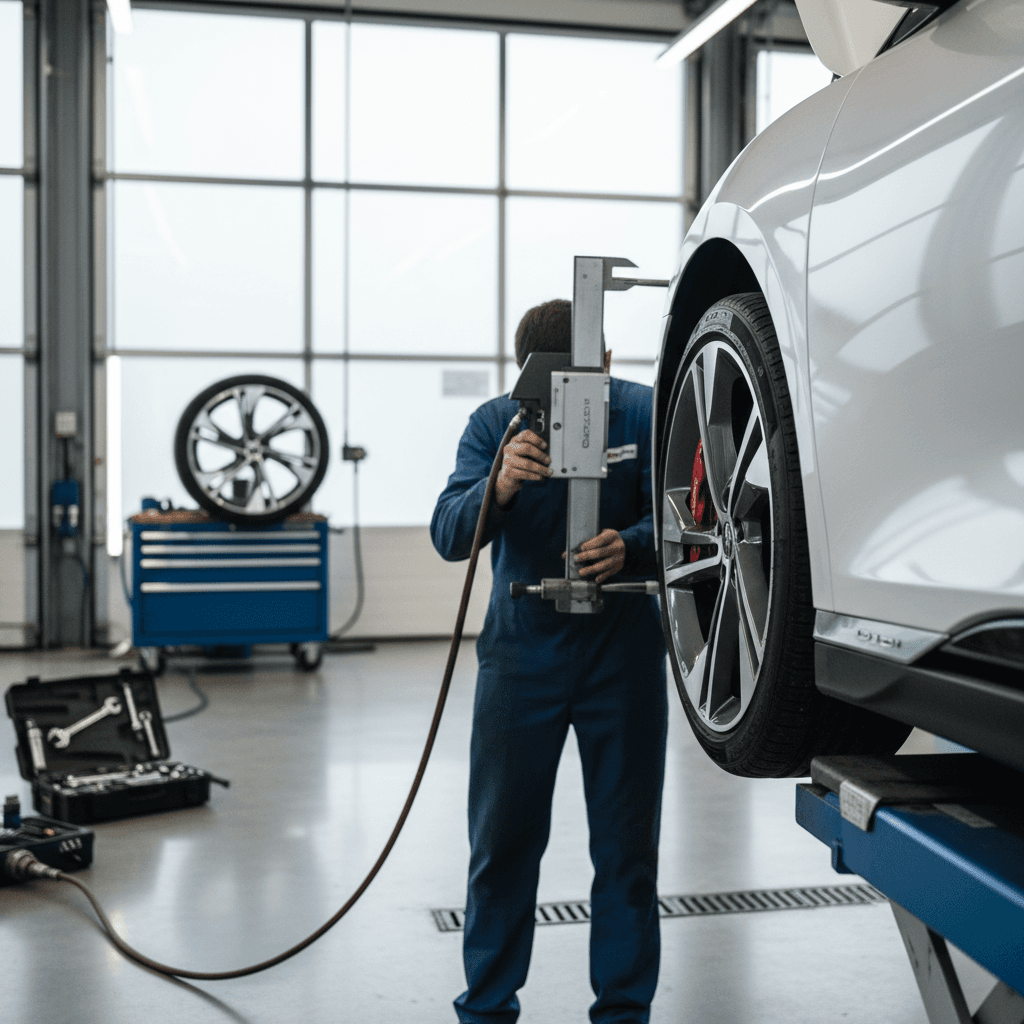
- 4–6 tire rotations, at least one alignment
- 2 cabin filter changes, periodic brake service
- Odds and ends: 12V battery, wipers, diagnosis visits
This excludes collision repairs or rare high‑voltage issues.
Those figures line up with broader EV data showing that battery‑electric vehicles often cut maintenance and repair costs roughly in half versus ICE vehicles over the life of the car. For a six‑figure luxury sedan, that relative savings is meaningful, though it doesn’t make service “cheap,” especially when tires and out‑of‑warranty electronics enter the picture.
Lucid Air vs Tesla vs German luxury maintenance
Tesla Model S / X
- Very little required annual service.
- Most owners spend modest amounts on cabin filters, wipers, 12V batteries, and tires in the first 3–5 years.
- Plenty of third‑party shops now familiar with Tesla hardware.
Lucid Air
- Similar pattern: no oil changes, fewer moving parts than gas rivals.
- Service footprint is still limited; you’ll often work directly with Lucid Service Centers or mobile technicians.
- Individual visits can be pricier than generic EV shops, but frequency is low.
German luxury sedans (E‑Class, 5 Series, A6)
- Oil changes, transmission fluids, complex ICE components.
- Annual maintenance often $800–$1,200+ at dealers.
- More frequent brake and engine‑related repairs as the car ages.
Big picture
Warranty coverage vs. out-of-pocket costs
Lucid’s warranty structure does a lot of heavy lifting in the first years of ownership. While exact terms can vary slightly by model year and market, Lucid Airs sold in the U.S. generally include:
- A limited new‑vehicle warranty (bumper‑to‑bumper) for defects in materials or workmanship for several years or a set mileage cap.
- A separate high‑voltage battery and drive unit warranty, typically around 8 years or 100,000+ miles, against specified defects.
- Corrosion and roadside assistance coverage for defined terms.
Routine maintenance, filters, wipers, tires, alignments, sits firmly on the owner’s side of the ledger. But many big‑ticket systems are protected in the early years, which helps explain why a lot of newer Lucid owners report modest actual out‑of‑pocket service spend so far.
Used buyers: mind the warranty clock
How location and mobile service affect what you pay
Lucid’s service network is still relatively small compared with legacy brands. Where you live shapes not only your convenience, but sometimes the effective cost of maintenance.
Three ways your location changes Lucid Air service costs
Same work, different ownership experience.
Near a Service Center
If you’re within an hour of a Lucid Service Center, you’ll typically:
- Have easier access to appointment slots.
- Pay standard labor and parts rates.
- Lose less time dropping off and picking up the car.
Relying on mobile service
Lucid can dispatch mobile technicians for certain jobs. That can save you a trip, but:
- Not every repair is mobile‑eligible.
- Scheduling can take longer in remote areas.
- In some cases, flat‑rate labor may differ from shop time.
Several hours from support
Being far from a Service Center doesn’t change the invoice line items, but it raises your true cost:
- More time off work or travel days.
- Possible transport fees if the car can’t be driven.
- Fewer third‑party shops willing to touch a Lucid today.
Factor "time cost" into your decision
How buying used can change your Lucid Air service costs
A used Lucid Air can dramatically reduce your upfront price while giving you most of the same driving experience. But the service cost profile changes as the car ages.
New or nearly new Lucid Air
- Most major defects covered by warranty.
- Low expected spending on anything beyond tires and routine checks.
- Software bugs tend to be fixed with over‑the‑air updates.
5–7‑year‑old Lucid Air
- Routine maintenance grows more important as components age.
- Electronics, suspension, and interior hardware may start to need attention.
- Warranty coverage may be partially or entirely expired, depending on mileage and build date.
If you’re buying used, you want as much clarity as possible on battery health, how the car has been driven, and whether any expensive components are already starting to show warning signs.
How Recharged can help
Ready to find your next EV?
Browse VehiclesChecklist: how to keep Lucid Air service costs down
Smart habits to control Lucid Air maintenance spend
Follow, but don’t over‑do, the schedule
Use Lucid’s recommended maintenance intervals as your baseline. If a service advisor suggests extra work, ask whether it’s required now for safety or warranty reasons, or simply a “nice‑to‑have” you can defer.
Prioritize tires and alignments
Rotate tires on schedule and fix any pulling or vibration early. On a heavy, powerful EV, this can easily be the difference between getting 15,000 miles or 30,000+ miles out of a set of expensive tires.
Leverage mobile service when possible
For simple issues, mobile visits can reduce your downtime and travel costs. Confirm in advance which jobs can be done in your driveway or garage and whether any extra fees apply.
Handle small items yourself
Cabin filters, wiper blades, and key‑fob batteries are all good candidates for DIY or local‑shop service if you’re comfortable with basic tasks and don’t mind skipping the dealer markup.
Keep software and recalls up to date
Accept over‑the‑air updates promptly and pay attention to any recall or service campaign notices. These are usually free and can prevent headaches, or more expensive fixes, later.
Document everything for resale
Save invoices, digital records, and any dealer notes. A clean, well‑documented service history can improve your Air’s resale value and make it easier to sell or trade to platforms like Recharged.
FAQ: Lucid Air service costs
Frequently asked questions about Lucid Air service pricing
Bottom line on Lucid Air service costs
When you add it all up, Lucid Air service costs are usually modest compared with what you’d spend maintaining a similarly fast gas luxury sedan. You’re not buying oil changes or transmission flushes; instead, your budget goes toward tires, alignments, filters, and the occasional diagnostic visit.
For most owners, planning on roughly $1,000–$2,000 in routine maintenance over the first 5 years, plus a healthy tire budget, captures what you’re likely to see, assuming no major failures. After that, the usual rules of luxury‑car ownership apply: the older the car gets, the more important it is to know its history, inspect it carefully, and keep some cash in reserve for surprises.
If you’re considering a Lucid Air, especially on the used market, pairing real‑world service expectations with a verified battery‑health report is the best way to avoid unpleasant surprises. That’s exactly the gap Recharged aims to close with its Recharged Score and EV‑specialist support, so you can focus less on guesswork and more on enjoying one of the most advanced electric sedans on the road.