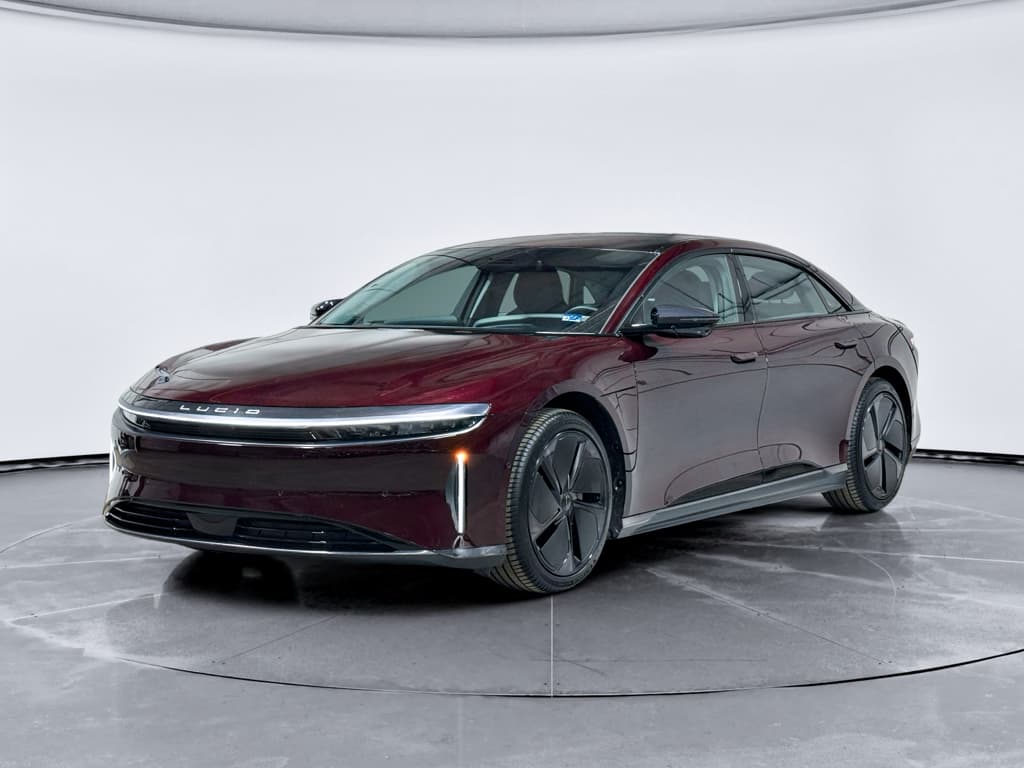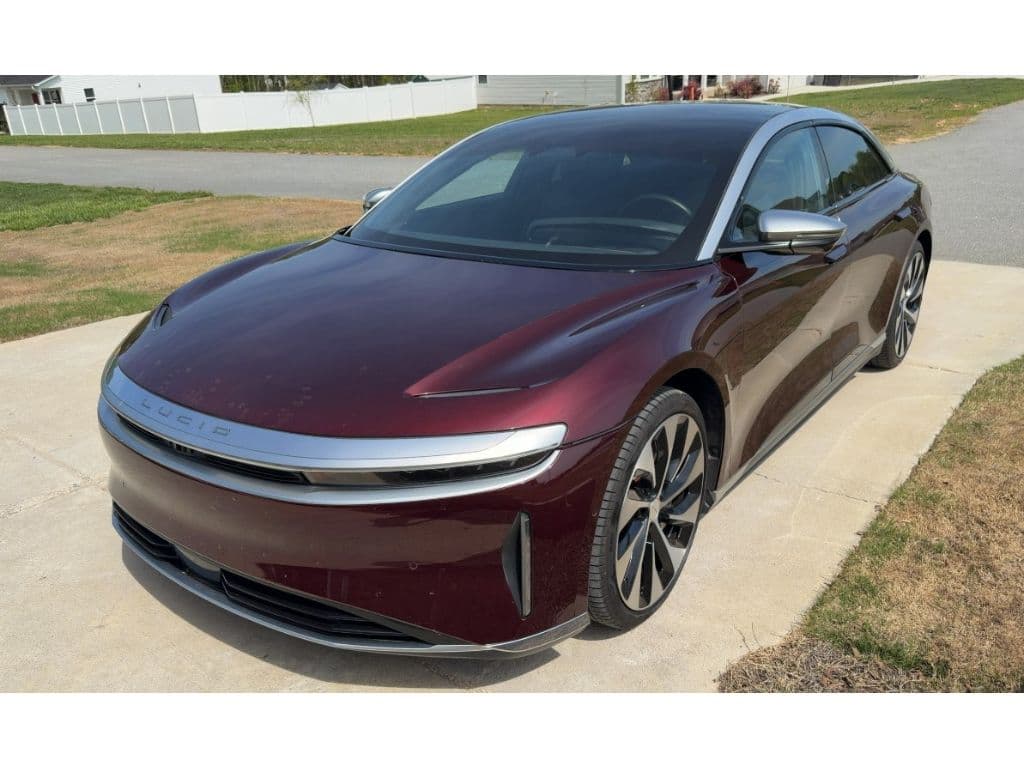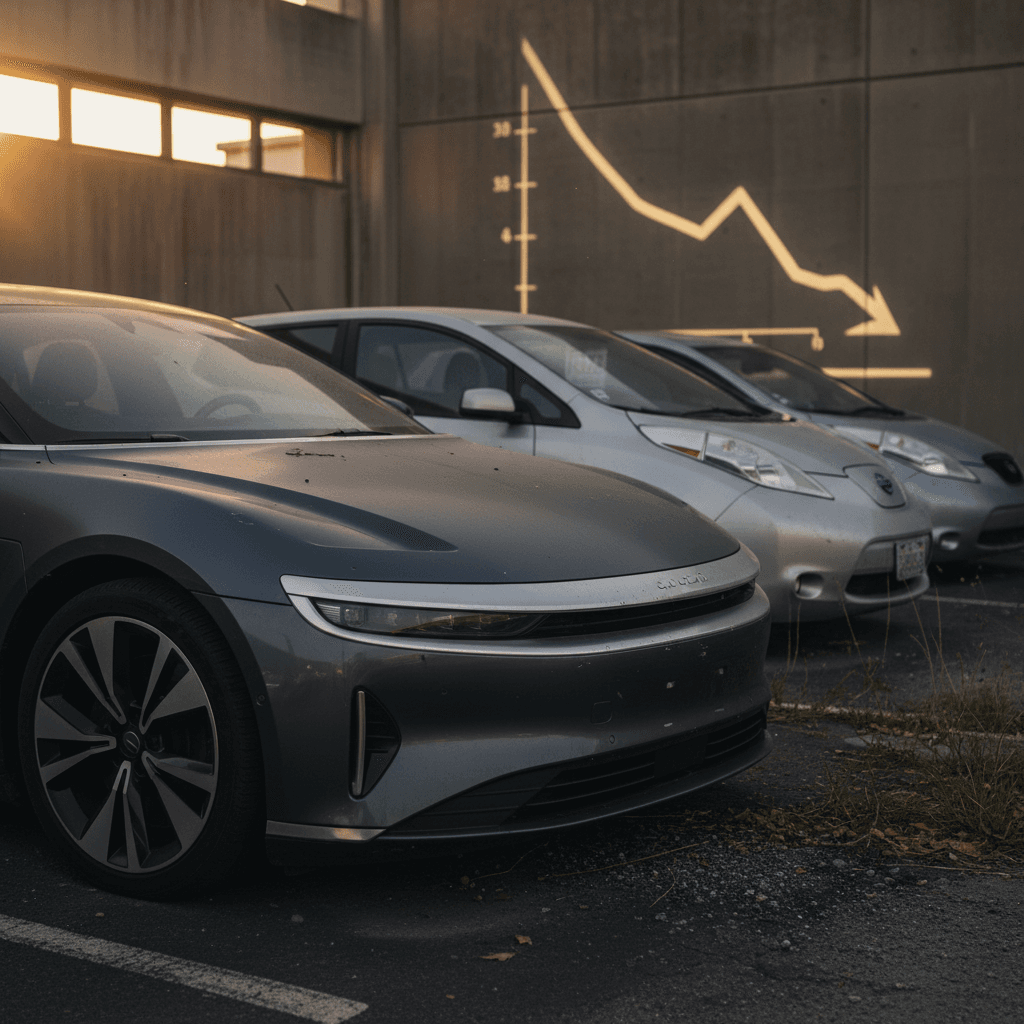
If you’ve watched Lucid Air depreciation over the past few years, you know it’s been brutal. By 2026, early cars that stickered deep into six‑figure territory are trading around well‑optioned midsize crossovers. That’s painful if you bought new, but it’s a huge opportunity if you’re shopping for a used luxury EV with world‑class range and performance.
Key takeaway for 2026
Lucid Air depreciation in 2026: the big picture
Lucid began delivering the Air in late 2021 as a halo luxury sedan to take on the Tesla Model S and top‑shelf German flagships. Initial prices for Dream Edition and Grand Touring trims stretched from the mid‑$150,000s to well over $170,000 with options. As of 2026, lightly used Lucid Air Pure and Touring models from 2023–2024 are commonly listed in the high‑$30,000s to high‑$40,000s, with Grand Touring examples often in the $50,000s depending on mileage and configuration.
Lucid Air value snapshot for 2026
Viewed against the broader EV market, the Lucid Air depreciates faster than value leaders like Tesla Model 3/Y, but in line with or slightly worse than large luxury EV sedans and some premium German competitors. For shoppers in 2026, that means you can often pick up a two‑ or three‑year‑old Air at a steep discount while still enjoying massive range, rapid DC fast‑charging, and plenty of factory warranty coverage.
Depreciation data isn’t perfectly clean
How fast is the Lucid Air depreciating?
No two cars depreciate at exactly the same rate, but by 2026 we have enough data from auction lanes, trade‑in offers, and retail listings to sketch a realistic curve for the Lucid Air. Here’s a practical view of what many owners have experienced so far, assuming typical mileage and average condition:
Indicative Lucid Air depreciation curve (2026 snapshot)
Approximate market behavior for mainstream trims (Pure/Touring/Grand Touring) based on 2022–2024 model‑year vehicles in the U.S. with average mileage.
| Ownership age | Typical value vs. original MSRP | What this looks like in the real world |
|---|---|---|
| Year 1 | ≈75–80% of MSRP | A $110,000 Touring might retail around $82,000–$88,000 depending on incentives and equipment. |
| Year 2 | ≈60–65% of MSRP | Same car could retail in the mid‑$60,000s, especially if newer trims or price cuts arrived. |
| Year 3 | ≈45–50% of MSRP | Real‑world trades and auctions often show cars around half of their original MSRP after ~36 months. |
| Years 4–5 | ≈35–45% of MSRP | Values usually settle; condition, mileage, and battery health drive more of the spread than age alone. |
These are directional estimates for educational purposes, not guaranteed resale values.
Third‑party resale models peg Lucid Air three‑year depreciation around the low‑50% range, similar to some high‑end luxury sedans, but much steeper than mainstream EVs. That’s consistent with what we see in the used market, where range‑topping early builds can sell for nearly half of their original sticker only a few years later.
Good news for used shoppers
Five reasons Lucid Air values fell so quickly
What’s behind Lucid’s steep depreciation?
These market forces hit the Lucid Air especially hard between 2022 and 2025.
1. High MSRPs and rapid price cuts
The earliest Lucid Air Dream Edition and Grand Touring cars launched at very high MSRPs, often north of $150,000 with options. As demand cooled and competition intensified, Lucid rolled out significant factory incentives and price reductions on new inventory. That instantly undercut the resale value of nearly new cars and dragged used prices down across the board.
2. Young brand with limited track record
Unlike Mercedes or Porsche, Lucid is a young automaker with a short resale history and ongoing questions about long‑term scale. Buyers and lenders demand a discount for that uncertainty, which shows up as weaker residual values and softer auction bids on used Airs.
3. Fast‑moving EV tech
The Air launched with outstanding range and efficiency, but the broader EV market didn’t stand still. As newer Lucid trims and rival models added updated hardware, software, and charging improvements, early cars started to feel older sooner, even if they still drove beautifully.
4. Charging standard and infrastructure anxiety
Lucid adopted CCS just as North America began migrating toward Tesla’s NACS connector. While adapters help, some shoppers worry a CCS‑only car will be less convenient down the road. That perception, fair or not, pressures resale values today.
5. Luxury sedan headwinds
Luxury sedans in general depreciate faster than popular SUVs and crossovers. The Lucid Air faces the same structural challenge: narrower demand than a three‑row SUV, plus higher repair and insurance costs, all of which show up in resale data.
How to use this to your advantage
Trim‑by‑trim Lucid Air depreciation in 2026
Not every Lucid Air trim has depreciated at the same pace. Rarity, original pricing, and equipment all play a role. Here’s how the major trims generally look in the 2026 used market.
Lucid Air trim behavior in the 2026 used market
High‑level view of how different Lucid Air trims tend to perform on resale by 2026, relative to their original price positioning.
| Trim | Original positioning | Depreciation pattern by 2026 | Who it suits best used |
|---|---|---|---|
| Pure | Entry Lucid Air, still pricey vs mainstream EVs | Large dollar drop but reasonable percentage; many 2023–24 Pure cars sit in the high‑$30k to low‑$40k range when well equipped. | Buyers seeking maximum value per dollar and willing to skip some luxury extras. |
| Touring | Volume luxury sweet spot | Biggest spread. Some Touring cars were packed with options and saw heavy percentage drops; others with modest options offer excellent value. | Shoppers who want strong performance and luxury appointments without Dream Edition overkill. |
| Grand Touring | High‑end long‑range flagship | Very expensive new, so even a 50% drop still leaves prices in the $50k–$70k band for nice examples. Rare specs can hold slightly stronger. | Long‑range road‑trippers and enthusiasts who care about performance and range more than monthly payment. |
| Dream Edition | Low‑volume launch halo | Very high initial MSRPs but limited supply. Market is thin: some cars have fallen hard, others are held by collectors. | Niche buyers who specifically want early halo cars and understand the risks. |
Individual cars can be outliers; always look at specific VIN‑level history and condition.
Why options matter more than you think
Lucid Air vs. Tesla Model S and other luxury EVs
Lucid Air vs. Tesla Model S
- Depreciation rate: Both cars have seen heavy early‑year drops, but Tesla’s deeper used‑market and stronger brand recognition generally support slightly better resale.
- Buyer confidence: Tesla’s charging network and longer track record keep demand steadier, especially in regions where CCS coverage is thin.
- Opportunity: That softer demand means a Lucid Air with similar performance and often better range can undercut a comparable Model S used.
Lucid Air vs. German luxury EV sedans
- Resale reality: Many German EVs, like AMG‑tuned models or niche long‑wheelbase sedans, also depreciate quickly. The Lucid Air fits right into that pattern.
- Total cost picture: Where Lucid can shine is running cost. Even at similar resale values, efficiency and lower fueling costs can make an Air cheaper to own than a gas V8 or plug‑in hybrid flagship.
- Shopping tip: If you’re cross‑shopping a used Lucid Air with an S‑Class, 7 Series, or Taycan, compare not just price, but warranty coverage and battery health.
Compare apples to apples
Lease residuals and incentives: how they distort the picture
Lucid has leaned heavily on factory incentives, special financing, and lease subvention to move inventory. That complicates any simple depreciation chart, because many 2023–2025 buyers didn’t pay full sticker. Some lessees also have residual values that no longer match real‑world market prices, which can swing your decision to buy out or walk away.
How incentives and leases affect perceived depreciation
Understanding the math helps you make smarter 2026 decisions.
Factory incentives
Large upfront discounts and “Air Credits” effectively lowered many buyers’ true purchase prices by tens of thousands of dollars. On paper, MSRP‑to‑resale looks catastrophic; in reality, depreciation from the actual transaction price is somewhat less extreme.
Optimistic residuals
Some Lucid leases were written with relatively optimistic residual values. In 2026, that can mean your buyout price is higher than market value, a signal to turn the car in and shop the open market instead.
Loyalty and trade‑in offers
Lucid has periodically offered generous trade‑in numbers to keep owners in the brand or move them into new models. Those loyalty plays can blunt the sting of depreciation for sellers, but they don’t necessarily change the underlying market curve.
Don’t assume buying your lease is a deal
Battery health vs. depreciation: what really matters
Pure depreciation charts can make the Lucid Air look scary, but long‑term ownership comes down to more than a percentage on a spreadsheet. Battery health, charging behavior, and software support all play big roles in how livable, and valuable, an older EV feels in daily use.
- So far, there’s no widespread evidence of catastrophic Lucid Air battery failures; most owners report modest, expected range loss over the first several years.
- The Air’s large battery packs mean that even with moderate degradation, real‑world range often remains competitive with newer rivals.
- Software updates can improve charging curves, efficiency, and features over time, indirectly supporting resale values when executed well.
How Recharged looks at battery health
2026 buying strategies for used Lucid Air shoppers
If you’re shopping for a Lucid Air in 2026, depreciation is working in your favor, as long as you choose carefully. Here’s how to use the market to your advantage.
Smart 2026 playbook for used Lucid Air buyers
1. Target 1–3‑year‑old cars
This is the sweet spot where someone else has already absorbed the brutal first‑owner drop, but you still get modern hardware, fresh interiors, and plenty of remaining warranty coverage.
2. Prioritize Pure and Touring with good options
These trims typically offer the best combination of price, performance, and equipment. Look for desirable features, driver‑assist packages, upgraded audio, without insisting on every single option.
3. Make battery health non‑negotiable
Ask for a <strong>formal battery health report</strong>. With Recharged, that’s built into the Recharged Score. Avoid cars with signs of abuse, heavy DC fast‑charging, or unexplained range loss.
4. Cross‑shop real payments, not just prices
Compare total cost of ownership: purchase price, expected depreciation from here, insurance, and charging costs. A Lucid Air with steeper early‑life depreciation can still be a smarter buy than a gas luxury sedan with higher fuel and maintenance bills.
5. Verify charging and software status
Confirm that all relevant software updates are installed, that the car charges properly on your local networks, and that any recalls or service campaigns have been completed.
6. Consider nationwide inventory
Because the Lucid Air is a niche car, your local options may be thin. Recharged offers <strong>nationwide delivery</strong> and expert EV guidance so you can focus on finding the right car, not just the closest one.
Where Recharged fits in
Ready to find your next EV?
Browse VehiclesSelling or trading your Lucid Air in 2026
If you’re on the other side of the table, considering selling or trading your Lucid Air in 2026, you already know the headlines about depreciation. Your goal now is to beat the averages by presenting a car the market really wants and choosing the right selling channel.
Steps to protect your sale price
- Gather documentation: Service records, recall paperwork, and charging history all build confidence for buyers and appraisers.
- Take care of minor reconditioning: Fix small curb rash, deep interior cleaning, and fresh tires if needed. On a car this expensive, little flaws swing big dollars.
- Highlight software status: Mention completed updates, activated driver‑assist features, and any subscription services that may transfer.
Choosing how to sell
- Trade‑in or instant offer: Fast and low‑stress, ideal if you value time and simplicity over eking out every last dollar. Recharged can provide an instant offer or consignment option for your Lucid Air.
- Consignment / marketplace: Often yields a higher net if you’re patient. Recharged’s consignment program pairs your car with EV‑focused marketing and buyers.
- Private party: Maximum effort, potentially highest price, but you handle all calls, test drives, and paperwork.
Aim for condition outliers
FAQ: Lucid Air depreciation and resale value
Common questions about Lucid Air depreciation in 2026
Depreciation has been unkind to the Lucid Air, especially for early adopters who paid top‑of‑market prices. But markets evolve, and by 2026 the picture is more nuanced. For buyers, the Air’s rapid value drop has turned it into one of the best performance‑per‑dollar plays in the luxury EV world, provided you buy smart, verify battery health, and understand the total cost of ownership. For sellers, careful preparation and the right sales channel can still unlock strong money for clean, well‑equipped cars. Either way, going in with clear eyes about resale value, and using tools like Recharged’s battery diagnostics and pricing guidance, will help you make a Lucid Air work for your budget instead of against it.