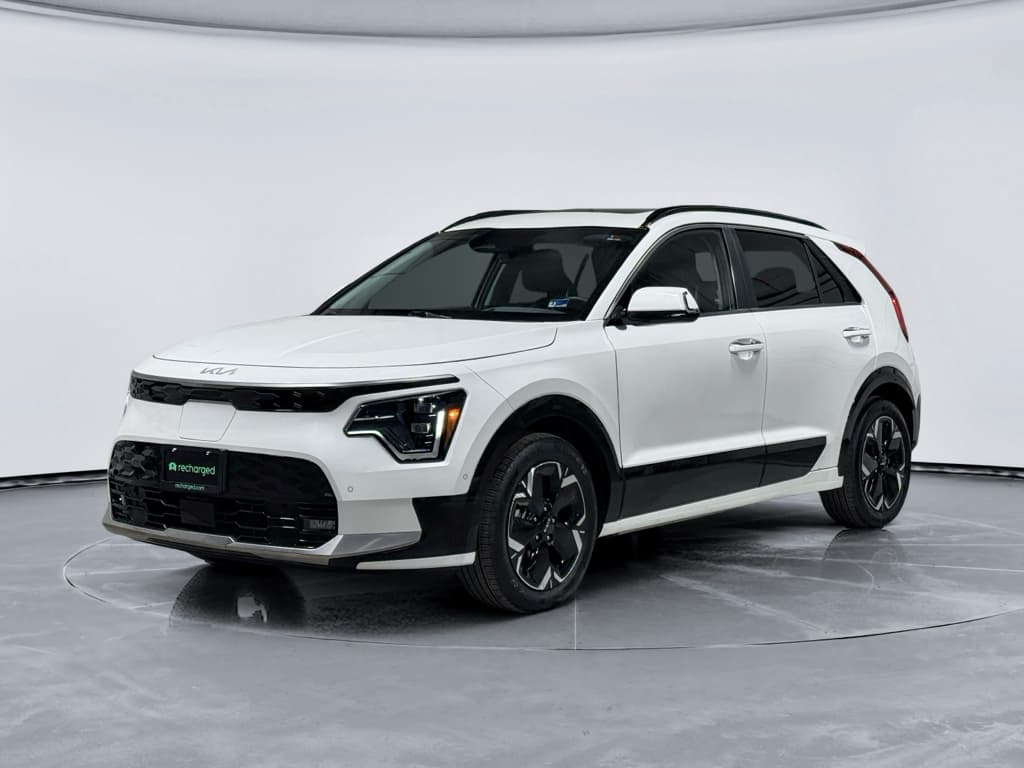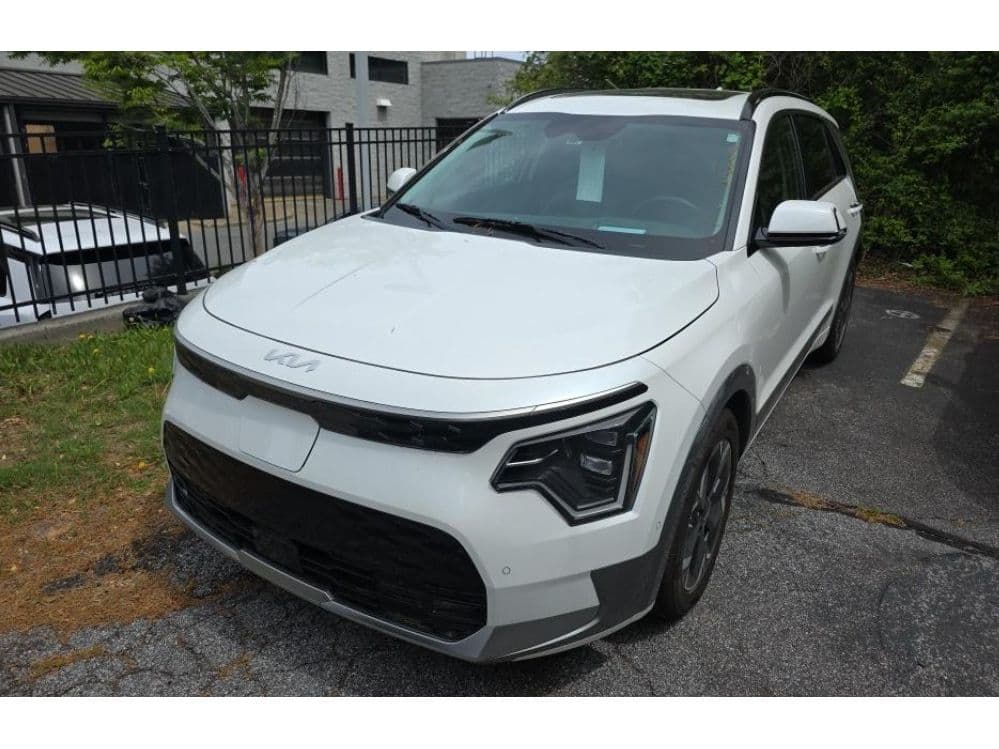
If you’re considering a Kia Niro EV, you’re probably wondering less about 0–60 times and more about **long‑term reliability**: Will the battery last? Are there expensive surprise failures at 80,000 miles? And is a used Niro EV a smart buy compared with a Leaf, Bolt, or Tesla? This guide walks through what we know so far about Kia Niro EV long‑term reliability, from early 2019 cars up through the latest models.
Big Picture
Overview: How Reliable is the Kia Niro EV Long Term?
In broad strokes, the Kia Niro EV is **more reliable than many early EVs**, with fewer catastrophic battery failures than some rivals and solid survey scores from sources like Consumer Reports for recent years. At the same time, it’s not trouble‑free. First‑generation 2019–2022 cars in particular have well‑documented issues with front reduction‑gear noise, occasional charging faults, and pesky 12‑volt battery problems. Second‑generation 2023+ models look better so far but bring their own early‑production quirks.
Kia Niro EV Reliability Snapshot
Used‑Buyer Tip
Niro EV Generations & Model Years: Why It Matters for Reliability
Before you judge reliability, you need to know **which Niro EV you’re looking at**. Kia has sold two distinct generations of the electric Niro in the U.S., and their patterns of long‑term issues are different.
Kia Niro EV Generations at a Glance
How reliability patterns break down by model year.
| Model Years (U.S.) | Nickname | Key Traits | Reliability Notes |
|---|---|---|---|
| 2019–2020 | 1st‑gen launch | 64 kWh pack, simpler tech, early software | More reports of front reduction‑gear noise and 12V failures. |
| 2021–2022 | 1st‑gen refresh | Minor updates, similar hardware | Drivetrain noise still possible but appears somewhat reduced vs 2019. |
| 2023–2024+ | 2nd‑gen (“SG2”) | Fully redesigned body and interior | Fewer long‑term data points; some early coolant/12V quirks, but fewer drivetrain complaints so far. |
| 2026+ | Ongoing | Incremental updates | Benefit from updated software and manufacturing runs; warranty coverage remains a key strength. |
Model‑year matters: earlier cars have more drivetrain/12V issues; later cars add tech but are still maturing.
If you’re cross‑shopping used, a **low‑mileage 2021–2022** can be a sweet spot: many of the earliest bugs are ironed out, and you still get years left on Kia’s EV warranty. The 2019–2020 cars can be excellent values, but you’ll want to pay close attention to drivetrain noise and charging behavior. The 2023+ redesign is promising but doesn’t yet have the same high‑mileage track record.
Battery Life & Degradation: How the Niro EV Pack Holds Up
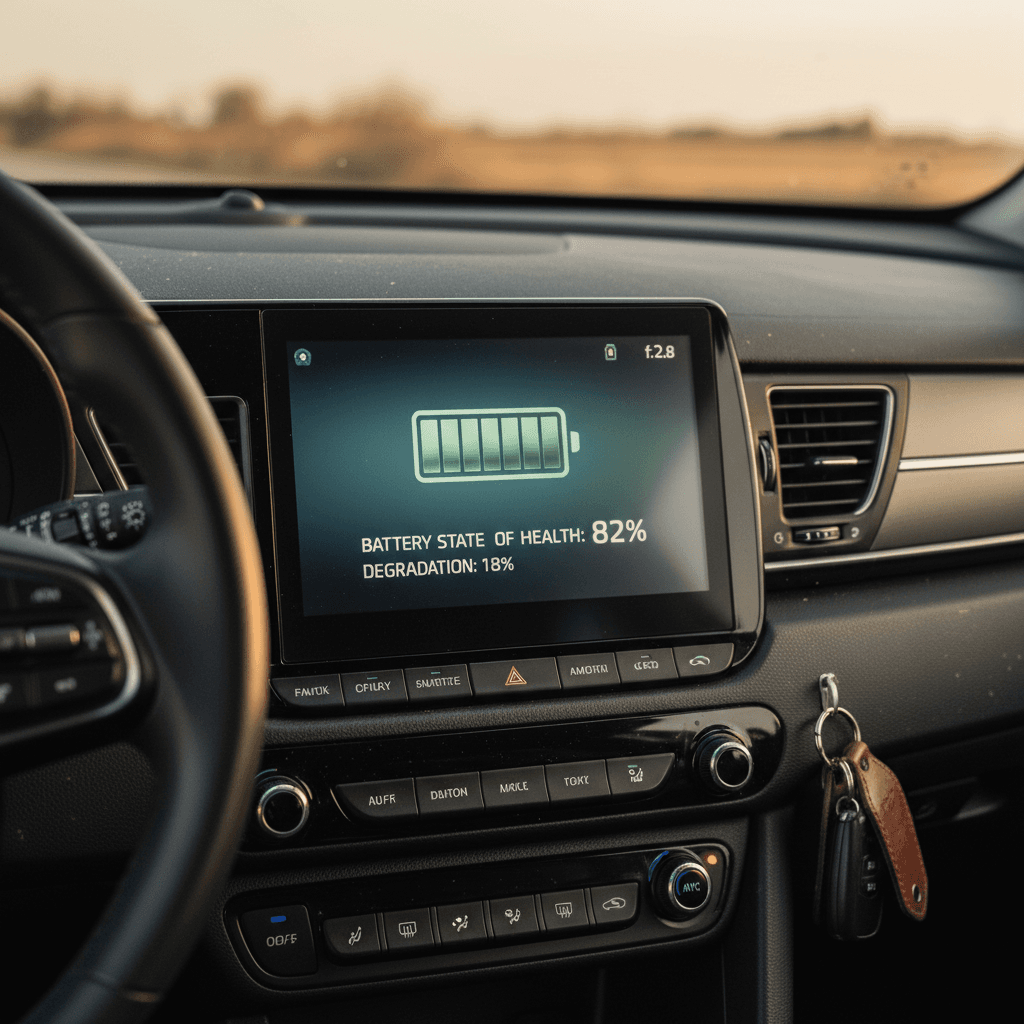
For most shoppers, **battery life is the number‑one long‑term concern**. The good news: compared with some early EVs, the Niro EV’s 64 kWh pack has been aging gracefully. Independent tests and owner data on 2019–2021 cars driven 80,000–100,000 miles often show **less than 10% capacity loss**, which is excellent by current EV standards. Many owners report barely noticeable range loss in the first 3–4 years.
- Kia’s high‑voltage battery warranty on U.S. Niro EVs is typically 10 years or 100,000 miles from the original in‑service date, covering defects in materials and workmanship.
- Most modern Kia EVs, including the Niro EV, also include a **capacity warranty**, if the pack drops below roughly 70% of original capacity within that period, Kia may repair or replace it.
- Real‑world owners who routinely DC fast‑charge but avoid leaving the car at 100% or 0% for days at a time report **very gradual degradation** so far.
DC Fast Charging & Longevity
Battery Habits That Help Longevity
- Routinely charging to 70–85% for daily use instead of 100%.
- Parking in the shade or a garage in very hot climates.
- Using Level 2 charging for most top‑offs and saving DC fast charging for trips.
- Letting the car’s thermal management do its job, don’t defeat it to save a tiny bit of energy.
Habits That Can Hurt Longevity
- Frequently charging to 100% and letting the car sit for days.
- Living on DC fast chargers for everyday charging when you have other options.
- Repeatedly running the pack to 0% (or very close) before charging.
- Ignoring software and BMS updates from Kia service.
Battery Health Checks
Common Long-Term Issues on the Kia Niro EV
Every EV has its weak spots. For the Niro EV, **battery failures are rare**, but several other subsystems have cropped up often enough to be worth watching, especially as these cars roll past 60,000–100,000 miles and some factory coverage expires.
Most Common Niro EV Long-Term Problem Areas
Patterns differ slightly between first‑ and second‑generation cars, but these issues show up most often in owner reports and service data.
1. Front Drivetrain Noise & Reduction Gear Wear
On many 2019–2022 Niro EVs, owners report a “wheel‑of‑fortune” whine, rumble, or humming from the front end around 40–60 mph. In some cases it’s just annoying; in others it leads to replacement of the reduction gear assembly or even the drive motor.
The upside: many of these repairs have been handled under Kia’s powertrain or EV component warranty for first owners. The downside: out of warranty, this is a four‑figure repair.
2. 12‑Volt Battery Failures & Electrical Quirks
The Niro EV’s humble 12‑volt battery is a repeat offender. Owners of both generations report early 12V failures, sometimes as soon as 3–4 years in, leading to no‑start conditions, warning lights, and charging interruptions.
The car’s parasitic loads and small OEM battery don’t leave much margin if the car sits or accessories run while it’s “off.” Replacing the 12V with a higher‑quality unit and keeping software up to date can help.
3. Charging Faults (AC & DC)
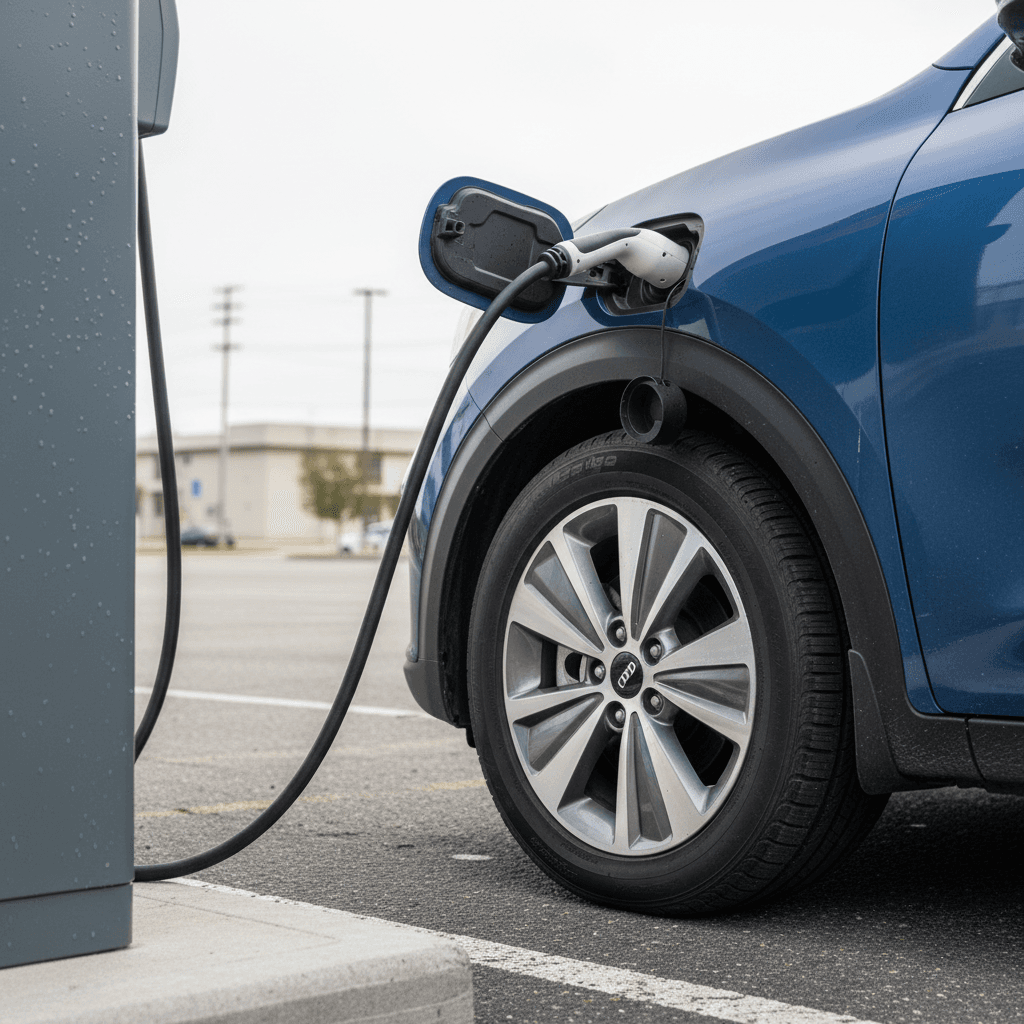
Some first‑gen cars see intermittent Level 2 or DC fast‑charging dropouts. Sometimes it’s the public charger; other times the issue traces to the onboard charger module, DC/DC converter, or charge‑port components.
Diagnosis requires a dealer with EV training. Under warranty these can be no‑cost repairs; out of warranty, onboard‑charger work can cost in the low thousands.
4. HVAC & Heat Pump Issues
Owners of various years, particularly in colder climates, report A/C loss after fast charging or quirky heat‑pump behavior. Failures are usually tied to compressors, condensers, or coolant‑valve issues.
Most of these show up early in the vehicle’s life, but you’ll want to thoroughly test the climate system on any used example, especially a 2019–2020 or early‑build 2023.
Don’t Ignore Front-End Noise
- Minor hardware complaints, folding mirrors, door‑handle sensors, and trim rattles, are not uncommon but rarely deal‑breakers.
- Some 2023+ owners have reported coolant‑system warnings and early recalls; make sure any recall work has been completed.
- Like many EVs, tire wear can be faster than on a comparable gas crossover thanks to instant torque and curb weight.
Warranty Coverage, Recalls & What They Actually Protect
One big reason the Niro EV makes sense as a long‑term play is **Kia’s aggressive warranty package**. But you’ll want to know what is, and isn’t, covered as these cars age and change hands.
Typical U.S. Kia Niro EV Warranty Coverage
Always verify exact coverage by VIN and in‑service date, but these are the broad outlines for most Niro EVs sold in the U.S.
| Component | Typical Term | What It Covers | What It Doesn’t |
|---|---|---|---|
| High‑Voltage Battery | 10 yrs / 100k mi | Defects in materials/workmanship; capacity roughly below 70% in that window. | Damage from abuse, accidents, or non‑approved modifications. |
| Electric Motor & Reduction Gear (Powertrain) | 10 yrs / 100k mi | Drive motor, reduction gear, and related EV drivetrain components. | Wear after the warranty window; damage from low fluids or lack of required service. |
| Basic Bumper‑to‑Bumper | 5 yrs / 60k mi | Most non‑wear components: infotainment, interior electronics, many hardware items. | Normal wear (brakes, tires), cosmetic issues, and some trim noises. |
| 12‑Volt Battery | Varies (often 3 yrs) | Early manufacturing defects. | Gradual loss of capacity, deep discharges from leaving accessories on. |
You’re not just buying a used EV, you’re buying whatever remains of its warranty clock.
Check Recalls & Service History
Real-World Owner Experiences: What High-Mileage Niro EVs Show
Long‑term reliability doesn’t live on a spec sheet; it lives in how cars behave at 60,000, 100,000, and 150,000 miles. Early high‑mileage stories for the Niro EV are encouraging. Owners of 2019–2021 cars with **80,000–120,000 miles** commonly report original traction batteries with usable range very close to new and drivetrains that feel tight, assuming they avoided or addressed the front‑end noise issue.
“I’ve seen tests on a 2021 Niro EV at around 100,000 miles that showed less than 10% battery degradation. My own car’s report at 15,000 miles came back with almost zero loss.”
At the other end of the spectrum, there are cases of early 2019–2020 cars needing reduction‑gear or motor replacement around 40,000–60,000 miles, and scattered reports of repeat 12‑volt battery drains on both generations. These issues don’t appear to affect the majority of cars, but they’re common enough that you want to screen for them rather than simply assume “all EVs are maintenance‑free.”
How to Read Mixed Owner Reviews
Used Kia Niro EV Reliability Checklist
If you’re shopping used, you want the upside of the Niro EV, strong battery life, efficient packaging, without inheriting someone else’s four‑figure repair. Use this **reliability‑focused checklist** as you shop.
Pre‑Purchase Reliability Checklist for a Used Niro EV
1. Confirm in‑service date and remaining warranty
Ask for the original sales paperwork or have a dealer run the VIN to find the first in‑service date. Note remaining time on the <strong>10‑year/100,000‑mile battery and powertrain warranties</strong> and the 5‑year/60,000‑mile basic warranty if it’s a newer car.
2. Listen for front‑end noise at highway speeds
On a long test drive, cruise at 40–70 mph on smooth pavement. Turn off the radio and listen for a repeating whine, rumble, or grinding from the front that changes with speed. Any “wheel‑of‑fortune” sound deserves a professional opinion.
3. Test both Level 2 and DC fast charging if possible
Plug into a trusted Level 2 station and, if you can, a known‑good DC fast charger. Watch for charge sessions that start then abruptly stop, repeated error messages, or rapid overheating of the charge port fan. A one‑off glitch may be the charger; patterns point to the car.
4. Check the 12‑volt battery history
Ask when the 12V battery was last replaced and whether the owner has had repeated dead‑battery issues. A recent, high‑quality replacement is a plus. On older cars, budget proactively for a new 12V if it’s still original.
5. Cycle the HVAC system thoroughly
With the car in “Ready,” test full‑cold A/C and full‑hot heat, ideally after a short drive and again after a DC fast‑charge if you can. Listen for compressor noise, verify strong airflow, and make sure no warning lights pop during operation.
6. Scan for warning lights and stored codes
Even if the dash is clear, ask for a diagnostic scan or bring an EV‑savvy inspector. Occasional historical codes can be normal; recurring codes for the onboard charger, DC/DC converter, or coolant system deserve more digging.
7. Inspect tires and suspension wear
Uneven tire wear (especially on inner edges) can hint at alignment or suspension issues, and it tells you how gently, or not, the car’s been driven. A fresh set of quality tires is a meaningful value add on a used Niro EV.
Long-Term Costs: Repairs, Maintenance & Depreciation
EVs like the Niro EV generally save you money on fluid changes, brake jobs, and tune‑ups, but **long‑term costs shift into fewer but bigger‑ticket items**. With this Kia, budgeting smartly is more about planning for the small set of expensive failures that can crop up than about constant little repairs.
Typical Long-Term Expenses
- 12‑volt battery replacement: Often every 3–5 years, especially on early cars. Budget a few hundred dollars if you upgrade to a better unit.
- Tires: Expect anywhere from 25,000–40,000 miles a set depending on driving style. Quality tires for an EV‑rated crossover aren’t cheap, but they’re predictable.
- Brake service: Thanks to regen, pads can last a long time, but plan on periodic inspections and fluid changes per the maintenance schedule.
Less Common but Bigger Repairs
- Reduction gear or motor replacement: Typically covered under powertrain warranty if it fails early; out of warranty, it’s a major repair.
- Onboard charger/DC/DC converter work: Can run into the low thousands at dealer rates if not covered.
- HVAC system repairs: Heat pumps and A/C components are more complex than in basic gas cars, but most issues surface while still under coverage.
Depreciation & Value
How Recharged Reduces Risk When You Buy a Niro EV Used
With EVs, you’re not just buying a body style and color, you’re buying **software history, charging habits, and battery health** you can’t see on a test drive. That’s exactly where Recharged comes in if you’re considering a used Kia Niro EV.
Why Shop a Used Niro EV Through Recharged
We’re built around answering the long‑term reliability questions most private sellers can’t.
Verified Battery Health
Every Recharged vehicle comes with a Recharged Score Report that includes battery‑health diagnostics, charging behavior analysis, and range expectations. You’re not guessing about whether a prior owner abused DC fast charging.
Transparency on Common Issues
Our EV‑specialist team screens Niro EVs for known problem areas: front‑end drivetrain noise, 12‑volt battery condition, HVAC performance, and charging quirks. If something doesn’t meet our standards, it doesn’t make the cut.
Simplified, Nationwide Buying
Recharged offers financing, trade‑in options, and nationwide delivery, plus an in‑person Experience Center in Richmond, VA. You can shop and close the deal fully online, with expert guidance at every step.
Ready to find your next EV?
Browse VehiclesFinancing & Trade‑Ins
Kia Niro EV Reliability FAQ
Common Questions About Kia Niro EV Long-Term Reliability
Bottom Line: Is the Kia Niro EV a Good Long-Term Bet?
Viewed through a long‑term lens, the Kia Niro EV is **one of the more reassuring mainstream EVs you can buy used today**. Its high‑voltage battery has aged better than many skeptics expected, the 10‑year/100,000‑mile warranty takes a lot of drama out of ownership, and most of its recurring problems are well‑understood and fixable. That doesn’t mean it’s flawless, front‑end drivetrain noise and 12‑volt gremlins in particular deserve your attention, but it does mean you’re not rolling the dice blindly.
If you do your homework on model year, insist on strong service records, and thoroughly test‑drive for the known weak spots, a Niro EV can deliver years of quiet, low‑maintenance driving. And if you’d rather have experts do that homework for you, shopping a Niro EV through Recharged adds verified battery health, EV‑specialist inspections, and a transparent, digital‑first buying experience on top, so your long‑term reliability story starts on the right foot.