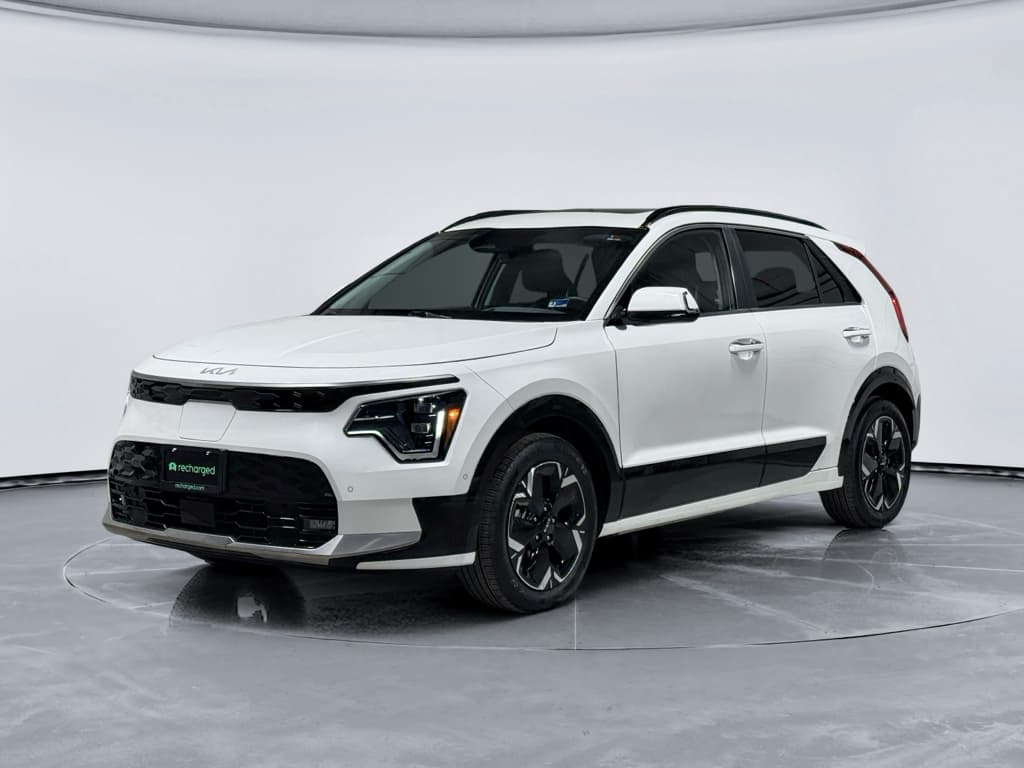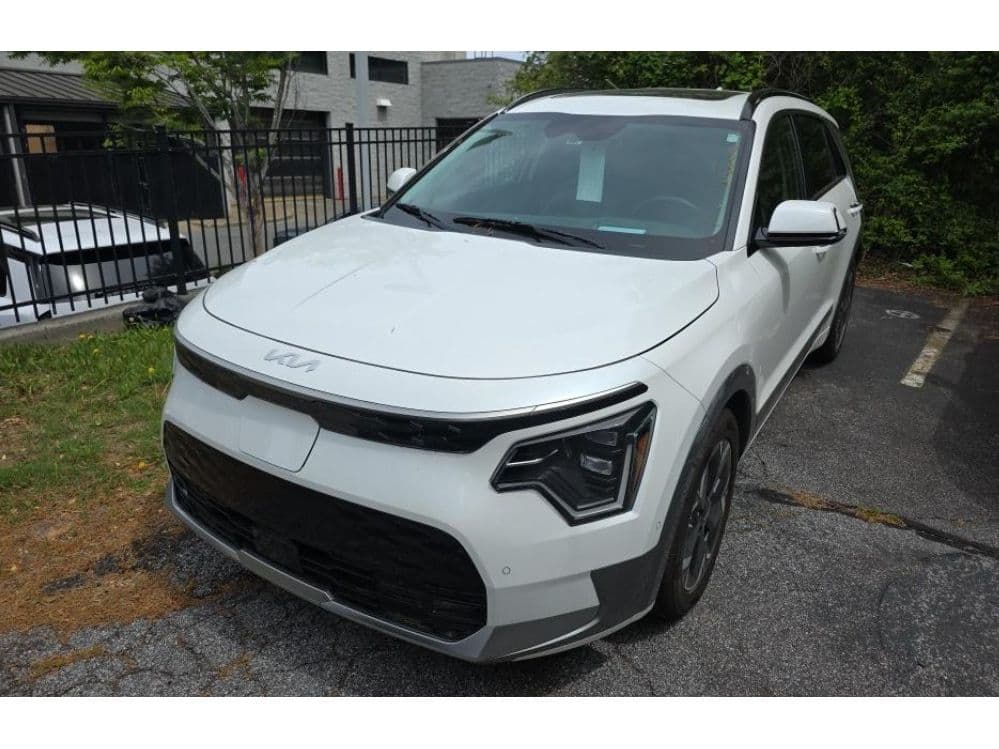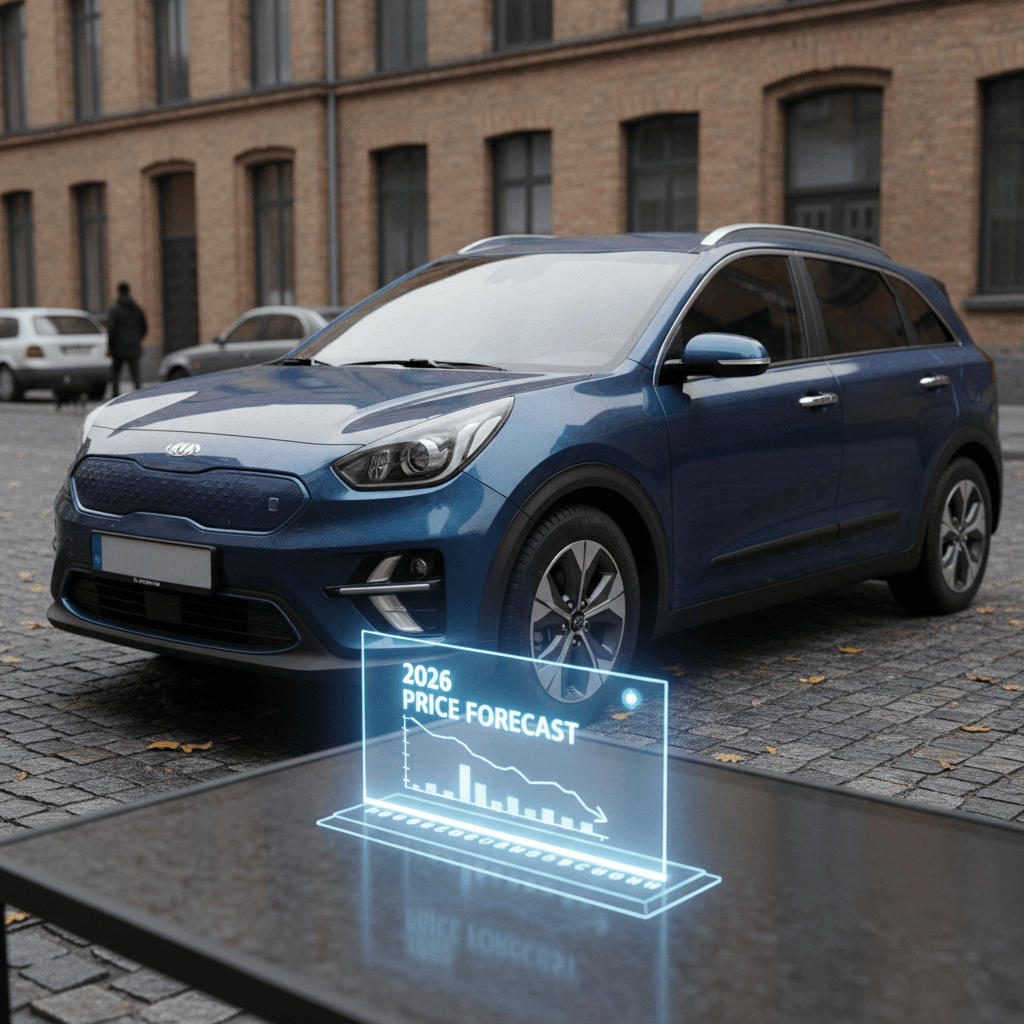
If you’re eyeing a Kia Niro EV in 2026, you’re stepping into a strange but promising moment. New‑car pricing stayed stubbornly high, EV incentives have been rewritten and rolled back, and Kia has quietly shifted attention toward newer models like the EV3 and EV5. That mix makes a Kia Niro EV price forecast for 2026 unusually interesting, because the numbers may finally tilt in your favor if you’re shopping used.
A niche EV at a turning point
Why Kia Niro EV prices are in the spotlight for 2026
Kia launched the second‑generation Niro EV for the 2023 model year and largely carried it through 2024 and 2025 with minimal changes. By late 2024, Kia was still asking just under $40,000 before destination for a new Niro EV Wind trim, essentially flat with 2023 pricing even as broader EV prices started to soften.
At the same time, industry data through 2024 and 2025 shows EV transaction prices drifting downward while incentives climbed into the low‑teens as a percentage of ATP, before the policy rug started getting tugged out from under the segment. New federal tax credits for EV purchases are scheduled to end on September 30, 2025, and lease‑based workarounds close the same day. That means 2026 will be the first full year of a largely post‑incentive EV market, and the Niro EV, never a headline‑grabber, has to compete on its own merits and price.
Layer onto that the reality that Kia is rolling out a full alphabet of dedicated EVs on newer hardware. In enthusiast and owner communities, dealer chatter and early reporting in 2026 point to the Niro EV being phased out in favor of models like the EV3 and EV4. For used‑car shoppers, a discontinued model isn’t a death sentence, it’s often a discount.
Where prices stand today: new and used Niro EV
Kia Niro EV pricing snapshot heading into 2026
By the end of 2025, new Niro EVs on dealer lots often wore stickers around $40,000–$41,000 with destination, but real‑world transaction prices could come in a few thousand lower once factory cash and dealer discounts were layered on, especially for inventory that had been aging on the lot for months.
On the used side, data from valuation sites and marketplaces, including Recharged’s own pricing analysis, showed 2019–2021 Niro EVs consolidating in the mid‑ to upper‑$10,000s and low‑$20,000s depending on miles and condition, while 2022–2024 examples typically advertised in the low‑ to high‑$20,000s. Meanwhile, near‑new 2025s were already appearing in the high‑$20,000s, confirming that depreciation was doing what depreciation does, especially on compact EV crossovers that no longer feel cutting edge.
Is there a 2026 Kia Niro EV? New-model outlook
Here’s the awkward truth: by spring 2026, signs point to the Niro EV winding down rather than gearing up for a major 2026 refresh in the U.S. Kia’s public attention is squarely on its E‑GMP‑based EV line (EV3, EV4, EV5, EV6, EV9), and dealer communications and owner forums are full of talk about the Niro EV and PHEV quietly exiting as the second‑gen body style soldiers on in hybrid form.
Don’t count on a heavily updated 2026 Niro EV
For pricing, that matters more than the badge year printed on the window sticker. A model that’s being discontinued typically sees aggressive discounting on leftover new inventory, followed by faster depreciation curves in the used market. That’s exactly the setup buyers will be walking into for the Niro EV in 2026.
Used Kia Niro EV price forecast for 2026 by model year
Let’s draw a defensible, conservative picture of where used Niro EV prices are likely to land through late 2026 in the U.S. All numbers below are ballpark retail asking prices for typical mileage and condition, not trade‑in values. Local supply, mileage, equipment, and battery health can move these by several thousand either way.
Kia Niro EV used price forecast for 2026 (U.S. retail, typical examples)
Approximate forecasted asking price ranges for used Kia Niro EVs during 2026, assuming normal market conditions and no major economic shock.
| Model year | Odometer expectation | Early‑2026 typical range | Late‑2026 typical range | Depreciation narrative |
|---|---|---|---|---|
| 2019 | 65,000–90,000 mi | $13,000–$17,000 | $12,000–$16,000 | First‑gen tech; largely bought on value, not novelty. |
| 2020 | 55,000–80,000 mi | $14,000–$18,000 | $13,000–$17,000 | Similar story to 2019, with slightly newer hardware. |
| 2021 | 45,000–70,000 mi | $16,000–$20,000 | $14,500–$19,000 | Sweet spot for bargain hunters who don’t mind pre‑refresh styling. |
| 2022 | 35,000–60,000 mi | $19,000–$24,000 | $17,500–$22,000 | Transition year into the second‑gen look; depreciation accelerates as newer Kia EVs arrive. |
| 2023 | 25,000–45,000 mi | $22,000–$26,000 | $20,000–$24,000 | Second‑gen body, good equipment; faces stiff competition from newer rivals. |
| 2024 | 15,000–35,000 mi | $24,000–$28,000 | $21,000–$26,000 | Near‑new feel but overshadowed by fresher EVs and lost incentives. |
| 2025 | Under 20,000 mi | $26,000–$30,000 | $23,000–$27,000 | Steepest early‑year drop from original MSRP, then leveling off. |
These ranges are directional, intended to frame expectations rather than promise exact outcomes.
Forecast vs. reality
Market forces shaping Kia Niro EV prices in 2026
Four big forces behind 2026 Niro EV pricing
Understanding the levers helps you time your purchase, and negotiate better.
1. The end of federal EV purchase incentives
Federal tax credits for new and used EV purchases are scheduled to end after September 30, 2025. That pulls a major prop out from under new EV pricing. Automakers will either eat more of the cost with incentives or accept lower volumes; either way, used EVs like the Niro EV become the value play.
2. Demand shifting to newer platforms
Shoppers who want the latest charging speeds and software are migrating to E‑GMP‑based models like Kia’s EV6/EV9 and soon EV3/EV4. That leaves the Niro EV playing the role of the pragmatic choice rather than the tech darling, and pragmatic cars are priced to move.
3. Dealer aging inventory pressure
By 2026, any remaining new Niro EVs on lots are, bluntly, stale inventory. Dealers sitting on 8‑ or 10‑month‑old units have powerful reasons to cut deals, especially as floorplan costs and quarterly metrics loom. Savvy buyers can leverage that age to push well below MSRP.
4. EV price normalization
Industry trackers have already charted EV price deflation relative to 2022 highs. With average new‑vehicle prices still in the mid‑$40,000s, mainstream EVs like the Niro are under pressure to justify their premium over efficient hybrids, or drop into the same monthly‑payment territory.
Use the market’s anxiety to your advantage
How much will a Kia Niro EV likely cost to buy in 2026?
Roll everything together, depreciation, policy changes, model cycle timing, and the 2026 story looks like this: the Niro EV becomes a $14,000–$28,000 used‑car proposition for most shoppers, with outliers above and below that band.
- Budget shoppers will hunt 2019–2021 cars in the mid‑teens to high‑teens, accepting older infotainment and less remaining battery warranty in exchange for a rock‑bottom payment.
- Value buyers will cluster around 2022–2023 examples in the low‑$20,000s, which combine the newer body style with still‑meaningful warranty coverage.
- Shoppers who want “nearly new” will eye 2024–2025 cars in the mid‑ to high‑$20,000s, often what’s left when lightly used leases or demos hit the market.
If you stumble onto a leftover new 2025 Niro EV still titled as new in 2026, a target transaction price in the mid‑$30,000s before taxes and fees is realistic once you factor in dealer discounts and any lingering manufacturer support. Past that point, you’re paying too much for a car the market has clearly repositioned as a value play.
Lease vs. buy for the Niro EV in 2026
Leasing a Niro EV in 2026
Most of the screaming‑deal leases on the Niro EV showed up in 2024 and 2025, when federal incentives could be passed through on leases and Kia needed to keep metal moving. With that lease credit window closing after September 30, 2025, 2026 lease payments will lean more on old‑fashioned discounts and subvented money factors.
- Pros: Lower upfront cost, you sidestep long‑term depreciation risk, easy exit when the lease ends.
- Cons: Lease deals likely won’t be as subsidized as 2024–2025, and you may face tight mileage caps on a car you bought for its efficiency.
Buying a Niro EV in 2026
If the forecast holds and used Niro EV prices settle where expected, buying lightly used becomes the rational choice. You capture the previous owner’s depreciation, keep the remaining battery and powertrain warranty, and are free from mileage caps.
- Pros: Lower total cost of ownership past year three, freedom to drive as much as you like, easier to sell or trade if your needs change.
- Cons: You carry the risk that EV prices continue to fall, and you’re on the hook for long‑term battery health, so inspection and diagnostics matter.
Where Recharged fits in
Ready to find your next EV?
Browse VehiclesHow to spot a fair-priced Kia Niro EV in 2026
Signs a Niro EV is fairly priced in 2026
Beyond the sticker: what tells you you’re not overpaying.
1. Price tracks mileage & year
A 2019 with 85,000 miles shouldn’t be priced like a 2023 with 30,000. Compare the listing against the forecast ranges above and recent sales on multiple sites, not just one marketplace.
2. Battery health is documented
A fair deal includes transparency. Look for a third‑party battery health report, not just a photo of the dash SOC. Recharged’s Score bundles this data so you’re not buying blind.
3. Reconditioning matches the ask
If the seller is pricing at the top of the range, there should be receipts: fresh tires, recent brake service, clean Carfax, and no outstanding recalls. If the car is ‘as‑is,’ the price should say so.
Red flags on a “too good to be true” deal
Checklist before you buy a used Kia Niro EV
Pre‑purchase checklist for a 2026 Niro EV shopper
1. Verify remaining factory warranty
Confirm in writing how much of Kia’s 10‑year/100,000‑mile EV component warranty is left based on in‑service date and mileage. That warranty horizon is a huge piece of the value puzzle.
2. Get a real battery health assessment
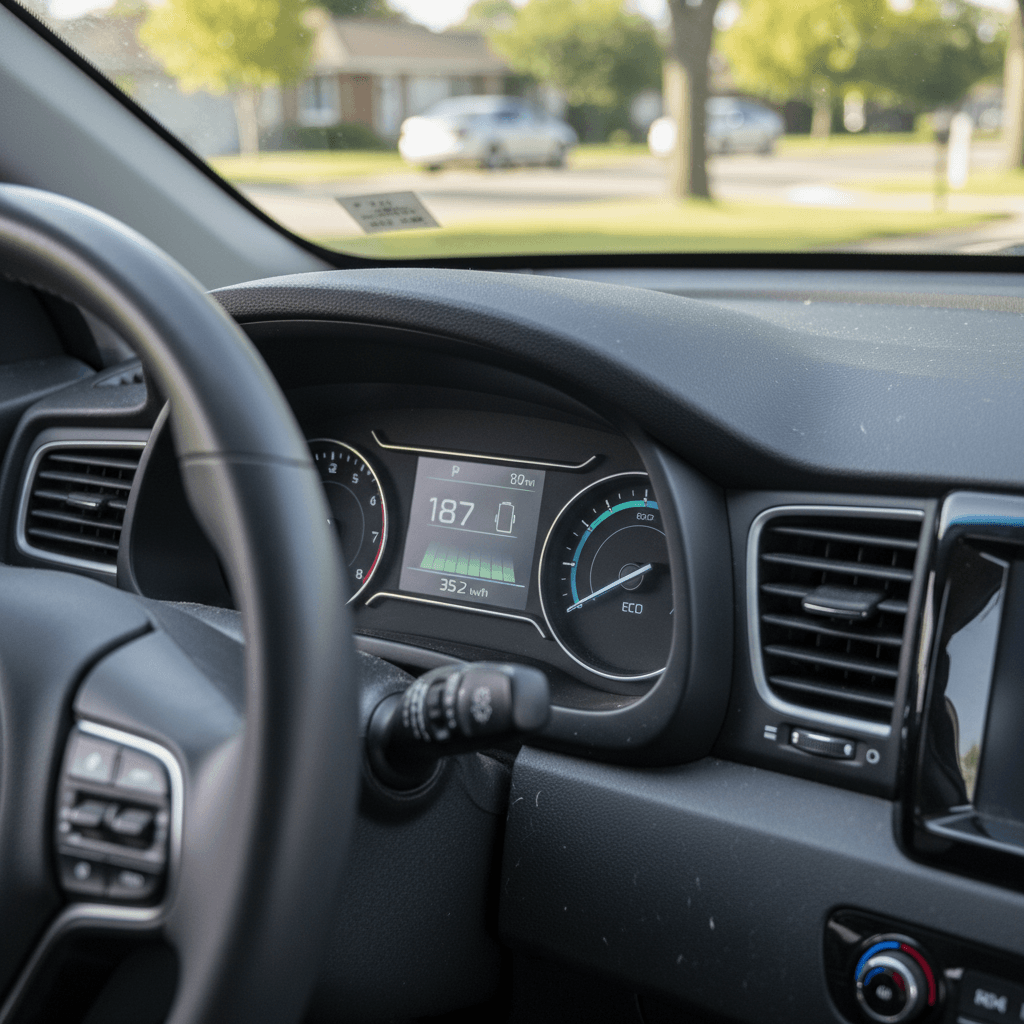
Don’t rely solely on the dash. Ask for a battery health report, such as the Recharged Score, or pay a shop with EV expertise to run diagnostics on pack health and cell balance.
3. Review charging and usage history
If possible, learn how the car was charged. A heavy diet of DC fast charging, especially in hot climates, can accelerate degradation compared with mostly Level 2 home charging.
4. Check for open recalls and software updates
Niro EVs have received software updates over time. Confirm that recall campaigns are closed and that the infotainment and battery management systems are fully updated.
5. Inspect tires, brakes, and suspension
EV weight is hard on consumables. Uneven tire wear or tired dampers can turn a cheap upfront price into a four‑figure reconditioning bill within the first year of ownership.
6. Compare total cost of ownership
Run the numbers: purchase price, financing, insurance, home charging setup, and likely maintenance. A slightly higher price on a better‑maintained car can be cheaper over five years.
FAQ: Kia Niro EV prices and the 2026 forecast
Frequently asked questions about Kia Niro EV prices in 2026
Bottom line: Is 2026 a good year to buy a Kia Niro EV?
If you like the Kia Niro EV’s mission, a compact, efficient, unfussy electric crossover, 2026 lines up as a buyer’s year. The model is aging out of the spotlight, incentives that once propped up new EV pricing are gone, and used examples are settling into a price band that finally makes sense for middle‑class budgets.
The flip side is that you’re not buying the cutting edge. Range is good rather than great, charging speeds are merely adequate, and Kia’s flashier EVs will make the Niro look and feel older as the decade wears on. That’s the trade: less sizzle, more value.
If your priority is a calm, predictable ownership experience at a fair price, a well‑vetted used Niro EV with a clean history and strong battery health can be a quietly brilliant move in 2026. Use tools like the Recharged Score report, take your time comparing listings, and let the market’s nerves about EV depreciation work for you, not against you.