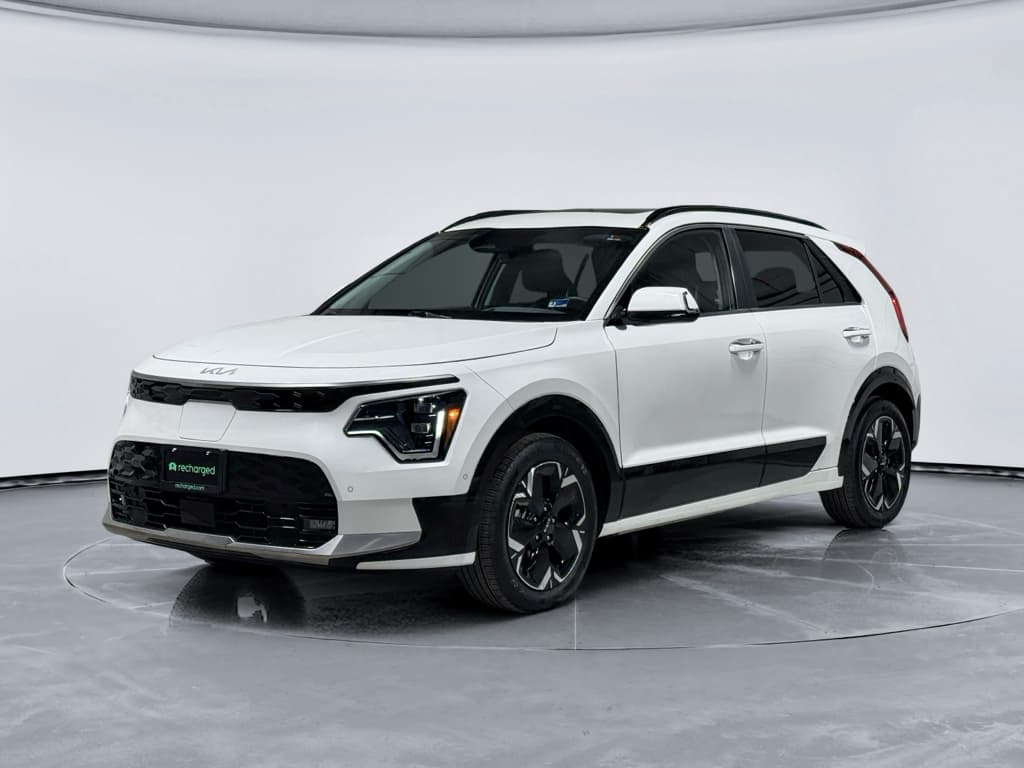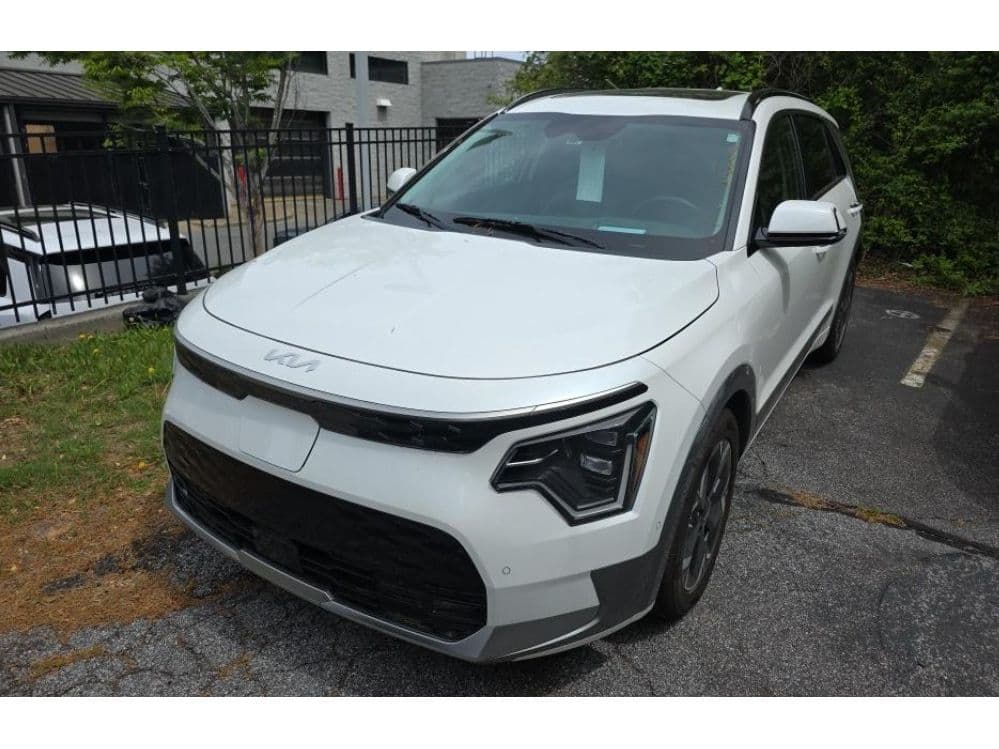
If you’re considering a Kia Niro EV, you’re probably doing the right homework: range, charging, price, and insurance. The twist is that Kia Niro EV insurance rates by age can vary by thousands of dollars a year between a teen driver and a seasoned 50‑something, even for the exact same car and coverage.
Quick snapshot
Why age matters so much for Kia Niro EV insurance
Insurers price risk, not just cars. Your age is a proxy for experience behind the wheel, likelihood of claims, and, fair or not, how you behave in traffic. That’s why you see the steepest Kia Niro EV insurance rates in the late teens and early 20s, then a long plateau through middle age, followed by a gentle uptick in the mid‑70s and beyond.
- Teens and early 20s: Less experience, more severe accidents, more distracted driving claims.
- Mid‑20s to mid‑50s: Prime years, more experience, fewer serious crashes, stable claim patterns.
- 60s and early 70s: Still generally good risk, with lower mileage in many cases.
- Mid‑70s+: Reaction times, vision, and injury severity start to worry insurers again.
Age isn’t everything
How age moves typical U.S. full‑coverage premiums
How much does Kia Niro EV insurance cost by age?
There’s no universal price for Kia Niro EV insurance, but we can outline reasonable ranges based on recent national data for EVs and compact crossovers plus model‑specific research on the Niro EV. Think of these as ballpark full‑coverage premiums (liability, collision, comprehensive, and typical add‑ons) for a clean‑record driver in an average‑cost state.
Estimated annual Kia Niro EV full‑coverage premiums by age
Approximate national ranges for a 2023–2025 Kia Niro EV, clean driving record, average‑cost state, typical commuting mileage. Your actual quote may be lower or higher based on location, coverage, and insurer.
| Driver age | Typical situation | Estimated annual range | How it compares to a similar gas crossover |
|---|---|---|---|
| 16–18 | Teen on their own policy | $5,500–$9,000+ | Often 20%–40% higher than a comparable gas Niro or small SUV. |
| 16–18 (on parents’ policy) | Teen added to family policy | + $1,800–$3,500 to household premium | Still higher than gas, but bundling with parents and multi‑car discounts soften the blow. |
| 19–22 | Young adult, own policy | $3,800–$5,500 | Roughly 10%–25% higher than a similar gas crossover. |
| 23–29 | Early career driver | $2,600–$3,800 | Typically modestly above a comparable gas Niro, but discounts start to kick in. |
| 30–39 | Prime earning years | $1,900–$2,900 | Often close to national EV averages; gap vs gas narrows. |
| 40–54 | Experienced, stable risk | $1,800–$2,700 | Many Niro EV owners here pay only slightly more than for a gas Niro. |
| 55–69 | Lower mileage for many | $1,700–$2,500 | Some insurers offer mature driver discounts that offset any EV surcharge. |
| 70–79 | Healthy senior driver | $2,000–$2,800 | Rates can rise again, but safe‑driver and low‑mileage discounts help. |
| 80+ | Very senior driver | $2,500+ | Pricing gets highly individual; some carriers tighten underwriting for EVs in this bracket. |
Use this as a directional guide, not a guaranteed quote. Always compare real offers.
Don’t treat these numbers as quotes
Kia Niro EV insurance by life stage
1. Teens and college drivers
For a 16‑ to 20‑year‑old driving a Kia Niro EV, insurers see a double whammy: high‑risk age group plus a relatively new, tech‑heavy vehicle. Full coverage can rival the car payment itself, especially on a solo policy.
- Expect the highest premiums of any age group.
- Adding a teen to a parent’s multi‑car policy is usually cheaper than a stand‑alone policy.
- Good student, telematics, and driver‑education discounts are critical here.
2. Young professionals (20s)
Once you hit your mid‑20s with a clean record, Niro EV insurance starts to normalize. For many 25‑ to 29‑year‑olds, full coverage prices begin to resemble national averages for compact crossovers, still a bit higher than gas, but no longer eye‑watering.
- Major knock‑downs in rate usually appear around ages 25 and 30.
- Household moves (city to suburb) can dramatically impact quotes.
- Bundling renters or homeowners insurance often makes a real dent in EV premiums.
3. Family years (30s to 50s)
This is the sweet spot for Kia Niro EV insurance rates by age. Insurers like drivers with 10–20 years of experience and stable households. Many Niro EV owners here see premiums within striking distance of a gas Niro or hybrid crossover.
- Multi‑vehicle and multi‑policy discounts are usually at their strongest.
- Annual mileage matters: a Niro EV used mostly for school runs and errands can rate lower than one racking up highway miles.
- Clean records yield the biggest savings, one at‑fault accident can erase the age advantage.
4. Empty‑nest and retirement (60s and up)
In your 60s, especially if you’ve downsized to a Niro EV as your primary car, mileage often drops and so can rates. But by the mid‑70s, many insurers start to nudge premiums upward again.
- Telematics and mileage‑based policies can be very friendly to low‑mileage seniors.
- Some carriers offer mature driver or defensive‑driving discounts.
- Health‑related underwriting is rare in personal auto, but age‑related loss patterns still influence senior pricing.

Why EVs like the Niro can cost more to insure
A Kia Niro EV is a sensible, family‑oriented crossover. Yet many owners are surprised when an EV quote comes in higher than a similar gas Niro or compact SUV. That’s not because insurers dislike electric cars; it’s because of how claims and repairs look on the back end.
Four big drivers of Kia Niro EV insurance costs
These apply at every age, your age just magnifies or reduces them.
1. Battery and high‑voltage repairs
The Niro EV’s battery pack and power electronics are expensive components. A minor crash that damages the battery enclosure or underbody can turn into a very costly claim, or even a total loss.
2. Limited EV repair networks
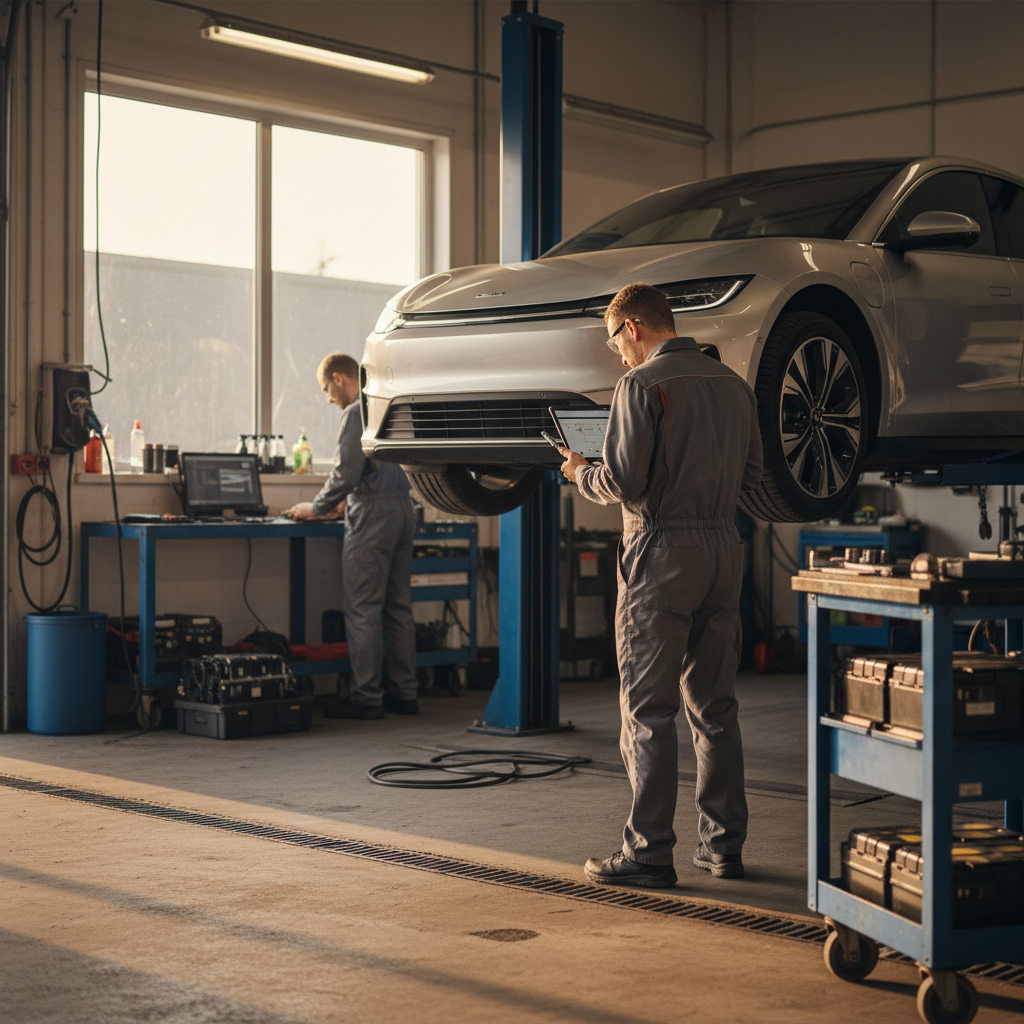
Fewer shops are qualified to work safely on EVs. That can mean longer repair times and higher labor rates, which feed back into higher comprehensive and collision premiums.
3. Advanced safety and driver‑assist tech
Systems like forward collision‑avoidance assist, lane‑keep assist, and radar‑based cruise control help prevent crashes, but they aren’t cheap to recalibrate after one. Bump a sensor and the bill can climb quickly.
4. Evolving EV claims data
EVs are still a smaller slice of the total car parc, so insurers are refining their pricing as more loss data comes in. In some markets, that temporary uncertainty shows up as slightly higher premiums.
The good news for Niro EV owners
How to lower your Kia Niro EV insurance at any age
You can’t change your age, but you have plenty of control over how insurers view your risk. Whether you’re 22 or 72, the playbook for trimming Kia Niro EV premiums looks surprisingly similar.
Practical ways to cut Kia Niro EV insurance costs
1. Choose realistic coverage and deductibles
Don’t under‑insure, but don’t over‑insure either. Higher deductibles (say, $1,000 instead of $500) can noticeably lower comprehensive and collision premiums, especially on a used Niro EV whose market value has already dropped.
2. Stack the easy discounts
Ask about safe‑driver, multi‑car, multi‑policy, good‑student, telematics, and EV or green‑vehicle discounts. Many carriers quietly offer several of these, but you only get them if you qualify and ask.
3. Mind your mileage
If your Niro EV is mainly a commuter or errands car, make sure the policy reflects lower annual mileage. Under 7,500–10,000 miles per year can unlock better rates with some companies.
4. Shop around when life changes
New job, new ZIP code, teen driver, or buying a used Niro EV, all are triggers to re‑shop your coverage. Different insurers can price the exact same risk very differently, especially for EVs.
5. Improve your insurance score
In most states, insurers use a credit‑based insurance score. Paying bills on time, reducing revolving debt, and avoiding collections can gradually lower premiums, something that helps at <em>every</em> age.
6. Consider usage‑based or telematics programs
If you’re a smooth, lower‑mileage driver, a plug‑in device or smartphone app that tracks your driving can deliver double‑digit discounts on Kia Niro EV insurance over time.
EV‑specific tip
Insurance and buying a used Kia Niro EV
The fastest‑growing part of the EV market is used vehicles, and the Kia Niro EV is a prime example. As values come down, the math on total cost of ownership starts to look compelling, especially when you factor in lower fuel and maintenance costs. Insurance is the wild card you need to understand before you sign anything.
Why a used Niro EV can be easier to insure than you think
And where you still need to be careful.
Lower vehicle value
A 3‑ to 5‑year‑old Niro EV usually costs far less to replace than a brand‑new one. That can reduce comprehensive and collision portions of your premium, all else equal.
More realistic financing terms
Smaller loan balances and shorter terms may let you skip ultra‑low deductibles or gap coverage, trimming premiums while still protecting your budget.
EV surcharge may shrink over time
As more EV repair data comes in and third‑party parts availability improves, the price gap between EV and gas insurance is likely to narrow, especially on mainstream models like the Niro EV.
How Recharged fits in
If you’re cross‑shopping a used Kia Niro EV against other compact EVs or hybrids, build insurance into your monthly budget the same way you consider payment, charging, and maintenance. A slightly higher premium on a Niro EV can still be offset by lower energy and service costs versus a gas crossover over several years.
Sample coverage setups by age group
To make the age question more concrete, here are illustrative coverage choices for different life stages. These are examples only, your needs may differ, but they show how drivers often balance risk and price.
Illustrative Kia Niro EV coverage profiles by age
Common patterns drivers choose for a Kia Niro EV at different ages and life stages.
| Age band | Typical use case | Liability limits example | Comp/collision deductible | Notes |
|---|---|---|---|---|
| 18–22 | Student or early career, newer Niro EV on loan | 100/300/50 | $500–$1,000 | Full coverage usually required by lenders. Family policy plus good‑student and telematics discounts are key. |
| 25–35 | Commuter with financed or recently paid‑off Niro EV | 100/300/100 | $500–$1,000 | Many prioritize strong liability limits while gradually raising deductibles to lower monthly cost. |
| 36–55 | Family hauler, multiple vehicles in household | 250/500/100 or higher | $1,000 | This group often carries higher liability for asset protection, leveraging multi‑car and home/auto bundles to keep premiums in check. |
| 56–70 | Empty‑nester, possibly retired, lower mileage | 100/300/100 or 250/500/100 | $500–$1,000 | Some reduce mileage and may explore usage‑based policies; keeping robust liability is still wise. |
| 71+ | Senior driver, potentially on fixed income | 100/300/50 or higher | $500–$1,000 | Balancing budget against protection becomes critical. Consider telematics and senior driving courses to offset age‑related rate increases. |
Always follow your state’s minimums and your lender’s requirements if you finance the vehicle.
FAQ: Kia Niro EV insurance rates by age
Common questions about Kia Niro EV insurance by age
Bottom line: Budgeting for Kia Niro EV insurance by age
Age has always shaped auto insurance costs, and that’s still true in the electric era. With the Kia Niro EV, teenagers and early‑20‑somethings will pay the steepest premiums, while drivers in their 30s through 50s usually enjoy the best balance of protection and price. Seniors often see modest increases again, although low mileage and safe‑driver habits can counteract some of that.
If you’re looking at a used Kia Niro EV, fold insurance into your total cost of ownership from the start. Ask for firm quotes using the specific VINs you’re shopping, compare multiple carriers, and experiment with deductibles and mileage estimates to see how they move the needle. And when you shop with Recharged, that Recharged Score Report, especially the battery‑health detail, gives you the confidence to tailor coverage to the real‑world car you’re getting, not just a line on a rate chart.