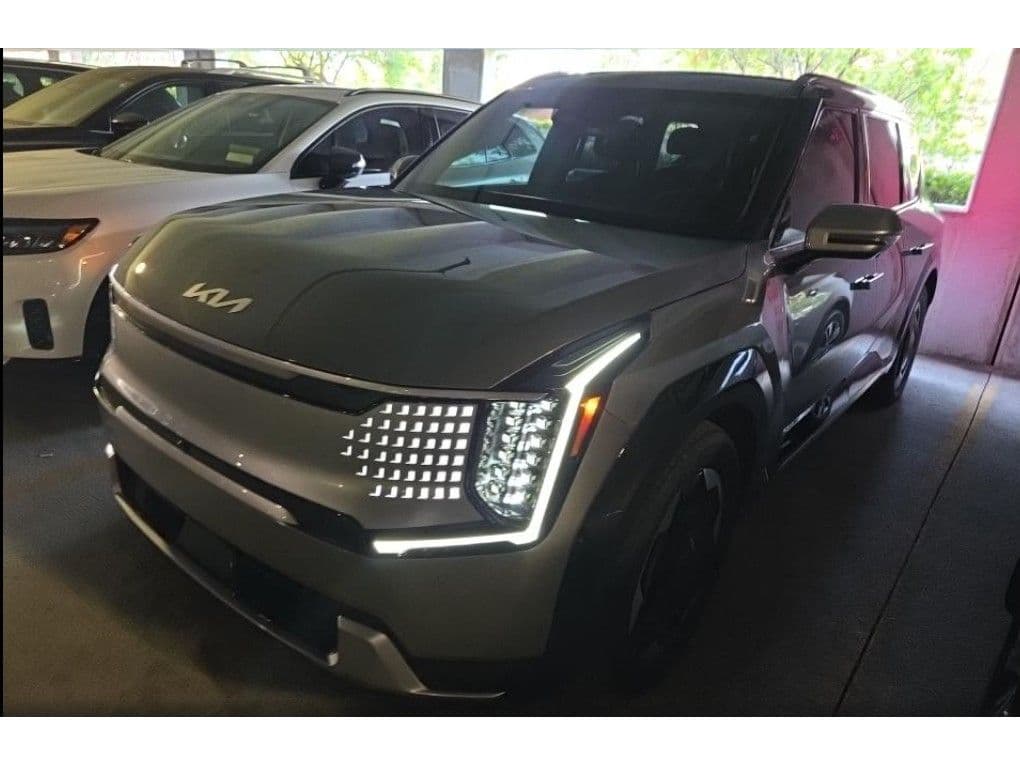
If you’re looking for a clear, trustworthy Kia EV9 recalls list, you’ve probably already seen the headlines about blank instrument clusters and seat-mounting bolts. The EV9 is a brand‑new, tech‑heavy electric SUV, and like many new models, it’s already had a few early recalls. This guide walks you through each known EV9 recall so far, what’s actually being fixed, and how to protect yourself whether you already own an EV9 or you’re considering a used one.
Quick context
Overview: Kia EV9 recalls list so far
The EV9 is still a relatively new model in the U.S. market, so its recall history is short but important. So far, EV9 recalls have focused on electronics/software and seat mounting hardware rather than motors, batteries, or structural crash safety. That’s good news, but you still need to make sure these items have been addressed on any EV9 you drive or consider buying.
Kia EV9 recalls at a glance
Kia EV9 recalls list (quick reference table)
Current Kia EV9 recalls list (U.S.)
High‑level summary of the main EV9 recall campaigns reported so far. Always confirm details for your exact VIN on NHTSA or with Kia.
| Recall / Campaign | Issue | Model years (approx.) | Primary fix | Involves OTA update? |
|---|---|---|---|---|
| NHTSA 24V-757 (Kia internal code varies) | Driver instrument cluster may go blank at start‑up due to software logic error | 2024–2025 EV9 built roughly Sep 2023–Aug 2024 | Software update for instrument cluster control unit | Yes, in many cases |
| Kia SC329 (seat mounting bolts) | Seat mounting bolts may be missing or improperly installed, reducing crash protection | Primarily early U.S. EV9 builds, 2024–2025 | Dealer inspection and installation/torque of missing or loose bolts | No, physical inspection required |
Use this table as a starting point, then verify your EV9’s recall status using its VIN.
Exact applicability varies
Recall 24V-757: Blank instrument cluster screen
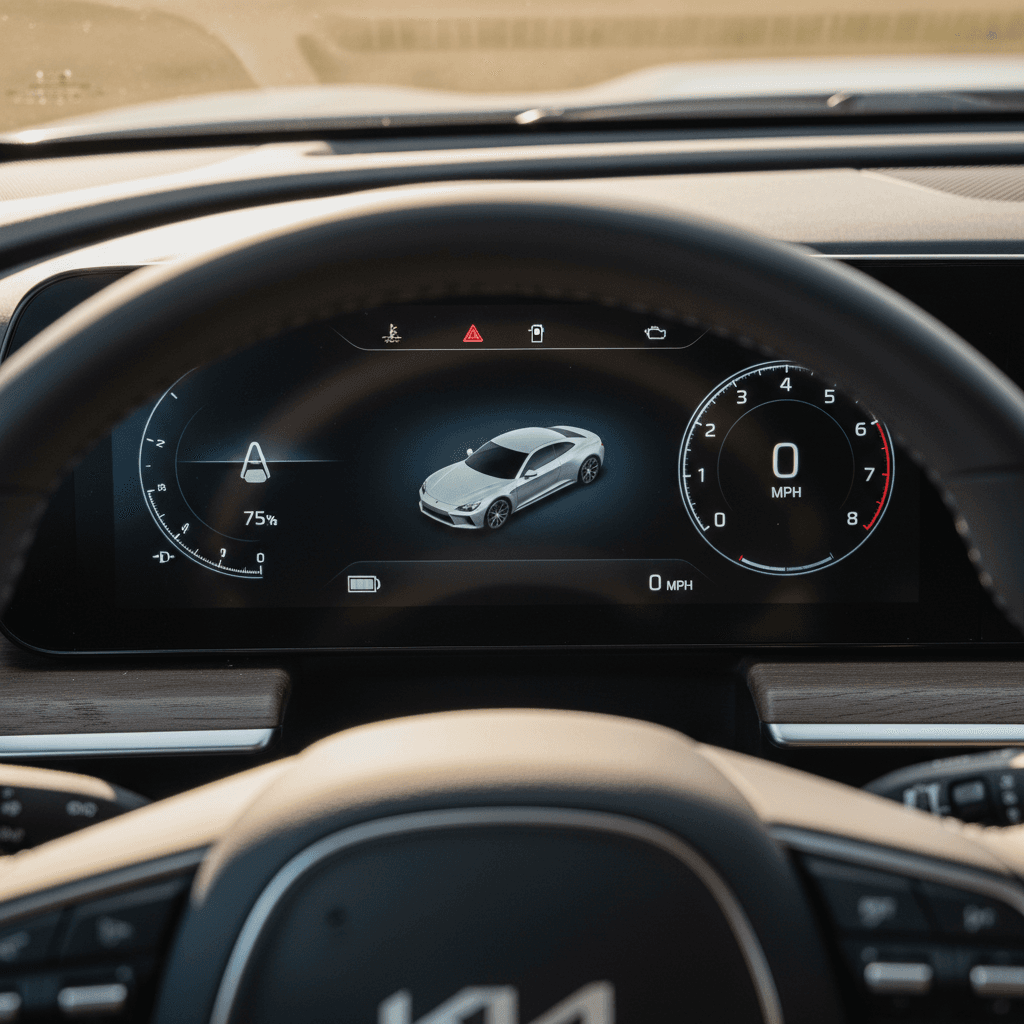
The first major Kia EV9 recall many owners saw in their mailboxes was for a blank driver display. On affected vehicles, the main instrument cluster could fail to wake up properly at start‑up, leaving the display dark even though the vehicle would still go into gear and drive.
What’s the safety risk?
When the cluster is blank, you can’t easily see your speed, warning lights, gear selection, or active driver-assist status. While most core functions of the vehicle still work, you’re effectively driving without a dashboard, which can increase the risk of speeding, missing an important alert, or misjudging your range.
What caused the EV9 blank-screen recall?
Kia traced the problem to a software logic error in the instrument cluster control unit. Under specific conditions, especially following certain over‑the‑air (OTA) updates, the digital cluster might not initialize correctly. Owners described it as a dead or frozen screen that sometimes came back after the EV9 sat powered off for 30–60 minutes.
Good news: no hardware swap required
How Kia fixes the blank display issue
- Kia released updated cluster software that corrects the logic error causing the blank screen.
- Depending on your build, the fix may be applied over the air (OTA) or at a dealership service visit.
- Dealers can also confirm that your cluster has the latest version and document recall completion in Kia’s systems.
- Once updated, the issue should not recur under normal conditions. If it does, you’ll want the dealer to document it and check for additional faults.
Owner tip: Don’t ignore a one‑time blank screen
Kia campaign SC329: Seat mounting bolt inspection
Another important entry on the Kia EV9 recalls list involves the seat mounting hardware. Under internal campaign code SC329, Kia instructs dealers to inspect the EV9’s seat mounts for missing or improperly installed bolts and correct them where needed.
What’s the concern with seat bolts?
Seats aren’t just furniture; they’re part of the crash‑protection system. If a seat isn’t properly secured to the floor, its ability to keep you in the right position during a crash is compromised. That can increase the risk of injury even if the airbags and seatbelts function correctly.
How the SC329 recall works
What happens during a seat‑bolt recall visit
1. Dealer checks recall status
When you arrive, the service advisor will confirm your EV9 is included in the SC329 campaign and open a repair order. This creates a record that you’ve addressed the recall.
2. Seat mounting inspection
A technician inspects the affected seats, typically second or third row, for missing fasteners or bolts that were not torqued to spec from the factory.
3. Corrective repairs if needed
If anything is missing or loose, they’ll install new hardware and torque it properly to Kia’s specifications. There is no charge to you for this work.
4. Final documentation
The dealer uploads completion data to Kia’s system, closing the campaign for your VIN. If you later sell the EV9, this shows up as a completed recall, which is reassuring to buyers.
Don’t delay seat‑related recalls
Other EV9 issues owners report (but not formal recalls yet)
Beyond official recalls, EV9 owners have reported a few recurring quirks and issues in forums and owner groups. These don’t always rise to the level of a formal recall, but they’re still useful to understand, especially if you’re shopping used.
Commonly reported (non‑recall) EV9 issues
Patterns owners discuss online that may be handled by TSBs or software updates rather than recalls.
Intermittent screen glitches
Kia Connect quirks
Range drops in cold weather
TSBs vs. recalls
How to check your Kia EV9 for recalls
Fortunately, you don’t need to guess whether your EV9 is affected by any recalls. In the U.S., it’s easy, and free, to check using online tools or a quick phone call. Here’s how to do it step by step.
Step‑by‑step: Check your EV9 recall status
1. Locate your VIN
Your EV9’s 17‑digit VIN is visible at the base of the windshield on the driver’s side and on your registration or insurance card.
2. Use the NHTSA recall lookup
Go to the National Highway Traffic Safety Administration’s recall lookup page and enter the VIN. It will show <strong>open safety recalls</strong> for that exact vehicle.
3. Check Kia’s own recall page
Kia also provides a VIN or model lookup on its customer site. This can include brand‑specific campaigns or service actions beyond NHTSA‑listed recalls.
4. Call your Kia dealer’s service department
Give them your VIN and ask if there are any <strong>open recalls or campaigns</strong>. Have them email or print the report so you have a record.
5. Schedule recall work promptly
If any recalls are open, book the soonest convenient appointment. Recall work is <strong>free</strong>, even if you’re not the original owner.
6. Keep documentation with your records
After service, file the repair order (RO) or email confirmation. This helps you prove recalls were completed when you go to sell or trade the EV9.
Recharged can help if you’re shopping used
Ready to find your next EV?
Browse VehiclesWhat these EV9 recalls mean for safety and resale value
Seeing any vehicle on a recall list can give shoppers pause, but it’s important to separate what went wrong from how the automaker handled it. Early‑production EVs frequently see software and hardware campaigns as real‑world usage uncovers edge cases that testing missed.
Safety impact
So far, the key Kia EV9 recalls have targeted issues that matter for safety, driver information visibility and seat mounting integrity. The good news is that:
- The instrument cluster recall is software‑based, not a fundamental brake or steering fault.
- The seat‑bolt campaign fixes a manufacturing oversight that is straightforward to inspect and correct.
- There’s no widespread pattern of EV9 battery fires or loss of motive power tied to recalls at this time.
Resale and used‑EV value
From a resale standpoint, documented recalls that have been properly completed often have less impact than lingering, unaddressed issues. A savvy used‑EV shopper will:
- Ask for proof that recall work has been done.
- View recall completion as a sign the owner stayed on top of maintenance.
- Discount vehicles that show open recalls with no plan to fix them.
In other words, a clean recall history can actually help your EV9 stand out when you go to sell or trade.
Compare recall history when cross‑shopping
Used Kia EV9 buyers checklist: Recall and safety checks
If you’re considering a used EV9, especially an early 2024 or 2025 model, you want to be even more methodical. Recalls are only part of the picture, but they’re a critical starting point.
Pre‑purchase checklist for a used Kia EV9
Confirm all recalls are closed
Use the VIN with NHTSA and Kia, then ask the seller for <strong>service records showing recall completion</strong>, especially for the instrument cluster and seat‑bolt campaigns.
Test the digital cluster thoroughly
During your test drive, start the EV9 multiple times. Make sure the driver display wakes up instantly, with no blank screens, flickering, or language glitches.
Inspect all seat rows
Sit in every row and gently rock the seats. They should feel solidly anchored. Any movement, clunks, or unevenness is a reason to have a dealer inspect the mounting hardware before you buy.
Check for warning lights or messages
No EV is perfect, but persistent alerts about driver‑assist systems, airbags, or powertrain issues could hint at deeper problems than a simple recall.
Review OTA update history
If possible, ask the owner whether they’ve kept up with <strong>over‑the‑air updates</strong>. A neglected software update schedule can leave bug fixes, and new features, on the table.
Get a third‑party evaluation
Buying through a specialist like <strong>Recharged</strong> means you get a <strong>Recharged Score</strong> with verified battery health, range expectations, and pricing guidance based on real EV data, not just guesses.
FAQ: Kia EV9 recalls and ownership questions
Frequently asked questions about Kia EV9 recalls
Bottom line: Should EV9 recalls scare you away?
Recalls are part of life with any modern vehicle, especially early examples of a high‑tech electric SUV like the Kia EV9. What matters most is knowing what’s on the Kia EV9 recalls list, confirming which campaigns affect your specific SUV, and making sure the fixes have been completed.
If you already own an EV9, treat recall notices as high‑priority errands, not optional suggestions. If you’re shopping used, take advantage of tools like NHTSA’s VIN lookup, dealer service records, and third‑party evaluations. And if you’d like expert help, Recharged can pair you with EV specialists, detailed Recharged Score battery reports, and transparent pricing so you can decide whether a particular EV9, and its recall history, fits your comfort level.
Handled correctly, early recalls don’t have to be deal‑breakers. They can simply be part of the story you understand, document, and use to negotiate confidently on the right Kia EV9 for you.