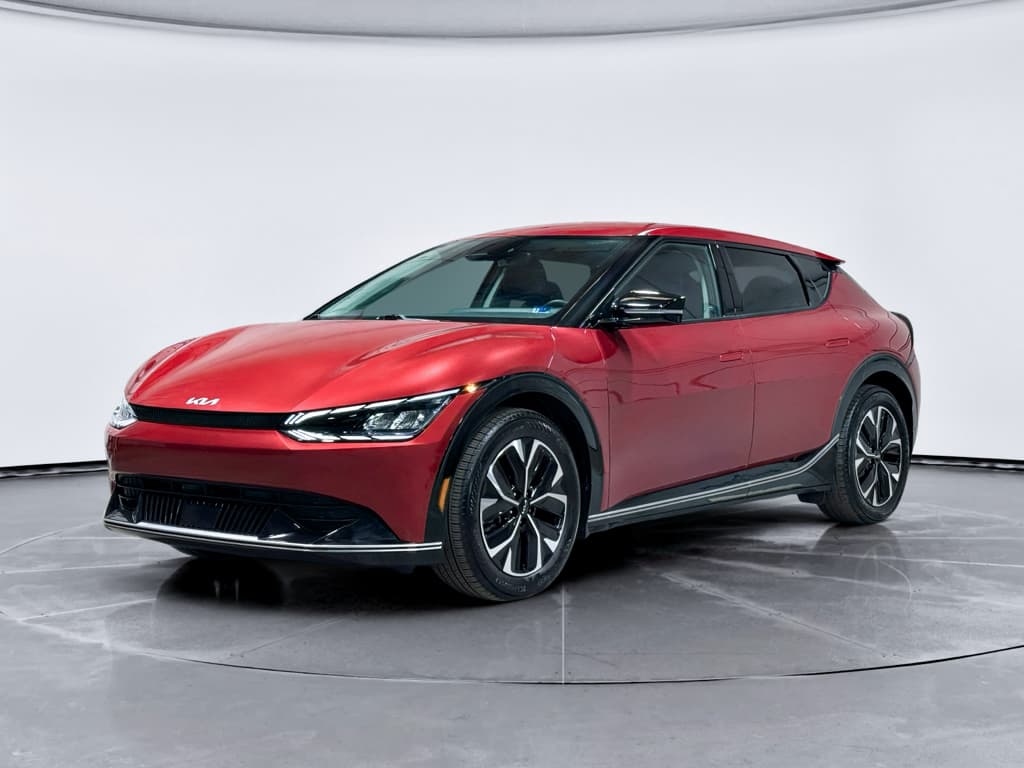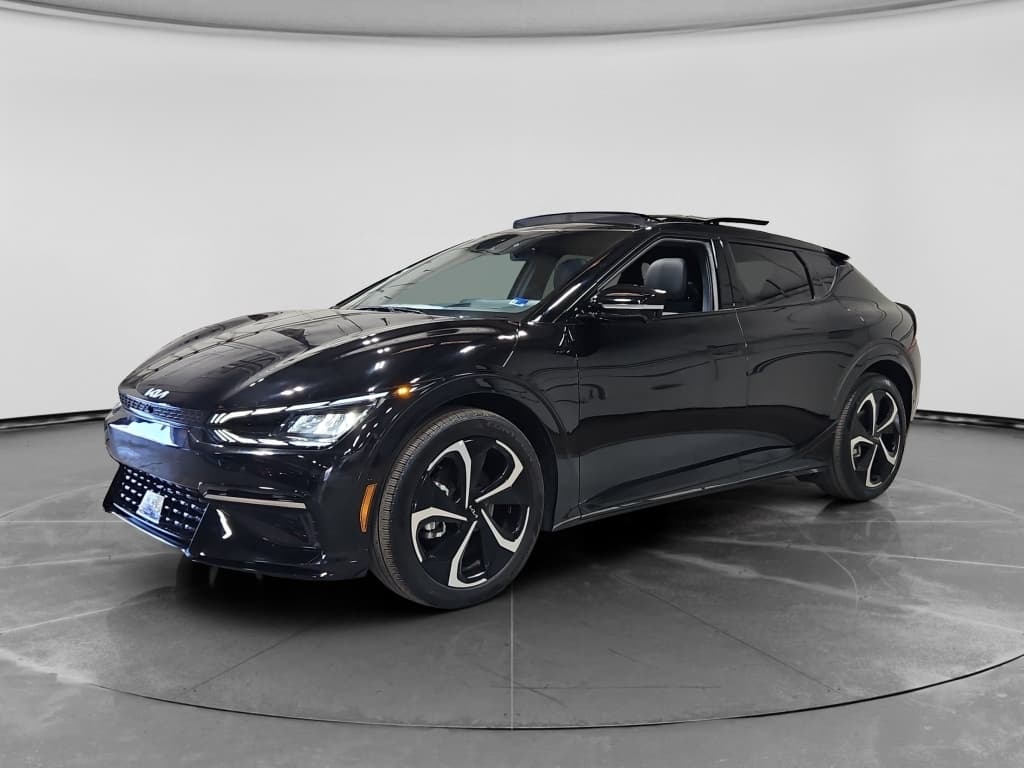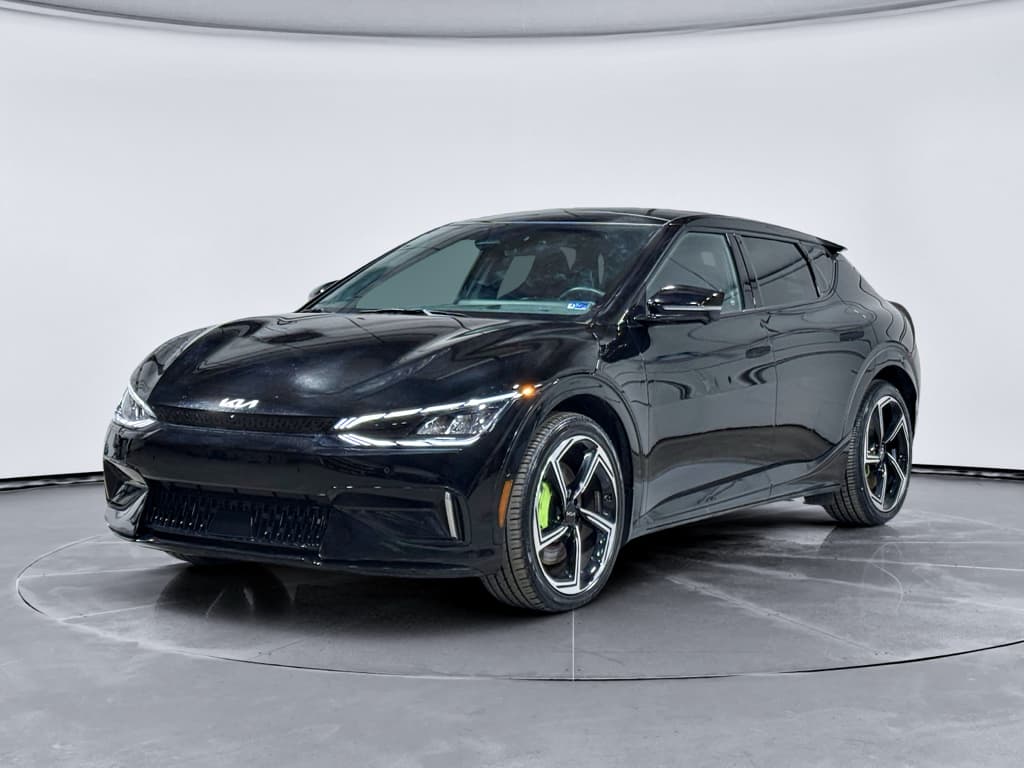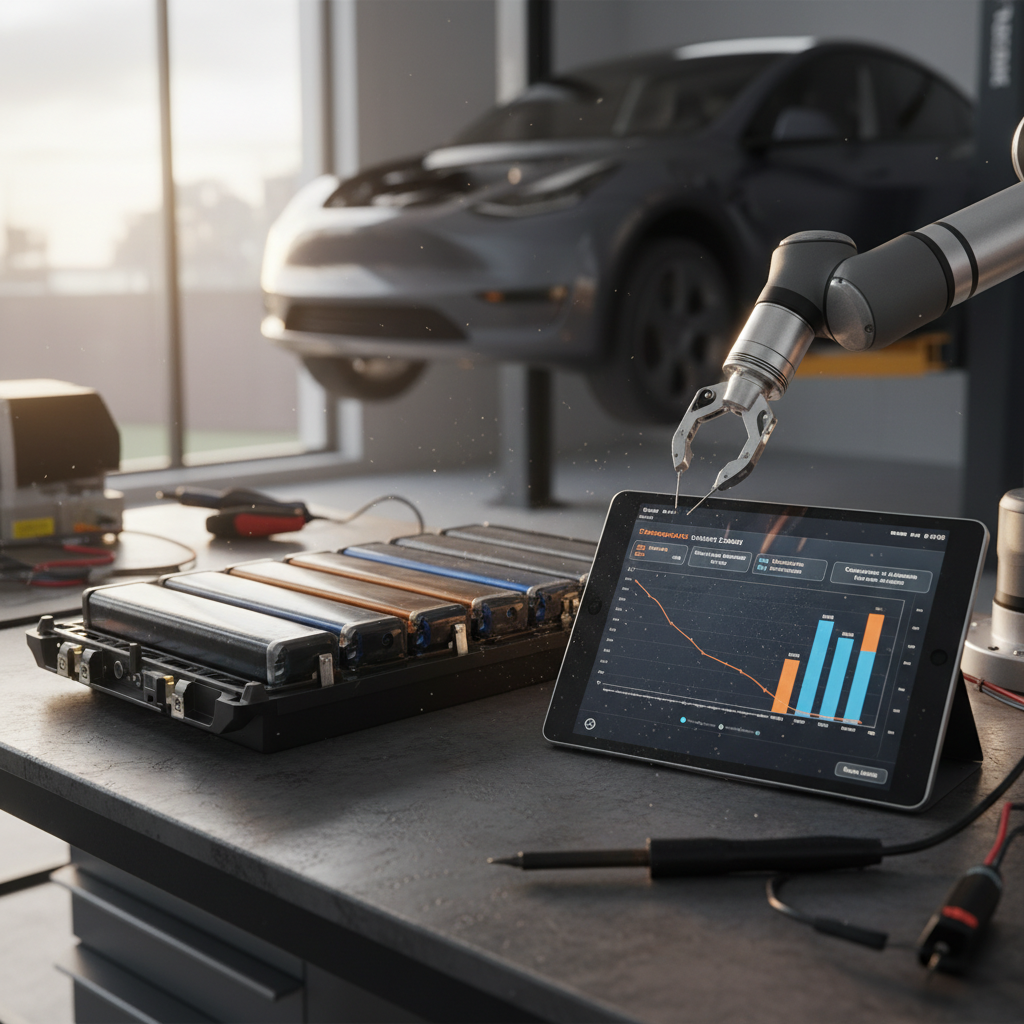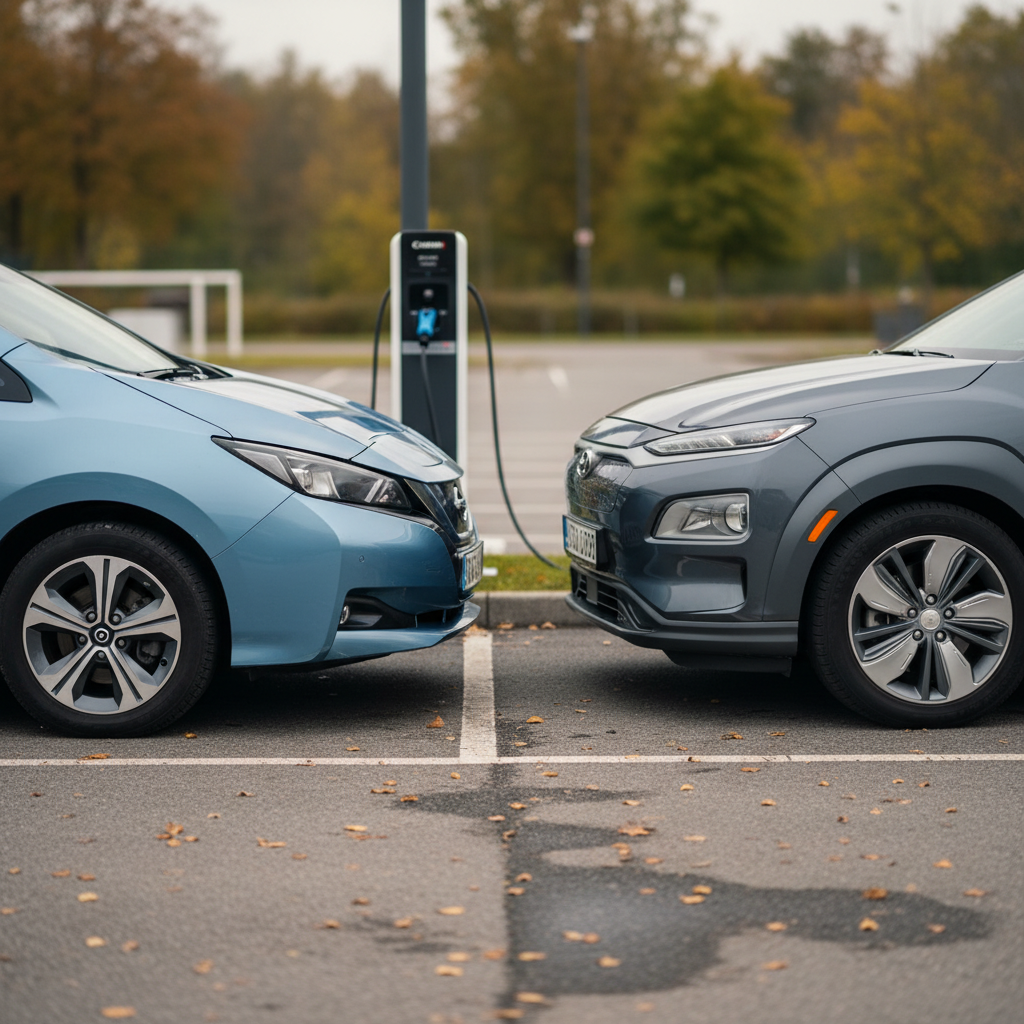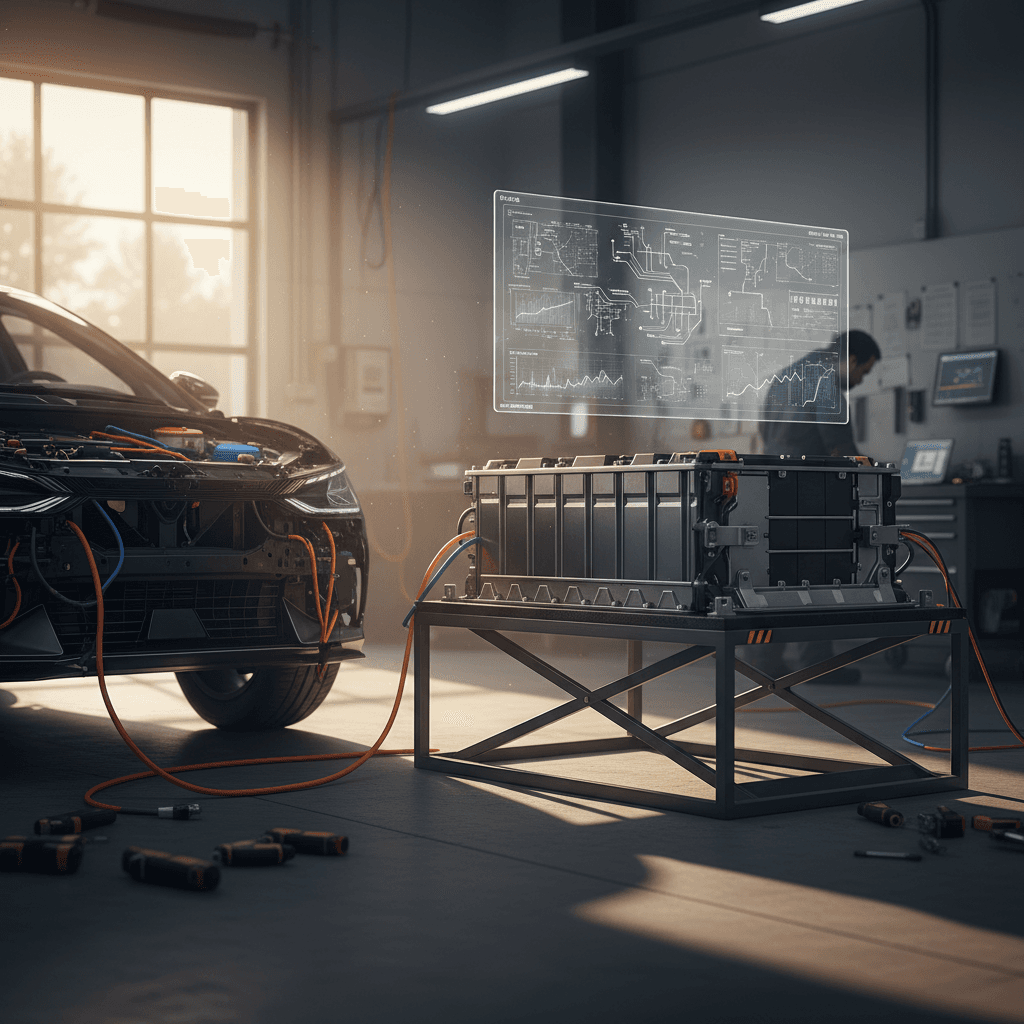
If you own, or are eyeing, a Kia EV6 in 2026, the phrase “battery replacement cost” lands like a brick. You’ve heard five‑figure horror stories, and you’d rather not bankroll a small condo for the privilege of keeping your crossover on the road. The reality is more nuanced: the typical **Kia EV6 battery replacement cost in 2026** sits around the low‑to‑mid five figures out of warranty, but long warranties and low failure rates mean most drivers will never write that check.
Key takeaway for 2026
Kia EV6 battery replacement cost in 2026: overview
EV6 battery cost snapshot for 2026 (U.S.)
Those numbers put the EV6 right in the middle of the modern EV pack. Industry data for 60–80 kWh crossovers shows full traction battery replacements landing in the **$8,000–$15,000** bracket, and model‑specific estimates for the EV6 commonly fall in the **$10,000–$15,000** range for a long‑range pack including labor. That’s serious money, but again, this is the worst‑case, out‑of‑warranty scenario, not a routine maintenance item like tires or brakes.
How much is a Kia EV6 battery in 2026?
Kia has not published a simple “add to cart” price for a brand‑new EV6 battery pack in 2026, but we can triangulate from multiple data points: pack size, typical OEM price per kWh, and real‑world quotes gathered across dealers and EV shops.
Estimated Kia EV6 battery replacement cost in 2026 (U.S., out of warranty)
Approximate parts and labor totals for a complete high‑voltage pack swap on a Kia EV6 in 2026. Real quotes vary by dealer, region, and whether the pack is new or refurbished.
| Scenario | Pack type & size | Estimated parts (pack) | Estimated labor & misc. | Estimated total (2026) |
|---|---|---|---|---|
| Long‑range EV6 (RWD/AWD) | New 77–84 kWh pack | $8,500–$12,000 | $1,500–$3,000 | ~$10,000–$15,000 |
| Standard‑range EV6 | New ~63–70 kWh pack | $7,000–$10,000 | $1,500–$3,000 | ~$8,500–$13,000 |
| Module‑level repair | 1–3 replacement modules + hardware | $2,000–$6,000 | $1,000–$2,500 | ~$3,000–$8,500 |
| Used or refurbished pack | Salvage or reman EV6 pack | $4,500–$8,000 | $1,500–$3,000 | ~$6,000–$11,000 |
These are ballpark figures, not official Kia pricing, but they line up closely with 2025–2026 quotes owners are seeing in the wild.
Think in $/kWh, not just sticker shock
What owners actually pay in 2026
On paper, the EV6’s battery is a $10k–plus liability. In practice, most 2026 owners are paying **very little or nothing** for traction batteries thanks to Kia’s long warranty and the fact that modern packs rarely fail outright this early in their lives.
Real 2026 EV6 owner scenarios
Same car, very different out‑of‑pocket costs depending on warranty and shop choice.
1. Under 10 years / 100k miles
If your EV6 is still inside Kia’s EV system warranty and the pack fails or drops below the warranted capacity threshold, Kia typically replaces or repairs it at no cost to you, aside from incidental fees (towing, loaner fuel, etc.).
2. Just outside warranty
An early 2022 EV6 that’s rolled past 100,000 miles by 2030 may need dealer goodwill or an independent EV shop. Here, you’re staring at that $8,500–$15,000 range for a full pack, or less if a module repair will do.
3. Salvage and refurbished packs
By 2026, more dismantlers are parting out crashed EV6s. A used pack from a low‑miles donor car plus labor at a specialist can drop total cost into the $6,000–$11,000 zone, with trade‑offs in warranty and future resale.
Don’t mistake 12‑volt for traction battery
Kia EV6 battery warranty coverage
For U.S. buyers, Kia wraps the EV6’s high‑voltage battery into a robust **10‑year/100,000‑mile EV system warranty**, which typically covers the traction battery, drive motor, power electronics, and related components against defects. There’s also a capacity guarantee: if the battery falls below a specified percentage of its original usable capacity within the warranty window, commonly around **70%**, Kia may repair or replace the pack.
- EV system warranty (U.S.): generally **10 years / 100,000 miles** from first in‑service date for the original owner, and often transferable to subsequent owners for the EV system components.
- Coverage: high‑voltage battery, electric motor(s), on‑board charger, and key power electronics; exact terms vary by model year and market.
- Capacity clause: if the pack’s usable capacity drops below the stated threshold (often ~70%) before 10 years/100,000 miles, Kia may authorize a repair or replacement.
- Exclusions: collision damage, flood, severe neglect, or unauthorized modifications (tuning, non‑OEM HV repairs).
Original vs. second owners
Battery life, degradation, and when replacement makes sense
The EV6’s pack is liquid‑cooled, uses modern chemistry, and lives in the sweet spot of 60–80 kWh. Early fleet cars and high‑mileage owners are reporting **modest degradation**, typically in the single‑digit to teens percent range after several years and tens of thousands of miles, not the catastrophic fade older first‑gen EVs sometimes suffered.
When replacement usually doesn’t make sense
- Your EV6 still delivers the range you need, even if it’s 10–15% down from new.
- You’re inside the 10‑year/100k EV battery warranty and degradation is mild.
- The car’s market value is close to or below the cost of a new pack.
In these cases, you’re better off adjusting your charging habits, updating software, or eventually selling or trading the car rather than funding a full pack swap.
When replacement or repair might pencil out
- The car is structurally and cosmetically excellent, with low overall miles.
- Range has dropped sharply (e.g., 30%+ loss) and you’re outside warranty.
- You can secure a reasonably priced refurbished or salvage pack.
- You plan to keep the car for many more years and can amortize the cost.
This is closer to restoring a classic than a normal repair decision, you’re investing in a car you love, not chasing blue‑book ROI.
How to slow EV6 battery degradation
Factors that move EV6 battery cost up or down
Why does one owner hear $8,500 and another gets a $16,000 gut‑punch for what sounds like the same repair? It comes down to a handful of variables: pack size, parts source, labor rates, and how much of the pack actually needs replacing.
Cost drivers for Kia EV6 battery replacement
1. Pack size and trim
Long‑range EV6 trims with 77–84 kWh packs simply contain more cells than standard‑range variants, so even at the same $/kWh, the absolute price is higher.
2. New vs. refurbished vs. used
A brand‑new OEM pack from Kia is the gold standard for longevity and warranty but also the most expensive. Refurbished packs and salvage units can knock several thousand dollars off at the cost of shorter or third‑party warranties.
3. Dealer vs. independent labor rates
Dealers have factory tooling, but also higher shop rates. Independent EV specialists might charge less per hour and be more willing to perform module‑level repairs instead of defaulting to a full pack swap.
4. Geography and regulations
Coastal metro areas with high labor costs and strict permitting often quote more than smaller markets. Some regions also require specific inspections for high‑voltage work, adding fees.
5. Software, coding, and diagnostics
A big slice of the bill can come from diagnostics, programming control units, and validating the new pack. This work is invisible but essential; it’s not just a giant phone battery you bolt in and forget.
Beware suspiciously cheap quotes
Dealer vs. independent EV shop vs. salvage pack
In 2026 you have more options than early EV adopters did. The EV6 shares E‑GMP architecture with the Hyundai Ioniq 5/6, which means more technicians, more available packs, and a growing aftermarket of refurbishers. But not all paths are equal.
Kia dealer
- Best when: You’re still in warranty or seeking goodwill coverage.
- Pros: Genuine Kia parts, full integration, clear paper trail for resale.
- Cons: Highest cost; may insist on full pack replacement where an independent shop might repair modules.
Independent EV specialist
- Best when: You’re out of warranty and want creative, cost‑effective options.
- Pros: Often lower labor rates; more open to module‑level repairs or refurbished packs.
- Cons: Shop quality varies; you need to vet experience with E‑GMP platforms specifically.
Salvage / refurbished pack
- Best when: Your EV6’s market value doesn’t justify a new pack.
- Pros: Can shave several thousand dollars off the bill.
- Cons: Shorter or third‑party warranty; unknown prior abuse; future resale questions.
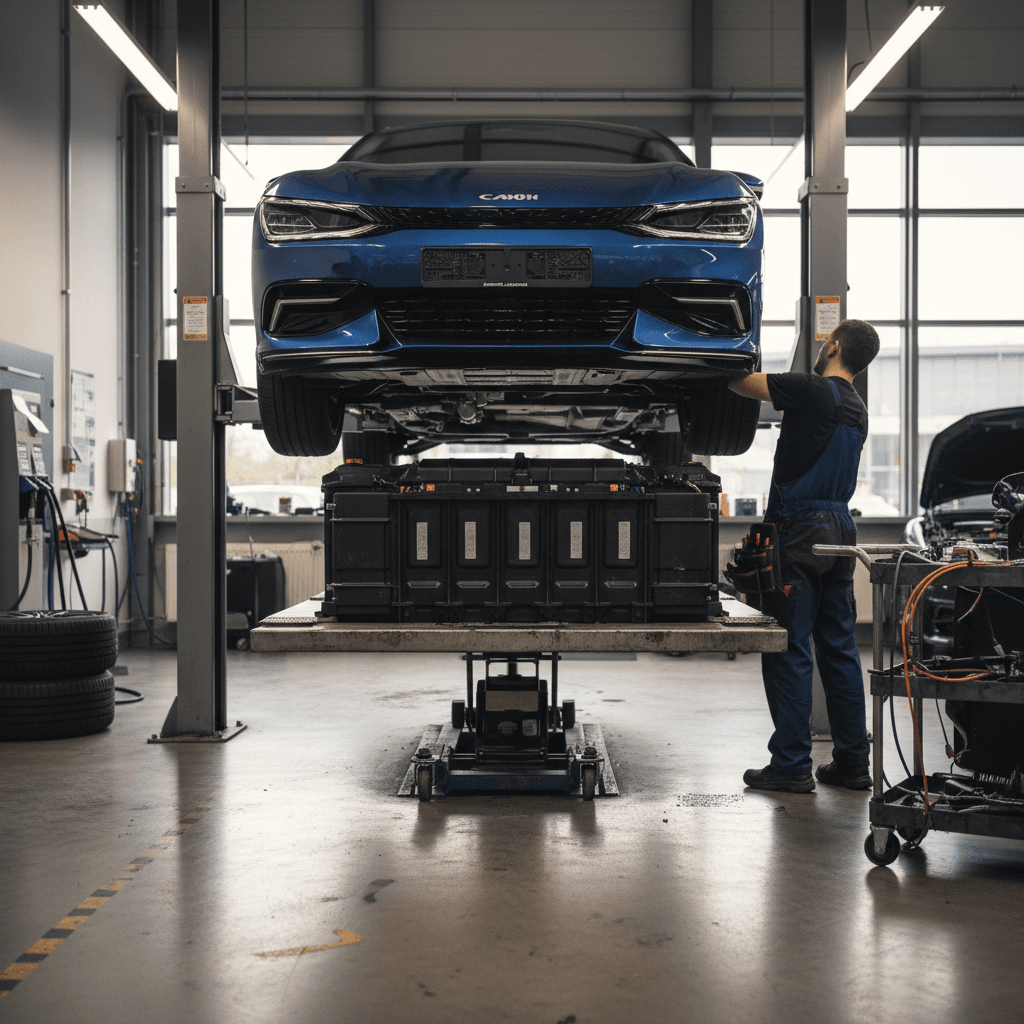
Used Kia EV6 in 2026: what to check before you worry
If you’re shopping used in 2026, you’re probably more worried about the **idea** of a $15,000 battery than the day‑to‑day reality of owning the car. The good news: you can do a lot of homework up front to keep that risk theoretical.
Essential battery checks before buying a used EV6
1. Confirm in‑service date and mileage
The EV system warranty clock starts when the car was first sold or leased, not the model year. A 2022 EV6 first sold in late 2023 has warranty coverage well into the 2030s. Verify the in‑service date and current mileage against the **10‑year/100k** limit.
2. Review battery warranty status
Check warranty status through Kia, a franchise dealer, or the vehicle’s digital records. Make sure there are no branded titles or exclusions that might void EV system coverage.
3. Pull a battery health report
Ask for a recent battery health scan or range test, ideally from a high‑voltage‑certified shop. At Recharged, every EV we list includes a <strong>Recharged Score battery health report</strong> with pack diagnostics, so you’re not guessing.
4. Look at charging history
Heavy fast‑charging, especially in very hot climates, can accelerate degradation. Frequent DC fast‑charge use isn’t a deal‑breaker, but combined with high mileage it deserves a closer look at capacity and thermal management history.
5. Inspect for crash or flood history
A clean Carfax isn’t enough. Ask specifically about underbody impacts, flood exposure, or prior insurance claims involving the battery pack. A structurally compromised pack is a future headache waiting for a claim denial.
6. Test real‑world range
On a long test drive, reset trip data and see how many miles you actually get per kWh vs the rated figure. It’s a crude but useful reality check on how healthy the battery feels in daily driving.
Why used EV6s are compelling in 2026
How Recharged helps with Kia EV6 battery risk
Battery anxiety is the tax we all pay for moving from gasoline to electrons. At Recharged, the whole business is built around making that risk legible and manageable, especially for used EV shoppers staring down phrases like “traction battery replacement.”
What you get when you shop a used EV6 with Recharged
Clarity on the battery, fair pricing, and support from people who live and breathe EVs.
Recharged Score battery health diagnostics
Every EV6 we list comes with a Recharged Score Report that includes verified battery health, charging history insights where available, and range expectations you can actually believe. No vibes‑based guesswork.
Fair market pricing that bakes in battery reality
We benchmark EV6 pricing against current EV battery replacement costs and degradation data, so you’re not overpaying for a car that’s quietly lost a third of its range.
Financing, trade‑in, and EV‑savvy guidance
Our team helps you structure the deal, financing, trade‑ins, instant offers or consignment, in a way that keeps total cost of ownership sane, even if you’re planning to keep the EV6 well into its out‑of‑warranty years.
Nationwide delivery & Richmond Experience Center
Shop and buy your EV6 entirely online with nationwide delivery, or visit our Experience Center in Richmond, VA to get hands‑on with used EVs and talk through battery questions with specialists.
Ready to find your next EV?
Browse VehiclesThe **Kia EV6 battery replacement cost in 2026** is undeniably real, roughly $10,000–$15,000 for a full pack in a worst‑case, out‑of‑warranty situation. But the odds of you ever paying that bill are lower than the headlines suggest, thanks to long Kia battery warranties, robust modern pack design, and a growing ecosystem of EV specialists and refurbished parts. If you understand the warranty, read the battery’s vital signs, and price the car accordingly, the EV6 isn’t a ticking time bomb, it’s just a quick, quiet crossover with a very expensive part you almost certainly will never have to buy.