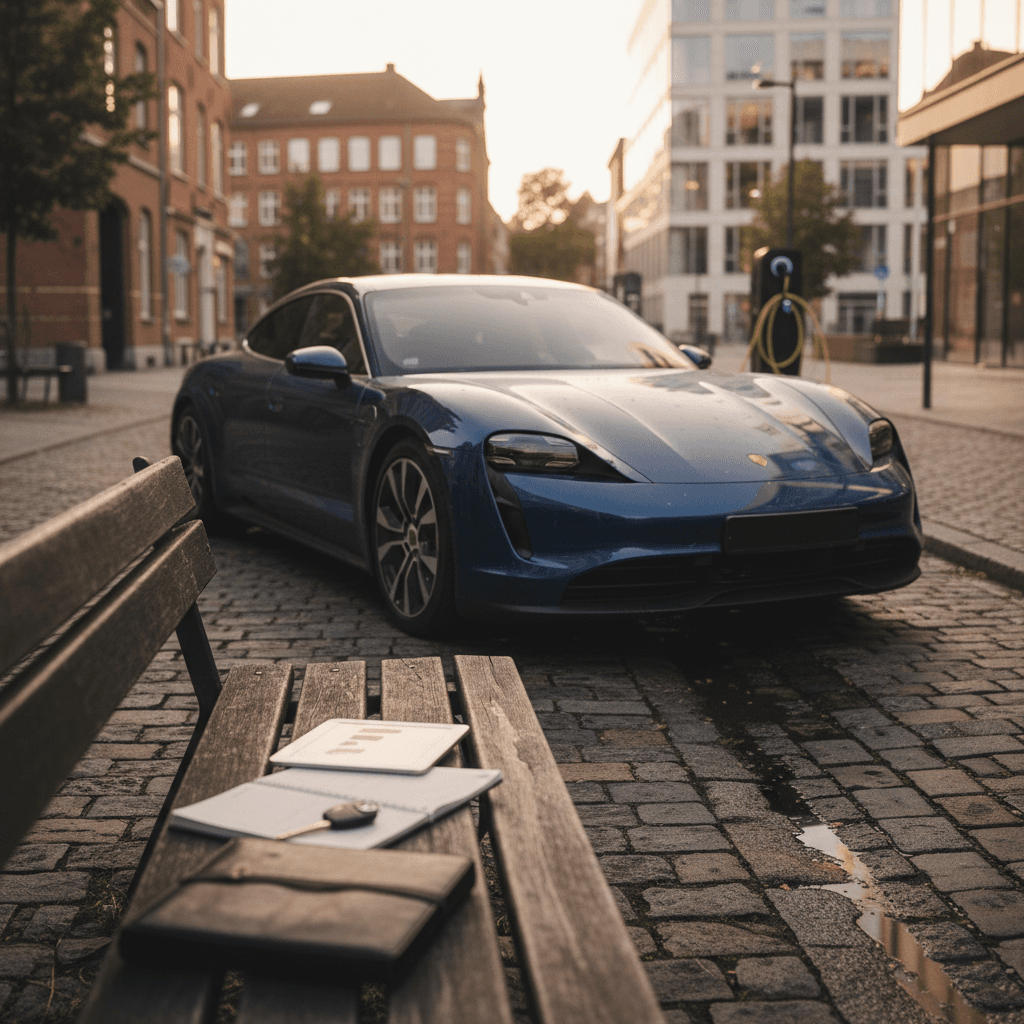
If you’re eyeing a sleek electric Porsche and wondering, **“Is a Porsche Taycan worth buying in 2026?”**, you’re not alone. Early cars looked gorgeous but lagged in range, charging and sometimes reliability. The heavily updated 2025 Taycan changes a lot of that, while the used market is suddenly full of tempting, depreciated examples. Let’s unpack what that really means for you in 2026.
Quick Take
Overview: Is the Taycan Worth It in 2026?
Porsche Taycan 2026 Snapshot
In 2026, the Taycan sits in a very different place than it did when it launched. The **2025 refresh** brought more power, more range and much faster charging, while the North American charging landscape shifted with widespread **NACS access to Tesla Superchargers** for non‑Tesla EVs. On the other side of the ledger, we now have a clearer picture of **maintenance costs, reliability quirks and depreciation**.
- If you want the **sharpest‑driving luxury EV sedan or wagon**, the Taycan is still the class benchmark.
- If you’re obsessed with **range per dollar** or ultra‑low running costs, a Tesla Model 3/Model Y or Hyundai Ioniq 6 may suit you better.
- If you’re budget‑conscious but dream of a Taycan, a **used, inspected example** can be a fantastic buy, this is exactly where a platform like Recharged shines.
Tip for 2026 Shoppers
What’s New: 2025 Taycan and Why It Matters for 2026 Buyers
The 2025 model year brought the Taycan’s first major refresh, and if you’re shopping in 2026 this update is a big deal, even if you’re buying used. Many of the 2025 upgrades address the early car’s weak spots.
Key 2025 Taycan Upgrades
These changes reshape the value equation for 2026 buyers
Bigger, Smarter Battery
The Performance Battery Plus grows to roughly 97 kWh usable, up from ~84 kWh in earlier cars. Range increases dramatically, Porsche quotes up to around 274–318 EPA miles depending on trim and configuration.
Faster DC Fast Charging
Peak charge power rises to about 320 kW on 800‑V DC fast chargers, and the car can hold higher power longer. Porsche quotes roughly 10–80% in about 18 minutes under ideal conditions.
Quicker Across the Board
Every 2025 Taycan trims its 0–60 mph time. The base rear‑drive car drops into the mid‑4‑second range, while the Turbo S can dip into the low‑2‑second zone with launch control.
Efficiency Tweaks
Aero updates, revised cooling and software changes improve real‑world range. Independent highway tests have seen the 4S sedan jump from around 220 to 330 miles in identical conditions.
Improved Charging Behavior
The car now begins high‑power fast charging at lower pack temperatures and manages its charge curve more intelligently, reducing time spent on the plug in typical road‑trip use.
More Standard Kit
Driver‑assist, comfort and tech features like lane‑change assist, heated steering wheel, ambient lighting and dual power charge ports become standard on many 2025 models, raising baseline value.
Why This Matters for Used Buyers
Range and Charging: Real-World Taycan Living
Range: Early Cars vs 2025 Refresh
Early Taycans were famous for brilliant handling and infamous for modest range. Depending on trim, many 2020–2022 cars carried EPA ratings in the 200–246‑mile neighborhood, and real‑world highway range often matched or slightly lagged those numbers.
The 2025 refresh shifts that story. A base rear‑drive Taycan with the smaller battery can now reach into the **mid‑200‑mile EPA range**, while Performance Battery Plus trims and 4S/Turbo models stretch into the high‑200s and low‑300s in official ratings and independent tests.
Charging Experience
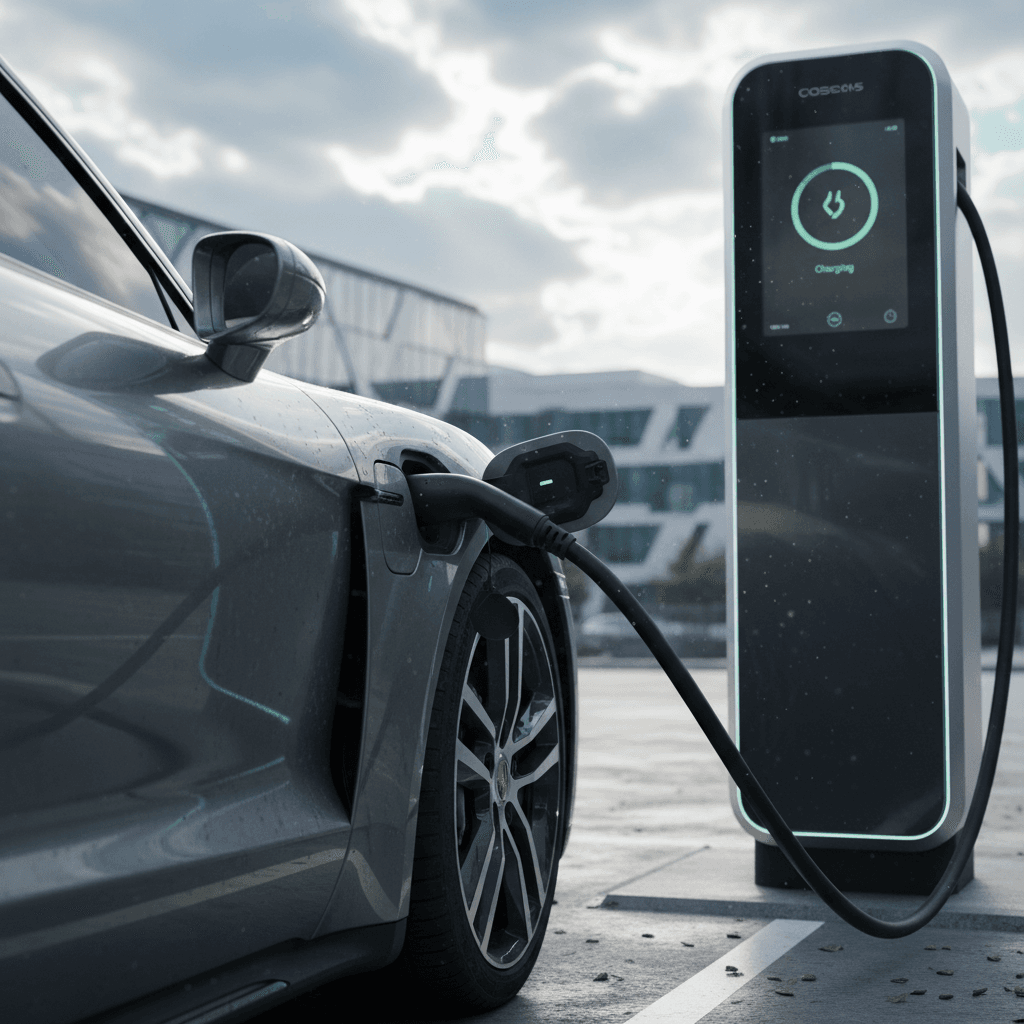
The Taycan’s party trick has always been its **800‑V architecture** and aggressive DC fast‑charge curve. Early cars already charged quickly; the updated pack improves this further.
- Best case: 10–80% in about 18 minutes on a strong 800‑V DC fast charger.
- Peak power: around 320 kW with the larger battery, and the car holds high power to a higher state of charge than most rivals.
- Home charging: Most U.S. owners use a 240‑V Level 2 charger at 9–11 kW, refilling a mostly depleted pack overnight.
Charging Network in 2026
- If most of your driving is **local commuting plus the occasional weekend trip**, any Taycan with the larger battery will feel comfortable.
- If you regularly crush **400–500‑mile highway days**, the 2025+ Taycan finally competes well on range and charge speed with the best luxury EVs, but it still won’t be the absolute range king.
- Your experience will depend heavily on **charging infrastructure where you live** and your comfort using multiple charging apps and networks.
Performance and Driving Experience: Still a Porsche
Here’s where the question, “Is a Porsche Taycan worth buying in 2026?” starts to sound almost rhetorical. If you care about **how a car feels**, the Taycan remains one of the most rewarding electric vehicles on sale, full stop.
Why Enthusiasts Love the Taycan
Where the Taycan still feels special in 2026
Sports‑Car Reflexes
Precise steering, beautifully tuned suspension and a low seating position make the Taycan feel like a proper sports sedan or wagon, not just a fast appliance.
Effortless Speed
Even a base Taycan is properly quick. Step up to a Turbo or Turbo S and you’re in **supercar territory**, with brutal but controllable acceleration.
Balanced Ride
Adaptive air suspension and smart damping deliver that classic German balance: firm control when you’re pushing, enough compliance for daily driving.
Driver‑Focused Cabin
A low cowl, clear instruments and solid switchgear make the Taycan feel purpose‑built for the person behind the wheel, not just for screen real estate.
Quiet, Solid, Refined
Road and wind noise are well‑suppressed, and the whole car feels hewn from a single block, especially compared with lighter, more minimalist EVs.
Brand & Feel
For many buyers, part of the value is intangible: **it feels like a Porsche** in ways most other EVs simply don’t.
Where the Taycan Compromises
Costs, Depreciation and Value: New vs Used Taycan
The Taycan is a luxury EV from a performance brand, so costs were never going to be economy‑car light. But the equation shifts depending on whether you’re shopping **new 2025+** or **used 2020–2023** in 2026.
New vs Used Porsche Taycan in 2026: Value Snapshot
Generalized U.S. market patterns as of early 2026 (actual prices vary by trim, mileage and condition).
| Aspect | New 2025+ Taycan | Used 2020–2022 Taycan |
|---|---|---|
| Purchase Price | Highest; luxury‑EV money, especially Turbo/Turbo S | Often 30–45% lower than original MSRP |
| Range & Charging | Best: bigger battery, 320‑kW DC fast charge, higher EPA range | Good but older tech; lower range and slightly slower charging |
| Warranty | Full new‑car coverage plus 8‑yr/100k‑mi battery warranty from in‑service date | Portion of original warranty remaining; CPO can extend coverage |
| Maintenance Plan | Optional prepaid plan; 6‑year plan for Taycan can exceed $7,000 | You may dodge early service but risk big out‑of‑pocket brakes/tires |
| Depreciation Risk | Highest in first 3–4 years | Major depreciation already taken by first owner |
| Technology & Features | Latest driver‑assist, infotainment and charging logic | Some features/updates may be missing or optional |
Use this as a directional guide, then verify real‑world pricing and battery health on an individual car basis.
Porsche publishes a national scheduled‑maintenance plan price sheet, and the Taycan sits toward the top: a **6‑year/60,000‑mile plan can run into the mid‑four‑figure range**. That’s still lower than a gasoline Porsche that needs oil changes and complex emission systems, but it’s more than you’d spend on a Tesla, Hyundai or Kia in routine service.
The Big Cost Wildcards
Where the Taycan redeems itself is in the **used market**. First owners absorbed eye‑watering depreciation on $140,000 Turbos and $100,000+ 4S models. In 2026, you can often find clean, lower‑mileage examples for money that now overlaps with well‑equipped new mainstream EVs. This is where a curated marketplace like Recharged is built to help, pricing is benchmarked against fair market data, and each car’s battery health is verified in the Recharged Score so you know whether you’re getting real value or just a pretty badge.
Reliability, Battery Health and Warranty
No getting around it: early Taycan ownership stories were mixed. Some drivers racked up tens of thousands of trouble‑free miles; others fought infotainment gremlins, on‑board charger failures or repeated dealer visits. By 2026 we have a clearer, if still evolving, picture.
What We Know So Far
Long‑term patterns emerging by 2026
Battery Degradation
Independent long‑term tests and owner data suggest the Taycan’s battery holds up well: roughly 90–94% state of health after about 60,000 miles and four years is a common pattern. That’s similar to what we see in many Teslas and other modern EVs.
Hardware & Software Issues
Reported problem areas include early 22‑kW onboard chargers, infotainment bugs, 12‑V battery glitches and occasional drivetrain or charging faults. Many issues were addressed under warranty and with software updates, but dealer experience varies widely.
Warranty Coverage
In the U.S., Taycans carry an 8‑year/100,000‑mile high‑voltage battery warranty from first in‑service date, plus a standard new‑vehicle warranty. Certified Pre‑Owned (CPO) cars add extra coverage that’s worth real money on an expensive EV.
Why Documentation Matters
Because potential repairs are pricey, a stack of **service records and recall documentation** is worth almost as much as extra options. Cars with spotty histories should be priced accordingly, or avoided.
How Recharged Helps De‑Risk a Used Taycan
How the Taycan Compares to Rivals in 2026
Tesla Model S
- Pros: Typically more range per dollar, strong Supercharger access, simpler ownership, big cargo area.
- Cons: Cabin and ride feel less special; handling is quick but not as nuanced; build quality can be inconsistent.
- Takeaway: If your top priorities are range and convenience, Tesla still makes sense. If you want a car that feels special to drive, the Taycan wins.
Mercedes EQE/EQS, BMW i5/i7, Audi e‑tron GT
- Pros: Plush cabins, quiet, tech‑heavy, sometimes more rear‑seat comfort.
- Cons: Heavier feel, less steering feel, charging performance not always on Taycan’s level.
- Takeaway: Great luxury EVs, but if you’re even asking whether a Taycan is worth it, you probably care about driving, and that’s where the Porsche shines.
Hyundai Ioniq 5/6, Kia EV6, others
- Pros: Excellent value, strong 800‑V charging, good efficiency, lower maintenance costs.
- Cons: Not as premium in feel or dynamics, less brand cachet.
- Takeaway: Fantastic choices if you want smart, efficient transport. The Taycan is for people who want that plus a sports‑car soul.
Who Should, and Shouldn’t, Buy a Taycan
Is a Taycan Right for You?
You crave a driver’s car
You care deeply about steering feel, braking, chassis balance and how a car responds on a winding road. You’ve owned performance cars before and miss that connection in many EVs.
You have solid charging access
You can reliably charge at home or work most days and have decent public DC fast charging nearby (including Tesla Superchargers via NACS access or adapter).
You understand premium-car costs
You’re comfortable budgeting for higher‑end tires, brakes and maintenance than you’d see on a mainstream EV, and you’re willing to shop for good independent shops or prepaid plans.
You’re open to buying used
You see the value in a 3–4‑year‑old Taycan that’s already taken its depreciation hit and are willing to lean on tools like the Recharged Score to separate good cars from bad bets.
Maybe not for you if…
You just want the cheapest way into an EV, you’re extremely range‑anxious, or the nearest Porsche service center is a full‑day trip away. In those cases, a mainstream EV or local‑brand dealer may be the better call.
Used Porsche Taycan Buying Checklist
By 2026, the used Taycan market is rich territory: off‑lease cars, first‑owner trade‑ins and early adopters moving to crossovers. Here’s how to stack the odds in your favor.
Step‑by‑Step: Evaluating a Used Taycan
1. Confirm battery health and fast‑charge behavior
Ask for a recent battery health report or diagnostic. On Recharged, the Recharged Score includes a verified state of health so you’re not guessing. During a test drive, watch how quickly the car accepts DC fast charge from 10–60% if possible.
2. Check warranty and in‑service date
Note when the car was first sold to understand how much of the 8‑year/100,000‑mile battery warranty remains. A 2021 car in 2026 may still have three years of high‑voltage coverage left.
3. Review service history and recalls
Look for documentation on software updates, recall work and any high‑voltage or charging repairs. Repeated charger or high‑voltage issues without clear resolution are a red flag.
4. Inspect tires, brakes and wheels
Taycans are heavy and fast; they can chew through tires and brake pads. Uneven wear, cracked wheels or heavily worn pads should either be fixed before sale or reflected in the price.
5. Test all charging ports and cables
Plug into both AC and DC fast chargers if you can. Confirm that doors open and close smoothly, cables latch properly, and there are no intermittent connection errors.
6. Decide which model year fits your needs
If you road‑trip often and budget allows, a 2025‑on Taycan with improved range and 320‑kW charging is ideal. If you mostly drive locally, a well‑priced 2020–2022 with strong battery health can be the smarter buy.
7. Use transparent pricing data
Compare the asking price to similar cars nationwide and adjust for battery health, options and warranty. Recharged’s fair‑market pricing tools and EV‑specific data make this much easier than doing it by hand.
FAQ: Porsche Taycan Worth Buying in 2026
Frequently Asked Questions
Bottom Line: Is a Porsche Taycan Worth Buying in 2026?
If you measure an EV purely by range charts and penny‑pinching running costs, the Porsche Taycan will never be the spreadsheet winner. That’s not what it’s for. In 2026, especially with the 2025 updates, the Taycan has matured into what it always wanted to be: a genuine **electric Porsche** that just happens to be practical enough to daily and charge quickly on modern networks.
For the right driver, that makes it absolutely worth buying: a car that turns errands into excuses for back‑road detours, and road trips into something you look forward to, not just endure. The key is choosing the right year and trim for your needs, then making sure the specific car you’re considering has the **battery health, service history and pricing** to back up the badge.
That’s where a transparent, EV‑focused marketplace like Recharged can tilt the odds in your favor. With verified battery diagnostics, fair‑market pricing and EV‑savvy support from first click to delivery, you can chase the Taycan you’ve been dreaming about, and go into ownership with eyes wide open instead of fingers crossed.