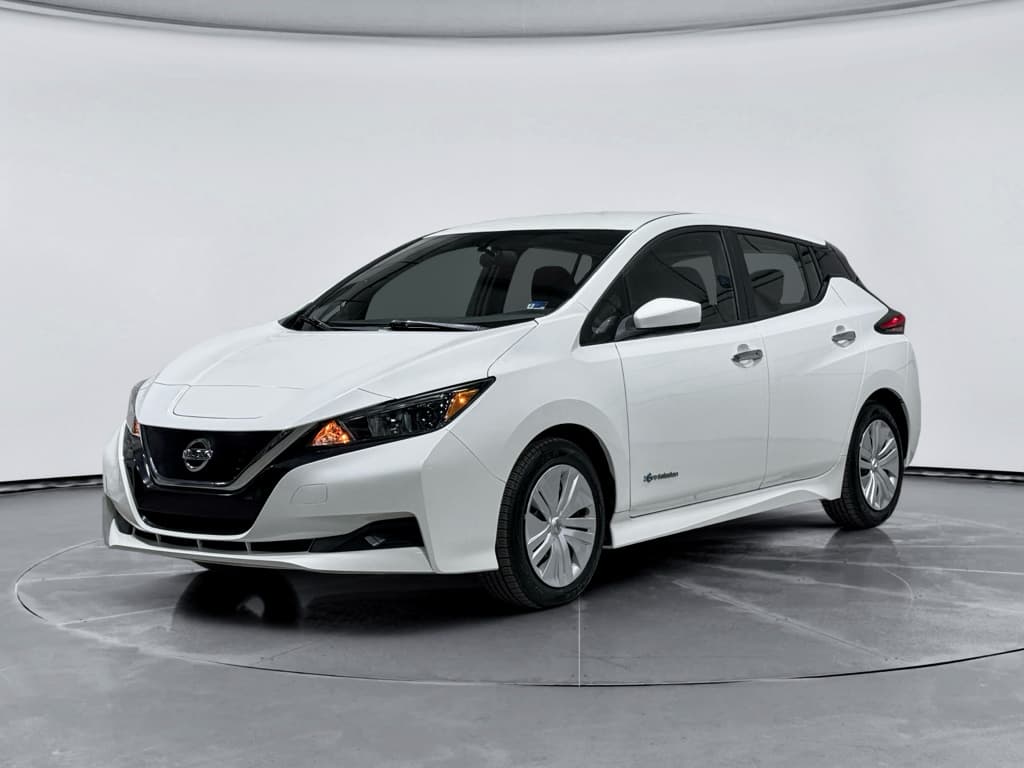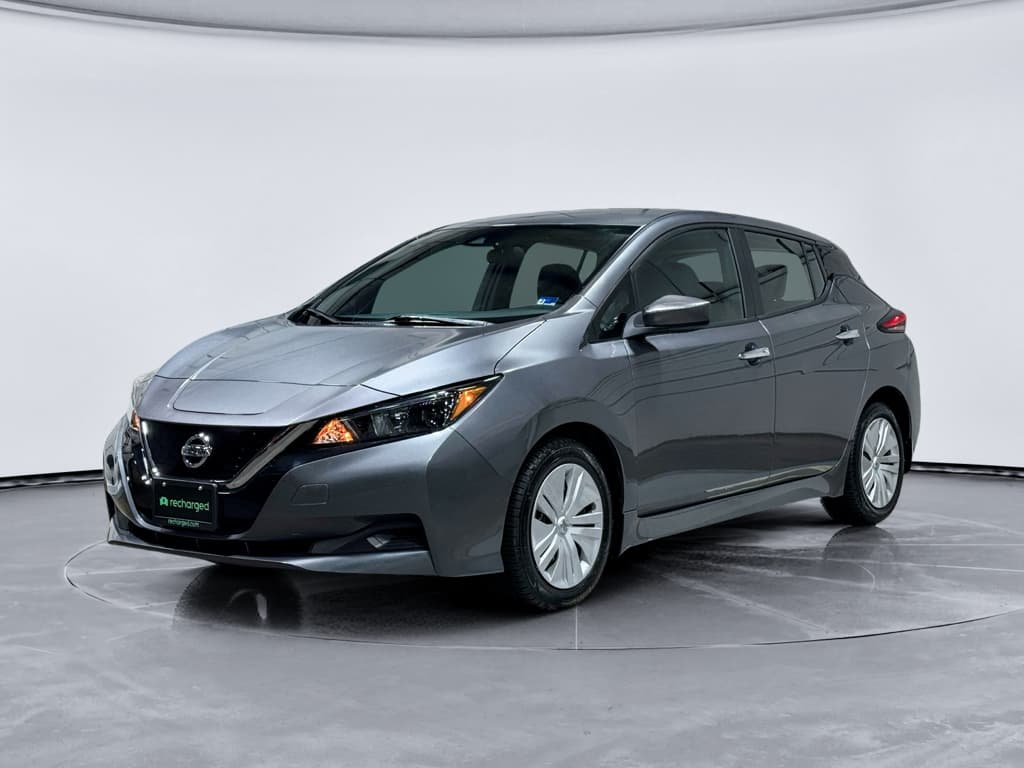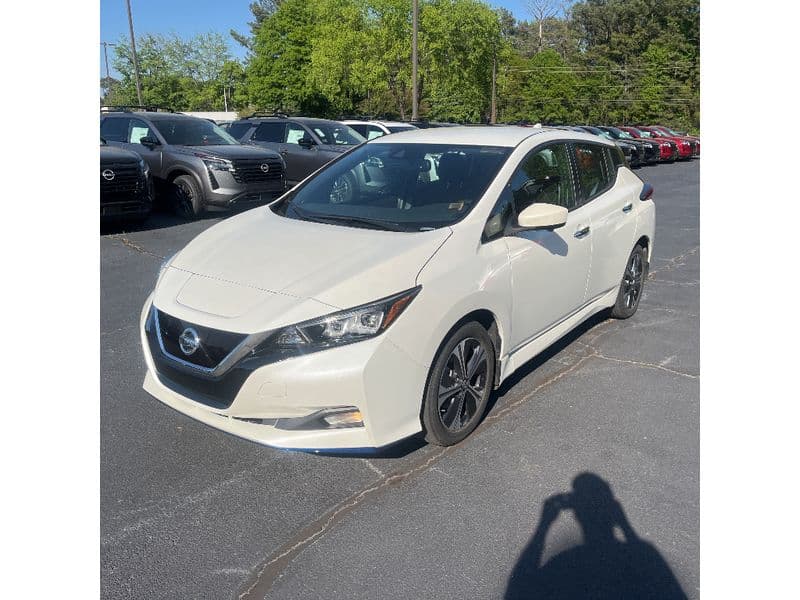
If you’re shopping for a cheap used EV in 2026, the **Nissan Leaf** keeps popping up, with prices that look almost too good to be true. So is the Nissan Leaf worth buying in 2026, or is it a future orphan with a tired battery and awkward charging plug? The honest answer: it can be a smart, low‑cost commuter **if you choose the right year, battery, and use case, and walk away from the wrong cars.**
Context for 2026 shoppers
Nissan Leaf in 2026: Worth It or Walk Away?
Why the Leaf is still tempting in 2026
- Low purchase prices compared with nearly any other used EV.
- Simple, proven drivetrain with few moving parts and low routine maintenance.
- Comfortable hatchback packaging that works well for urban and suburban duty.
- Plenty of supply from off‑lease and early‑adopter trade‑ins.
Why some shoppers should skip it
- Battery degradation is significantly worse on many early Leafs versus newer EVs.
- Legacy CHAdeMO fast‑charging is effectively a dead‑end in North America.
- Poor resale value, great when you’re buying, painful when you’re selling.
- Limited range on older, smaller‑pack cars, especially in cold climates or at highway speeds.
Quick answer: When a Leaf is worth buying in 2026
Nissan Leaf in 2026 at a glance
In **2026**, a Nissan Leaf is generally worth buying if: - You mainly drive **short daily distances** (say, 20–60 miles a day). - You can **charge at home or at work** most of the time. - You’re buying a **second‑generation (2018–2025) Leaf**, ideally with the larger 62 kWh “Plus” battery or a very healthy 40 kWh pack. - You’re taking advantage of the Leaf’s **heavy depreciation** rather than paying near‑new prices. It’s generally **not** worth buying if you road‑trip often, rely on public DC fast‑charging, live in a cold‑weather region without home charging, or are counting on strong resale value in a few years.
Rule of thumb for 2026
What you get for the money: Leaf prices in 2026
By 2026, the Leaf has become one of the **cheapest ways into an electric car**. Thanks to steep depreciation, used prices often undercut comparable gas hatchbacks.
Typical 2026 U.S. used Nissan Leaf price bands
Approximate asking price ranges for common Leaf generations in early 2026. Actual pricing varies by mileage, battery health, trim, and region.
| Model years / battery | Typical price range* | Typical EPA range when new | Good use case in 2026 | |
|---|---|---|---|---|
| 2013–2016 (24–30 kWh) | $3,500–$6,500 | 84–107 miles | Ultra‑short commutes, backup car, warm climates only | |
| 2017 (30 kWh) | $4,500–$7,500 | 107 miles | Budget city commuter; battery health is critical | |
| 2018–2020 (40 kWh) | $6,000–$10,500 | 151 miles | Primary commuter for 20–60 mi/day with home charging | |
| 2019–2021 Leaf Plus (62 kWh) | $9,000–$16,000 | 215–226 miles | Best all‑rounder Leaf; limited road trips possible | |
| 2022–2025 (40/62 kWh) | $13,000–$22,000 | 149–212 miles | Newer safety tech, warranty coverage on some cars |
Use this as a starting point, then adjust based on battery State of Health and local market conditions.
Don’t buy on price alone
Battery health: the make‑or‑break issue
The single biggest factor in whether a Nissan Leaf is worth buying in 2026 is **battery health**. Early Leafs lacked liquid battery cooling, and even later cars can show more loss than comparable Teslas or Hyundais, especially in hot climates or cars that fast‑charged heavily.
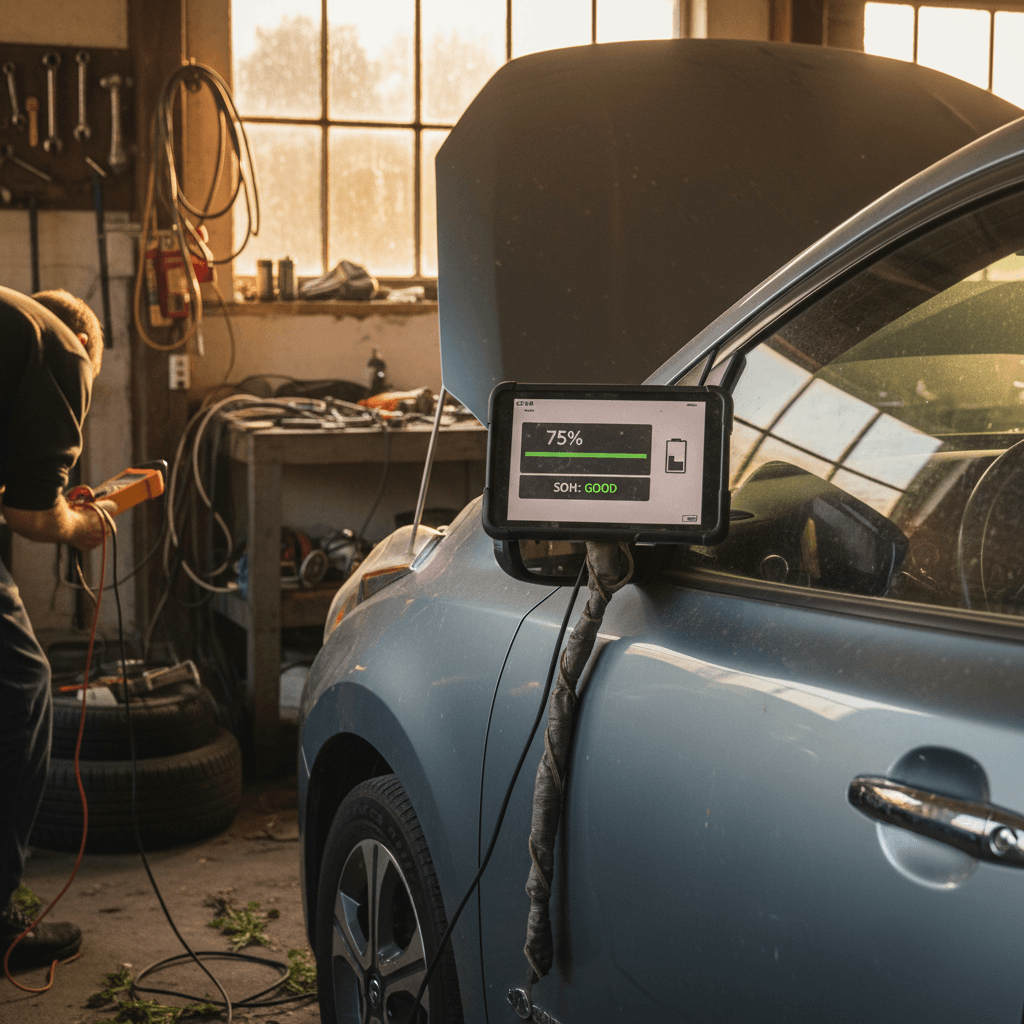
- Leaf battery health is typically expressed as **State of Health (SOH)** on a diagnostic report, often mirrored roughly by the car’s 12 capacity bars on the dash.
- Many owners report losing the first few percentage points of SOH in the **first 1–2 years**, then slower decline, but hot climates and heavy DC fast‑charging can accelerate loss dramatically.
- Real‑world range drops roughly in line with SOH, so a Leaf at 80% SOH may deliver only ~80% of its original EPA range on mild days, and less in winter or at high speeds.
Battery health targets for a 2026 Leaf purchase
Aim for 90%+ SOH on 2019–2022 cars
On newer Leafs, **90% or better State of Health** usually means you’ll get several more comfortable years of commuting before range anxiety creeps in.
Be extra picky on 2013–2017 cars
On older packs, anything below **80% SOH** can feel very limiting in daily use. In hot states, you may want 85%+ or skip these years altogether.
Check for sudden SOH drops or recalls
Uneven or sudden drops in SOH, or capacity bar loss shortly after purchase, are red flags. Review service history and ask about recall or warranty work.
Look at how the car was used
Frequent DC fast‑charging, high annual mileage, or ride‑share duty can all increase degradation versus a lightly used commuter with mostly Level 2 charging.
Never buy blind on battery health
CHAdeMO and charging: future‑proof or dead end?
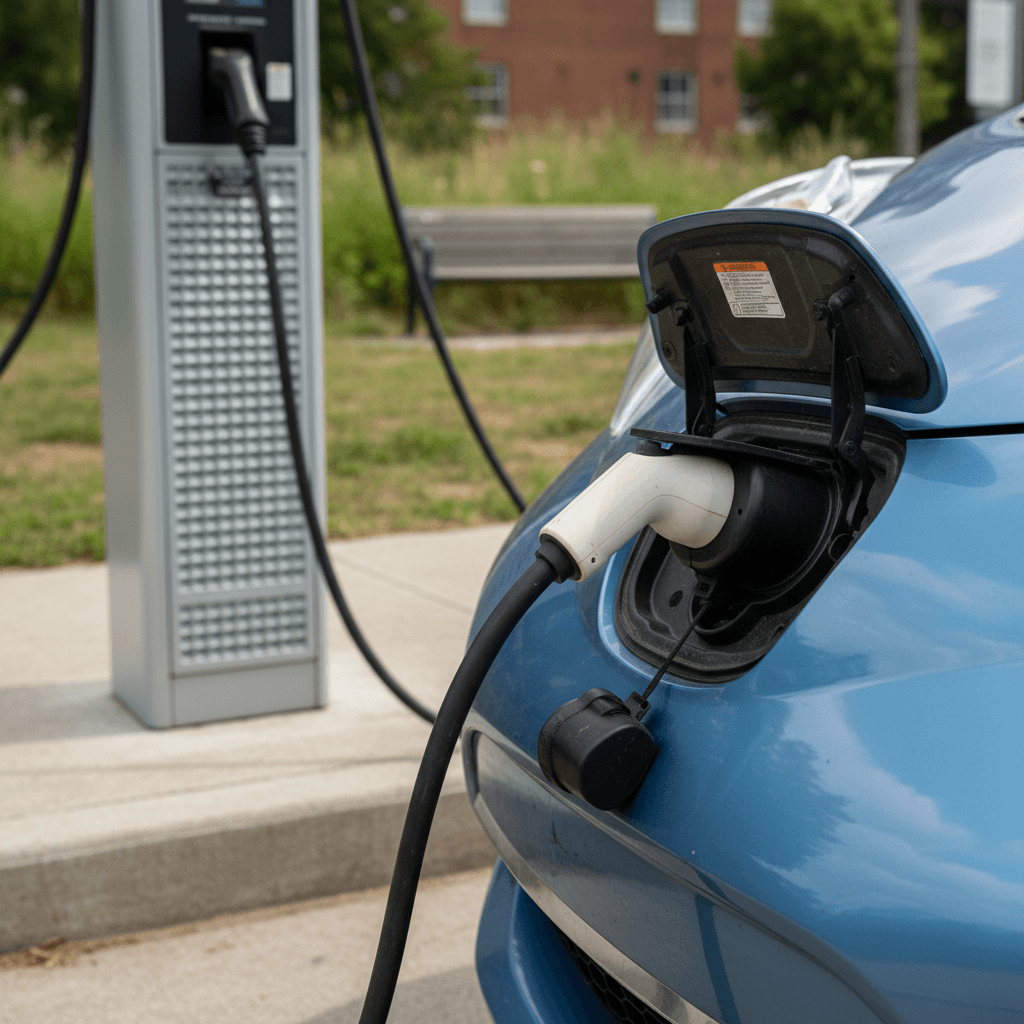
Most Leafs sold in the U.S. up through the 2025 model year use **CHAdeMO** for DC fast‑charging and J1772 for Level 2 AC charging. That was perfectly normal a decade ago. In 2026, it’s a different story: **CCS and Tesla’s NACS are now the dominant standards**, and CHAdeMO is clearly in sunset mode, though not quite dead yet.
Charging a Leaf in 2026: what it’s really like
Home charging is easy; public fast‑charging takes more planning.
Home Level 2 is easy
With a J1772 port, the Leaf works with virtually any Level 2 home charger. A 40 kWh pack can usually go from low to near‑full overnight on a 32–40 amp unit.
Public DC choices shrinking
CHAdeMO plugs are still present at many older DC fast‑charging stations, but new sites increasingly prioritize CCS and NACS. In some regions, you may find only one CHAdeMO plug per site, or none.
Road trips get tricky
Because CHAdeMO is a legacy standard and the Leaf’s range is modest, **long highway trips are stressful**. You’ll need to pre‑plan routes around remaining CHAdeMO stations and have a backup plan if a site is down or occupied.
What about the 2026+ Leaf with NACS?
Depreciation and resale value: the good and the ugly
If you’re buying a used Leaf in 2026, **depreciation is your friend**. Multiple analyses put the Leaf’s five‑year depreciation around **64%**, which is steeper than many other EVs and far worse than mainstream gas cars. For today’s buyer, that translates to thousands of dollars in savings versus a comparable Ioniq Electric, Bolt EV, or Model 3.
- A 2018–2020 Leaf that originally stickered around $30,000 can now trade hands in the **mid‑single‑digit thousands to low teens**, depending on battery and mileage.
- High depreciation means you’re less exposed to future value drops, much of the damage is already done, especially on 2018–2021 cars.
- On the flip side, if you plan to **sell again in 2–3 years**, the Leaf will likely keep lagging the broader market, especially as NACS‑equipped EVs take over.
How depreciation can work in your favor
Which Leaf model years are actually worth buying?
Not every Nissan Leaf is created equal. Battery chemistry, range, charging speed, and feature content all improved over time. In 2026, what you want is the **latest, healthiest car that still fits your budget and use case.**
Best (and worst) Nissan Leafs to target in 2026
General guidance, always confirm battery health and history on the specific car.
Generally good bets
- 2019–2021 Leaf Plus (62 kWh): The sweet spot for many buyers, 200+ miles of rated range when new, better performance, and more flexible for the occasional longer drive.
- 2018–2022 40 kWh Leafs: Solid commuter cars if you’re realistic about ~100–130 miles of usable range in mixed conditions.
- 2023–2025 Leafs: Newer safety tech and cosmetic tweaks; might still have battery warranty coverage, but pricing edges closer to other modern EVs.
Proceed with caution, or skip
- 2011–2012 (first‑gen, 24 kWh): Now very old with heavy degradation risk, especially in hot states. Only consider as ultra‑cheap, short‑range runabouts.
- 2013–2016 (24–30 kWh): Usable as city cars, but prioritize only low‑mileage examples with strong SOH and cool‑climate history.
- High‑mileage DC‑fast‑charged cars: Regardless of year, a Leaf that lived on highway fast‑charging may have a noticeably weaker battery.
Who should buy a Leaf in 2026, and who shouldn’t
Great fit for these drivers
- Suburban commuters with predictable round‑trip drives under ~80 miles and reliable home charging.
- Two‑car households that use the Leaf for commuting and errands while a gas car handles road trips.
- Budget‑focused buyers coming out of an older compact sedan or hybrid and wanting to slash fuel and maintenance costs.
- First‑time EV owners who want to learn EV ownership on a low‑risk, low‑price platform.
Poor fit for these drivers
- Frequent road‑trippers who need fast‑charging along interstate corridors multiple times a month.
- Drivers without off‑street or workplace charging who’d rely heavily on public infrastructure.
- Shoppers in very cold climates who need long winter range and can’t tolerate significant weather‑related loss.
- Buyers who expect strong resale value or plan to flip the car again in 1–2 years.
Compare a Leaf against other used EVs
Pre‑purchase checklist for a used Leaf
Essential checks before you commit to a Leaf in 2026
1. Get a real battery health report
Ask for a recent battery State of Health reading from a professional scan (or a trusted third‑party tool), and compare it with capacity bars on the dash.
2. Review charging and usage history
Look for signs of lots of DC fast‑charging, rideshare use, or extreme‑climate fleets. A gently used commuter will almost always have a better battery story.
3. Inspect for recalls and warranty work
Verify that open recalls have been addressed and review any battery‑related warranty claims. Consistent dealer care is a plus.
4. Test real‑world range on your route
If possible, take an extended test drive approximating your commute or typical weekend driving to see real‑world consumption and remaining range.
5. Evaluate local CHAdeMO coverage
Use PlugShare or network apps to map CHAdeMO stations around you. Look at how many plugs each site has and recent reliability comments.
6. Check tires, brakes, and underbody
EVs can be heavy on tires, and regen doesn’t eliminate brake wear. Inspect for uneven wear, corrosion, and damage from curbs or road debris.
How Recharged helps de‑risk a used Nissan Leaf
Because the Leaf’s value hinges so much on **battery health, charging history, and fair pricing**, buying from a marketplace that understands EVs matters. That’s precisely where Recharged is built to help.
Buying a used Leaf through Recharged
How we reduce the guesswork around older EVs
Recharged Score battery diagnostics
Every Leaf listed on Recharged comes with a Recharged Score Report that includes verified battery health data, usage indicators, and a simple explanation of what that means for your real‑world range and ownership horizon.
Fair market pricing
We benchmark each Leaf against national and regional data on depreciation, mileage, trim, and battery health so you can see why a given car is priced the way it is, before you commit.
EV‑specialist support
Recharged’s EV specialists can help you choose between a 40 kWh and 62 kWh Leaf, compare it to other used EVs, or decide whether your driving and charging situation really fits what a Leaf can do.
Ready to find your next EV?
Browse VehiclesFinancing, delivery, and trade‑ins
Through Recharged, you can line up EV‑friendly financing, get an instant offer or consignment help for your current car, and arrange nationwide delivery of a Leaf or other used EV. That keeps the whole transaction digital and transparent.
See a Leaf in person
If you’re near Virginia, you can visit the Recharged Experience Center in Richmond, VA, where EV specialists can walk you through battery reports, charging options, and what ownership will feel like day to day.
FAQ: Nissan Leaf worth buying in 2026
Frequently asked questions about buying a Leaf in 2026
Bottom line: Is a Nissan Leaf worth buying in 2026?
In 2026, a Nissan Leaf is **absolutely worth buying**, for the right person and at the right price. If your life is built around short to medium daily drives, you can plug in at home, and you’re shopping carefully for a later‑generation car with verified battery health, a used Leaf can deliver ultra‑low running costs and a gentle first step into EV ownership.
If, on the other hand, you want effortless road‑trip charging, cutting‑edge tech, or rock‑solid resale, the Leaf’s aging platform, CHAdeMO fast‑charging, and steep depreciation are real drawbacks. In that case, a used Bolt, Kona Electric, or Tesla may serve you better, even if it costs more up front.
Whichever way you’re leaning, don’t buy blind. Use a structured checklist, demand a transparent battery health report, and lean on EV‑focused marketplaces like Recharged that specialize in used EVs, not just used cars. That’s how you turn the Leaf’s reputation for heavy depreciation into an opportunity instead of a risk.