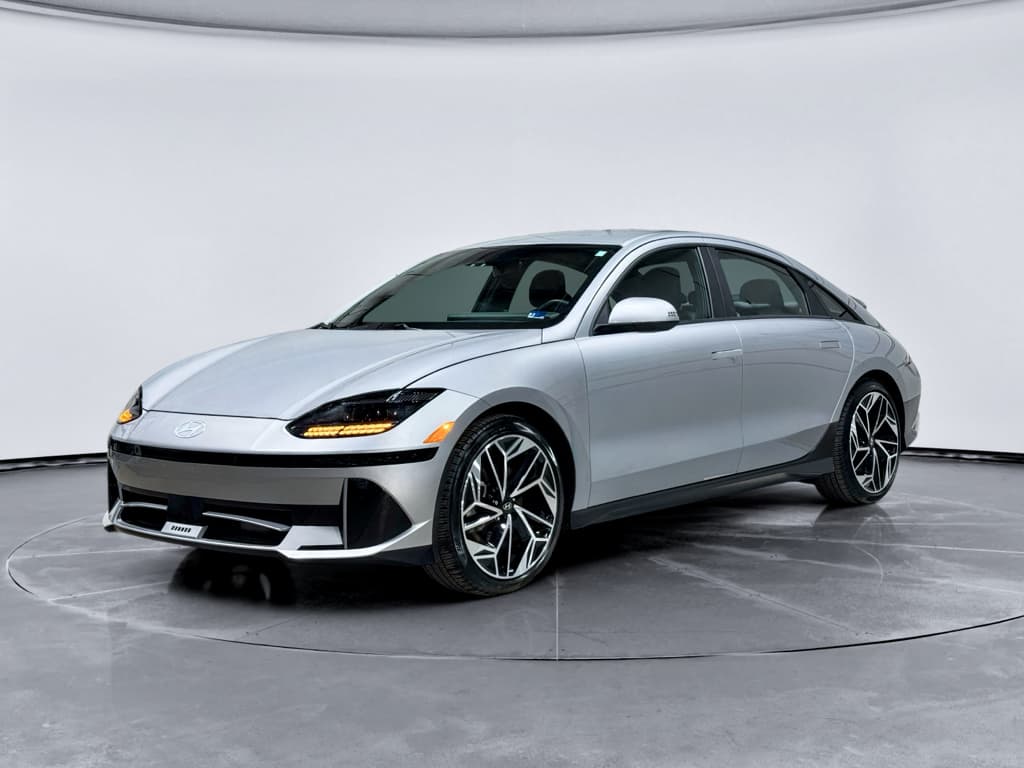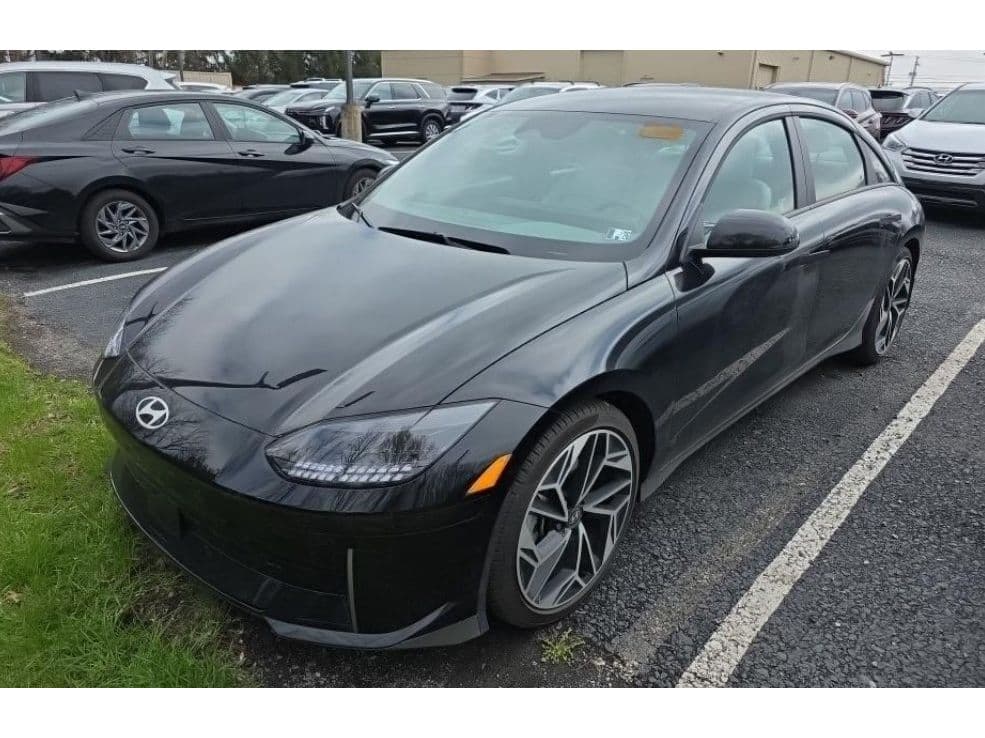
If you’re eyeing a sleek electric sedan instead of yet another SUV, the question on your mind is simple: is the Hyundai Ioniq 6 worth buying in 2026? Between aggressive discounts, fast depreciation, and new EV tech arriving every quarter, it’s fair to wonder whether this streamlined four-door is a smart place to put your money today, especially in the U.S. market.
What this guide covers
Quick answer: Is the Ioniq 6 worth buying in 2026?
Short verdict
If you value comfort, range, and design over outright performance and you’re willing to let the first owner eat the steep depreciation, the Hyundai Ioniq 6 is absolutely worth buying in 2026, especially as a used car with a clean history and strong battery health.
As a brand‑new purchase, it’s a tougher call. Big discounts and lease incentives help, but rapid EV price drops and newer tech mean the Ioniq 6 won’t hold value like a traditional gas sedan.
Who it suits best
- You want a quiet, comfortable long‑range commuter with 300+ miles of usable range in the right trim.
- You care more about interior comfort and warranty than about the flashiest software or fastest 0–60 time.
- You’re open to buying used to benefit from heavy early depreciation instead of paying for it.
If you want the hottest resale value, the biggest charging network, or a hatchback cargo opening, there are better options. But as an all‑around EV sedan, the Ioniq 6 is very competitive in 2026.
The big watch-out: depreciation
Hyundai Ioniq 6 at a glance: strengths and weak spots
Key pros and cons of the Hyundai Ioniq 6
A quick look before we go deeper
What the Ioniq 6 does really well
- Excellent efficiency and range – Long‑range RWD trims are EPA‑rated around 320–360 miles depending on wheel size and configuration, competitive with or better than many rivals.
- Ultra‑comfortable ride – Softer, more refined tuning than a Tesla Model 3; ideal for commuting and highway cruising.
- 800‑volt fast charging – In ideal conditions you can go 10–80% in roughly 18–20 minutes on a strong DC fast charger, among the best in the segment.
- Spacious cabin – Long wheelbase and flat floor give near‑mid‑size sedan space inside despite the sleek roofline.
- Long warranties – Hyundai’s 10‑year / 100,000‑mile EV powertrain and battery warranty is reassuring if you keep cars a while.
Where the Ioniq 6 falls short
- Heavy early depreciation – Discounts, price cuts, and expiring tax credits have hammered residual values on early model years.
- Trunk vs. hatchback – Unlike the Ioniq 5 or Model Y, the 6 has a traditional trunk opening, which limits bulky‑item practicality.
- Software and UX – Functional but not class‑leading; OTA updates arrive, but owners often lean on Apple CarPlay/Android Auto instead of the built‑in system.
- Lower profile model – It hasn’t caught fire in sales the way the Ioniq 5 SUV has, which can affect aftermarket support and awareness.
Hyundai Ioniq 6: core numbers U.S. shoppers care about
Range, battery, and charging in real life
On paper, the Hyundai Ioniq 6’s numbers look great. In the real world, they hold up well, especially if you choose the right trim and wheel size. For a 2026 buyer, this is one of the areas where the Ioniq 6 still feels very current.
- Most U.S. models use a ~77.4 kWh battery (usable a bit lower), with EPA ranges roughly in the 305–361‑mile window depending on whether you pick rear‑wheel drive or all‑wheel drive and which wheels you choose.
- The SE Long Range RWD is the sweet‑spot trim: strong range, lower price than Limited, and still quick enough for everyday driving.
- Real‑world owners routinely report highway ranges within shouting distance of EPA numbers when driven sensibly, helped by the car’s very slippery aerodynamics.
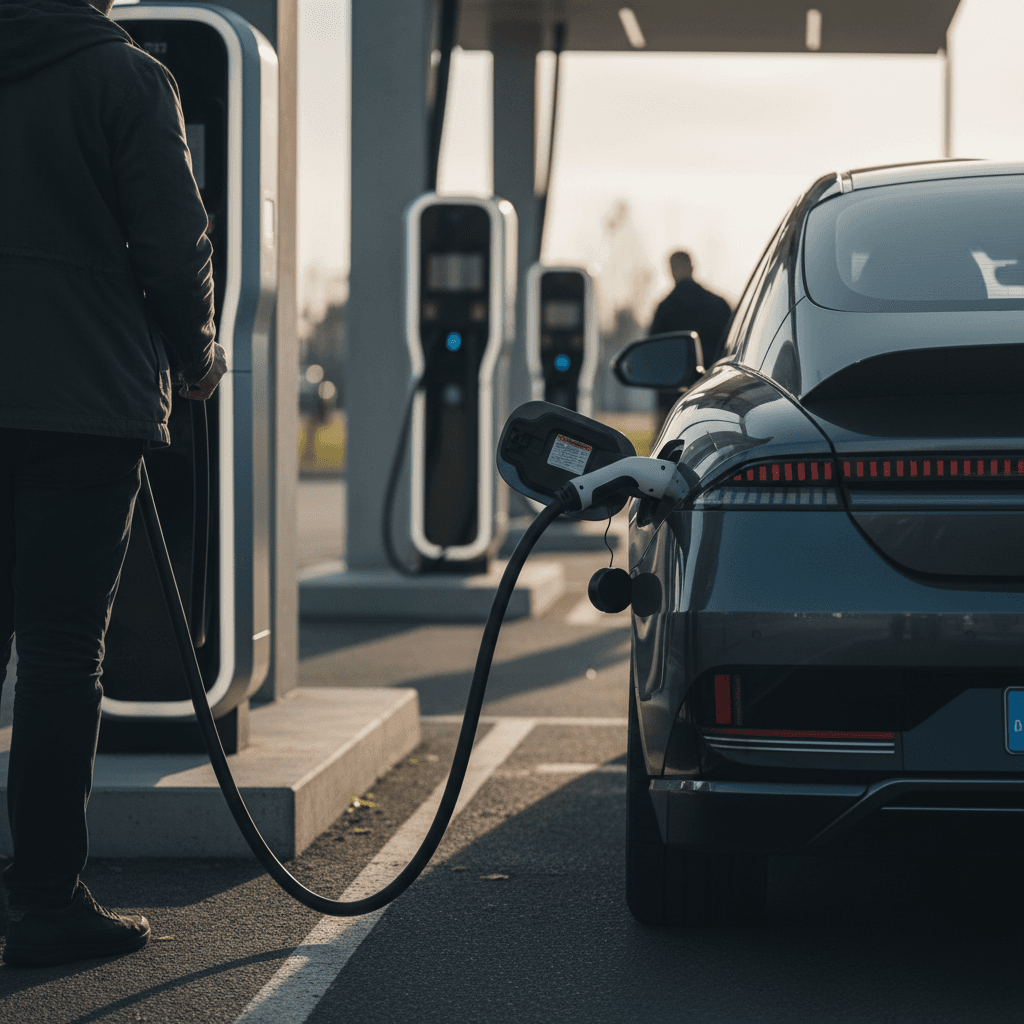
- Because of the 800‑volt architecture, DC fast charging is a genuine strength. On a capable charger, a 10–80% session in about 18–20 minutes is achievable in good conditions, very handy for road‑trips.
Trim and wheel choice matter
Hyundai has also been rolling out software updates over time to refine charging logic and infotainment. Owners in 2024–2025 have seen map and system updates arrive, though many still prefer to rely on Apple CarPlay or Android Auto for navigation and media. The good news in 2026: by now, early bugs are largely known, and you can check service records to confirm key updates were applied before you buy used.
Charging-network reality in 2026
Pricing in 2026: New vs. used Ioniq 6
Hyundai was aggressive on Ioniq 6 pricing almost from the start. For 2024, Hyundai cut sticker prices several thousand dollars versus 2023, and dealers layered on factory cash, lease rebates, and dealer discounts. That helped sell cars, but it also compressed resale values for early buyers.
How the Hyundai Ioniq 6 typically looks price‑wise in 2026 (U.S.)
Approximate market positioning; exact prices vary by region, incentives, and equipment.
| Vehicle | Typical 2026 position | What it means for you |
|---|---|---|
| New 2026 Ioniq 6 | Discounted vs. original MSRPs, often with lease deals | Good if you want latest model year and plan to lease or keep long‑term; buying cash means accepting future depreciation. |
| 2023–2025 Ioniq 6 used | Heavy early depreciation; some cars already 40–50% below original sticker by year 3–4 | Strong value if you buy carefully and verify battery health, let the first owner eat the big hit. |
| Comparable Tesla Model 3 | Generally higher resale, fewer deep discounts | Costs more to step into but likely holds value a bit better, especially in some coastal markets. |
Think in relationships, not exact dollars, numbers here are directional, not quotes.
Why 2026 is a great year to buy used
If you’re comparing a new 2026 Ioniq 6 to a similar new EV, the Hyundai will often be priced competitively but not dirt‑cheap. Where it really shines is as a lightly used purchase, especially one that originally benefited from stacked rebates and discounts, which are now already “baked into” the resale price.
How the Ioniq 6 stacks up vs. Tesla Model 3 and Ioniq 5
In 2026, the Hyundai Ioniq 6’s main rival is still the Tesla Model 3, which has gone through its own round of price cuts, interior refreshes, and tech updates. Within Hyundai’s own lineup, you should also be cross‑shopping the Ioniq 5 if you want SUV practicality.
Ioniq 6 vs. key alternatives in 2026
Sedan vs. SUV, comfort vs. resale, software vs. warranty
Hyundai Ioniq 6
- Best for: Drivers who value comfort, quiet, and range in a distinctive sedan shape.
- Pros: Smooth ride, 800‑V charging, long warranty, good efficiency, bargain as a used buy.
- Cons: Heavy depreciation, trunk opening, software not as slick as Tesla’s.
Tesla Model 3 (2025–2026)
- Best for: Buyers who care most about software, charging‑network access, and resale value.
- Pros: Tight integration with Tesla Supercharger network, strong performance, efficient, big OTA updates.
- Cons: Ride and noise levels can be harsher, interior and build quality polarize some shoppers.
Hyundai Ioniq 5
- Best for: Families and gear‑haulers who want the same platform in a more practical SUV body.
- Pros: Boxier cargo area, similar charging performance, popular in the market.
- Cons: Slightly worse aero and efficiency; may cost a bit more used than a comparable Ioniq 6.
How to choose between Ioniq 6 and Model 3
Reliability, recalls, and software experience
The Ioniq 6 is still a relatively young nameplate, but by 2026 we have several model years on the road. Broadly, it looks solid so far, with most issues being software‑ and trim‑related rather than major drivetrain failures.
- Hyundai’s E‑GMP platform underpins the Ioniq 5, Kia EV6, and other models, and early data suggests the basic motors and battery systems are holding up well.
- There has been at least one recall involving the charge‑port door on early Ioniq 6s where the flap could fail or detach. It’s more nuisance than danger, and dealers fix it at no cost, but you’ll want to confirm any recall work was completed on the specific car you’re considering.
- Owners sometimes criticize Hyundai’s infotainment speed and the cadence of meaningful OTA updates. The good news is that CarPlay and Android Auto are available and work well for most people.
- As with any EV, premature tire wear and alignment can be issues if the car has been driven hard. A used‑car inspection should include a look at tire tread, wear pattern, and suspension alignment.
Always run the VIN and check recalls
“With any newer EV, I tell shoppers to focus less on brand rumors and more on the specific vehicle in front of them: software version, recall status, and battery health matter more than online arguments about reliability.”
Who the Ioniq 6 is perfect for, and who should skip it
Great reasons to buy an Ioniq 6 in 2026
- You want a comfortable, quiet EV sedan that still feels special every time you walk up to it.
- Your commute or travel pattern makes real use of the long range and fast DC charging.
- You’re shopping the used market and can find a one‑ or two‑owner car with verified battery health and completed recalls.
- You like the idea of a 10‑year powertrain and battery warranty backing up your purchase.
When you might look elsewhere
- You need maximum cargo flexibility. In that case, the Ioniq 5, Kia EV6, or a Tesla Model Y or other hatchback/SUV may better suit your lifestyle.
- You want the strongest resale value possible. The Ioniq 6 is improving, but Tesla and some rivals typically do better on residuals.
- You’re extremely picky about in‑car software and app ecosystems. A Tesla or some newer‑software‑focused EVs might serve you better.
Buying checklist for a 2023–2026 Hyundai Ioniq 6
Essential checks before you sign on an Ioniq 6
1. Pick the right trim and drivetrain
If range is important, prioritize an <strong>SE or SEL Long Range RWD</strong> on smaller wheels. If you live in a snowy climate, an AWD model is great, but know you’ll trade some efficiency for traction.
2. Verify battery health, not just mileage
Two otherwise identical Ioniq 6s with the same odometer reading can have different battery histories. Use a third‑party battery scan or a marketplace like Recharged that provides a <strong>Recharged Score</strong> with battery health data, so you know what you’re buying.
3. Confirm recall and service history
Ask for a <strong>full service printout</strong> from a Hyundai dealer or a trusted marketplace: software updates, charge‑port recall, and any warranty repairs should be clearly documented.
4. Inspect tires, wheels, and suspension
Because EVs are heavy and have instant torque, they can be hard on tires. Check for uneven wear, curbed wheels, and any signs of suspension misalignment, especially on cars with large wheels.
5. Test real‑world charging behavior
If possible, plug the car into both AC (Level 2) and DC fast charging before purchase. Confirm the charge‑port door operates properly, and watch how quickly the car ramps up to its target charging rate.
6. Decide on your ownership plan up front
If you plan to <strong>keep the Ioniq 6 for 7–10 years</strong>, depreciation matters less and Hyundai’s long warranty becomes a big asset. If you like swapping cars every 2–3 years, consider leasing or choosing a model with stronger resale.
How Recharged helps if you buy an Ioniq 6 used
With an EV like the Ioniq 6, the difference between a great used car and a headache usually comes down to information. That’s exactly what Recharged was built to provide.
Why shop for a used Ioniq 6 through Recharged
Transparency around battery health and value matters more with EVs
Recharged Score battery diagnostics
Fair market pricing & depreciation insight
Financing, trade‑in & delivery support
Ready to find your next EV?
Browse VehiclesMake depreciation work for you, not against you
FAQ: Hyundai Ioniq 6 buying questions for 2026
Frequently asked questions about buying an Ioniq 6 in 2026
Bottom line: Should you buy a Hyundai Ioniq 6 in 2026?
Taken as a whole, the answer to “is the Hyundai Ioniq 6 worth buying in 2026?” is yes, with some important conditions. As a brand‑new purchase, you should negotiate hard, consider leasing, and go in with eyes wide open about future price drops. As a used buy, though, the Ioniq 6 is one of the most compelling EV sedans available: long range, fast charging, a pleasant driving experience, and a design that still turns heads.
If you’re the kind of driver who values a calm cabin, excellent efficiency, and a strong warranty more than having the flashiest software or the trendiest badge, the Ioniq 6 deserves a serious look in 2026. Focus on the right trim, verify battery health and recall status, and let the early depreciation work in your favor. And if you’d like help finding a well‑vetted example, Recharged’s combination of Recharged Score battery diagnostics, fair‑market pricing, EV‑savvy financing, and nationwide delivery can make the whole process far less stressful, and far more transparent, than going it alone.