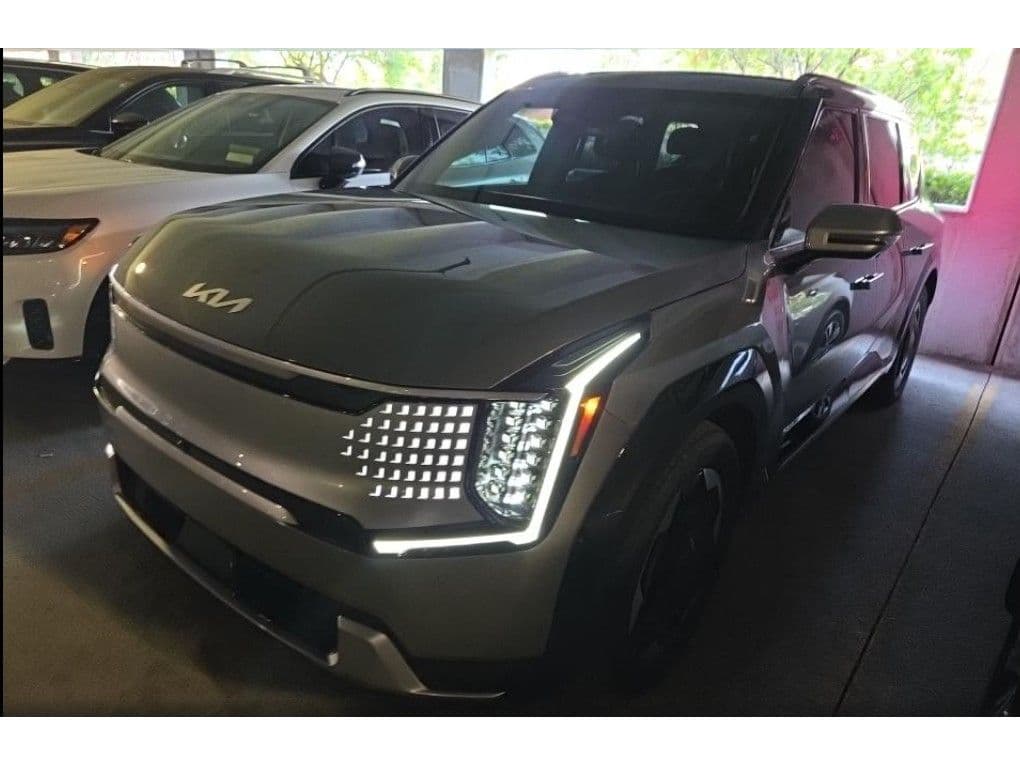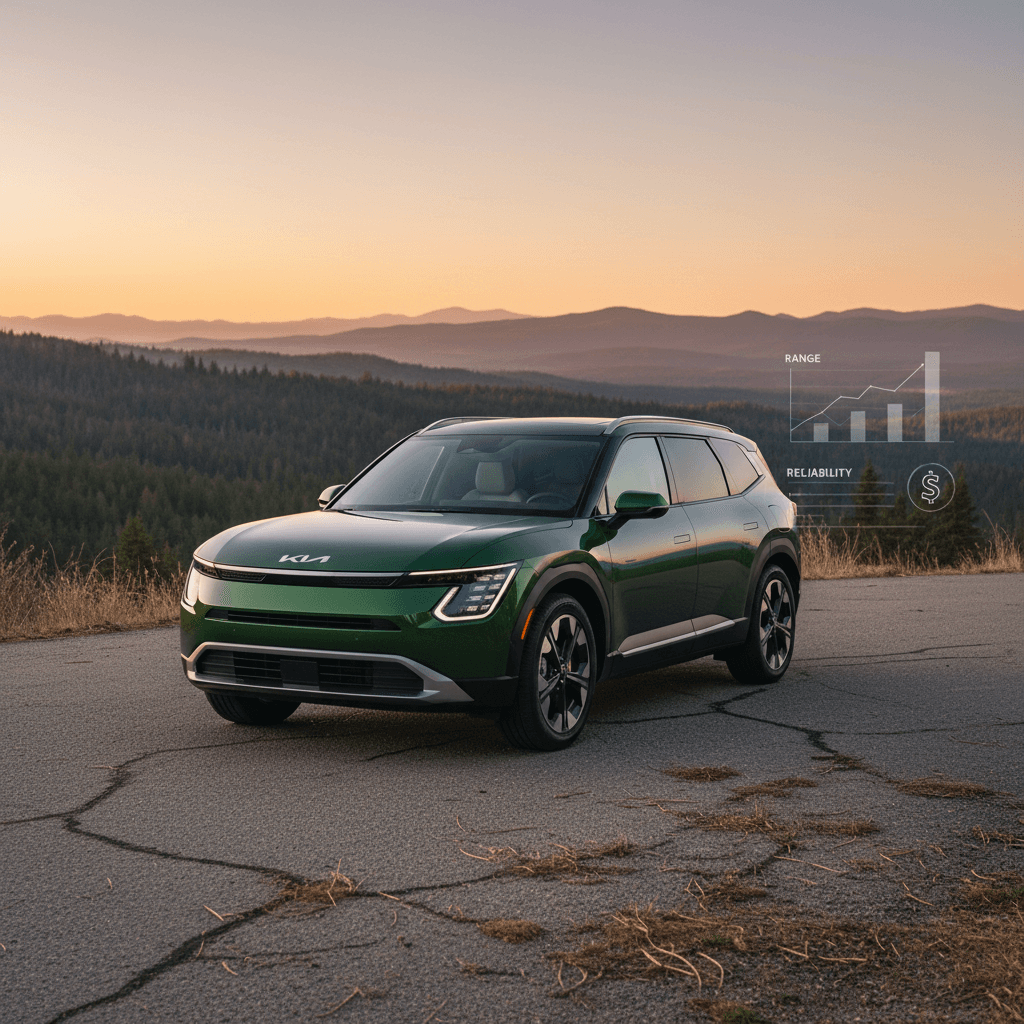
If you want a three-row electric SUV, your shortlist is tiny, and the 2026 Kia EV9 is probably at the top. The question isn’t just “is the 2026 Kia EV9 a good buy,” but “is it the right buy for how you actually live and drive?” This guide walks through pricing, range, charging, reliability, and used‑market alternatives so you can decide with eyes wide open.
Quick answer
Who the 2026 Kia EV9 Is (Actually) a Good Buy For
Best-Fit Buyers for the 2026 Kia EV9
If you see yourself in one of these profiles, the EV9 may make sense, if the numbers pencil out.
Growing families
You regularly use three rows, need room for kids and gear, and want to get out of minivans and full‑size gas SUVs.
- Car seats plus third-row passengers
- Road trips with luggage
- Quiet, comfortable commuting
Road‑trippers near fast chargers
You live near DC fast charging corridors (or have home Level 2) and do a couple of long trips a year.
- Comfort matters more than 0–60 bragging rights
- You’re willing to plan charging stops
Value‑driven EV shoppers
You want a luxury‑feeling cabin without luxury‑brand pricing, and you’re comfortable trading brand prestige for more features per dollar.
- Panoramic screens and driver assists
- Comfortable ride and quiet cabin
If you’re a single commuter who rarely uses a third row or you live in an apartment with no realistic charging access, the 2026 EV9 is probably not your best buy. In that case, a smaller, more efficient EV, or a used EV at a lower entry price, will feel a lot smarter.
2026 Kia EV9 Pricing, Trims, and Value Story
2026 Kia EV9 at a Glance
2026 Kia EV9 Trims and Key Highlights
Exact specs vary by configuration; always confirm details and destination charges with a dealer before negotiating.
| Trim | Drivetrain | Est. Range* | Positioning |
|---|---|---|---|
| Light Standard Range | RWD | Lower 200s mi | Entry model, smaller battery, best price but shortest range. |
| Light Long Range | RWD | Up to ~305 mi* | Max range for highway commuters willing to skip AWD. |
| Wind | AWD | High 200s mi | Better traction, more features, solid middle ground. |
| Land | AWD | High 200s mi | Comfort and tech focus, more premium interior touches. |
| GT‑Line | AWD | Around 280 mi | Most performance and features, highest price. |
Prices are approximate U.S. MSRPs for 2026 model year and may vary by region and incentives.
MSRP vs. real transaction price
On paper, the 2026 Kia EV9 undercuts most luxury‑brand three‑row EVs, but it’s still an expensive vehicle. By the time you’re looking at a well‑equipped AWD Land or GT‑Line, you’re in the same financial neighborhood as high‑spec gas SUVs and some luxury EVs. That makes value comparisons, and your time horizon for ownership, critical.
Range and Charging: Does the EV9 Fit Your Driving Pattern?
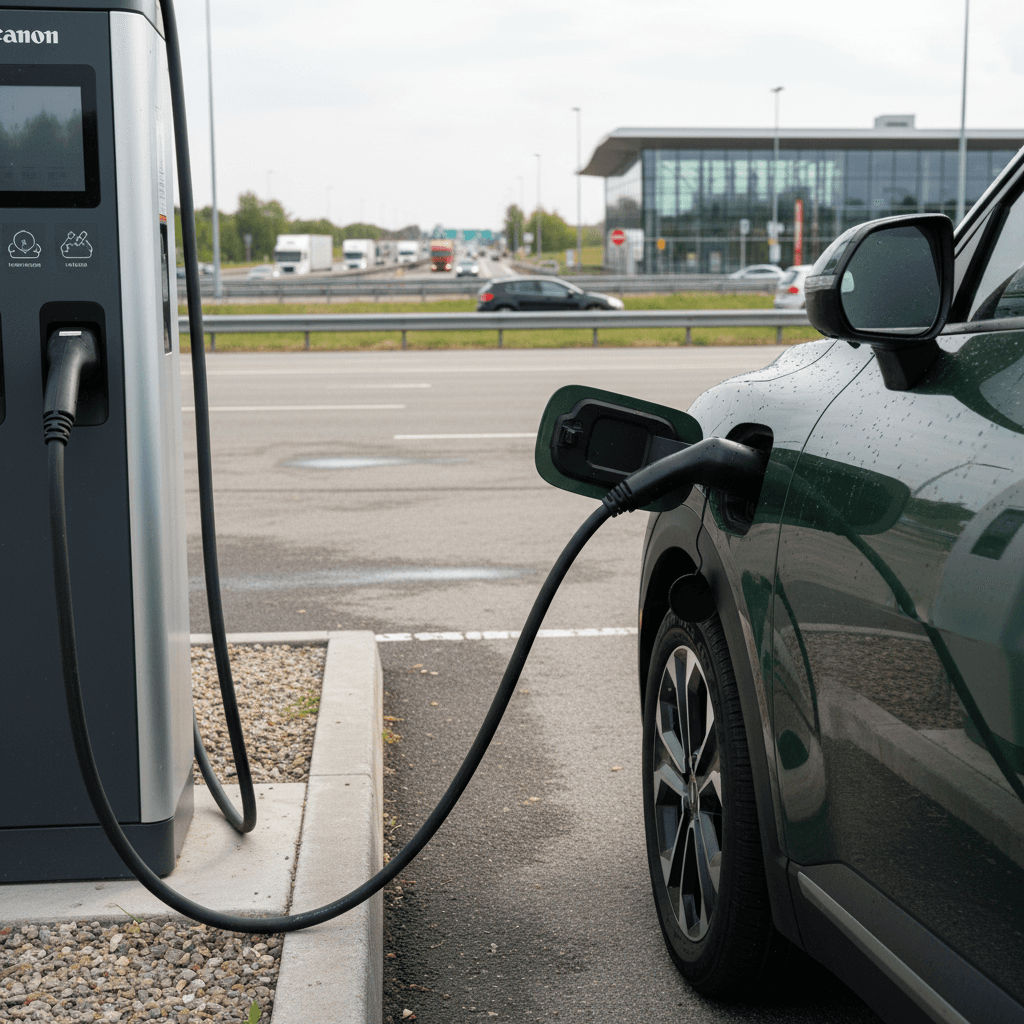
Range and charging are where the EV9 goes from “interesting” to “this might actually work for my family.” Kia estimates up to about 305 miles of range on select 2026 Light Long Range trims, with most AWD models landing in the high‑200‑mile neighborhood in ideal conditions. Real‑world range will be lower at highway speeds, in cold weather, or when you’re hauling a full crew and cargo.
- Most U.S. drivers cover under 40 miles per day; even the shorter‑range EV9 trims can comfortably handle typical commuting on a single charge.
- Highway road trips will generally require one or more charging stops per travel day, depending on distance, terrain, and weather.
- A home Level 2 charger (240 V) turns the EV9 into a “fill up while you sleep” vehicle, dramatically improving day‑to‑day convenience.
- If you rely mainly on public DC fast charging, factor those costs, and station availability at your regular routes, into your decision.
A practical range test
Early Reliability and Battery Concerns: Red Flag or Internet Noise?
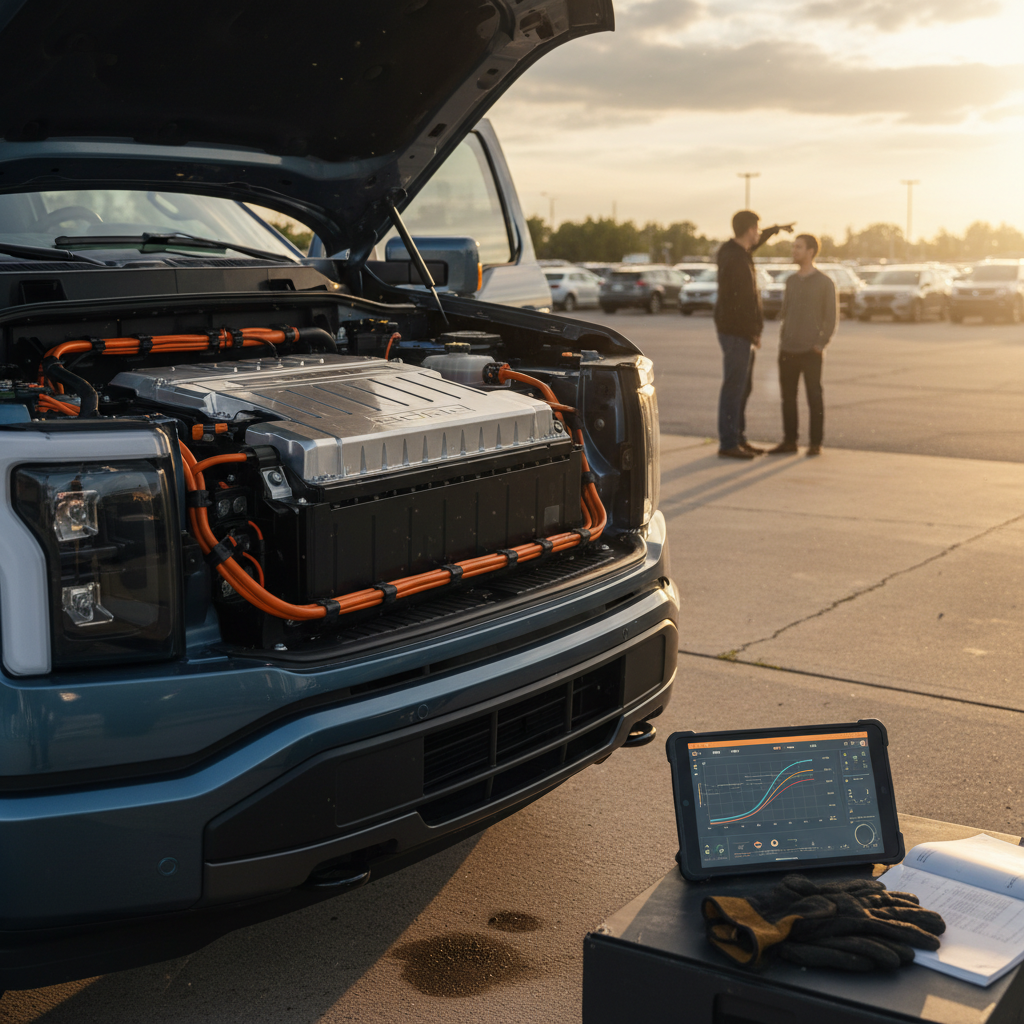
This is the hard part of the “is the 2026 Kia EV9 a good buy” question. Early‑build EV9s (2024–2025) have already generated a mix of excellent owner feedback on comfort and drivability, and concerning stories about battery pack failures, long repair times, and software glitches. Consumer‑level reliability data is still limited because the model is young, but the signal is noisy enough that you should factor it in.
How to Think About EV9 Reliability in 2026
Don’t panic, but don’t ignore early warning signs, either.
The reassuring side
- Many owners report zero issues over the first year and tens of thousands of miles.
- Kia’s high‑voltage battery warranty is among the better ones on paper, with capacity protections built in.
- Some early software‑related issues have been addressed via over‑the‑air updates and recalls.
The concerning side
- Documented cases of main battery pack failures on early EV9s and other E‑GMP vehicles (like EV6), sometimes at relatively low mileage.
- Owners reporting months‑long waits for battery replacements due to parts and technician bottlenecks.
- Consumer‑facing reliability scores for early model years tracking below average so far.
Why this matters financially
This doesn’t automatically make the 2026 EV9 a bad buy, but it does change the smartest way to buy. Two strategies stand out: lease rather than buy so you’re not holding the bag on long‑term reliability, or buy used with transparent, independently verified battery‑health data rather than trusting dashboard estimates alone.
Ownership Costs, Incentives, and Depreciation
Running costs
- Electricity vs. gas: Powering an EV9 from home Level 2 charging is typically cheaper per mile than fueling a comparable gas SUV, especially if you can use off‑peak rates.
- Maintenance: No oil changes and fewer moving parts can mean lower routine maintenance, though tires and brakes still matter, especially on a heavy three‑row EV.
- Public fast charging: DC charging can be more expensive than home charging; prices vary widely by network and region.
Incentives and depreciation
- Tax credits: Depending on how the 2026 EV9 is configured and built, you may or may not qualify for federal or state EV incentives at the point of sale. Check current rules carefully before you assume a rebate.
- Depreciation: Early EV9s, like most EVs, are expected to depreciate faster than equivalent gas SUVs. That’s painful if you buy new, but great if you’re shopping used in a couple of years.
- Insurance: Large EV SUVs can be more expensive to insure than smaller crossovers. Get quotes before you commit.
How used EVs can flip the math
Ready to find your next EV?
Browse Vehicles2026 Kia EV9 vs. Rivals: Where It Shines and Where It Doesn’t
How the 2026 Kia EV9 Compares to Key Alternatives
Not an exhaustive spec sheet, but a directional view of how the EV9 stacks up against other family‑sized EV options.
| Model | Seats | Approx. Max Range | Core Strength | Potential Drawback |
|---|---|---|---|---|
| Kia EV9 | 6–7 | Up to ~305 mi | True three‑row EV with strong tech and comfort at non‑luxury‑brand pricing. | Early reliability questions and higher energy consumption than smaller EVs. |
| Hyundai Ioniq 9 (expected peer) | 3 rows | Similar ballpark | Sibling E‑GMP platform with different styling and tuning. | Availability and pricing may vary; brand preference plays a big role. |
| Tesla Model X | 3 rows | High 300s mi (approx.) | Very strong fast‑charging ecosystem and software; quick and efficient. | Much higher price when new; controversial styling and build quality reports. |
| Volvo EX90 / similar luxury EVs | 3 rows | High 200s to 300s mi | Premium interior, safety focus, strong brand cachet. | Higher transaction prices and often higher insurance/repair costs. |
| Smaller 2‑row EV SUVs (Model Y, EV6, etc.) | 5 | 250–330+ mi | More efficient, cheaper to buy and run, easier to park. | No real third row; may not meet family‑space needs. |
Combine this high‑level comparison with real test‑drives and up‑to‑date pricing before you decide.
Segment reality check
When a Used EV9 (or Other Used EV) Makes More Sense
Because large new EVs start expensive and tend to depreciate faster than gas models, the smart‑money move for many shoppers will be to let someone else eat the steepest years of depreciation and buy used instead, especially if you can validate battery health rather than guessing.
Signs You Should Consider a Used EV9 or Other Used EV
1. Your budget is tight vs. MSRP
If a new 2026 EV9 payment stretches you, a lightly used EV9 or a smaller used EV can deliver most of the experience at a much lower monthly cost.
2. You’re flexible on brand and exact model
If what you really want is an efficient, comfortable electric family hauler, you might find better value in a used EV6, Model Y, or similar, even if they lack a full third row.
3. You’re nervous about first‑wave reliability
Buying a used EV9 that’s already had any infant‑mortality issues addressed can be less stressful than being the first owner of a brand‑new model year.
4. You care deeply about battery health transparency
Most automakers only give you a percentage number on the dash. <strong>Recharged</strong> goes further with our <strong>Recharged Score</strong>, using independent diagnostics to verify real‑world battery health and range potential on every EV we list.
How to Shop Smart for a 2026 or Used Kia EV9
Step‑by‑Step: Making a Smart EV9 Decision
1. Map your real use cases
Write down how often you use three rows, your typical daily mileage, and your longest regular trips. If you rarely need that third row, consider smaller EVs first.
2. Price out total cost, not just payment
Get quotes for insurance, electricity (or charging), and realistic maintenance, then compare the EV9’s total monthly cost to a couple of gas and EV alternatives.
3. Verify charging access
If you own your home, confirm you can install a Level 2 charger. If you rent, honestly assess how available and convenient nearby chargers are. The EV9 only feels like a good buy if charging fits your life.
4. Dig into reliability history
Look at owner forums and independent reliability ratings for 2024–2025 EV9s. Focus on patterns: battery issues, repair timelines, and how responsive Kia and local dealers are in your region.
5. Test‑drive competitors the same day
Drive the EV9 back‑to‑back with at least one rival (even if it’s a 2‑row) to calibrate your expectations on ride quality, noise, tech feel, and space.
6. Decide: lease new or buy used
If you want the latest tech but worry about long‑term risks, leaning toward a <strong>lease</strong> on a 2026 EV9 can cap your exposure. If you’re value‑driven, a <strong>used EV9 or other used EV</strong> with a verified battery report through a marketplace like <strong>Recharged</strong> may be the smarter move.
FAQ: Is the 2026 Kia EV9 a Good Buy?
Frequently Asked Questions About the 2026 Kia EV9
Bottom Line: Is the 2026 Kia EV9 a Good Buy?
The 2026 Kia EV9 is one of the most important EVs on sale: it takes electrification into the heart of the American family‑SUV market. For the right buyer, someone who truly needs three rows, has solid charging access, and is comfortable trading some long‑term uncertainty for short‑term comfort and capability, it can absolutely be a good buy.
But the EV9 is not a slam‑dunk for everyone. High MSRPs, early reliability questions, and fast‑moving incentives mean you should approach it with clear eyes and a spreadsheet, not just a test‑drive grin. In many cases, leasing new or shopping a used EV with verified battery health through a transparent marketplace like Recharged will give you more value and less risk than buying a 2026 EV9 outright. Whichever path you choose, let the data, and your actual daily life, answer the question of whether the EV9 is a good buy for you.