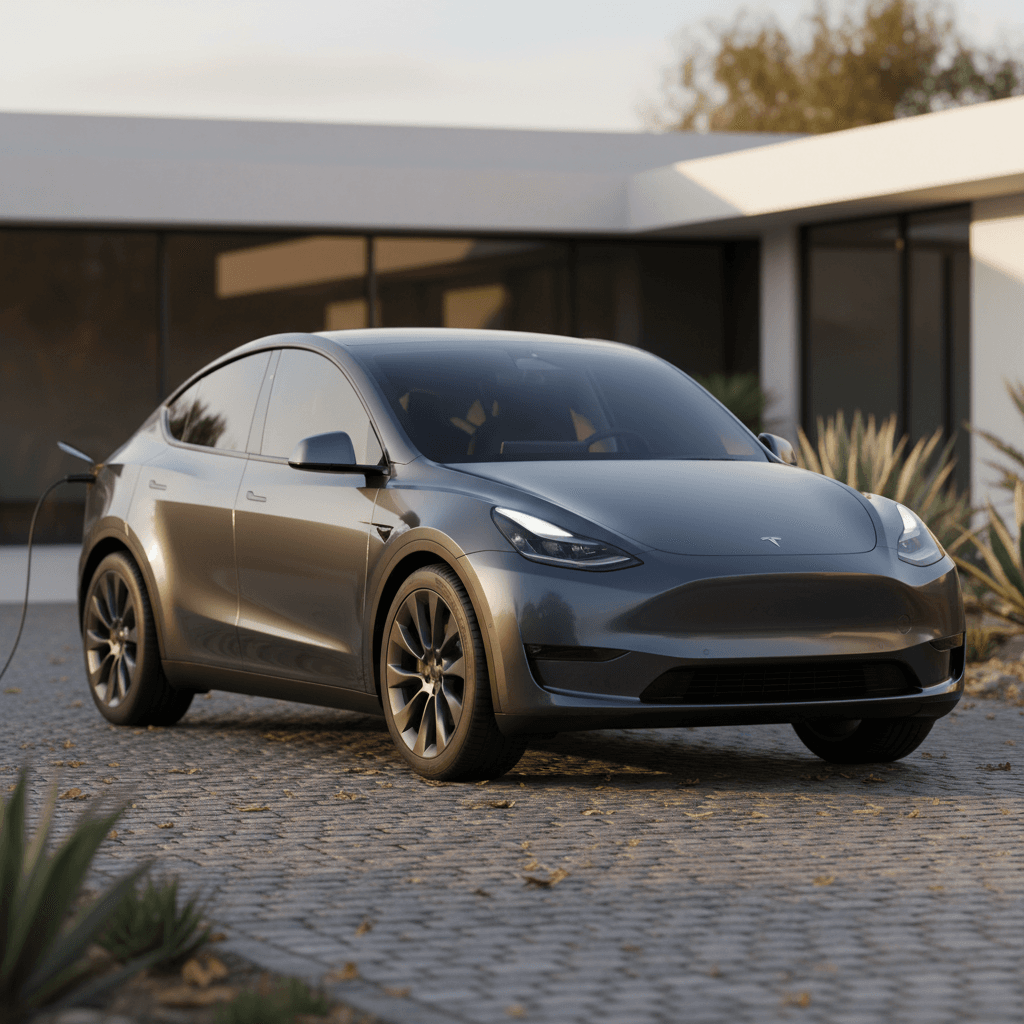
You’re not alone in wondering whether the refreshed 2025 Tesla Model Y is a good buy in 2026. It’s still one of the best‑selling EVs on the planet, but between the “Juniper” update, shifting tax credits, and a growing supply of used Model Ys, the smart move isn’t as obvious as it was a few years ago.
Context: Why this question matters now
Quick answer: Is the 2025 Model Y a good buy?
2025 Tesla Model Y at a glance
In pure product terms, the 2025 Model Y is a very good compact electric SUV. You get strong range for the money, access to Tesla’s Supercharger network, over‑the‑air software updates, and safety ratings that remain among the best in the segment. The 2025 “Juniper” refresh also fixes some long‑standing complaints about cabin noise and interior feel.
Whether it’s a good buy for you comes down to three questions: - How much do you value the updated styling and tech versus saving thousands on a used 2021–2024 Model Y? - Do you qualify for any remaining federal or state incentives on new EVs in your location? - Are you comfortable with Tesla’s direct‑to‑consumer, software‑heavy ownership model versus a more traditional brand?
Very short verdict
What’s new on the 2025 Model Y “Juniper”?
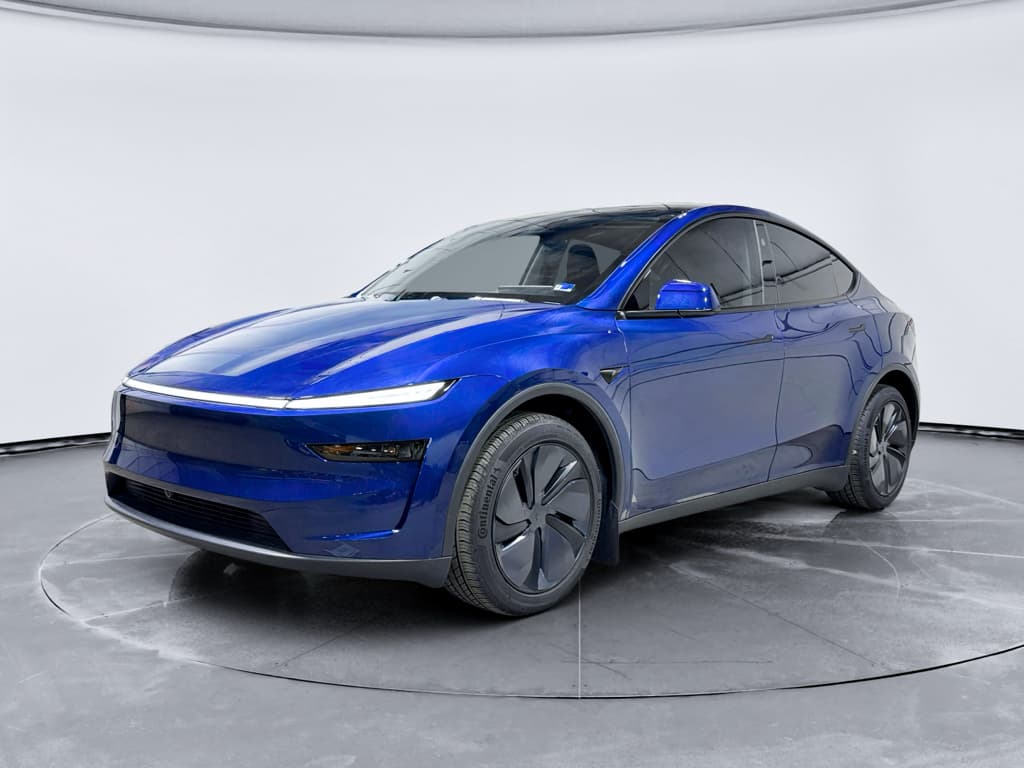
Tesla’s internal codename for the refreshed Model Y is Juniper. After launching first in China, the updated Y reached the U.S. in early 2025 and now represents the default new Model Y experience. The core platform is familiar, but a lot of details have changed.
Key 2025 Model Y changes vs earlier years
What you actually notice day to day
Exterior refresh
- Sleeker front fascia with a cleaner nose design.
- Full‑width LED light bar for DRLs and tail lights on most trims.
- Revised wheels and rear diffuser aimed at efficiency and stability.
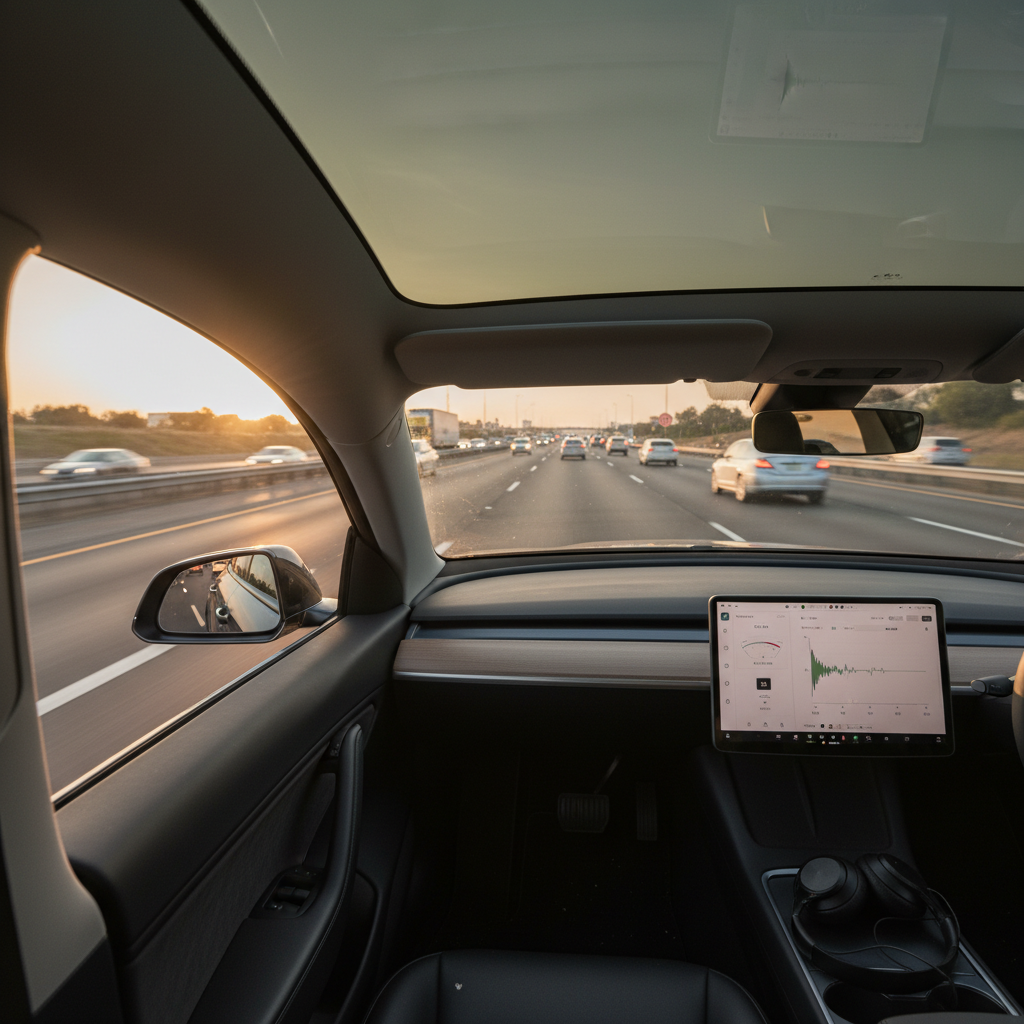
Interior & comfort
- Materials and build feel closer to the updated Model 3.
- Quieter cabin thanks to added sound deadening.
- Ventilated front seats and wraparound ambient lighting available.
- 8‑inch rear screen for climate/media on many configurations.
Tech & driving feel
- Refined suspension tuning for better ride comfort.
- Incremental range gains on Long Range trims.
- Tesla Vision driver‑assist stack continues to evolve via OTA updates.
- Crucially, turn signal stalks remain, unlike some newer Teslas.
What didn’t change
Pricing and incentives: 2025 Model Y vs used
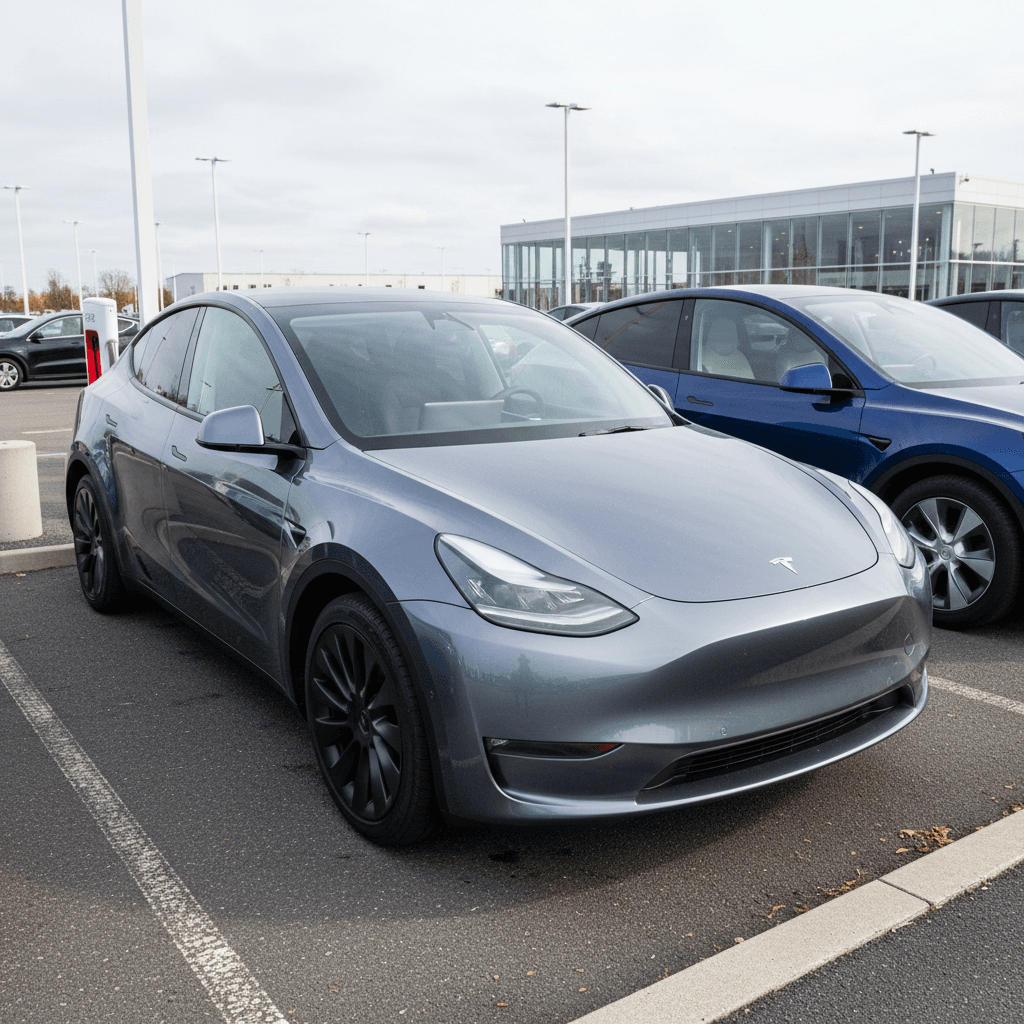
By 2026, the real question isn’t “can I afford a Model Y?” so much as “am I getting enough extra for buying a 2025 instead of a low‑mileage 2021–2024 car?” To answer that, you need to look at both sticker prices and the total cost of ownership.
Typical US pricing: 2025 new vs recent used Model Y
Approximate transaction prices in the U.S. as of early 2026; actual numbers vary by region, trim, and incentives.
| Model / Year | Typical price range | Notes |
|---|---|---|
| 2025 Model Y Standard RWD (new) | $40,000–$45,000 | Base‑range, rear‑wheel drive; often the best value if you can live with less power. |
| 2025 Model Y Long Range / Premium AWD (new) | $46,000–$52,000 | Most popular configuration; strongest range for the money. |
| 2025 Model Y Performance (new) | $55,000–$58,000+ | Much quicker and better brakes, but same basic utility. |
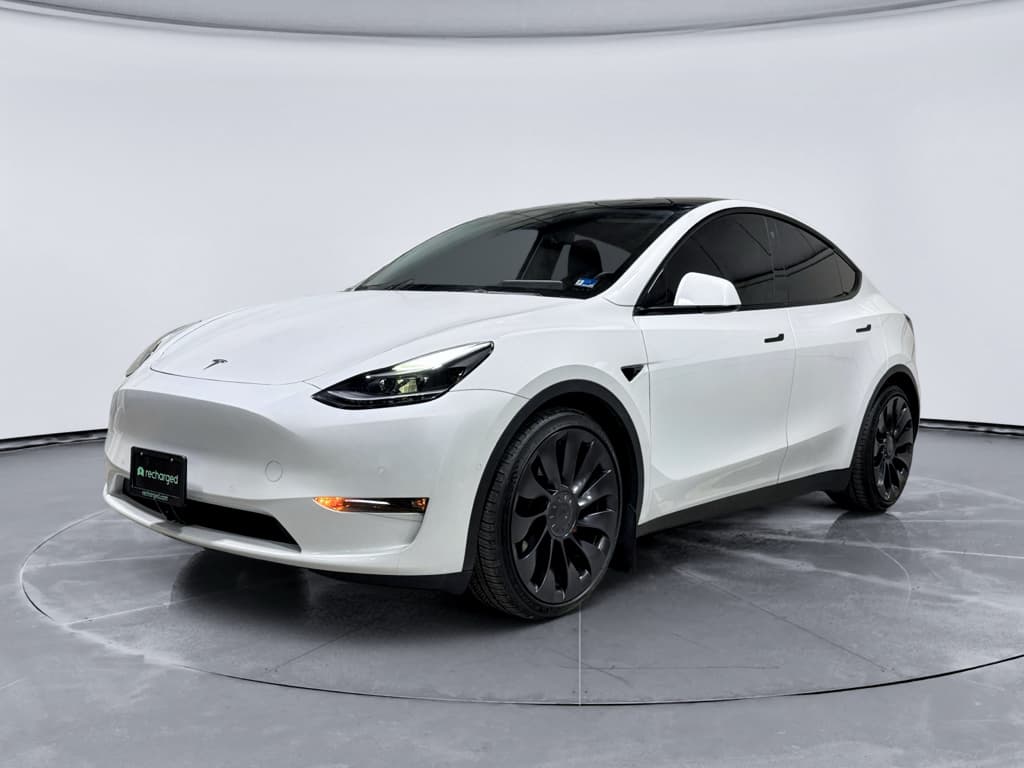
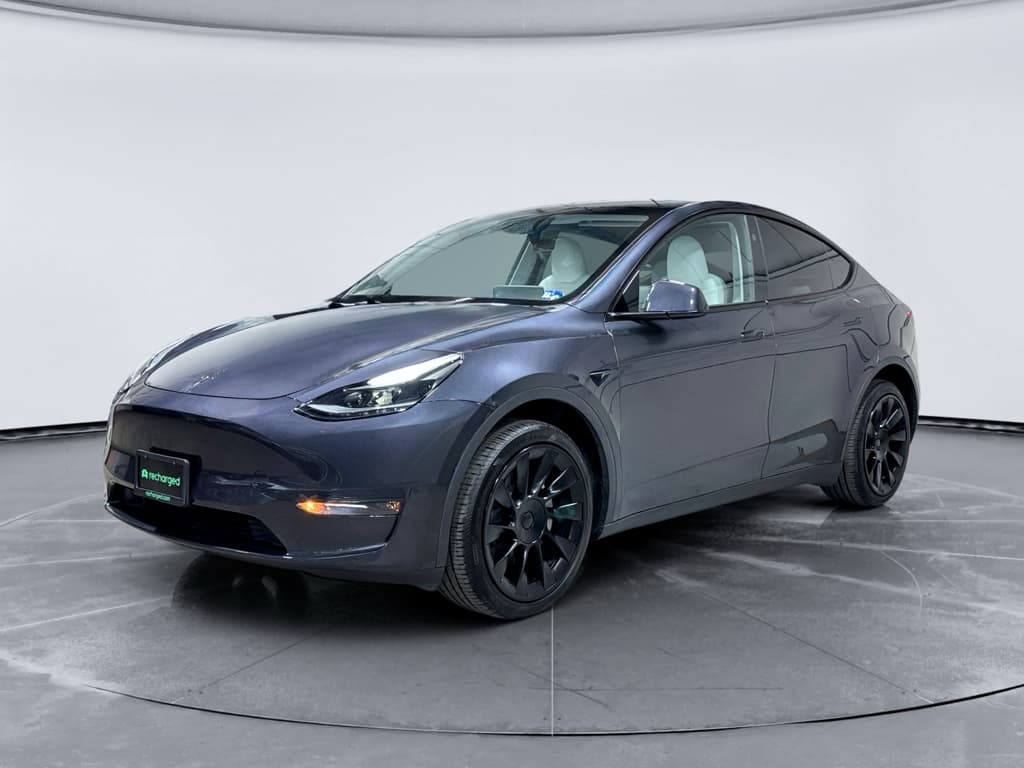
| 2022–2024 Model Y Long Range (used) | $30,000–$40,000 | Similar real‑world range; big savings after early depreciation. |
| 2021 Model Y Long Range / Performance (used) | $27,000–$35,000 | Older software and interior, but still very competitive EVs. |
Used pricing assumes clean history and normal mileage; Recharged also layers in verified battery health via the Recharged Score.
Don’t forget EV incentives
When new 2025 pricing makes sense
- You qualify for substantial new‑EV incentives that don’t apply to used.
- You want very specific color/wheel/seat combos and don’t want to hunt the used market.
- You plan to keep the car for 8–10+ years, so first‑owner peace of mind matters more than saving $8k today.
When used kills the value of new
- You can live without the 2025 styling and interior uplift.
- You find a 2022–2024 Model Y with low miles and strong battery health (preferably verified, like with a Recharged Score report).
- Your budget is tight and you’d rather put savings into home charging, road trips, or simply a smaller loan.
Range, performance, and charging: How 2025 stacks up
Range has always been the Model Y’s trump card, and the 2025 lineup keeps that advantage intact. The exact numbers vary by trim and wheel size, but you’re generally looking at roughly 321–357 miles of EPA‑rated range on the mainstream 2025 configurations, with the Performance trim a bit lower.
2025 Model Y driving experience in plain English
What you feel from behind the wheel
Highway range
Acceleration
Charging experience
Charging ecosystem is the hidden value
If you compare a 2025 Model Y to a 2022–2024 Y, you’re not seeing a dramatic leap in range or performance. The gains are mostly incremental, slightly better efficiency here, more polished suspension tuning there. That’s why a used Y with a healthy battery can be so compelling: you get almost the same real‑world road‑trip capability for substantially less money.
Cold weather and fast charging expectations
Safety and reliability track record
From a safety standpoint, the Model Y is about as solid as it gets in the mass‑market EV world. It has earned 5‑star NHTSA ratings in every category and an IIHS Top Safety Pick+ designation across 2020–2025 model years, thanks to strong crash performance and robust active safety tech.
What safety looks like in day‑to‑day driving
Beyond crash‑test trophies
Crash protection
Tesla Vision & driver assist
Autopilot vs. full self‑driving reality check
On reliability, the Model Y has a mixed but improving reputation: the powertrain and battery tend to be robust, but owners have reported variability in build quality, especially in earlier model years (panel gaps, wind noise, minor interior fit issues). The 2025 Juniper refresh appears to prioritize refinement, with added sound insulation and improved materials, which is a point in favor of the newer car if you’re picky about NVH and fit‑and‑finish.
Ownership costs, depreciation, and resale value
Relative to a similarly sized gas SUV, the 2025 Model Y still looks strong on total cost of ownership: lower “fuel” costs, fewer moving parts, and strong resale demand. The nuance is that Tesla has cut and raised prices so often that early‑year buyers have sometimes taken sharper depreciation hits than they expected.
Where the 2025 Model Y saves you money
- Energy costs: Charging at home, especially off‑peak, can dramatically undercut gasoline on a per‑mile basis.
- Maintenance: No oil changes, fewer wear items, and long brake life thanks to regen.
- Resale demand: Compact electric SUVs with decent range are likely to remain in demand for years.
Where you need to be cautious
- Depreciation shocks: If Tesla drops new‑car prices again, used values can reset almost overnight.
- Insurance: EVs and Teslas can be more expensive to insure than equivalent gas SUVs, depending on your market.
- Software upsells: Paid connectivity tiers and driver‑assist packages can add to effective monthly cost if you opt in.
How Recharged helps with used‑vs‑new math
Ready to find your next EV?
Browse VehiclesWho should buy a 2025 Model Y new?
A new 2025 Model Y isn’t automatically the rational choice, but for certain buyers, it’s exactly the right move. If you see yourself in these descriptions, a Juniper‑era Y is likely a good buy.
- You strongly prefer the refreshed look and quieter, more premium cabin and you’ll notice those differences every day.
- You want to spec a very specific configuration (seats, color, wheels) and don’t want to compromise in the used market.
- You qualify for meaningful new‑EV incentives that make the price gap to used relatively small.
- You plan to keep the vehicle long enough (7–10+ years) that you’ll fully amortize the “new car premium.”
- You value having the latest hardware and will actually take advantage of over‑the‑air feature updates as they roll out.
2025 sweet spot trims
When a used Model Y is the smarter buy
The uncomfortable truth for any new‑car buyer is that the early depreciation curve is brutal. On a Model Y, that curve has been amplified at times by Tesla’s own pricing moves. That’s precisely why a large and growing share of smart EV shoppers are looking at used Ys instead of ordering new.
Signs you should skip new and shop used
You mainly care about range per dollar
A 2022–2024 Long Range Model Y with a healthy battery can deliver nearly identical road‑trip capability to a 2025 car, for many thousands less.
You’re flexible on color and options
If you don’t have your heart set on one exact specification, the used market gives you room to prioritize condition, miles, and price instead.
You dislike surprise depreciation
Let someone else eat the first owner hit. As long as you buy at a fair market price, your downside risk is generally smaller with a 2–4‑year‑old Y.
You want verified battery health
With a Recharged vehicle, you get a Recharged Score report that measures battery health, so you’re not buying blind on the most expensive component in the car.
You’d rather upgrade sooner
Buying used at a lower price point can make it more realistic to trade up again in 3–5 years if a truly next‑generation EV platform arrives.
Used Model Y due diligence is not optional
Checklist before you commit to a 2025 Model Y
10‑minute sanity check: Is a 2025 Model Y right for you?
Clarify your real range needs
Map your actual weekly and monthly driving, including worst‑case winter days. If your real need is 150–200 miles between charges, you’ll have more flexibility on trim and year.
Estimate total cost of ownership
Factor in insurance quotes, home charging installation, expected energy costs, and any software packages, not just the monthly payment.
Confirm current incentives
Check federal, state, and utility‑level incentives for both new and used EVs in your ZIP code. A quick search can swing the math by thousands.
Decide how long you’ll keep it
If you tend to swap cars every 3–4 years, a used Y is often the better economic play. If you’re a long‑term keeper, paying a premium for 2025 hardware may pencil out.
Compare against 2022–2024 Ys
Look at at least three comparable used Model Ys with verified battery health (for instance, vehicles with a Recharged Score report) to calibrate your sense of value.
Test drive on your worst road
Take a drive on the kind of pavement you hate most, concrete freeway joints, expansion cracks, local rough patches, to see whether the 2025 ride and noise improvements matter to you.
Evaluate charging access
Make sure you have a realistic home or workplace charging plan and check how Superchargers and other fast chargers line up with your regular routes.
Decide on Autopilot/FSD budget
Treat advanced driver‑assist packages as optional luxuries, not must‑haves. Decide in advance how much, if anything, you’re willing to pay for them.
Plan for software dependency
Tesla ownership means frequent over‑the‑air software changes. If you strongly prefer a set‑and‑forget vehicle, be honest with yourself about that before you buy.
Shop where EV expertise is real
Work with sellers who specialize in EVs and can explain battery health, charging behavior, and long‑term ownership, whether that’s Tesla directly or a marketplace like Recharged.
FAQ: 2025 Tesla Model Y buying questions
Common questions about buying a 2025 Model Y
Bottom line: Is the 2025 Tesla Model Y worth it?
If you strip away the hype, the 2025 Tesla Model Y is an evolutionary but meaningful update of one of the market’s most well‑rounded EVs. It’s a good buy if you want the latest styling and refinement, plan to keep the car long‑term, and can either leverage incentives or simply afford the new‑car premium without stretching.
If your priority is maximizing value, though, the gravity has shifted toward the used market. A carefully chosen 2022–2024 Model Y, ideally one with a Recharged Score battery‑health report and expert inspection, delivers essentially the same real‑world capability at a noticeably lower cost and with less depreciation risk.
Either way, the key is to evaluate new and used side‑by‑side, anchored in your actual driving needs and budget rather than Tesla’s marketing cadence. When you’re ready to explore used Model Y options with transparent battery data, fair‑market pricing, and EV‑specialist support from start to finish, Recharged is built to make that decision, and EV ownership in general, far simpler.