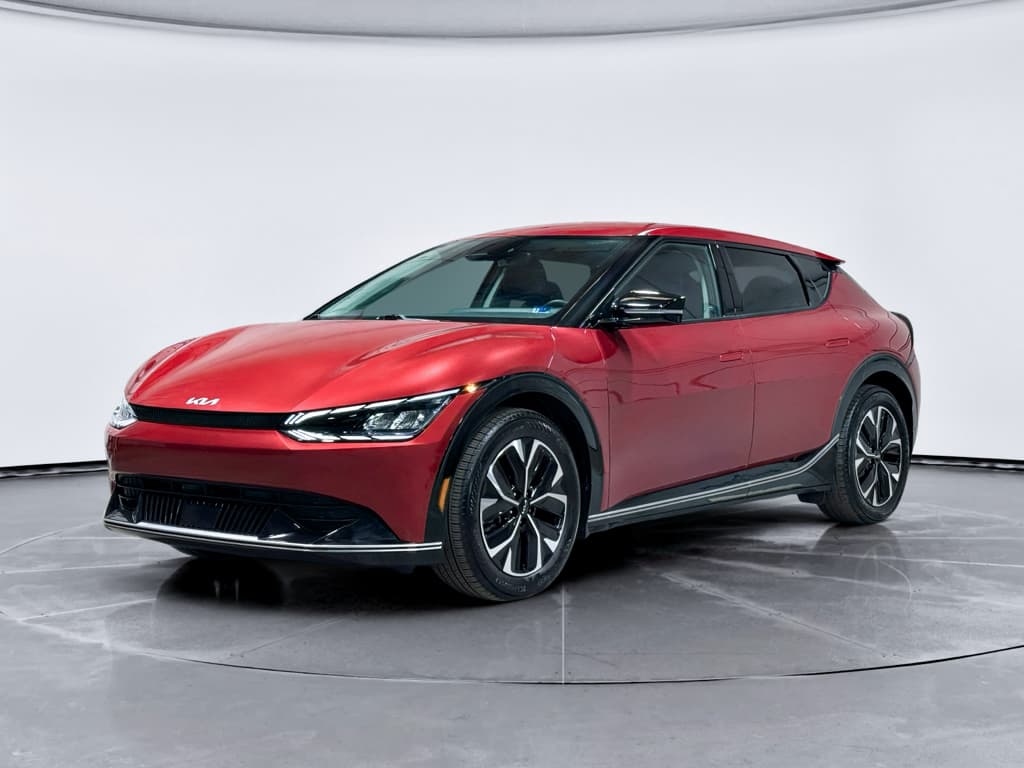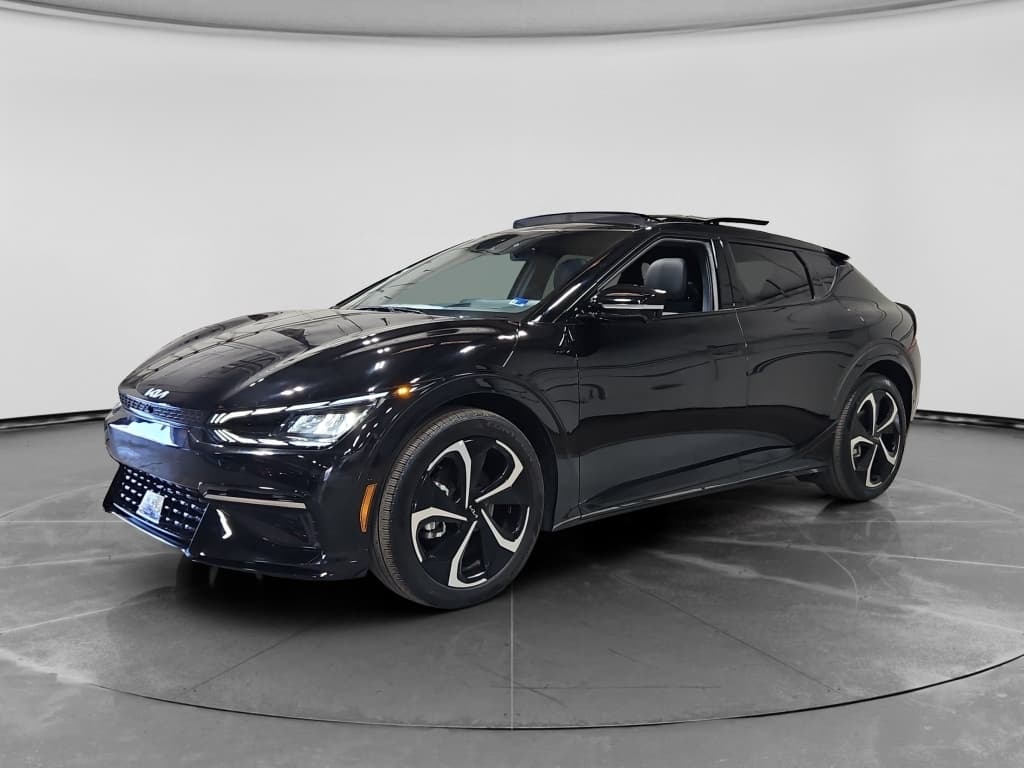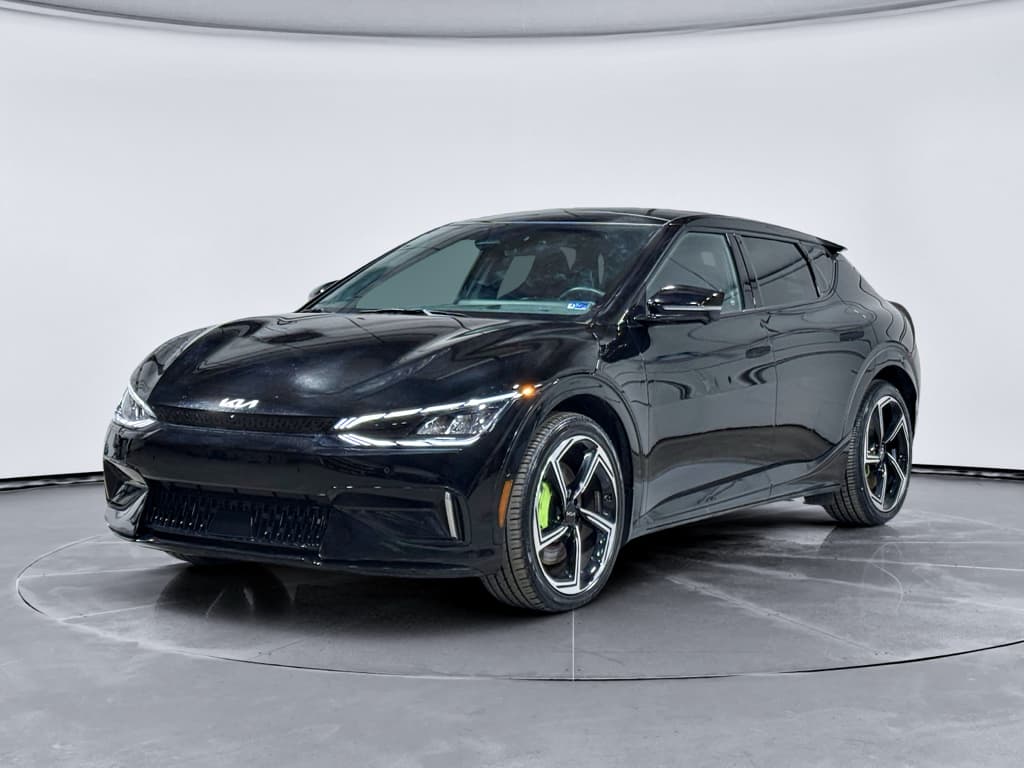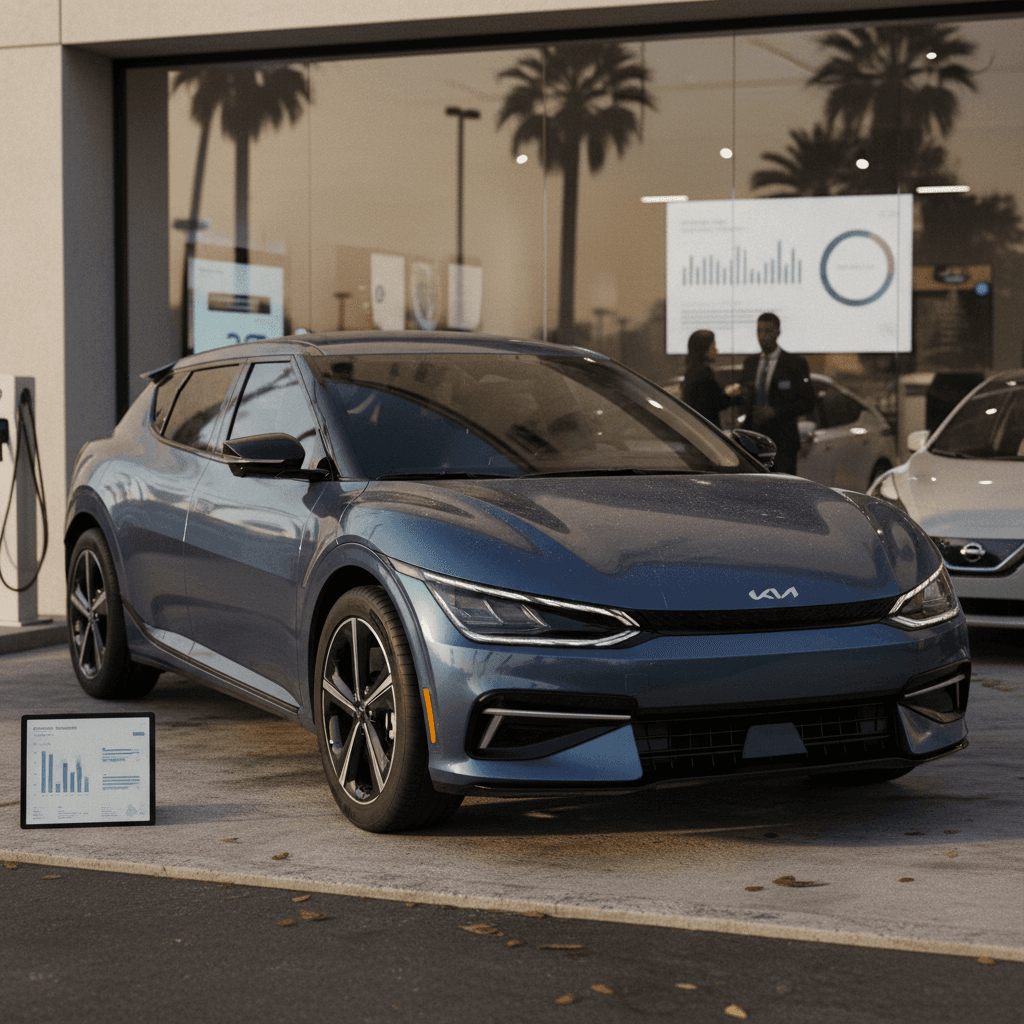
If you’re eyeing a stylish electric crossover and wondering **“is the 2025 Kia EV6 a good buy?”**, you’re not alone. Between the 2025 refresh, emerging reliability stories, and aggressive used-EV pricing, deciding *which* EV6 to buy (or whether to buy one at all) takes more than a quick test drive.
Short answer
Quick answer: Is the 2025 Kia EV6 a good buy?
2025 Kia EV6 at a glance
So **is the 2025 Kia EV6 a good buy?** For many shoppers, yes, especially if you want a future-facing EV platform with strong range, fast DC charging, and distinctive styling that doesn’t look like a tall hatchback. Where you should pause is around **reliability (ICCU and 12‑volt issues)**, dealer support, and how quickly **used EV6 prices are falling** in many markets. Those factors make *which year and which trim* you choose almost as important as the decision to buy an EV6 at all.
Key caveat
What’s new on the 2025 Kia EV6?
Kia didn’t reinvent the EV6 for 2025, but it did sharpen the package in ways that matter for long-term ownership. The most important change is **under the floor** rather than on the surface.
2025 Kia EV6: Major updates that affect buying decisions
Why the 2025 refresh matters compared with 2022–2024 models
Bigger battery pack
Most 2025 EV6 trims step up to an approx. 84 kWh usable battery, up from 77.4 kWh on earlier U.S. models. That’s aimed at improving range and keeping the EV6 competitive as rivals launch larger packs.
Fast-charging and NACS
The EV6 remains an 800-volt architecture EV with very strong DC fast-charging capability. For North America, 2025 models are moving toward the NACS (Tesla-style) charge port or at least shipping with a NACS adapter depending on timing, opening up much easier access to Tesla Superchargers.
Styling and interior tweaks
The 2025 refresh brings revised LED lighting front and rear, updated wheel designs, a reshaped steering wheel, and an infotainment refresh. They’re evolutionary changes, but they help the EV6 feel more current next to 2025 rivals.
On the performance end, the 2025 **EV6 GT** remains the wild card: a dual‑motor halo trim with supercar‑level acceleration that now advertises **over 640 hp** in its most aggressive drive mode. That’s thrilling, but it also puts you into a niche price and insurance bracket, and range takes a hit compared with the long‑range RWD versions.
Model-year tip
Range and charging: How usable is the 2025 EV6 day to day?
Real-world range expectations
- Long-range RWD trims are still the EV6 sweet spot, with EPA ratings around the low-300-mile mark and realistic mixed-driving range in the 260–290 mile band for most drivers.
- AWD dual‑motor versions trade some range for traction and acceleration; expect roughly 30–40 miles less range than comparable RWD trims.
- The hardcore EV6 GT focuses on performance, not efficiency. Think more like high‑200s EPA on paper and less in aggressive driving or cold weather.
Charging experience
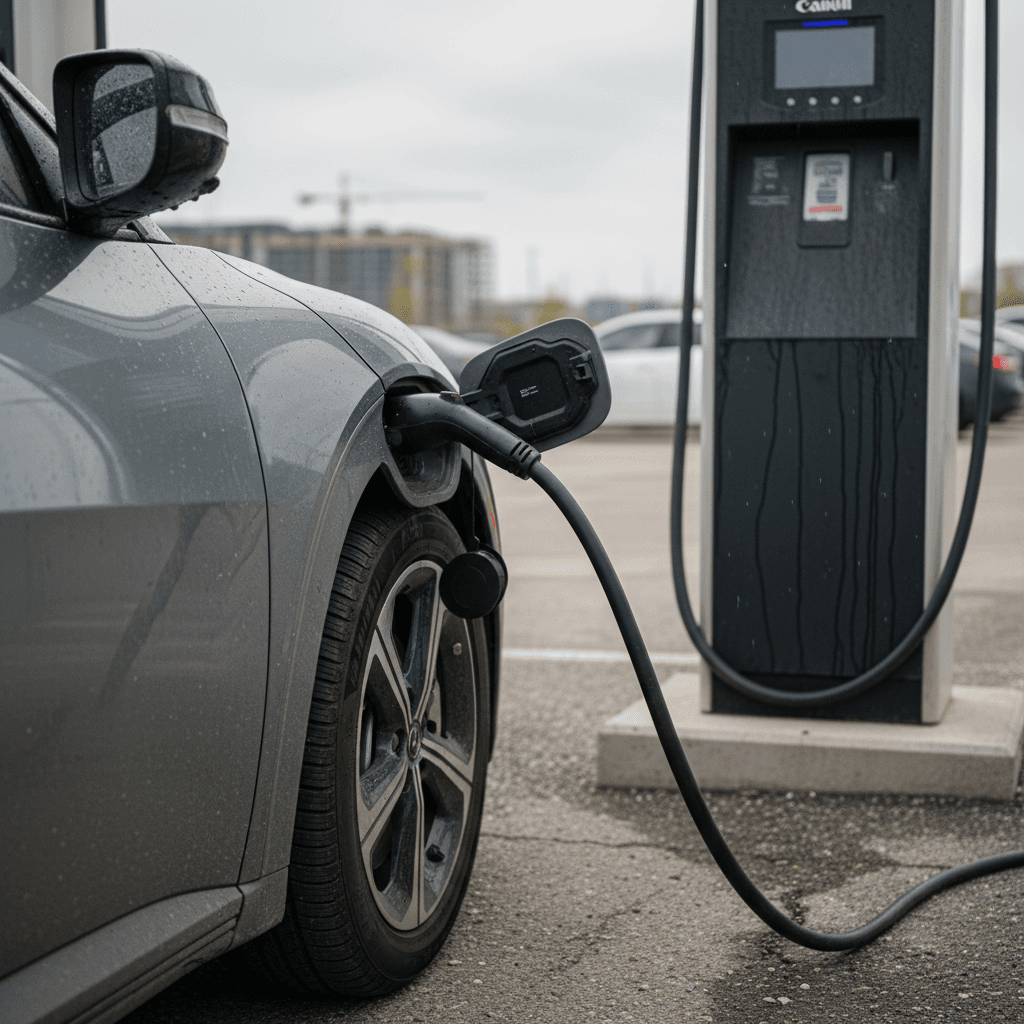
- On a strong 800‑volt DC fast charger, the EV6 can go from low state of charge to ~80% in under 20 minutes when the pack is warm and preconditioned.
- At home, a 40‑ or 48‑amp Level 2 charger can comfortably refill a typical day’s commute overnight.
- With **NACS access** arriving, 2025 EV6 owners will have far easier access to the vast Tesla Supercharger network than early‑year buyers did.
Strength: Road‑trip capable
Watch cold-weather performance
Price, value, and depreciation: New vs. used EV6
Sticker price tells only part of the story with the 2025 Kia EV6. New‑EV discounts, federal and state incentives, and **rapid used‑EV depreciation** in some regions all affect whether the 2025 model is truly a “good buy” for you.
Typical Kia EV6 pricing paths in 2025–2026
How a new 2025 EV6 compares with recent used examples on pricing and value.
| Scenario | Typical Price Range (USD) | Pros | Cons |
|---|---|---|---|
| New 2025 EV6 (mainstream trims) | Low–mid $40,000s | Latest styling, tech, and battery; full factory warranty; easier to configure exactly what you want. | Higher upfront cost; steeper first‑owner depreciation. |
| Lightly used 2024 EV6 (long‑range RWD/AWD) | Low–mid $30,000s | Substantial savings vs. new; similar performance and range; warranty remaining; many off‑lease cars hitting the market. | Older software and hardware; you’ll need to vet for ICCU/12‑volt history. |
| Early 2022–2023 EV6 (higher mileage) | High $20,000s–low $30,000s | Aggressive pricing; great way into a modern 800‑V EV at compact‑SUV money. | Shorter remaining warranty; more exposure to reliability and depreciation risk if not carefully inspected. |
Pricing is illustrative and varies by region, incentives, mileage, and condition.
Independent cost-of-ownership data shows the EV6 holding value reasonably well compared with some newer EV nameplates, but **EVs in general are depreciating faster than many gas crossovers**. That’s a negative if you’re buying new and trading out in three years, but a major plus if you’re buying used in 2026 and planning to keep the car.
Used-EV6 sweet spot
Reliability: ICCU, 12V, and battery health
The defining reliability story around the Kia EV6 isn’t failed drive motors or degrading high‑voltage batteries. It’s a cluster of issues around **supporting electronics and charging hardware**, specifically, the **integrated charging control unit (ICCU)** and the **12‑volt accessory battery**.
Main reliability themes owners report
What real-world EV6 owners talk about most
ICCU failures
The ICCU manages how the EV6 converts power for charging and accessories. Some owners across 2022–2024 model years report ICCU failures that trigger warnings, disable DC charging, or even leave the car undriveable until repaired.
Repairs are typically covered under warranty but can involve multi‑week waits if parts are back‑ordered.
12‑volt battery issues
Separate from the big traction pack, the conventional 12‑volt battery has been another pain point. Owners report unexpected 12‑volt failures that prevent the car from "waking up" even when the main pack is charged.
Kia and Hyundai have rolled in hardware and software updates, including more robust AGM batteries on newer builds, but the reputation impact lingers.
High-voltage pack so far
The good news: so far, the **high‑voltage EV6 battery packs look solid** in owner data, with no widespread pattern of catastrophic degradation.
Like any EV, you’ll see some early range loss and seasonal swings, but large numbers of failed main packs simply haven’t materialized yet.
Why this matters for a 2025 purchase
For 2024–2025 builds, Hyundai–Kia have been rolling in revised components, software updates, and upgraded 12‑volt batteries aimed at reducing these failures. That doesn’t erase the risk, but it means a **late‑build 2024 or 2025 EV6** is likely a safer bet than an early 2022, all else equal.
How Recharged helps on the used side
How the 2025 EV6 compares to rivals
2025 Kia EV6 vs. key competitors
High-level comparison of where the 2025 EV6 shines and where rivals might be stronger.
| Model | Strengths | Potential Dealbreakers |
|---|---|---|
| Kia EV6 (2025) | Sharp styling; strong range; very fast DC charging; improving NACS access; competitive pricing, especially used. | ICCU/12‑V reliability concerns; dealer EV expertise can be inconsistent; some buyers dislike coupe‑like styling. |
| Hyundai Ioniq 5 | Roomy, upright SUV feel; comfortable ride; similar E‑GMP platform; solid tech; often strong lease deals. | Shares many ICCU/12‑V concerns; boxier shape is less aero‑efficient; some trims charge slightly slower. |
| Tesla Model Y | Huge Supercharger network; mature software; OTA updates; very strong efficiency; high production volume. | Interior design not for everyone; build-quality complaints; pricing and incentives can swing quickly; limited physical controls. |
| Ford Mustang Mach‑E | Familiar crossover feel; BlueCruise hands‑free driving available; strong dealer footprint in many areas. | Charging speed and efficiency typically lag EV6; software polish varies; interior space vs. footprint isn’t best‑in‑class. |
Exact specs vary by trim; this table focuses on typical mainstream configurations, not halo performance models.
Positioning snapshot
Who the 2025 Kia EV6 is a good buy for
- Drivers who road‑trip regularly and value **fast DC charging and 300‑mile class range** over a traditional SUV shape.
- Shoppers who like the idea of a **future‑proof 800‑volt platform** and NACS Supercharger access without going all‑in on Tesla.
- Enthusiasts considering the **EV6 GT** as a fun, dual‑purpose daily and weekend toy, with the understanding that efficiency isn’t its mission.
- Buyers comfortable trading some **reliability unknowns** for more technology and performance than you’d get in a similarly priced gas crossover.
- Used‑EV shoppers who want a **modern platform at a deep discount** and are willing to vet history, software updates, and battery health carefully.
Who should think twice
Checklist before you buy a new or used EV6
Practical checklist for 2025 EV6 shoppers
1. Decide between new 2025 and used 2023–2024
If you care most about price, a used long‑range 2023–2024 EV6 can undercut a 2025 by thousands. If you want the freshest styling, latest hardware, and potentially improved ICCU/12‑V parts, the 2025 (or very late‑build 2024) may be worth the premium.
2. Verify charging compatibility and NACS access
Ask how your specific EV6 trim charges today: CCS only, CCS plus NACS adapter, or native NACS port. Confirm how that plays with charging networks on your regular routes and where you road‑trip.
3. Review ICCU and 12‑volt history
For any used EV6, request service records for ICCU or 12‑volt battery work, recalls, or software updates. Ideally, failures have already been addressed with updated parts, *or* you see no incident history at all on a later build.
4. Get objective battery health data
Don’t rely on a rough guess from the dash. Use a **battery health report**, like the Recharged Score, to understand degradation, recent fast‑charging patterns, and whether the range you expect matches the car’s current reality.
5. Test real charging behavior
If possible, take the EV6 to a DC fast charger during your test drive. Confirm that it reaches expected power levels, doesn’t drop off unusually fast, and doesn’t throw charging faults. On Level 2, make sure onboard charging works cleanly and quietly.
6. Evaluate dealer and service access
Call nearby Kia dealers and ask directly about their EV6 experience, parts availability, and turnaround for high‑voltage or ICCU work. A supportive, EV‑literate service department dramatically improves the ownership experience.
FAQ: 2025 Kia EV6 buying questions answered
Common questions about buying a 2025 Kia EV6
Bottom line: Should you buy a 2025 Kia EV6?
If your question is **“is the 2025 Kia EV6 a good buy?”**, the honest answer is that it’s a **strong, but not risk‑free, choice**. From a product standpoint, range, charging speed, driving dynamics, and design, the EV6 still feels like one of the more future‑ready EVs you can buy in 2025. The refresh keeps it visually sharp, the 800‑volt platform makes road trips realistic, and expanding NACS access solves many early‑EV charging headaches.
The trade‑offs are centered on **reliability and support**. ICCU and 12‑volt issues have hit enough owners that they can’t be dismissed as noise, and Kia’s EV service expertise can vary widely by dealer. That doesn’t mean you shouldn’t buy an EV6, but it does mean you should buy one **with eyes open**, a clear warranty strategy, and a good sense of your local support network.
For many shoppers, the smart move is to target a **late‑build 2024 or 2025 EV6** if you’re buying new, or a **carefully vetted 2023–2024 used EV6** if value is the priority. In both cases, taking the time to verify battery health, charging behavior, and repair history will pay off over years of ownership.
If you’re ready to explore specific EV6 examples, Recharged can help you compare trims and model years, understand real battery health through the Recharged Score, line up financing or trade‑in options, and even arrange nationwide delivery, so you can decide whether the EV6 is the right electric crossover for your driveway, not just for the spec sheet.