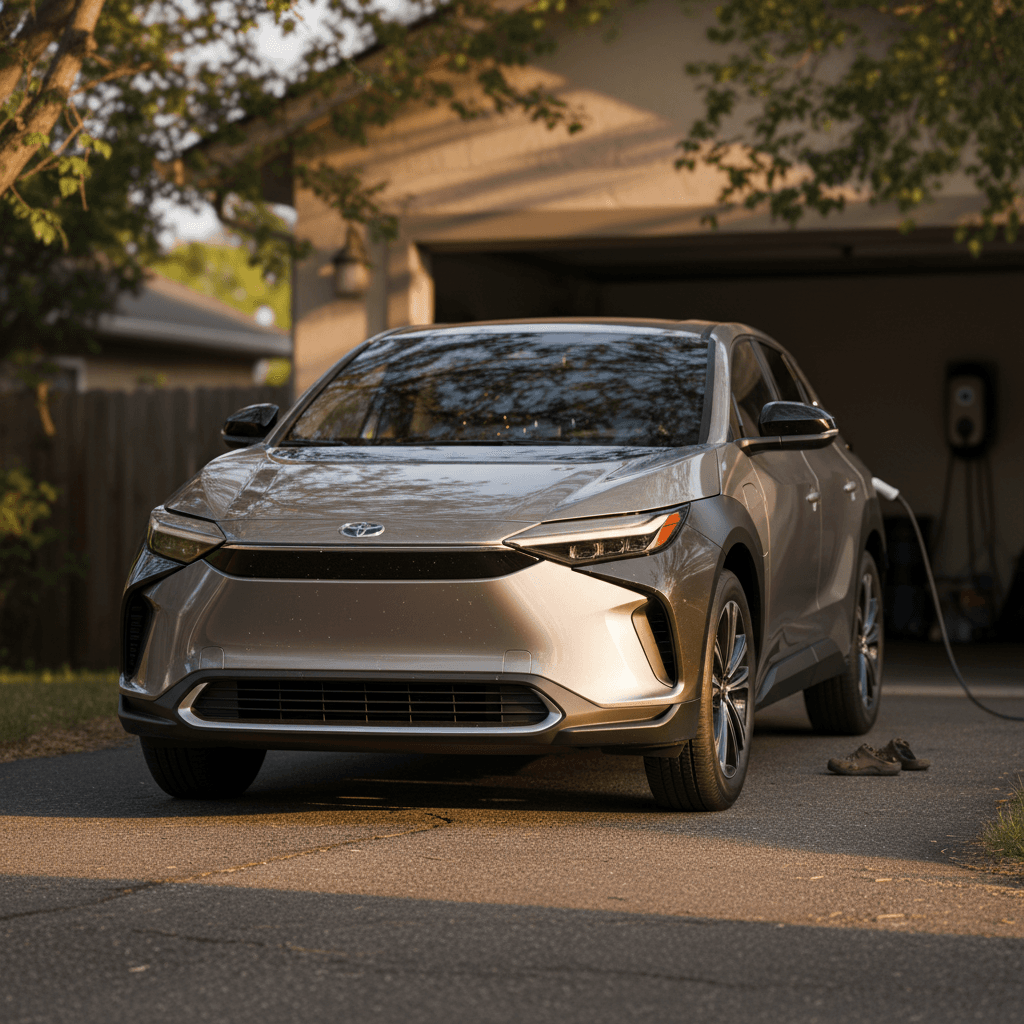
If you’re eyeing Toyota’s first modern electric SUV and wondering, **“Is the 2024 Toyota bZ4X a good buy?”**, the honest answer is: it depends very heavily on how you plan to use it. In the right driveway, the bZ4X is a calm, comfortable commuter with Toyota’s usual polish. In the wrong driveway, its modest range and slow charging can turn every long drive into a slog.
The short version
Quick answer: Is the 2024 bZ4X a good buy?
When the 2024 bZ4X is a good buy
- You mainly drive **short to medium daily trips** (under ~60–80 miles a day).
- You can **charge at home or work** most nights on Level 2.
- You find a **strong discount or used example** with clean history.
- You value **comfort, quietness, and Toyota familiarity** more than cutting‑edge EV specs.
- Leasing terms build in the bZ4X’s heavier‑than‑average depreciation.
When the 2024 bZ4X is not a good buy
- You rely on **public DC fast charging** often or road‑trip regularly.
- You want class‑leading **range** or **charging speed**.
- You live in a region with **few CCS fast chargers** and no home charger.
- You’re comparing it directly with faster‑charging rivals like Hyundai Ioniq 5, Kia EV6, or Tesla Model Y.
- You expect Toyota‑style **bulletproof electronics** from day one – the bZ4X is more “first‑generation gadget” than classic Camry.
Key buying tip
Toyota bZ4X at a glance: range, charging and specs
2024 Toyota bZ4X key numbers (U.S. models)
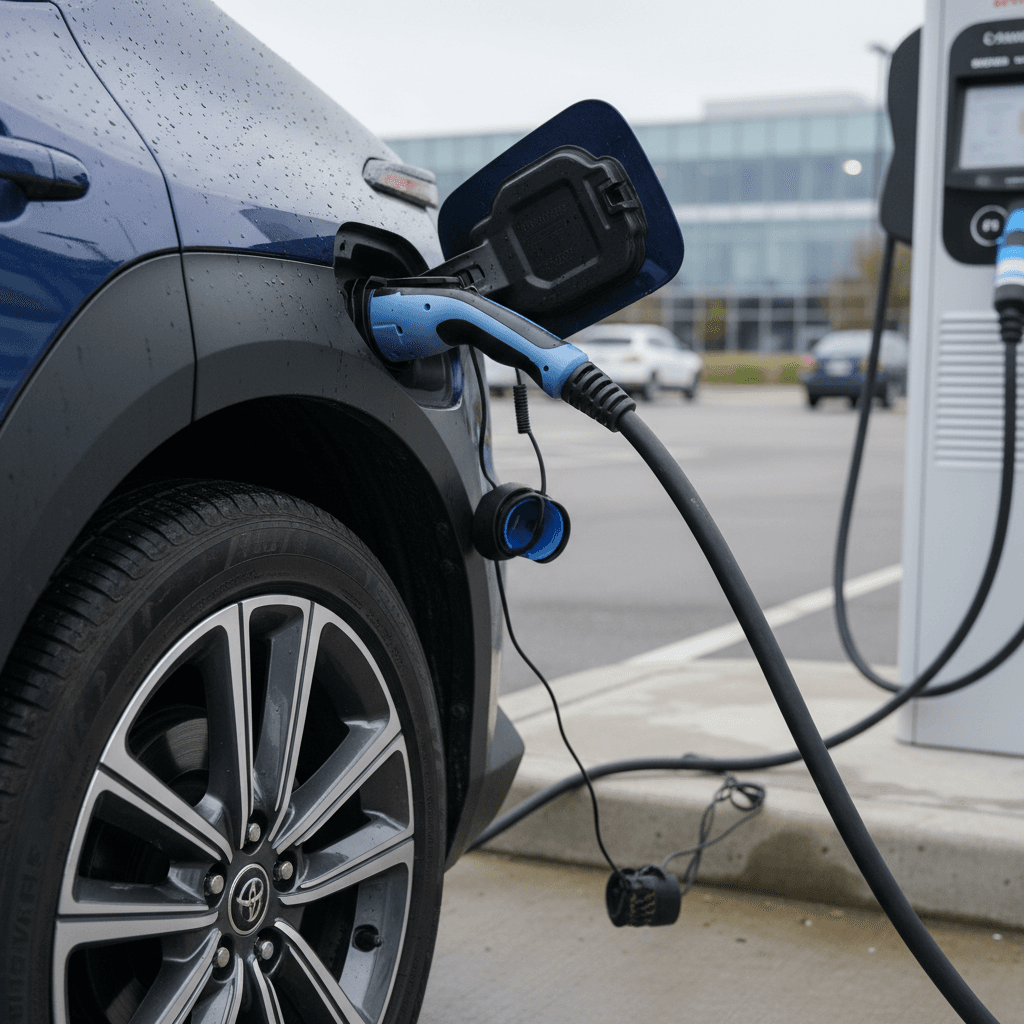
On paper, the 2024 **Toyota bZ4X** looks like a fairly normal compact electric SUV: a roughly 71 kWh battery, around **222–252 miles of EPA range** depending on front‑ or all‑wheel drive, and advertised **fast charging up to about 150 kW**. In practice, the story is more nuanced. Charging speeds taper early, the relatively small battery must work hard at highway speeds, and the **6.6 kW onboard charger** means even home charging isn’t as quick as in some competitors.
Where the 2024 bZ4X actually shines
bZ4X strengths that still matter
Why some owners are quietly happy with their 2024 bZ4X
Comfortable, quiet ride
Conservative battery strategy
Relaxed daily‑driver manners
Toyota familiarity
Safety & driver aids
Decent efficiency
Where it can feel like a great buy
bZ4X pain points: range, charging and software
Now we get to the parts that have kept the 2024 bZ4X off a lot of shopping shortlists. This is where you need to be brutally honest about your driving and charging habits before deciding if it’s a good buy.
- **Highway range feels modest.** In mixed use, especially at 70–75 mph or in cold weather, many owners report real‑world ranges closer to **170–200 miles** on a full charge rather than the optimistic end of the EPA ratings.
- **DC fast charging is slow by 2024–2025 standards.** Sessions may start in the 70–90 kW range, but they often **taper quickly into the 30–50 kW band**, and going past ~70–80% state of charge can feel glacial.
- **Onboard AC charger is only 6.6 kW.** Plugged into a typical 40‑amp Level 2 home charger, you’re looking at roughly **10–11 hours** to go from low battery to full, versus 7–8 hours in many rivals with 11 kW onboard chargers.
- **Software and infotainment quirks.** Owners report occasional glitches with the Toyota app, slow or inaccurate charge reporting, and the odd infotainment reboot. These are typical first‑generation EV annoyances, but they clash with Toyota’s reputation for invisible tech.
Road‑trip reality check
Reliability and recalls: what we know so far
Toyota’s biggest selling point has always been reliability. The 2024 bZ4X mostly holds up that image mechanically, but it’s not a totally drama‑free story, particularly when it comes to software, the 12‑volt battery, and HVAC performance.
Common 2024 bZ4X issues & what to do about them
These are patterns seen across owner reports, surveys, and recall campaigns. Not every car will have them, but you should check for software updates and recall work on any 2024 bZ4X you’re considering.
| Issue | What it looks like | Model years affected | Buyer action |
|---|---|---|---|
| 12‑volt battery draining | Car can be completely dead after sitting a few days, needing a jump or new 12V battery. | Primarily early builds, but complaints seen on multiple years. | Ask if the 12V battery has been replaced under warranty and whether parasitic drain was diagnosed. |
| HVAC/defroster recall | Loss of cabin heat or weak defrost, especially in cold, damp weather. | 2023–2025 bZ4X heat‑pump system campaign. | Confirm recall has been performed; look for paperwork showing the HVAC software and hardware updates. |
| Rear camera glitch | Reverse camera image freezing or going black intermittently. | 2022–2026 Toyota/Lexus models including bZ4X. | Check for camera/image software recall and test the system during your drive. |
| Charging quirks | Some home or public Level 2 stations won’t start the session, or the charge‑port door sticks. | Scattered across model years, often fixable via software and minor parts. | Test charge on **your** home setup if possible, or at least at a nearby public station before purchase. |
Always verify open recalls and software campaigns with a Toyota dealer before you buy.
Service‑record homework
Resale value and leasing: bargain or risk?
Because of that modest range and slow charging, the market has already **punished the bZ4X on resale**. Some early 2023 examples have sold at auction for **around half of their original MSRP** only a few years after launch, and common depreciation models put a 5‑year bZ4X loss in the **mid‑40% range**, steeper than Toyota’s hybrids and some rival EVs.
What bZ4X depreciation means for you
When leasing makes sense
- You want to **try an EV for 2–3 years** without long‑term commitment.
- Your dealer or captive finance arm bakes in **strong incentives and a low money factor**.
- You’re concerned that **newer EVs will quickly outclass** the bZ4X in range and charging (many already do).
- You like the idea of handing back the car **before the warranty expires** and before the used market reacts to newer bZ models.
When buying used is compelling
- You can buy a **low‑mileage, one‑owner 2024 bZ4X** at a substantial markdown versus new.
- You plan to **drive modest annual miles** and keep the car long enough that depreciation becomes less painful.
- You care more about **Toyota build quality and comfort** than headline specs.
- You’re shopping through a platform like Recharged that gives you **battery health data and fair‑market pricing** up front.
Value‑play strategy
Who should consider a 2024 bZ4X
You’re a good fit for a 2024 bZ4X if…
You have convenient Level 2 charging
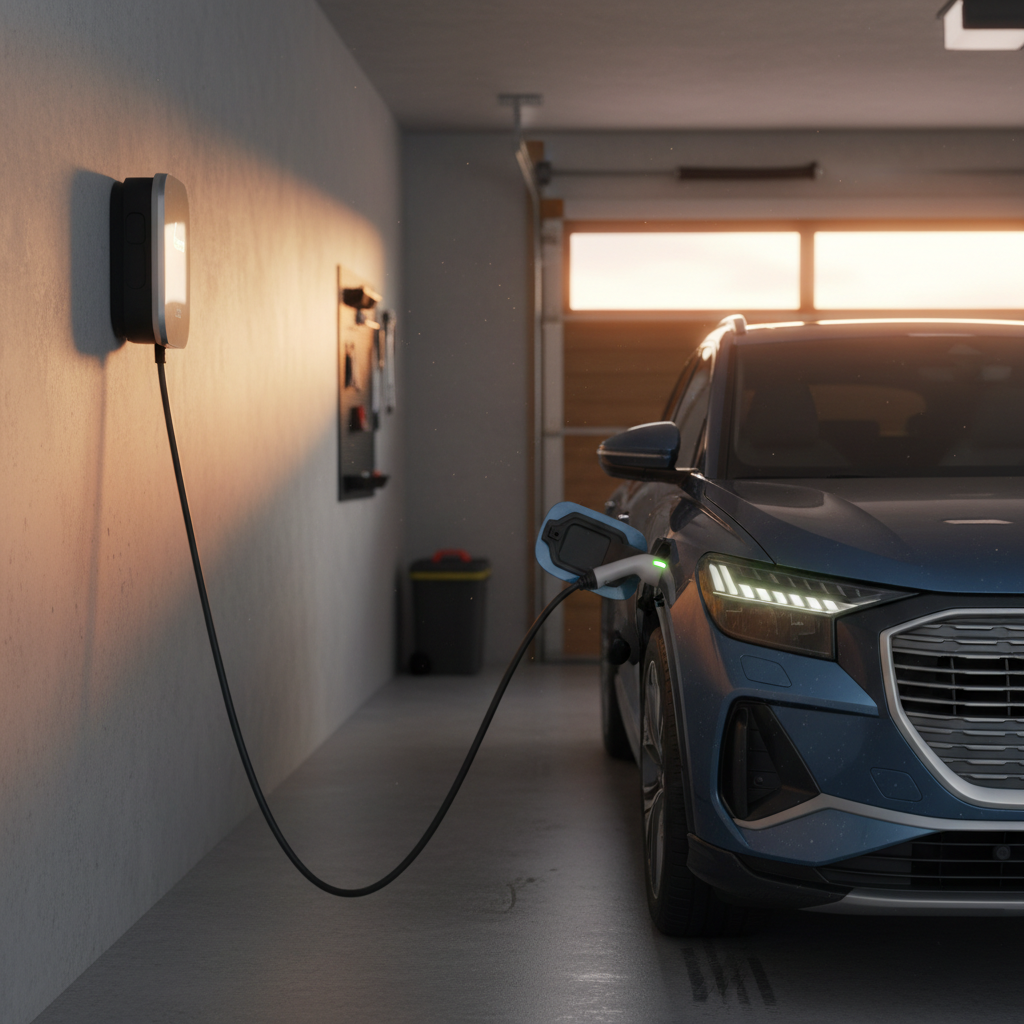
A dedicated 240‑volt home charger (or reliable Level 2 at work) is almost mandatory. It turns the bZ4X into a plug‑in appliance you top off overnight, not a car you constantly nurse at public chargers.
Your driving is mostly local
Think **school runs, commuting, grocery trips, weekend errands**, and the occasional 150‑mile outing. For this duty cycle, the bZ4X’s range is more than enough and its comfort shines.
You’re coming from a Toyota hybrid
If you like how your RAV4 Hybrid or Camry Hybrid behaves and just want the gas station out of your life, the bZ4X offers a familiar transition with less of the learning curve you’ll find in some tech‑heavy EVs.
You plan to keep it a while
Heavier depreciation hurts less if you intend to **drive the car 8–10 years**. Here, Toyota’s conservative battery tuning and solid hardware start to look like a long‑term asset.
You find a great deal
A bZ4X that’s **significantly cheaper than a comparable Ioniq 5, EV6, or Model Y** can absolutely be a smart buy, as long as you understand its limitations going in.
Who should skip it (and what to buy instead)
If this is you, the 2024 bZ4X is probably the wrong move
And some alternatives to consider
Frequent highway traveler
Public‑charging dependent
Harsh‑climate driver
Impatient early adopter
Performance seeker
You want maximum efficiency
Buying a used 2024 bZ4X: what to check
Because depreciation is already doing heavy lifting, a **used 2024 bZ4X** can be much more compelling than a new one. But you need to shop smart. Here’s a structured way to inspect a candidate bZ4X before you fall in love with the monthly payment.
Used 2024 bZ4X pre‑purchase checklist
1. Verify battery health, not just range display
Ask for objective data on **battery state of health (SoH)** instead of trusting the in‑car range estimate. Platforms like <strong>Recharged</strong> include a **Recharged Score battery report** that shows you how the pack is aging compared with similar bZ4X models.
2. Confirm all recalls and software updates
Use the VIN at a Toyota dealer to verify **HVAC/defroster recalls, rear‑camera campaigns, and charging‑related software updates** are completed. Ask for printed service records, not just a verbal “it’s all done.”
3. Test real‑world charging
If possible, plug the car into a **Level 2 charger and a DC fast charger** you’ll actually use. Watch for problems starting the session, unusually slow speeds, or charge‑port door issues.
4. Do a mixed‑driving range test
On your test drive, reset the trip computer and drive a mix of **city and highway at your normal speeds**. Compare the miles traveled to the battery percentage used; this gives you a better feel than the raw EPA number.
5. Inspect for EV‑specific wear
Look closely at **tires (EVs are heavy), brake feel, and any unusual noises** from the drive motors or reduction gear. A quiet, smooth bZ4X is the norm; anything clunky or whiny deserves a closer look.
6. Check charging‑network fit
Open your preferred charging app and map out the **CCS DC fast chargers** near your home and common routes. The bZ4X uses CCS for DC fast charging; make sure you’re not buying an EV that will constantly have you detouring to slow or crowded stations.
How Recharged helps with a used bZ4X
Because the 2024 Toyota bZ4X is such a **context‑dependent** EV, it’s the kind of car that rewards buyers who insist on transparency. That’s exactly where **Recharged** comes in.
Why shop a used bZ4X through Recharged
Making a complicated EV decision much simpler
Verified battery health with Recharged Score
Fair‑market pricing in a choppy market
EV‑specialist guidance, start to finish
Simple, digital buying experience
Ready to find your next EV?
Browse VehiclesFAQ: 2024 Toyota bZ4X good buy or bad bet?
Frequently asked questions about the 2024 Toyota bZ4X
Bottom line: Should you buy a 2024 Toyota bZ4X?
The 2024 Toyota bZ4X is not the EV you buy to impress your neighbors or dominate an efficiency leaderboard. It’s the one you buy, or lease, or pick up used, when you want a **comfortable, familiar‑feeling Toyota crossover that happens to run on electrons**, and you’re honest with yourself about how you’ll actually use it.
If you have **home Level 2 charging**, typically drive **well under 200 miles a day**, and can secure a **meaningful discount or a carefully vetted used example with solid battery health**, then yes, the 2024 bZ4X can absolutely be a **good buy**. Treated as a value‑oriented, first‑generation Toyota EV rather than a class‑leading tech showcase, it makes far more sense.
If, on the other hand, you live on **public fast charging**, road‑trip constantly, or simply don’t want to think about range planning, your money is likely better spent on a longer‑range, faster‑charging EV. In that case, use the bZ4X as a useful benchmark, a reminder that with EVs, the **numbers on paper only tell half the story**, and the rest lives in how and where you drive.