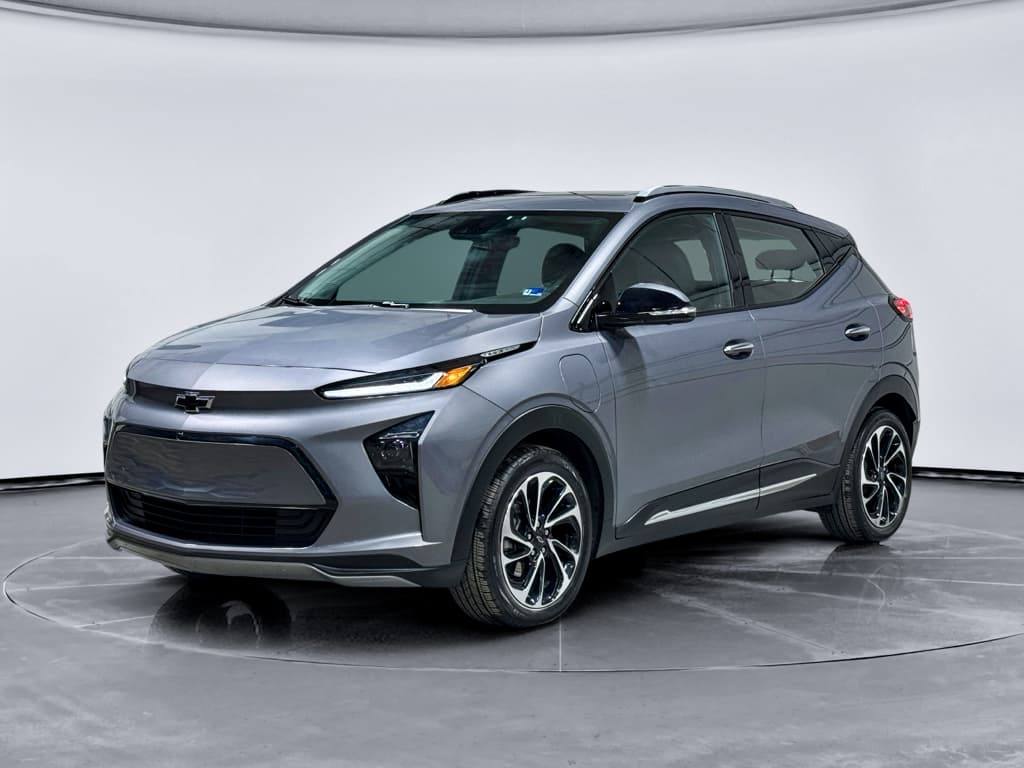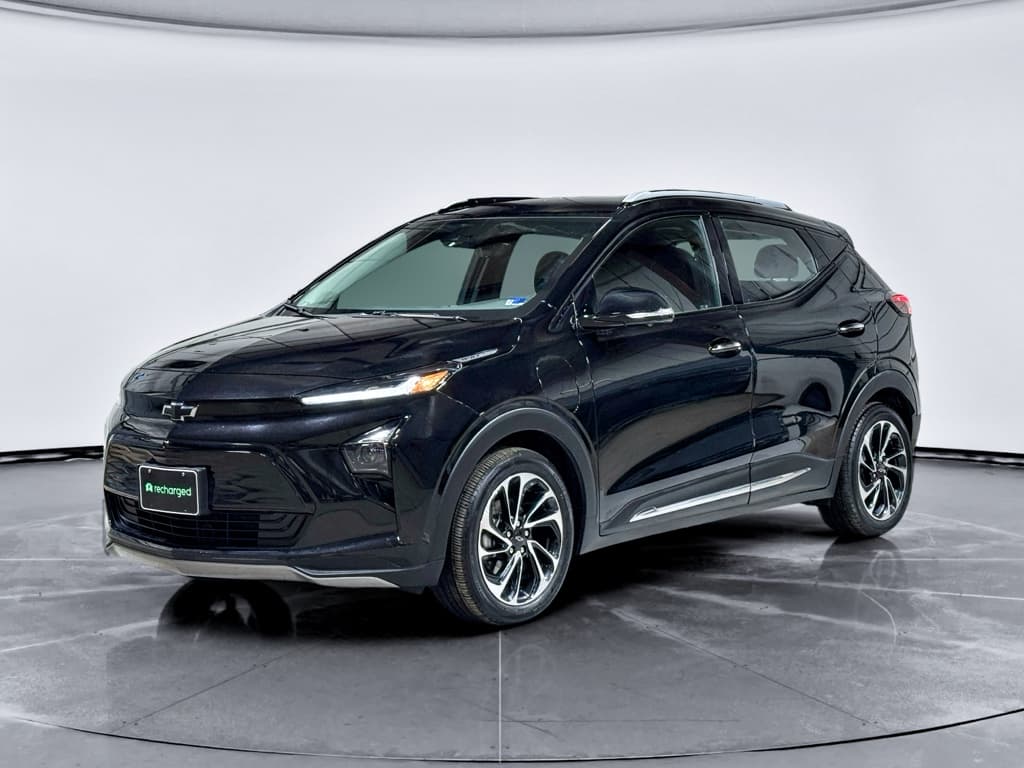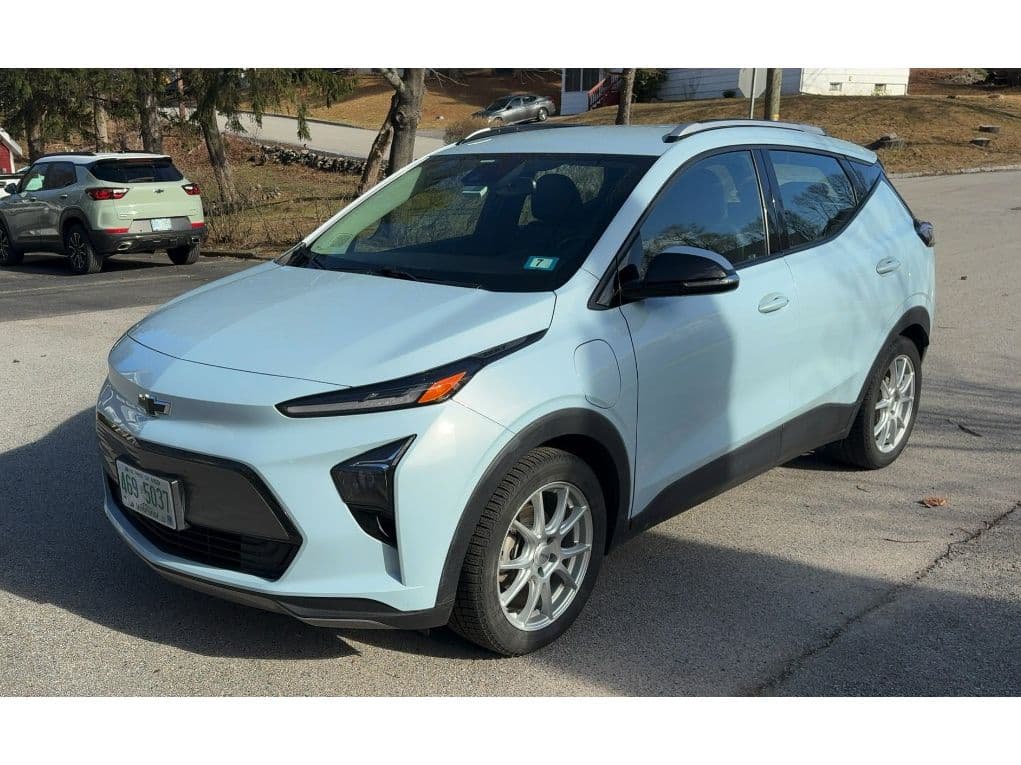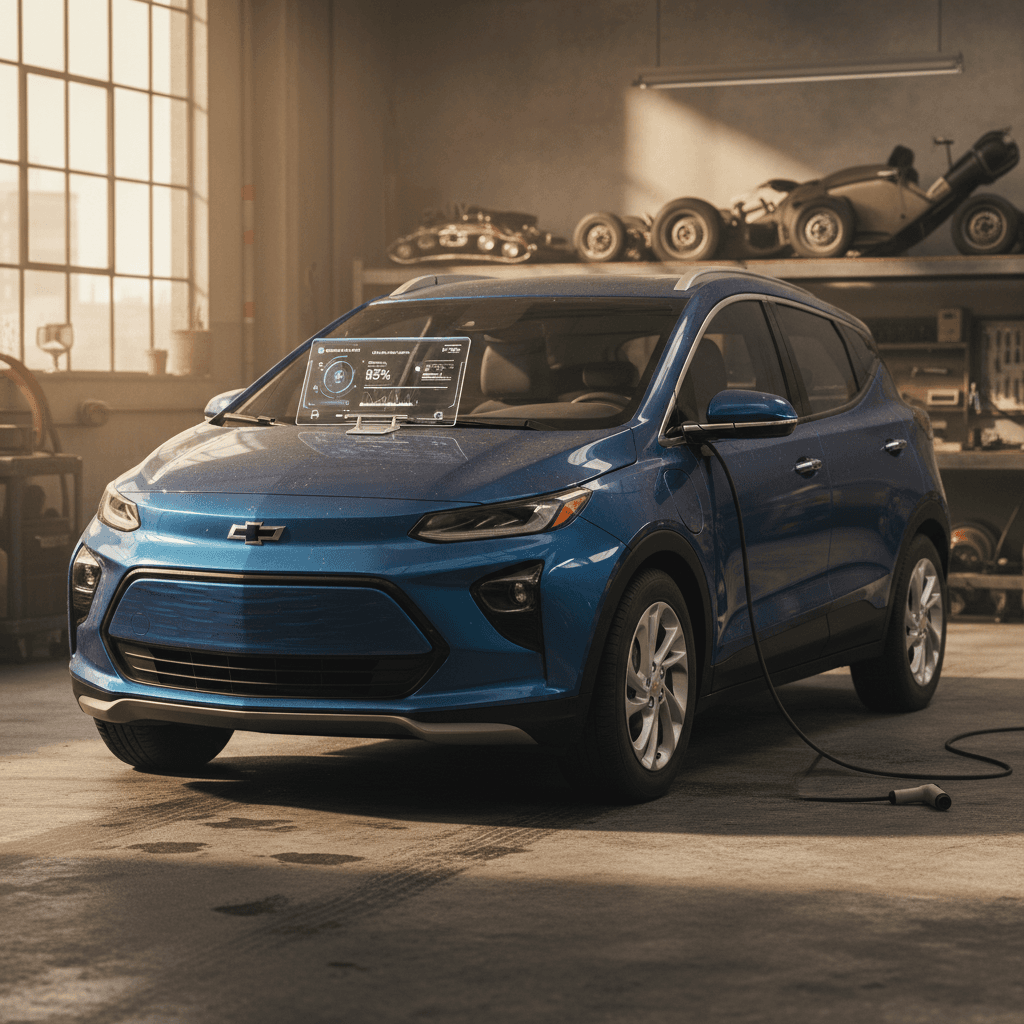
If you’re shopping for an affordable used electric crossover, you’ve probably asked yourself: is the 2022 Chevrolet Bolt EUV a good buy? In 2026, the answer can absolutely be “yes”, if you understand the battery recall history, depreciation, and how the Bolt EUV fits your driving needs. Let’s walk through the facts like a seasoned car shopper, not a test‑track engineer.
Short answer
Overview: Is the 2022 Bolt EUV a Good Buy?
Why it’s appealing
- Low used prices versus its original MSRP.
- EPA range around 247 miles for the EUV, plenty for daily use.
- Compact crossover shape with decent rear seat and hatch practicality.
- Standard advanced safety features on most trims.
- Eligible buyers may still tap the federal used EV tax credit, trimming the effective price even more.
Where you need to be cautious
- Every 2022 Bolt EUV was part of the LG battery recall campaign in some form.
- Depreciation has been steep; resale value will likely stay soft.
- Some shoppers are wary of Chevrolet dealer service on EVs.
- Fast‑charging speeds are modest compared with newer competitors.
If you go in with clear eyes and verify the battery and warranty status, the upside value is hard to ignore.
Key Numbers for 2022 Chevrolet Bolt EUV Buyers
2022 Bolt EUV Quick Specs & Highlights
2022 Chevrolet Bolt EUV at a Glance
Core specs that matter most if you’re considering a used 2022 Bolt EUV.
| Spec | 2022 Bolt EUV |
|---|---|
| Body style | Subcompact electric crossover (FWD only) |
| Battery | ~65 kWh lithium‑ion pack |
| EPA range | Around 247 miles (EUV) |
| Charging (AC) | Up to 11 kW Level 2 |
| DC fast charging | Up to ~55 kW peak (CCS) |
| Seating | 5 passengers |
| Notable tech | Available Super Cruise, 10.2-inch touchscreen, wireless Apple CarPlay/Android Auto |
| Standard safety | Chevy Safety Assist with automatic emergency braking, lane‑keep assist, etc. |
Exact numbers vary slightly by trim and equipment; always confirm on the specific vehicle you’re considering.
Practical buying tip
Used Pricing, Deals & Depreciation
One of the biggest reasons the answer to “is 2022 Chevrolet Bolt EUV a good buy?” often leans yes is simple: depreciation. Early EVs, and the Bolt family in particular, have taken a hit on resale value, which is painful for the first owner but a gift to you.
- Many 2022 Bolt EUVs in 2026 list roughly in the low‑to‑mid teens to high teens depending on trim, miles, and region.
- Some value guides show about 50% of original value gone in the first three years for Bolt EUV, steeper than average compact crossovers.
- Because the car started out with a relatively low MSRP for an EV, today’s used prices can undercut a lot of rivals, even some plug‑in hybrids.
How the tax credit changes the math
On Recharged, every used EV comes with a Recharged Score Report that cross‑checks battery health, fair market pricing and local comps, so you can see in black and white whether a specific 2022 Bolt EUV is reasonably priced or a little too proud.
Battery Recall: What It Means for Used Buyers
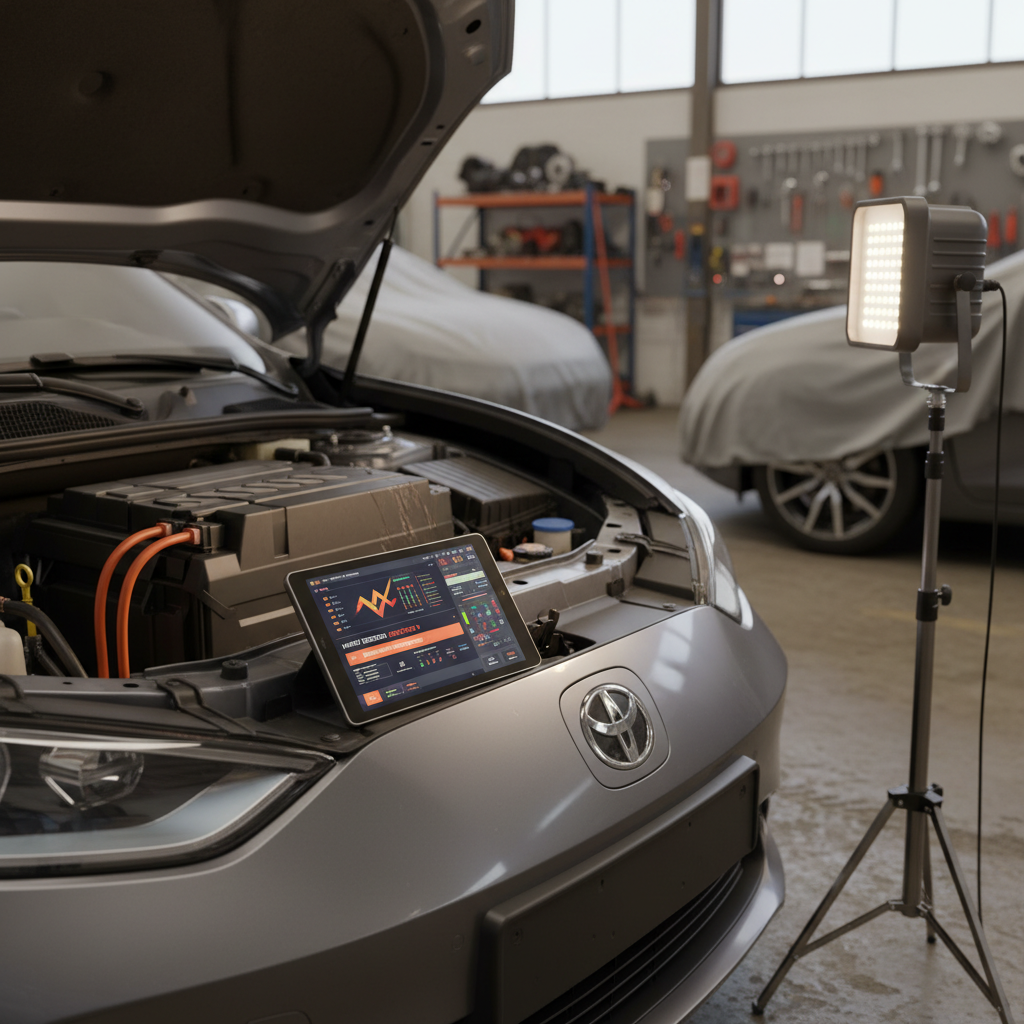
You can’t talk about a 2022 Bolt EUV without talking about the LG battery recall. GM recalled Bolt EVs and EUVs from 2017–2022 because certain battery cells could, in rare cases, overheat and cause a fire. That understandably spooked a lot of shoppers, but it also led to improved battery packs and software in many cars.
Battery Recall: Red Flag or Hidden Opportunity?
For used shoppers, the recall is more of a due‑diligence exercise than an automatic deal‑breaker.
If the recall work is complete
- The car may have received new battery modules or a full pack, effectively giving you younger, lower‑cycle cells.
- Recall documentation provides a clear service history on a critical component.
- With software updates, battery monitoring is generally more robust than pre‑recall cars.
In many cases, a completed recall can be seen as a positive for a used‑EV buyer.
If recall work is incomplete or unclear
- You’ll need to confirm status with a VIN check through a Chevy dealer or GM’s recall site.
- Some cars may still be limited to reduced state‑of‑charge (for example, 80%) until the campaign is closed.
- Inconsistent documentation or a seller who brushes the topic aside is a reason to slow down or walk.
Think of this as a stress test of the seller’s transparency and the car’s paper trail.
Non‑negotiable step
Range, Charging & Real‑World Use
On paper, the 2022 Bolt EUV’s EPA rating of around 247 miles of range looks very competitive, and for many owners that’s roughly what they see in moderate weather. Where things get interesting is how that plays out in your daily life and charging routine.
Daily driving reality
- For most commuters, you’ll treat the Bolt EUV like a smartphone: plug in at night, wake up full.
- Winter weather can trim range by 20–30% depending on climate and driving style.
- It’s an excellent fit for urban and suburban driving, school runs, and weekend errands.
If your typical day is under 120 miles, the 2022 Bolt EUV is more than enough, even with a winter penalty.
Charging experience
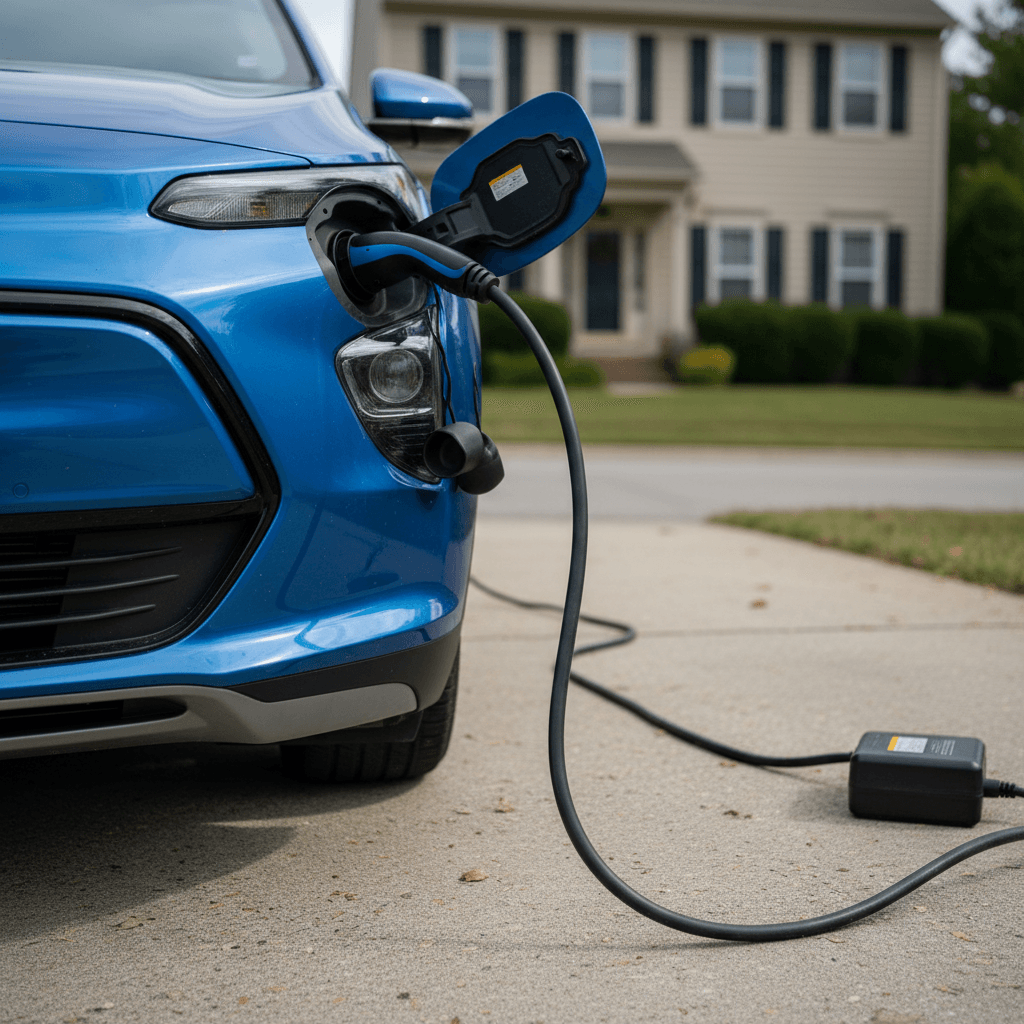
- On Level 2 (240V), expect roughly 7–9 hours for a near‑empty to full charge at home.
- DC fast charging tops out around 55 kW, so it’s slower on road trips than newer 150–250 kW EVs.
- For occasional highway travel with planned stops, it works; for frequent long‑distance trips, you may want faster‑charging alternatives.
Home charging = happy ownership
Reliability, Common Issues & Warranty Coverage
Reliability is where you should think like a used‑car pro. The 2022 Bolt EUV’s track record is mixed: many owners report years of trouble‑free driving beyond the recall, while others have encountered nuisance issues ranging from warning lights to suspension noises. Overall, it’s not a disaster story, but it’s not bulletproof either.
- Some reliability surveys rate the Bolt line below average primarily because of the battery recall history, not constant mechanical failures.
- Recurring owner complaints often mention electrical/software glitches, infotainment quirks, and the occasional propulsion or transmission control warning that requires dealer diagnosis.
- Traditional wear items (tires, brakes) are generally inexpensive compared with larger EVs, especially because the Bolt’s efficient and light.
What’s left of the warranty in 2026?
Recharged uses its Recharged Score battery diagnostics to evaluate pack health beyond the warranty fine print, giving you a clearer picture than a dash‑display range guess or a seller’s assurances.
How the 2022 Bolt EUV Compares to Alternatives
2022 Bolt EUV vs. Common Used EV Alternatives
High‑level comparison to a few used EVs many shoppers cross‑shop with the Bolt EUV.
| Model | Typical 2026 Used Price* | EPA Range (approx.) | Fast‑Charge Speed (peak) | Key Pros | Key Cons |
|---|---|---|---|---|---|
| 2022 Chevy Bolt EUV | $12k–$18k | ~247 mi | ~55 kW | Low prices, efficient, good safety tech, roomy for size | Battery‑recall stigma, modest DC fast charging |
| 2021–2022 Chevy Bolt EV (hatchback) | Often slightly less than EUV | ~259 mi | ~55 kW | Even cheaper, great efficiency, similar tech | Less rear legroom, same recall history |
| 2019–2021 Hyundai Kona Electric | Generally higher than Bolt EUV | ~258 mi | ~70–75 kW | Strong range, solid efficiency, good warranty reputation | Tighter rear seat, fewer deals in some regions |
| 2019–2021 Nissan Leaf Plus | Varies, often similar or lower | ~215–226 mi | ~70 kW (CHAdeMO) | Often inexpensive, simple layout | CHAdeMO fast‑charge standard fading, shorter range on some trims |
| 2019–2021 Tesla Model 3 Standard Range | Usually higher than Bolt EUV | ~240–260 mi | ~170+ kW (Supercharger) | Faster charging, strong network, brand appeal | Higher price, ride quality and build can be mixed |
Exact specs and pricing will vary by trim, options and condition. This table is a directional guide, not a substitute for a vehicle‑specific quote.
Where the Bolt EUV wins
Inspection Checklist for a Used 2022 Bolt EUV
Don’t Skip These Checks Before You Buy
1. Confirm battery recall and warranty status
Get the VIN, run it through GM’s recall tools, and call a Chevrolet service department to confirm that all battery‑related campaigns are completed. Ask for documentation. Then verify how much time and mileage remain on the high‑voltage battery warranty.
2. Review the Recharged Score or independent battery health report
A <strong>Recharged Score Report</strong> includes battery diagnostics, charge history patterns and range estimates. If you’re shopping elsewhere, see if the seller can provide a third‑party EV battery health report so you’re not buying blind.
3. Inspect and test drive for noise and ride quality
On your test drive, listen for suspension clunks, steering‑wheel wobble at highway speeds, or unusual tire noise that could point to alignment issues. The Bolt EUV should feel tight and composed, not nervous or wandering.
4. Check charging performance
If possible, plug into a Level 2 charger and confirm that the car charges normally, with no error messages. If you can visit a DC fast charger, watch for unusually low rates or charging interruptions that might indicate a problem.
5. Scan for software updates and warning lights
Before and after your drive, look for any dash warnings about propulsion, battery or charging. Ask for service records showing control‑module or firmware updates, many EV quirks are resolved with updated software.
6. Evaluate tires, brakes and interior wear
Because EVs deliver instant torque, front tires can wear quickly if driven hard. Check remaining tread and brake life; although regenerative braking helps, city use can still wear pads. Excessive interior wear versus the odometer is a red flag for prior abuse.
When It’s a Great Buy, and When to Walk Away
Signs it’s a great buy
- Documented recall completion with either new modules or a full pack.
- Clean Carfax or similar history with no major accidents.
- Battery health report and range estimates that line up with EPA figures and your needs.
- Reasonable asking price in line with guides and local comps.
- You have (or plan to install) reliable Level 2 home charging.
In this scenario, a 2022 Bolt EUV can be a legitimate EV bargain that serves you for years.
Red flags worth walking away from
- Seller can’t or won’t prove recall status or battery warranty coverage.
- Multiple unresolved warning lights, especially propulsion or high‑voltage system alerts.
- Signs of heavy fast‑charging use without documentation, paired with below‑expected range.
- Evidence of flood damage or major structural repairs.
- A price that looks “too good to be true” with no supporting explanation.
There are plenty of used Bolts out there. You don’t need to talk yourself into a questionable one.
Don’t try to “rescue” a bad Bolt EUV
FAQ: 2022 Bolt EUV Used‑Buying Questions
Common Questions About Buying a 2022 Chevy Bolt EUV
Bottom Line: Should You Buy One?
So, is the 2022 Chevrolet Bolt EUV a good buy? If you’re looking for an efficient, easy‑to‑live‑with EV at a used‑car price, the answer is often yes, sometimes emphatically so. You get real‑world range that covers most daily use, a comfortable cabin for its size, and running costs that make gasoline feel like a relic.
The trade‑offs are clear: a checkered recall history you’ll need to verify, slower DC fast charging than the latest EVs, and resale values that may continue to lag. But that same depreciation is what puts the 2022 Bolt EUV in reach of many first‑time EV buyers and commuters who never thought an electric crossover would fit their budget.
If you’d like a second set of eyes, Recharged pairs every vehicle with a Recharged Score battery‑health and value report, EV‑savvy advisors, and nationwide delivery, so you can focus on whether the 2022 Bolt EUV fits your life, not just whether the deal looks good on paper. Choose a well‑documented example, verify the battery story, and the 2022 Bolt EUV can be one of the smartest used‑EV buys on the market right now.