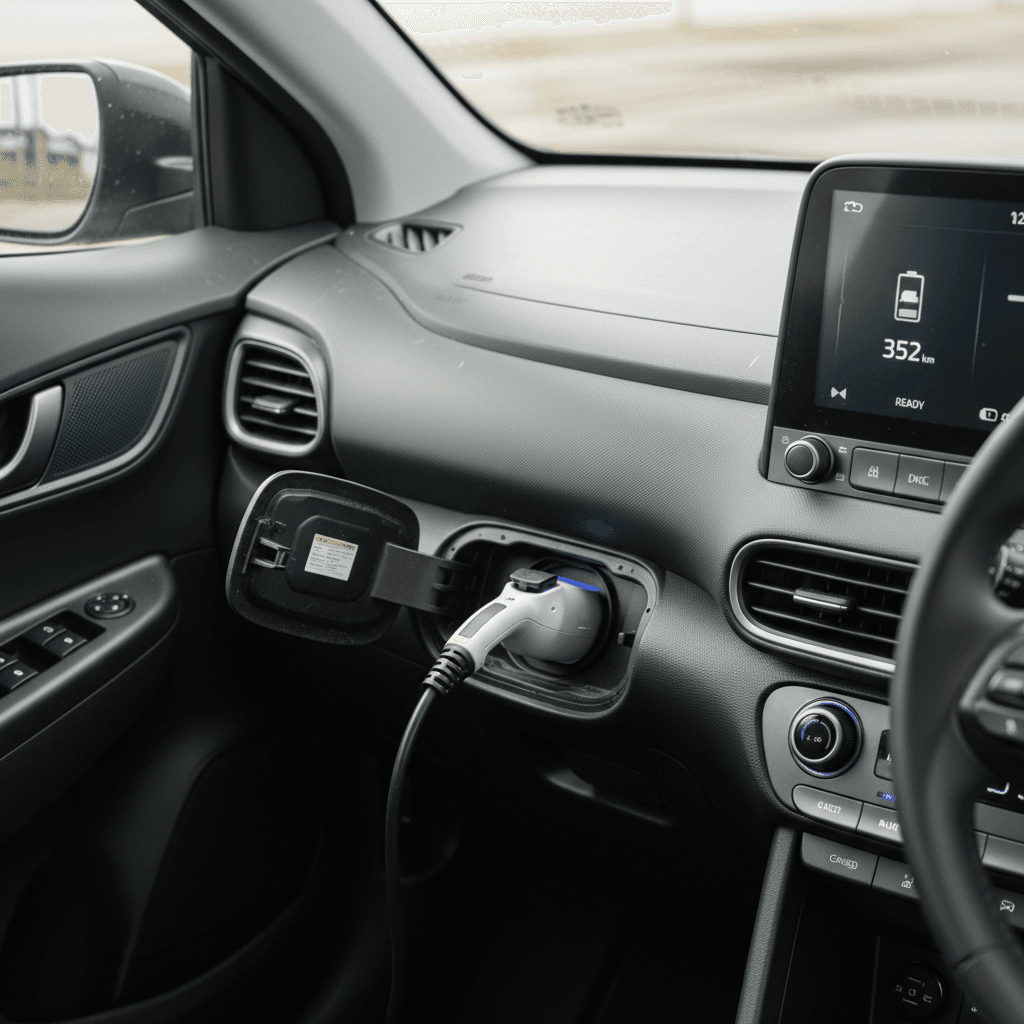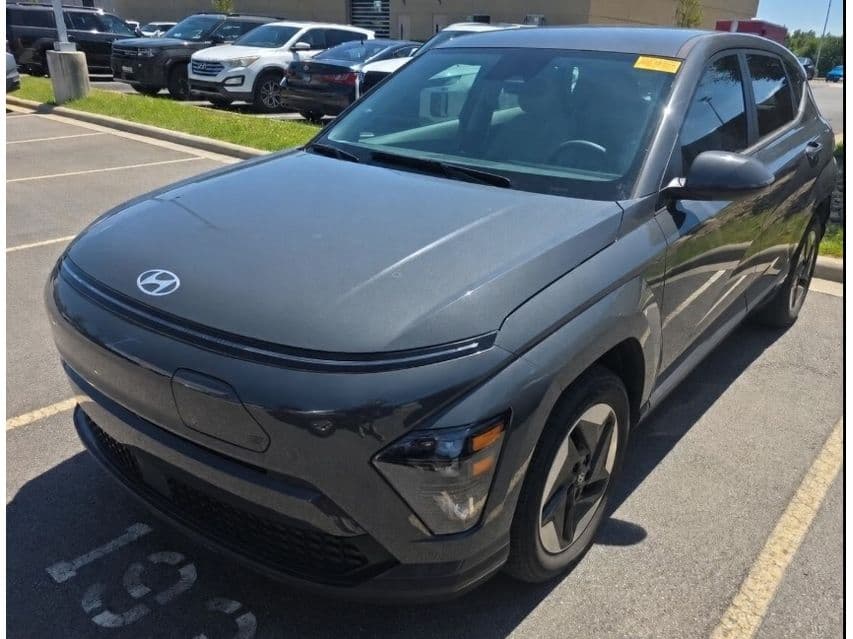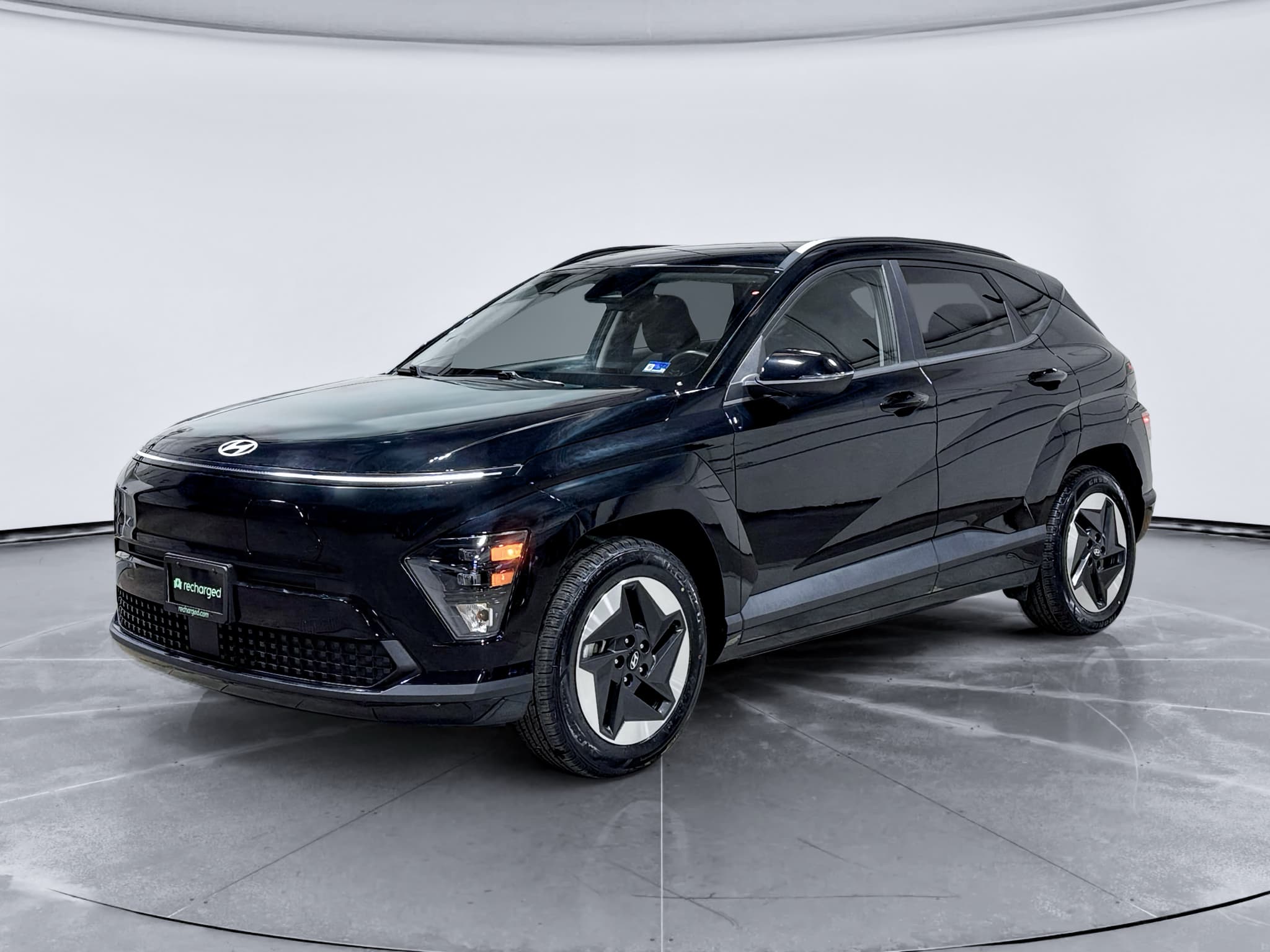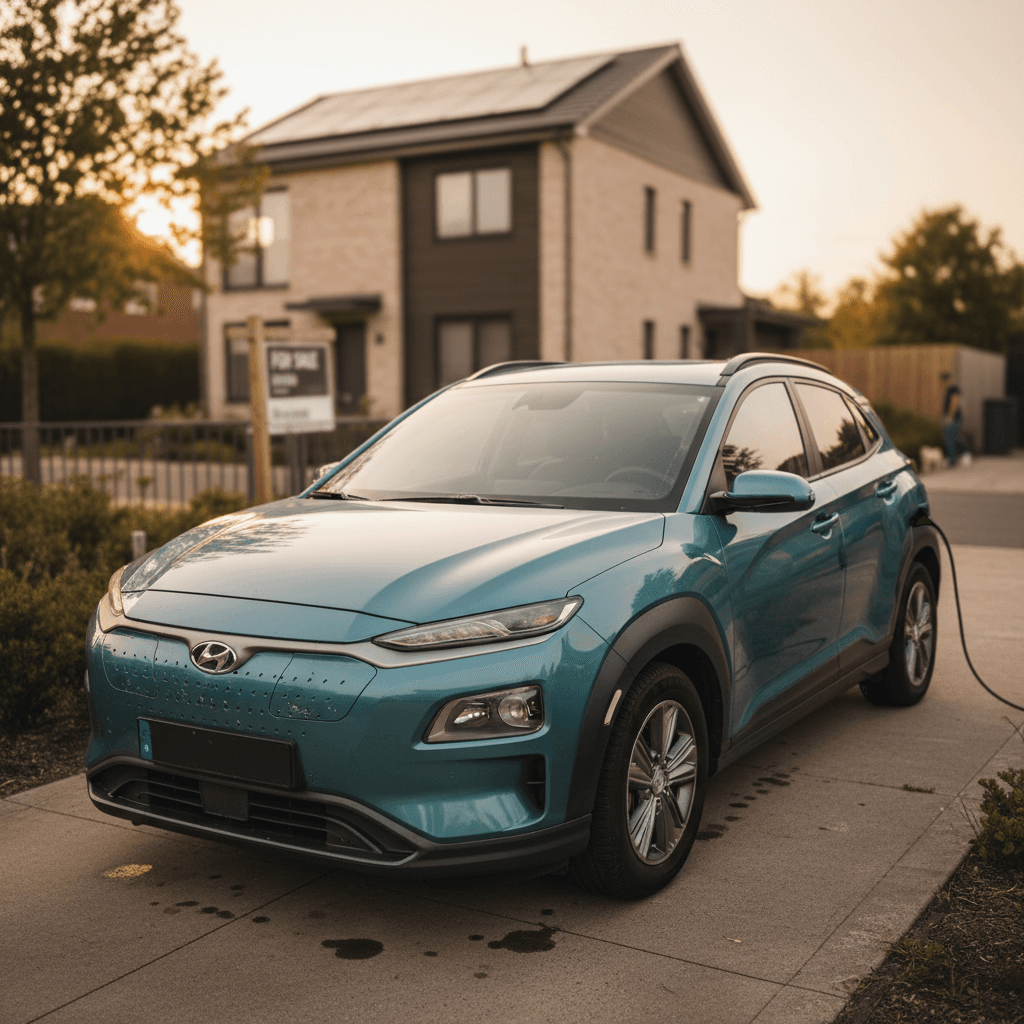
If you’re shopping the used EV market in 2026, the question naturally comes up: is the 2021 Hyundai Kona Electric a good buy? With a 64 kWh battery, EPA‑rated 258 miles of range, and steep used‑EV depreciation, the 2021 Kona Electric can be a smart value play, if you know what you’re getting into and how to check the battery.
Quick Take
Overview: Is the 2021 Kona Electric a Good Buy?
Why it’s appealing in 2026
- Segment‑leading range for a compact EV (EPA 258 miles) that still holds up today.
- Realistic used prices often in the low‑$20,000s, well below new long‑range EVs.
- 10‑year/100,000‑mile battery warranty from original in‑service date, so many 2021s are still covered.
- Proven efficiency and low running costs for commuting or rideshare work.
Where you should be cautious
- Earlier Kona Electric battery fire recalls hit 2019–2020 models; 2021 wasn’t the main target but you still want a clean recall and service history.
- Some owners report 12‑volt battery and coolant‑system warnings that require warranty fixes.
- Interior space and ride comfort lag newer compact EV crossovers.
- Tech and charging speed have been surpassed by newer 800‑volt platforms like the Hyundai Ioniq 5.
Verdict in one sentence
Key 2021 Kona Electric Specs That Matter Used
2021 Hyundai Kona Electric: Core Numbers
Every 2021 Kona Electric sold in the U.S. used the larger ~64 kWh pack and a 150 kW (201‑hp) front motor. That keeps shopping simple: you’re mostly comparing condition, mileage, options, and price, not different drivetrains. Trim‑level differences are mainly infotainment, driver‑assist features, and interior upgrades.
2021 Kona Electric Trim Highlights (U.S.)
Exact names and equipment can vary slightly by region, but this gives you a quick sense of what each trim adds.
| Trim | Key Features | Good Fit For |
|---|---|---|
| SEL / Base | Cloth seats, smaller infotainment screen, basic ADAS, same battery and motor as higher trims | Budget shoppers who still want 258 miles of range |
| Limited | Leather seating, larger touchscreen, more comfort features, sunroof (on many builds) | Daily drivers who care about comfort and tech |
| Ultimate (where offered) | HUD, ventilated seats, additional safety tech, premium audio | Drivers planning to keep the car long‑term who want every feature |
If budget allows, the top trim’s extra active‑safety and comfort features generally age best in the used market.
Range and Real‑World Efficiency
Range is the main reason people look at the 2021 Kona Electric. With an EPA rating of 258 miles from its 64 kWh pack, it still competes well with many newer compact EVs. In independent and owner tests, a healthy 2021 Kona Electric often delivers 230–270 miles per charge depending on speed, climate, and driving style.

- City and suburban driving: The Kona Electric is particularly efficient at lower speeds, where you can realistically exceed 260 miles per charge in mild weather.
- Highway driving: At 70–75 mph, especially in cold weather, expect range closer to 190–220 miles, still solid for a small crossover.
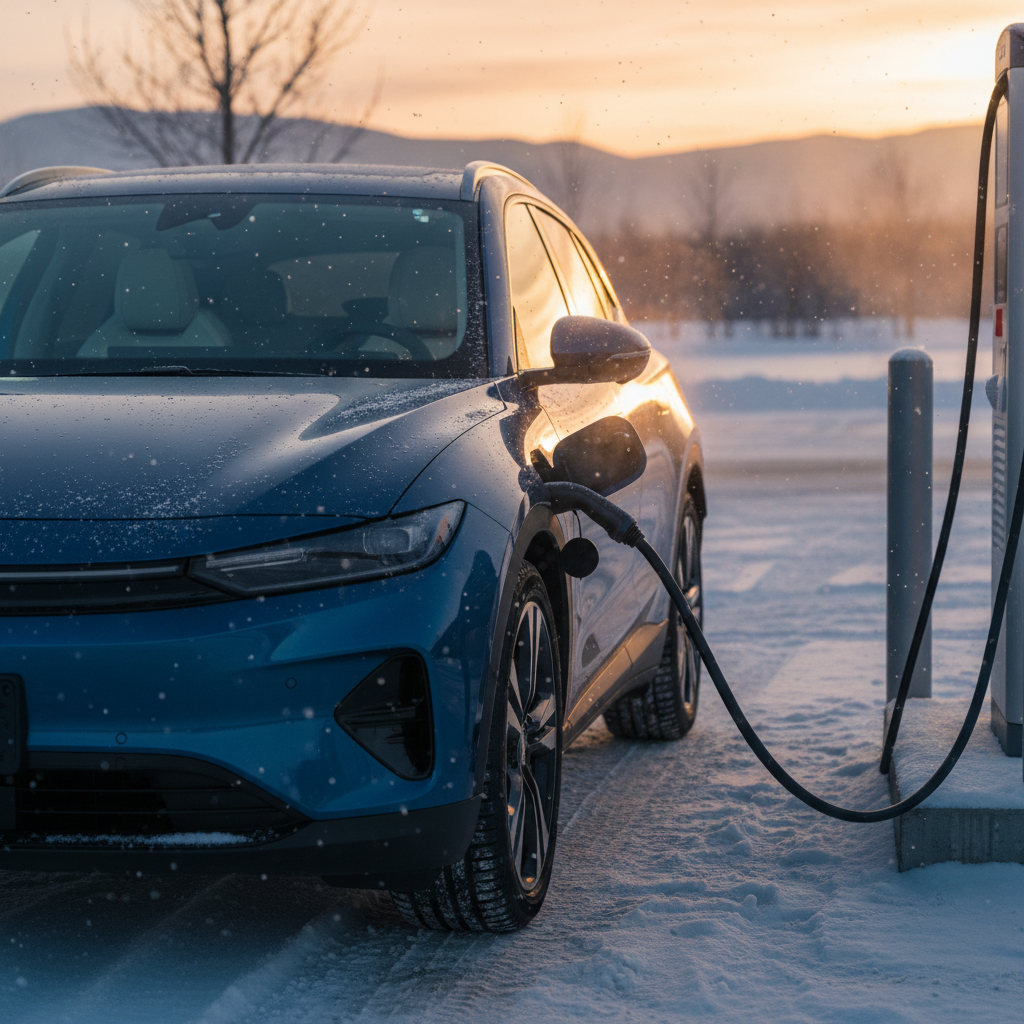
- Winter impacts: Like most EVs, the Kona can lose 20–35% of its range in cold temperatures with heater use. Good pre‑conditioning habits and seat/steering‑wheel heaters help mitigate that.
Range tip for used buyers
Battery Warranty and Degradation on a 2021 Kona EV
For U.S.‑market cars, Hyundai backs the Kona Electric’s high‑voltage battery with a 10‑year/100,000‑mile warranty (from the original in‑service date) against defects and excessive capacity loss, as long as the vehicle hasn’t been salvaged or exported. In 2026, that means a typical 2021 Kona still has 5–7 years of battery coverage left for the first or second owner, depending on when it was first sold.
What “battery warranty” really covers
What Affects a 2021 Kona Electric’s Battery Health?
Most owners see modest degradation when the car is used and charged reasonably.
Charging habits
- Occasional DC fast charging is fine.
- Living on ultra‑fast charging or frequent 100% charges can accelerate wear.
Climate
- Hot climates stress packs more.
- Garage parking and avoiding extreme heat help.
Mileage & use
- Higher mileage doesn’t automatically mean a bad pack.
- Consistent driving and maintenance matter more than the odometer alone.
In practice, many 2021 Kona Electric owners report relatively low degradation by years four and five, with usable capacity often still in the 90%‑plus range as long as the car hasn’t lived on fast‑chargers in extreme heat. The tricky part as a used buyer is getting past guesses and seeing real data, which is where tools like a Recharged Score battery health report are valuable.
Don’t rely on the guess‑o‑meter
Reliability, Recalls, and Common Issues
Hyundai’s early‑generation Kona Electric (2019–2020) was caught up in a widely publicized high‑voltage battery recall due to potential fire risk in certain LG Chem cells. Those campaigns focused on 2019–2020 builds; 2021 cars were largely outside the main recall scope in North America, and Hyundai made hardware and software changes as production evolved.
Still, when you’re buying a 2021 Kona Electric, you want to understand the broader reliability picture. Here are the patterns that matter most in 2026:
- High‑voltage battery: No widespread 2021‑specific battery defect campaign like the 2019–2020 cars, but you should still confirm there are no open recalls by running the VIN through Hyundai or NHTSA’s tools.
- 12‑volt battery issues: A recurring theme in owner forums is premature 12‑volt battery failure, sometimes leading to warning lights or a no‑start condition. It’s inexpensive compared with the main pack but worth checking documentation on replacement.
- Coolant / inverter warnings: Some 2021 owners report “Refill inverter coolant” or related messages that require diagnosis. Many repairs have been handled under warranty, but they’re exactly the kind of items you want to know about before buying.
- Noise and ride quality: A number of drivers mention more road noise and a firmer ride than other crossovers. These aren’t failures, but they affect perceived quality on long drives.
- Software and infotainment: The system is functional but dated by 2026 standards. Over‑the‑air update support is limited versus Hyundai’s newer EV platforms.
Recall reality check
Pricing, Depreciation, and Value in 2026
Used EV prices fell sharply from 2023 into 2025, and the Kona Electric was part of that story. Market analyses in 2024–2025 showed average used‑EV prices dropping around 15% year‑over‑year while gasoline and hybrids barely moved, with the Kona Electric sitting among the more affordable options in the segment. That reset has carried into 2026, creating opportunities for value‑minded buyers.
Typical 2021 Kona Electric Asking Ranges in 2026 (U.S.)
Actual prices vary by region, trim, mileage, and condition. These bands assume clean title and no major damage history.
| Mileage band | Typical price range* | What you should expect |
|---|---|---|
| 20,000–40,000 miles | $22,000–$25,000 | Most or all factory warranty intact, often CPO or with strong service history |
| 40,000–70,000 miles | $19,000–$23,000 | Sweet spot for value; still within battery warranty, minor cosmetic wear is normal |
| 70,000–100,000+ miles | $16,000–$20,000 | Heavier use; check battery health and maintenance history very carefully |
Use these ranges as a sanity check; a deal far outside them deserves extra scrutiny.
About pricing data
Where the 2021 Kona Electric shines on value
- Range per dollar: Few used EVs near $20,000 offer ~258 miles of EPA range.
- Warranty coverage: Many 2021s still have years of battery and powertrain protection left.
- Operating costs: Excellent efficiency and relatively simple maintenance keep total cost of ownership low.
Potential value traps
- Heavily discounted high‑milers with unclear service or battery history.
- Cars that lived primarily on DC fast charging in very hot climates.
- Vehicles with incomplete recall or campaign work, or salvaged titles that void Hyundai warranties.
How the 2021 Kona Electric Compares to Rivals
2021 Kona Electric vs. Key Used‑EV Alternatives
A simplified snapshot for used‑market shoppers cross‑shopping compact EVs in 2026.
| Model (similar year) | EPA range | Charging strength | Interior/space | Typical 2026 pricing |
|---|---|---|---|---|
| 2021 Hyundai Kona Electric | 258 mi | Solid Level 2, modest DC fast charge (~75 kW peak) | Tight rear seat, small cargo for a crossover | Generally low‑$20Ks |
| 2021 Nissan Leaf Plus | ~215–226 mi (62 kWh) | CHAdeMO fast‑charging with shrinking network | Similar size, older platform | Often cheaper than Kona |
| 2022 Chevy Bolt EUV | 247 mi | Decent DC fast charge, recall battery replacements on many | More rear legroom, compact crossover feel | Similar or slightly below Kona |
| 2022 Hyundai Ioniq 5 | ~220–303 mi (battery dependent) | 800‑volt fast charging, much quicker on road trips | Far roomier, more modern cabin | Noticeably more expensive than a Kona |
The Kona Electric wins on range and efficiency, but loses on interior space and DC fast‑charge speed versus newer architectures.
If you mainly drive locally and charge at home, the Kona Electric’s slower DC fast‑charging versus newer 800‑volt EVs is less of an issue. Its range, efficiency, and price become the headline. If you’re planning frequent long‑distance road trips, a used Ioniq 5, Tesla, or other fast‑charging‑focused model may justify the higher price.
Inspection Checklist Before You Buy
2021 Kona Electric Pre‑Purchase Checklist
1. Verify remaining factory warranty
Ask for the original in‑service date and mileage. Confirm how much of the 10‑year/100,000‑mile battery and powertrain coverage remains, and whether the car has ever been branded salvage or exported (which can void coverage).
2. Pull a full service and recall history
Run the VIN through Hyundai and NHTSA for open recalls. Request dealer service records or a digital history showing battery, coolant, and software work. You want proof that any campaigns or TSBs have been handled.
3. Get objective battery‑health data
Don’t guess based on range estimates alone. Use a professional battery‑health report like the <strong>Recharged Score</strong>, a dealer high‑voltage test, or a trusted EV specialist’s scan to see real state‑of‑health numbers.
4. Inspect the charging hardware
Check the charge port for damage or corrosion, verify the included Level 1 or Level 2 cable works, and, if possible, plug into a Level 2 or DC fast charger to confirm normal behavior and charge rates.
5. Look for coolant and warning‑light history
Ask specifically about any “Refill inverter coolant” or high‑voltage system warnings, and whether parts such as pumps or sensors were replaced under warranty. Scan for current and stored diagnostic codes.
6. Evaluate tires, brakes, and suspension
EV torque wears tires and suspension parts faster than you may expect. Uneven tire wear, clunks over bumps, or steering play can indicate upcoming costs you’ll want to factor into the price.
7. Test highway comfort and noise
On your test drive, include a stretch at 65–75 mph. Listen for excessive tire or wind noise, and pay attention to ride quality, some drivers find the Kona firmer and noisier than rivals.
8. Confirm charging fit with your life
Check that the Kona’s range matches your real‑world commute and trips. Confirm home charging options (existing 240V outlet or room to install one) and your access to DC fast chargers for occasional road trips.
Negotiation angle
How Recharged Helps With Used Kona Electrics
Because the main risk with any used EV is what you can’t see, battery health, hidden warranty work, or hard‑to‑interpret warning messages, Recharged is built to take the guesswork out of cars like the 2021 Kona Electric.
Buying a Used 2021 Kona Electric Through Recharged
What you get beyond a typical classified‑site listing.
Verified battery health
Fair, data‑backed pricing
Digital, EV‑savvy buying experience
Ready to find your next EV?
Browse VehiclesIf you’ve already found a 2021 Kona Electric elsewhere but want more confidence, you can also use Recharged as a benchmark: compare the asking price and claimed range to vehicles on our marketplace that include verified battery data.
FAQ: Buying a 2021 Hyundai Kona Electric
Frequently Asked Questions
Bottom Line: Who the 2021 Kona Electric Is a Good Buy For
A well‑vetted 2021 Hyundai Kona Electric is a compelling used‑EV buy in 2026 if you want long range in a small package, care more about efficiency and warranty coverage than cutting‑edge tech, and are willing to do your homework on battery and recall history. It’s less ideal if you need lots of passenger and cargo room, or if frequent 500‑mile highway stints are part of your weekly routine.
If you’re considering one, take the time to verify battery health, warranty status, and service records. Used EVs reward shoppers who look past the odometer and into the data. With tools like Recharged’s Score battery‑health report, transparent pricing, and EV‑savvy support, you can decide with confidence whether a specific 2021 Kona Electric is the right fit, not just on paper, but for the way you actually drive.