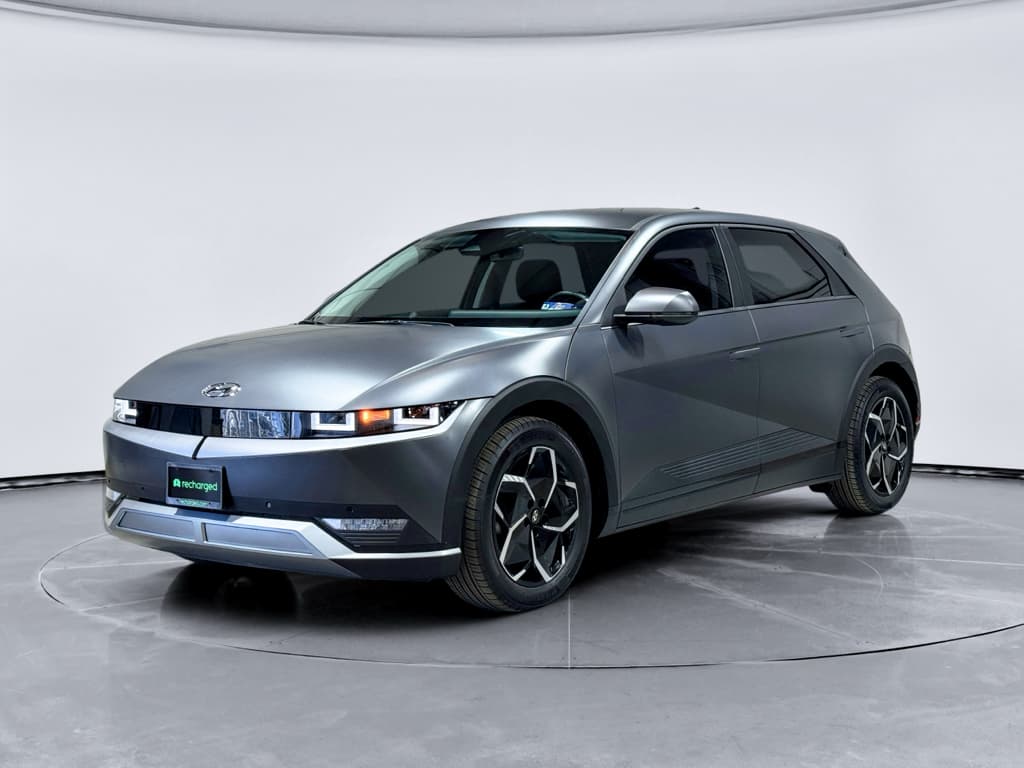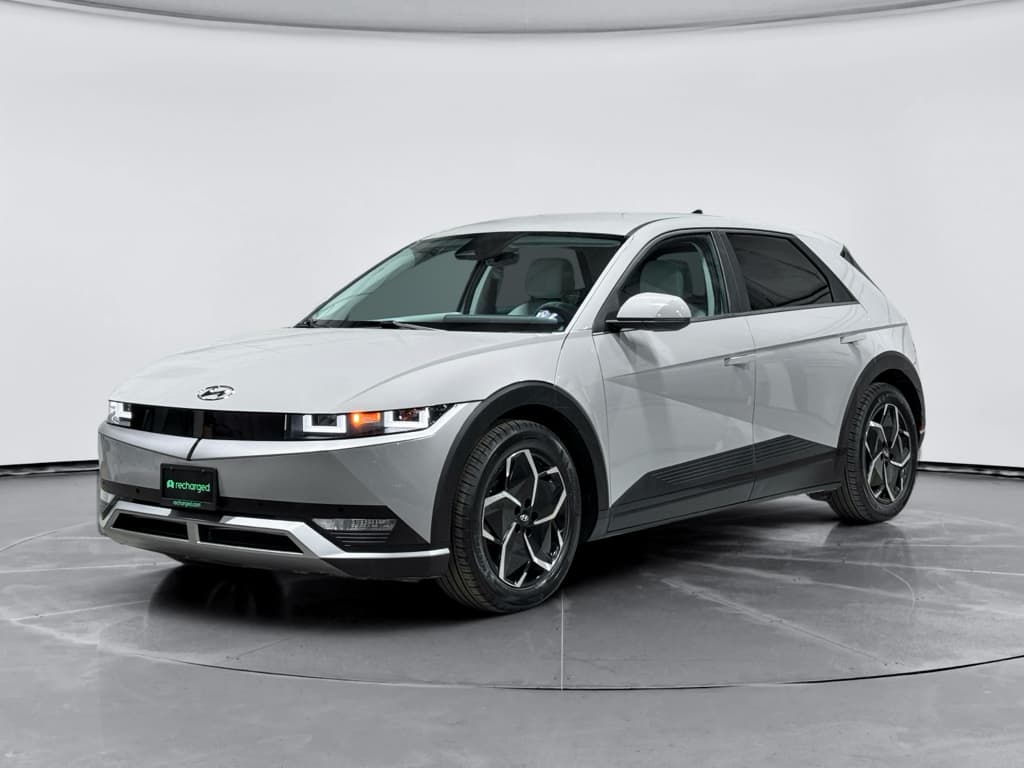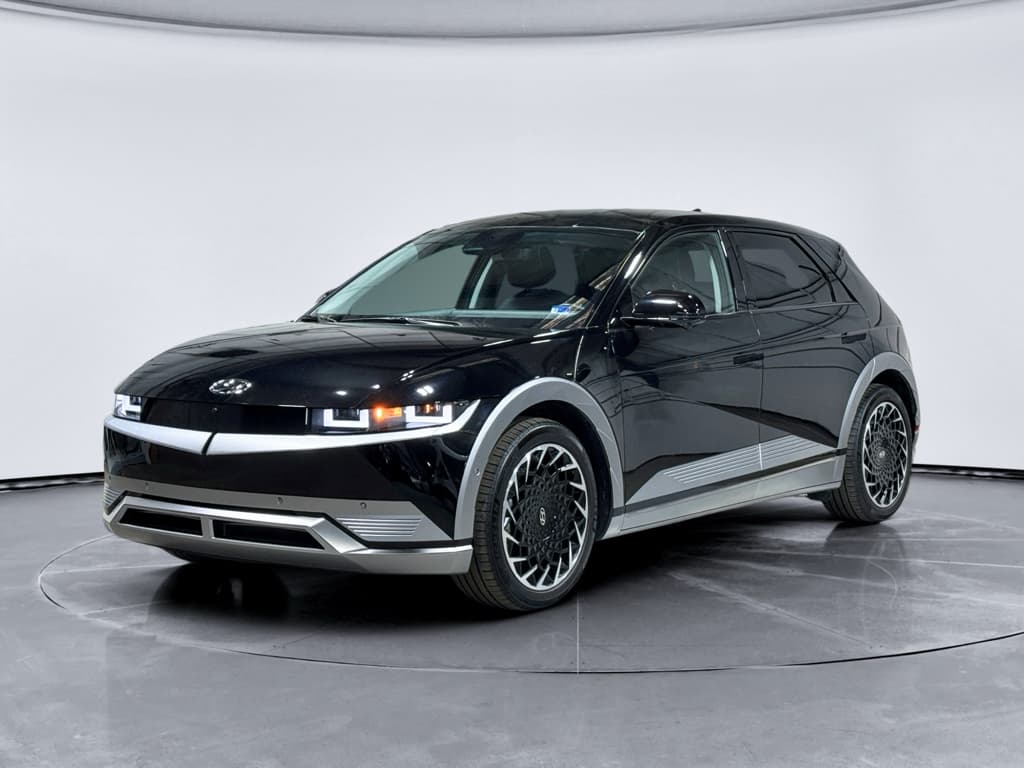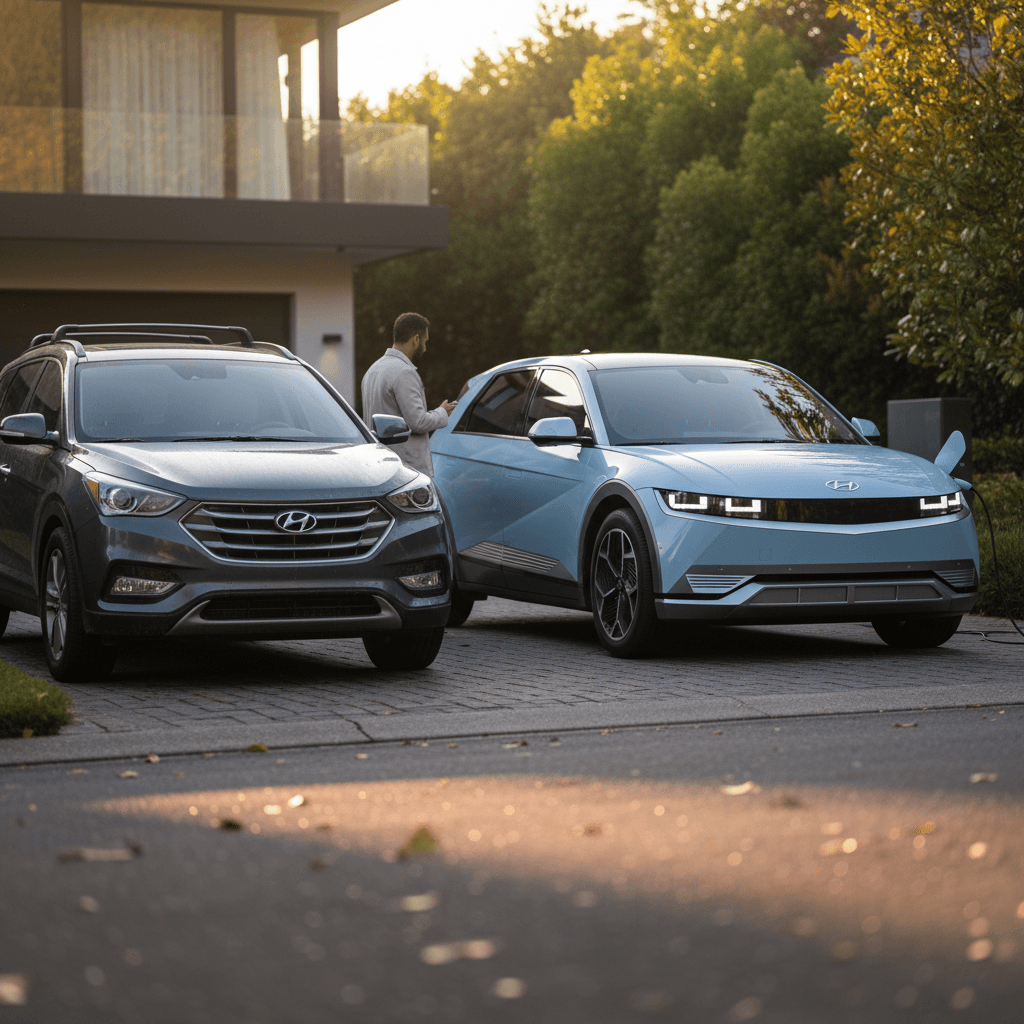
If you’re a Hyundai Santa Fe owner thinking about switching to a Hyundai Ioniq 5, you’re not alone. Many SUV drivers are eyeing the Ioniq 5 as a stylish, all‑electric alternative, but it’s hard to know how it really compares until you live with it. This owner‑style review walks through what actually changes when you move from a gas Santa Fe to an Ioniq 5 as your primary family vehicle.
Context for this review
Who this Santa Fe-to-Ioniq 5 review is for
You’ll get the most value from this Hyundai Santa Fe owner switch to Hyundai Ioniq 5 review if you:
- Own or lease a Hyundai Santa Fe (any recent generation) and are EV‑curious
- Use your Santa Fe as a family hauler, school runs, weekend trips, Costco runs
- Do a mix of suburban commuting and occasional highway travel
- Are wondering whether the Ioniq 5’s space, comfort and range are enough
- Are shopping the used market and want to understand trade‑offs before you sell or trade in your Santa Fe
How to read this review
Quick take: Hyundai Santa Fe vs Hyundai Ioniq 5
Santa Fe vs Ioniq 5: at a glance
If your Santa Fe’s third row is rarely used and most of your driving is under 100 miles a day, the Ioniq 5 is a strong upgrade in comfort, performance and operating cost. If you regularly pack three rows with people or tow near the Santa Fe’s capacity, you’ll feel the trade‑offs more sharply.
Where the Ioniq 5 wins, and where the Santa Fe still shines
A Santa Fe owner’s perspective on real‑world strengths
Where the Ioniq 5 feels better
- Instant torque makes city driving and on‑ramps effortless.
- Much quieter cabin than a typical gas SUV at low and moderate speeds.
- Lower running costs if you can charge at home or off‑peak.
- Flat floor and sliding rear bench give great second‑row space.
- Modern tech feel with dual screens and EV‑specific features.
Where the Santa Fe still wins
- Available third row for big families or carpool duty.
- More vertical cargo height when loading bulkier items.
- Higher rated towing capacity on many trims.
- Long highway trips are simpler if you don’t want to plan charging.
- Familiar fueling if you can’t install home charging.
Size and space: does the Ioniq 5 work as a family hauler?
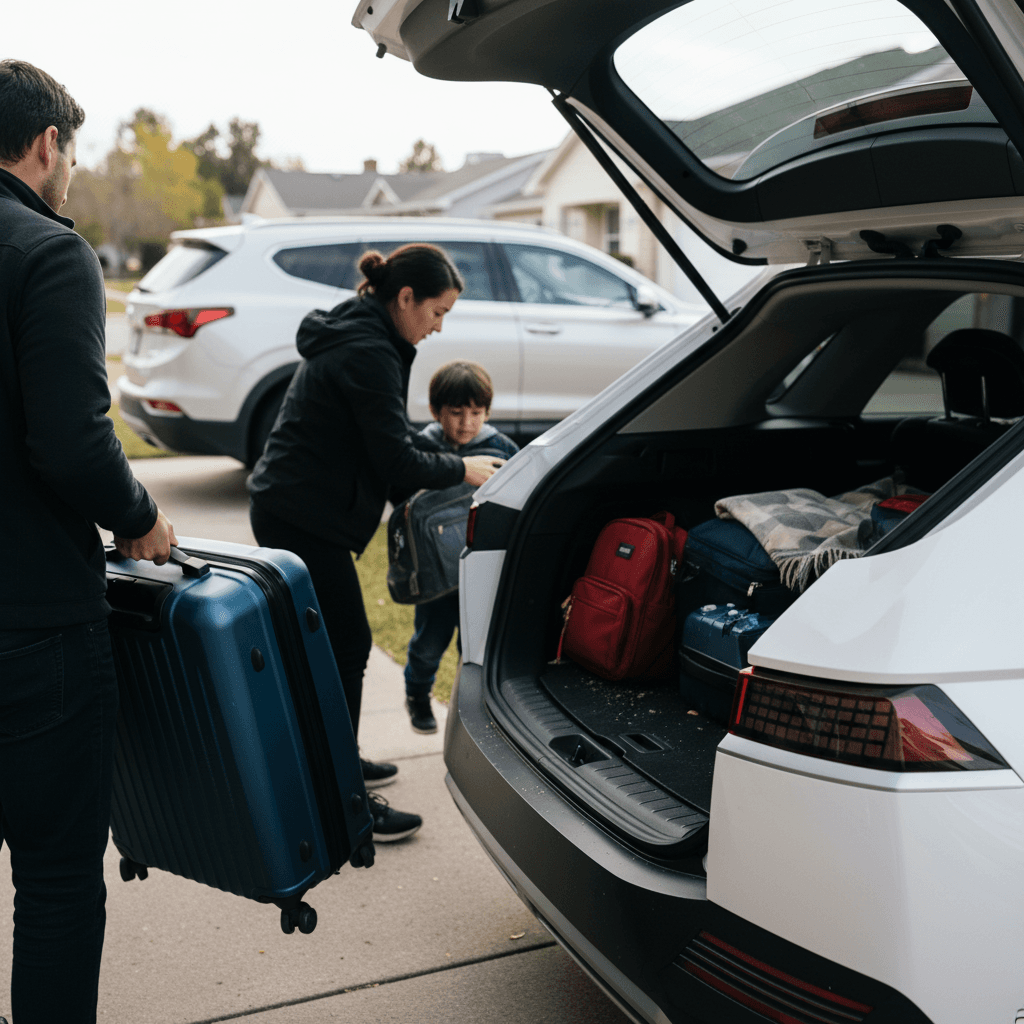
On paper, the Santa Fe is the larger SUV and can be ordered with three rows. The Ioniq 5 is technically a compact crossover, but because of its long wheelbase and flat floor, it feels almost as roomy in the first two rows, and in some ways roomier.
Hyundai Santa Fe vs Hyundai Ioniq 5: space basics
Approximate U.S.‑market figures; exact numbers vary by model year and trim.
| Feature | Hyundai Santa Fe (recent gen) | Hyundai Ioniq 5 |
|---|---|---|
| Seating | Up to 7 (optional 3rd row) | 5 (2 rows only) |
| Overall length | ~188–190 in | ~182.5 in |
| Wheelbase | ~110–114 in | 118.1 in (very long for class) |
| Cargo behind 2nd row | Roughly mid‑30s cu ft | Low‑30s cu ft (varies slightly by year) |
| Cargo max (seats folded) | Mid‑70s+ cu ft | Mid‑50s cu ft |
| Frunk (front trunk) | N/A | Small, best for cables or small bags |
Think of the Ioniq 5 as a spacious two‑row with generous legroom, not a shrunken hatchback.
From the driver’s seat and second row, the Ioniq 5 feels big and airy. That long wheelbase gives excellent rear legroom, and the sliding rear bench lets you trade legroom for cargo as needed. Where you’ll notice the downsizing is with all seats folded: the Santa Fe simply swallows more volume, especially tall or boxy items.
Third-row reality check
Comfort, ride and noise: from gas SUV to quiet EV
One of the biggest surprises for Santa Fe owners moving to an Ioniq 5 is how different the cabin feels even at low speeds. The electric drivetrain removes engine vibration and most drivetrain noise, and you only really hear wind and tire noise at highway speeds.
Ride quality
- Hyundai Santa Fe: Tuned as a comfortable family SUV. You’ll feel sharper bumps, especially with larger wheels or on older pavement, but it’s generally composed.
- Hyundai Ioniq 5: Feels solid and planted thanks to the heavy battery in the floor. Around town, the ride is smooth and refined. On broken pavement, the extra weight can make certain hits feel firmer than you might expect from a traditional SUV.
Noise and refinement
- City and suburbs: The Ioniq 5 is noticeably quieter with no engine noise, which makes conversations and podcasts easier.
- Highway: The Ioniq 5 has good noise isolation for the class, but some Santa Fe trims with acoustic glass and extra insulation can be similarly refined. Tire choice matters a lot; eco‑focused EV tires can transmit more road texture.
Tires can change the whole character
Performance and driving feel: torque vs tradition
Santa Fe powertrains range from modest four‑cylinder engines to more powerful turbo and hybrid setups. They get the job done, but they still behave like traditional gas SUVs: downshifts on on‑ramps, more noise when you need power, and a moment of delay when you ask for full throttle.
How the Ioniq 5 changes your daily drive
From school runs to highway merges
Instant response
Smoother acceleration
One-pedal driving
Confidence on ramps and passes
Range, battery and charging: learning the EV rhythm
Gas SUV ownership trains you to think in terms of "400 miles, then five minutes at a pump." The Ioniq 5 replaces that with more frequent, shorter charging sessions and a strong preference for starting each day full from home.
Ioniq 5 battery options and typical real‑world use
U.S.‑market, non‑performance trims. Exact figures depend on model year, wheels and drivetrain, but this gives a realistic range picture for Santa Fe owners.
| Ioniq 5 configuration | EPA range (approx.) | Best use case for a Santa Fe owner |
|---|---|---|
| Standard‑range RWD (smaller battery) | Low‑200s miles | Short daily commutes, heavy home‑charging, rare long road trips. |
| Long‑range RWD | Around 300–318 miles depending on year | Best mix of price and highway flexibility if you do a few long trips a year. |
| Long‑range AWD | Mid‑ to high‑200s miles | Snow‑belt drivers or those who want maximum traction and strong acceleration. Slight range penalty vs RWD. |
For most Santa Fe owners who commute and run local errands, even the smaller‑battery Ioniq 5 is sufficient if home charging is available.
On 800‑volt chargers (which many modern DC fast chargers are), the Ioniq 5 is one of the quicker‑charging EVs in its price range, often going from 10% to around 80% in roughly 18–20 minutes in ideal conditions. Newer model years in the U.S. also add a NACS (Tesla‑style) port, giving direct access to most Tesla Superchargers without an adapter.
How charging changes your routine vs a Santa Fe
1. Install (or plan for) home charging
The biggest lifestyle win comes when you can plug in overnight, usually a 240V Level 2 charger in your garage or driveway. That turns every morning into "full tank" without detours.
2. Think in daily miles, not tank range
Instead of asking, "How far can it go on a charge?" ask, "How many miles do I actually drive on a typical day?" If that’s under 80–120 miles, you’ll likely charge only a few times a week.
3. Use fast charging strategically
On road trips, plan DC fast‑charging stops every 120–180 miles rather than emptying the pack. Shorter, more frequent top‑ups are both faster and better for battery health than going from near‑empty to 100%.
4. Expect more planning at first
Your first long EV trip requires route planning and backup charging options. After a couple of trips, it becomes routine, just different from stopping at any gas station.
5. Learn your real-world range
Just as your Santa Fe’s highway economy drops at 80 mph or when towing, your Ioniq 5’s range depends on speed, weather and load. Give yourself a few weeks to understand how it behaves on your routes.
If you can’t install home charging
Running costs and maintenance: what changes after the switch
A big part of the appeal in moving from a Santa Fe to an Ioniq 5 is what happens to your monthly operating costs. You’re trading fuel, oil changes and engine‑related maintenance for electricity and tires.
Energy costs
- Fuel vs electricity: A Santa Fe that averages mid‑20s mpg will burn a lot of gas in a year. An Ioniq 5 typically uses around 25–30 kWh of electricity per 100 miles in mixed driving. Depending on your local electricity rate, that often translates to 30–60% lower energy cost per mile than gasoline.
- Home vs public charging: Home charging, especially on off‑peak or EV‑specific rates, is cheapest. Public fast charging can edge closer to or even exceed gas‑equivalent pricing, so it’s best used for trips, not daily fueling.
Maintenance
- No oil changes, spark plugs or exhaust: The Ioniq 5 eliminates many routine items that keep Santa Fe owners visiting the service lane.
- Still needs brakes, tires and fluid services: Regenerative braking stretches pad life, but tires may wear faster because of the Ioniq 5’s weight and instant torque. Coolant and other EV‑specific fluids still need periodic service.
Total cost of ownership with a used Ioniq 5
Living without a third row and towing tradeoffs
Santa Fe owners often lean on two specific capabilities: the optional third row and decent towing capacity. The Ioniq 5 can handle some towing, but it’s not a direct replacement for everything the Santa Fe can do in those areas.
- Third row: The Ioniq 5 has none. If you truly need 6–7 seats regularly, it’s not the right solo family vehicle.
- Towing: Depending on model year and region, the Ioniq 5 can tow a moderate trailer when properly equipped, but you’ll see a substantial range hit, especially at highway speeds.
- Roof and cargo: Roof racks and cargo boxes are possible but also eat into range. For many families, a hitch rack for bikes or a small utility trailer is a better fit than a heavy camper.
Range drops quickly when towing
Buying a used Hyundai Ioniq 5 after a Santa Fe
Many Santa Fe owners don’t jump straight into a new Ioniq 5, they look seriously at the used market, where 2022–2024 models are showing up in meaningful numbers. Here’s how to approach that shift intelligently.
Key decisions when moving from a used Santa Fe to a used Ioniq 5
Trim, battery and charging considerations
Pick the right battery and drivetrain
Confirm charging options
Check battery health and history
Test drive for highway comfort
Learn the software
Run the full cost math
Where Recharged fits in
Checklist for Santa Fe owners test‑driving a used Ioniq 5
1. Sit in every seat with car seats installed
If you use child seats in your Santa Fe, bring them and install them in the Ioniq 5. Check rear‑facing clearance, buckle access and how easily kids climb in.
2. Do a full‑load cargo test
Load strollers, sports gear or luggage you regularly carry in the Santa Fe. Pay attention to load height and how much vertical room you lose under the Ioniq 5’s hatch.
3. Try your real commute route
If possible, replicate your daily commute and a typical weekend errand loop. Watch estimated range before and after to understand your personal energy use, not just brochure numbers.
4. Test driver-assistance features
Compare lane‑keeping, adaptive cruise and blind‑spot systems to your Santa Fe. Many Ioniq 5s have Hyundai’s latest driver‑assist tech, which can make highway drives more relaxing.
5. Review the battery report
Ask for documentation of battery health. On Recharged, that’s built into the Recharged Score; elsewhere, you may need a third‑party inspection or diagnostic report.
6. Confirm charging hardware included
Make sure the car comes with at least a portable charging cable, and ask about any wall boxes or adapters the previous owner might be including in the sale.
FAQ: Hyundai Santa Fe owner switching to Ioniq 5
Common questions from Santa Fe drivers
Bottom line: should a Santa Fe owner switch to an Ioniq 5?
If your Hyundai Santa Fe mostly serves as a two‑row family crossover with light towing or no towing, and you can install home charging, the Hyundai Ioniq 5 is a compelling upgrade. You gain smoother performance, lower running costs and a more refined daily drive, while keeping enough space for kids, strollers and weekly shopping. The biggest sacrifices are the third row, some ultimate cargo capacity and the simplicity of gas road trips.
The smartest path is to treat this switch as a numbers and lifestyle decision, not just a styling upgrade. Test an Ioniq 5 on your real routes, load your actual family gear into the back and run the total cost math over several years. If you decide a used Ioniq 5 fits your life, Recharged can help you find one with verified battery health, fair market pricing and EV‑specialist guidance, including trade‑in options for your Santa Fe and nationwide delivery, so your first step into EV ownership is as transparent and low‑stress as possible.