If you’re eyeing a used Hyundai Kona Electric or wondering what your own car is worth as it nears its third birthday, you’re asking the right question. Hyundai Kona Electric value after 3 years sits in a sweet spot where depreciation has done its damage, but the battery, tech and warranty still look fresh. That combination can make the Kona Electric one of the smarter used EV plays, if you understand how the numbers actually work.
The quick take
Why 3‑Year Value Matters For The Kona Electric
Three years is a pivotal moment for any EV, and particularly for the Kona Electric. It’s when leases end, cars roll out of their first owner’s honeymoon period, and a wave of low‑mileage examples hits the used market. It’s also the point when future battery worries start whispering in the back of shoppers’ minds. Understanding where value settles at 36 months tells you whether you should lease, buy new and keep, or let someone else eat the steepest chunk of depreciation and shop used instead.
Hyundai Kona Electric Value Snapshot Around Year 3*
A note on numbers
How Much Is a 3‑Year‑Old Hyundai Kona Electric Worth?
Used values move month to month, but by early 2026 there’s a clear pattern: a 3‑year‑old Hyundai Kona Electric (think 2022 model in average condition and mileage) typically trades at a solid mid‑$20,000s price point in much of the U.S., with meaningful variation either side.
Illustrative 3‑Year‑Old Kona Electric Price Bands (U.S.)
These broad bands synthesize values from major pricing guides and real‑world listings as of early 2026. They’re not offers from Recharged or any specific dealer, but they sketch the ballpark you’re likely to see.
| Trim / Condition | Lower Mileage (≈24k mi) | Average Mileage (≈36k mi) | High Mileage (50k+ mi) |
|---|---|---|---|
| SEL / SE | $24,000–$26,000 | $22,000–$24,000 | $19,000–$21,000 |
| Limited | $25,500–$27,500 | $23,500–$25,500 | $21,000–$23,000 |
| Ultimate (where offered) | $26,000–$29,000 | $24,000–$27,000 | $22,000–$24,000 |
Assumes clean title, no major accident history, and typical mileage for age.
Those numbers translate to roughly 60–65% of original MSRP for a typical 3‑year‑old Kona Electric. Higher‑spec Limited and Ultimate trims tend to lose a bit more in dollar terms but can still command a premium because of equipment like ventilated seats, better audio, and active safety features that stay desirable in the used market.
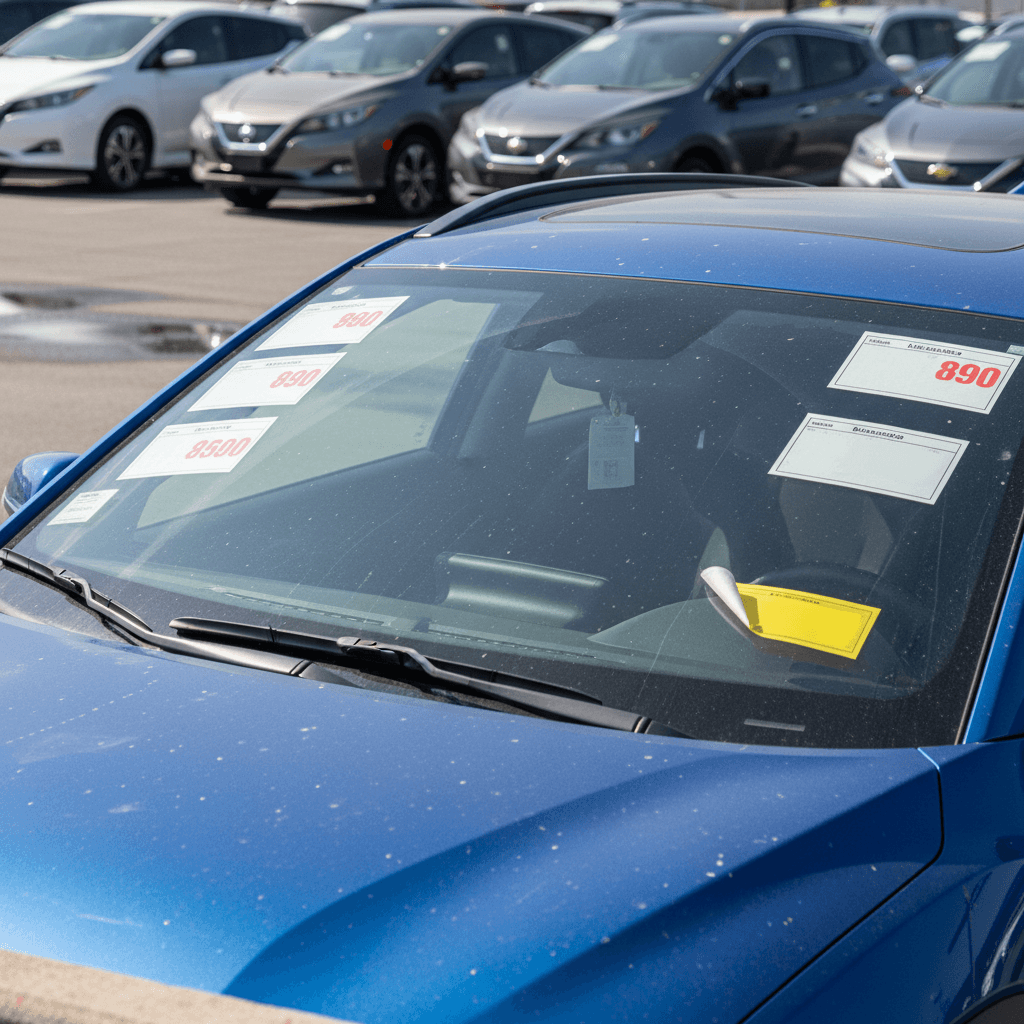
Kona Electric 3‑Year Depreciation vs Other EVs
On pure depreciation, the Hyundai Kona Electric is neither the hero nor the villain of the EV world. It sits comfortably in the upper middle of the pack, better than many early EVs, short of Tesla’s iron‑grip resale, but quietly impressive for a mainstream compact crossover.
How the Kona Electric Stacks Up After 3 Years
A directional look at where the Kona Electric lands versus popular rivals, focusing on value retention rather than brand hype.
Hyundai Kona Electric
Retention: Roughly low‑60% range after 3 years.
Story: Strong efficiency, long battery warranty, and practical range keep demand steady, especially where charging and HOV perks are good.
Nissan Leaf / older EVs
Retention: Often noticeably lower than the Kona, especially for older 40 kWh Leafs.
Story: Shorter range and air‑cooled batteries tug prices down as newer, longer‑range options flood the market.
Tesla Model 3
Retention: Still above the Kona Electric at 3 years in many markets.
Story: Massive brand pull and access to Superchargers keep values strong, though recent price cuts have taken some shine off.
Don’t compare MSRP alone
What Drives Hyundai Kona Electric Value After 3 Years
If you stripped the badges off, the Kona Electric would still be a desirable used car because it nails fundamentals: decent range, small‑SUV practicality, and a long warranty. But at the 3‑year mark, a handful of factors really sharpen or dull its resale edge.
- Range and efficiency: Around 258 miles EPA‑rated range for earlier U.S. models made the Kona Electric a standout when new and still competitive three years later. Efficient EVs hold value better because they stay practical longer.
- Warranty story: Hyundai’s 10‑year EV component warranty (with specific mileage limits) leaves 7+ years of coverage on many 3‑year‑old examples, which supports buyer confidence.
- Trim and tech: Limited and Ultimate trims with full driver‑assist suites, heated seats, and upgraded infotainment draw stronger interest, particularly in colder climates.
- Mileage and use case: A 3‑year‑old Kona EV with 18,000 miles and home‑charging history will out‑punch the value of a rideshare‑driven car with 60,000 miles and constant DC fast‑charging.
- Market tides: Shifting federal and state incentives, plus newer long‑range competitors, can tug prices up or down quickly. For example, steep discounts on new EVs in late 2023–2025 briefly pushed some used prices down more than historical norms.
Macro forces you can’t control
- New‑car incentives: Big rebates on new Kona Electrics or rivals instantly make used prices look rich.
- Interest rates: Higher APRs make monthly payments on used and new converge, narrowing the price advantage of used.
- Local policy: HOV lane access, congestion charges, and city EV perks can all juice or sap demand.
Variables you can influence
- Maintenance records: Documented service and recalls handled on time help justify a stronger asking price.
- Battery‑friendly habits: Moderate charging habits and good range behavior keep your battery metrics (and value) healthier.
- Timing the sale: Listing just before a new‑model refresh or big incentive change can protect your resale value.
Battery Health After 3 Years: How Worried Should You Be?
Underneath every Kona Electric transaction is an unspoken question: Is the battery still good? Three years is usually too early for serious trouble if the pack hasn’t been abused, and owner reports tend to back that up.
Real‑world degradation is modest
- Thermal management: Unlike some early budget EVs, the Kona Electric uses active liquid cooling, which helps keep the battery in its comfort zone and slows long‑term wear.
- Warranty backstop: The long EV component warranty in the U.S. doesn’t guarantee zero degradation, but it does protect against severe defects and gives second owners peace of mind.
- Charging habits: Cars fed mostly on overnight Level 2 charging and limited DC fast‑charging tend to age more gracefully than road‑warrior fast‑charge veterans.
- Climate: All batteries hate heat. A Texas commuter car that lives outside will age faster than a garaged Kona in Seattle, and local buyers price that in, consciously or not.
How Recharged helps you read the battery tea leaves
Leasing, Residuals, and 3‑Year Buyouts
Hyundai and its finance partners have used relatively strong lease residuals on the Kona Electric to keep monthly payments attractive. For you as a lessee, that residual is effectively the price you’re offered to keep the car at the 3‑year mark. Whether that’s a bargain or a bad idea depends on how it compares to the real used market.
When buying out your lease makes sense
- Your buyout price is several thousand below similar Kona Electrics listed locally.
- The car’s history is known and clean – no accidents, no mystery fast‑charging behavior, meticulous service.
- You like the car and plan to drive it for another 5+ years, stretching fixed depreciation over more miles.
When you may be better walking away
- The residual is close to or above retail prices for comparable cars in your area.
- New EVs with more range and better charging are effectively cheap after incentives and discounts.
- You’ve had recurring issues or simply want newer safety tech and software.
Watch the incentive gap
How to Evaluate a 3‑Year‑Old Kona Electric
Whether you’re shopping a used lot, browsing online, or deciding what your own car is worth, you’ll want a structured way to judge a 3‑year‑old Kona Electric. Think of it like a value triage: battery, body, paperwork, then price.
7‑Step Checklist for Judging a 3‑Year‑Old Kona Electric
1. Confirm the trim level
Check the VIN decode or window sticker if available. An SEL/SE is worth less than a Limited or Ultimate, but base trims can offer better value if you don’t need every gadget.
2. Look at mileage versus age
Around 36,000 miles is a typical 3‑year figure. A lot less can signal gentle use, or city abuse. A lot more isn’t necessarily bad if maintenance is solid and charging habits are reasonable, but it should knock the price down.
3. Pull a full history report
Accident damage, title issues, lemon buybacks, and airbag deployments all scar value. So do multiple owners in a short time or gaps in registration. These should show up in a Carfax/AutoCheck‑style report.
4. Ask for battery health data
Ideally, you want a recent diagnostic report, not just a range estimate after a charge. On Recharged, the Recharged Score gives you verified pack health; at a dealership, ask what they can provide.
5. Inspect for charging wear
Pop the charge port and look for bent pins, corrosion, or cracked plastics. Excessive DC fast‑charging miles or a rough public‑charging life can show up there.
6. Test range against expectations
On a test drive, watch projected range versus miles actually driven. Mild, consistent discrepancy is normal; wild swings can hint at calibration issues or a battery that’s had a hard life.
7. Benchmark the price
Before you sign, compare the ask to multiple valuation tools and similar listings by trim, year, miles, and region. If the car is priced like a cream puff, it needs to <strong>be</strong> a cream puff.
Tips to Maximize Your Kona Electric’s 3‑Year Value
If you already own a Kona Electric and you’re looking three years down the road, you have more control over your future resale price than you might think. Value isn’t just about macro EV trends; it’s about the story your particular car tells the next owner.
Four Ways to Protect Your Kona Electric’s Future Value
Habits you start now will show up in your resale numbers later.
Charge kindly
Avoid baking the battery at 100% or living at 0%. Use scheduled charging to finish just before you leave, and save DC fast‑charging for trips.
Save the receipts
Keep a tidy folder (physical or digital) with service records, recall paperwork, tire rotations and alignment invoices. Buyers pay for proof.
Keep it clean
Regular detailing, paint protection, and fixing curb‑rashed wheels do more than boost pride; they also make your car pop in photos and on the lot.
Time your exit
If you plan to sell, consider listing before a major refresh, model‑year change, or when big new‑car incentives land in your region.
Let Recharged do some of the heavy lifting
Is a 3‑Year‑Old Kona Electric a Good Buy in 2026?
For the right shopper, a 3‑year‑old Hyundai Kona Electric hits a rare sweet spot. The steepest depreciation has already happened, but you still get a long stretch of warranty coverage, modern safety tech, and range that works for most daily driving. And unlike some early EV experiments, the Kona Electric doesn’t feel like a rolling beta test; it feels like a mature, efficient tool with a bit of personality.
Who a 3‑year‑old Kona Electric suits
- Commuters driving 20–80 miles a day who want predictable running costs.
- Households adding a second car for errands, kids’ activities, and in‑town duty.
- Buyers who value practical range + warranty more than badge prestige.
- Anyone who prefers to let the first owner eat the depreciation hit.
When you might look elsewhere
- If you road‑trip constantly and want the fastest DC fast‑charging and ironclad access to the latest networks.
- If you need more cargo space or AWD than the Kona Electric offers.
- If a new‑car deal (with incentives) is within striking distance of used pricing.
The punchline: Hyundai Kona Electric value after 3 years is better than the doom‑and‑gloom headlines suggest. In a market where some early EVs have fallen off a cliff, the Kona’s combination of range, warranty, and efficiency has quietly kept it relevant, and relatively resilient. If you’re shopping used, a carefully vetted 3‑year‑old Kona Electric can deliver a lot of EV for the money. And if you already own one, smart charging habits, clean paperwork, and good timing can help make sure your car tells a story the next owner is willing to pay for. When you’re ready, Recharged is built to make that next step, buying or selling, transparent, data‑driven, and far less stressful than the usual used‑car roulette.