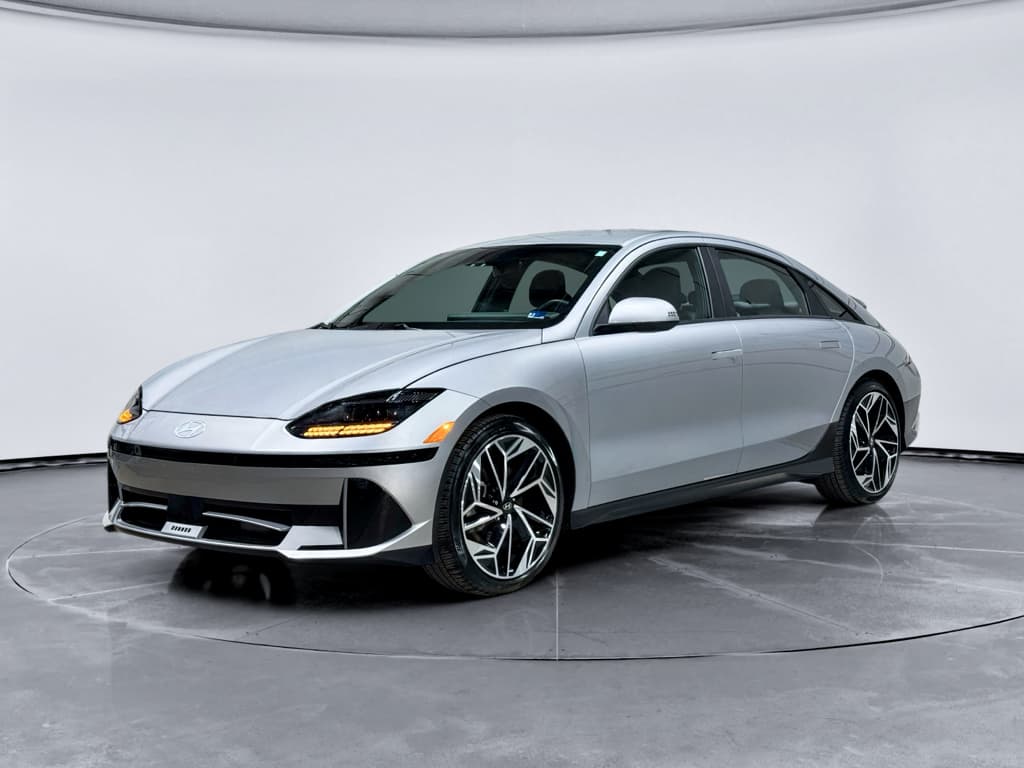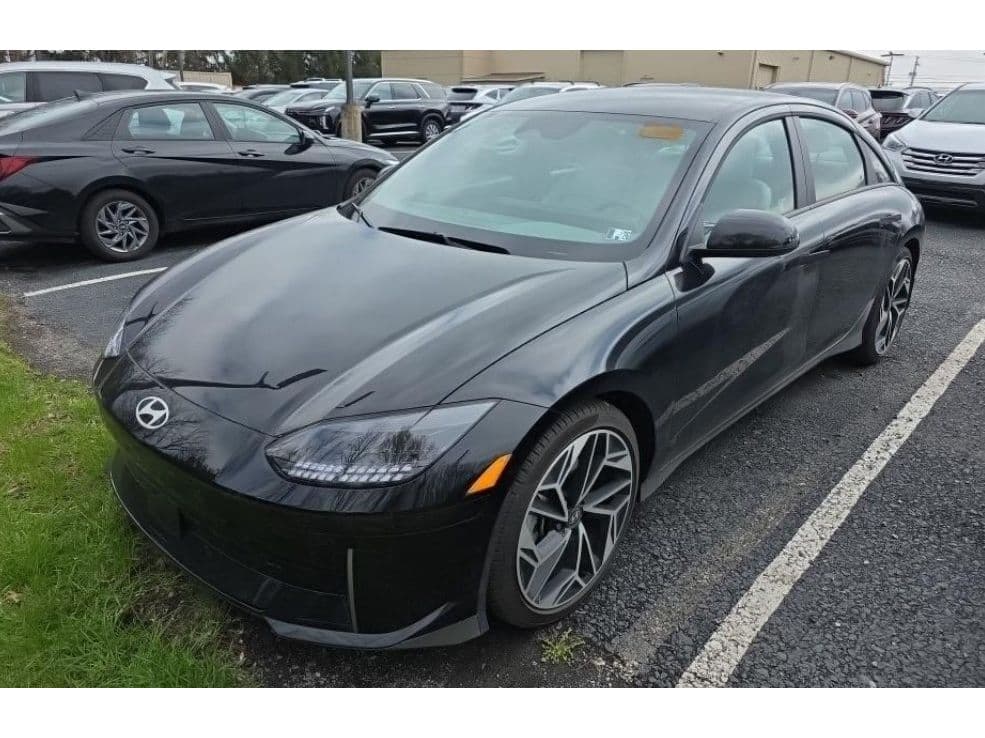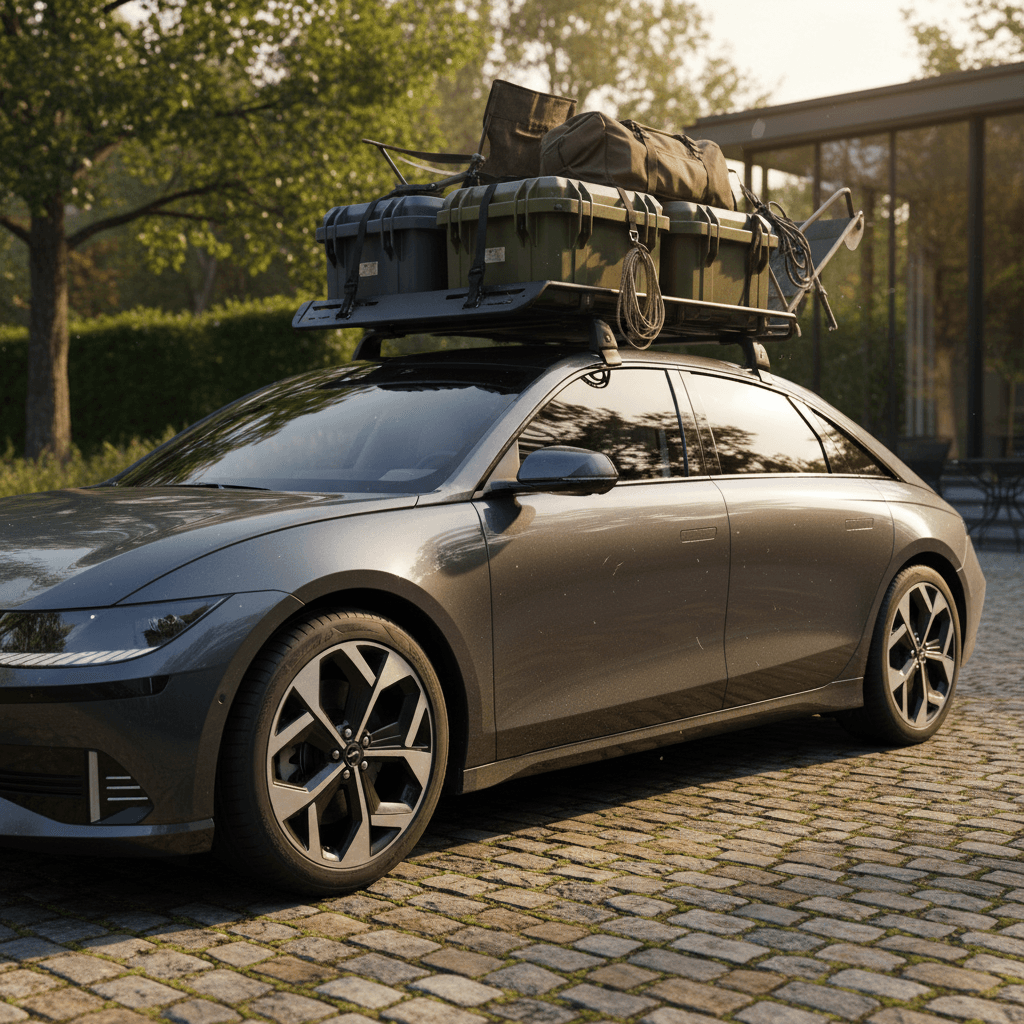
If you’re planning to haul bikes, skis, or a cargo box on your Hyundai Ioniq 6, the first thing you need to know is the **roof rack weight limit**. Because the Ioniq 6 rides low, has a glass-heavy roof, and was designed for slipperier aerodynamics than most SUVs, staying within the official limit isn’t just a legal box to tick, it’s critical for safety, structure, and range.
Short answer
Hyundai Ioniq 6 roof rack weight limit: quick overview
Hyundai Ioniq 6 roof rack load numbers at a glance
Hyundai’s global spec tables list the **Ioniq 6 roof rack (roof load) limit as 80 kg** across main battery and drivetrain variants. That figure is broadly consistent with many midsize sedans and EVs, but the **way you use it on an Ioniq 6 matters more** because of the car’s low ride height, long wheelbase, and aero-focused roofline.
- The 80 kg limit is for **driving**, not for parked/camping scenarios.
- It includes **everything on the roof**: crossbars, feet, bike trays or boxes, and the gear itself.
- Hyundai can change specs by market and model year, so always double‑check your **owner’s manual or door‑jamb label** for your specific car.
US vs. international documents
Dynamic vs static roof load on the Ioniq 6
Most confusion around the Hyundai Ioniq 6 roof rack weight limit comes from mixing up **dynamic** and **static** load. They’re related but not interchangeable, and automakers generally only publish the dynamic number.
Dynamic vs static load: why it matters
Understanding the 80 kg limit on your Ioniq 6
Dynamic roof load
Dynamic load is the total weight on the roof while you’re driving:
- Includes rack, accessories, and cargo.
- Hyundai’s Ioniq 6 dynamic roof load: 80 kg (176 lb).
- Limited by handling, rollover risk, and roof structure under bumps and emergency maneuvers.
Static roof load
Static load is the weight the roof can support while the car is parked:
- Higher than dynamic, but Hyundai does not publish a number.
- Roof‑top tents often quote static loads, which can be misleading.
- Without an official static spec, treating 80 kg as a hard cap is the conservative approach.
Rooftop tents on an Ioniq 6? Think twice.
How much can you really carry on an Ioniq 6 roof rack?
The 80 kg (176 lb) limit sounds like plenty until you subtract the weight of the rack itself and whatever mounts you’re using. To stay comfortably inside the envelope, it helps to think in terms of **all‑in system weight**.
Practical Ioniq 6 roof rack load examples
Approximate real‑world setups and how close they get to the 80 kg limit.
| Use case | Typical rack + mounts | Cargo weight | Total on roof | Is it within 80 kg? |
|---|---|---|---|---|
| Two bikes on upright trays | ~12–15 kg (26–33 lb) | ~30–36 kg (66–80 lb) | ~42–51 kg (93–112 lb) | Comfortably within limit |
| Four bikes on upright trays | ~15–18 kg (33–40 lb) | ~60–72 kg (132–159 lb) | ~75–90 kg (165–198 lb) | Often at or above limit, risky |
| Medium cargo box (400–450 L) | ~15–20 kg (33–44 lb) | ~25–35 kg (55–77 lb) | ~40–55 kg (88–121 lb) | Comfortably within limit |
| Large cargo box stuffed for vacation | ~18–22 kg (40–49 lb) | ~50–65 kg (110–143 lb) | ~68–87 kg (150–192 lb) | Easy to exceed 80 kg, pack light |
| Two kayaks on saddles/J‑cradles | ~12–16 kg (26–35 lb) | ~36–50 kg (79–110 lb) | ~48–66 kg (106–146 lb) | Generally within limit if kayaks are light |
Always check actual weights for your specific rack, box, or carriers, these are illustrative, not exact.
A simple rule of thumb
Rack types that work (and what to avoid) on Ioniq 6
Because the Ioniq 6 has a smooth, rail‑less roof and an available sunroof, the rack you choose, and how it clamps to the body, matters as much as the weight you put on top.
Common rack setups for the Hyundai Ioniq 6
Pros, cons, and weight considerations
Aftermarket clamp‑on crossbars
Systems from brands like Yakima, Prorack, and others use door‑jamb clamps and model‑specific pads.
- Pros: Widely available, removable, compatible with bike/ski/box mounts.
- Cons: Add 5–8 kg (11–18 lb); must be installed exactly per fit guide.
- Best for: Seasonal use, bikes, skis, cargo boxes.
Cargo boxes & baskets
Hard boxes and open baskets bolt to crossbars.
- Pros: Great for light, bulky items (clothes, camping gear).
- Cons: Boxes add 15–25 kg; baskets can tempt you to overpack heavy stuff.
- Best for: Family road trips, freeing up trunk space.
Rooftop tents
Heavy fold‑out tents marketed heavily to SUV owners.
- Pros: Cool Instagram shots.
- Cons: Many tents alone weigh 45–70 kg, leaving little or no margin for occupants.
- Best for: Honestly, a different vehicle with rails and higher published capacity.
Watch your fitment if you have a sunroof
How to choose a compatible Hyundai Ioniq 6 roof rack
The right rack for your Hyundai Ioniq 6 isn’t just “anything that fits.” You want a system that respects the 80 kg roof load limit, clears the roof safely, and doesn’t chew up your efficiency more than necessary.
Step‑by‑step: picking an Ioniq 6 roof rack
1. Start with the official limit
Confirm the **80 kg roof rack load** in your owner’s information for your model year. Treat it as a hard ceiling. You’ll be subtracting rack and accessory weight from this number.
2. Use a vehicle‑specific fit kit
Choose a system whose fit guide explicitly lists the Hyundai Ioniq 6 by year and roof type. Generic “fits most sedans” kits are risky on a low, glass‑heavy EV roof.
3. Check the rack’s own rating
Every rack has its own max capacity. Your safe limit is the **lower of Hyundai’s 80 kg spec and the rack manufacturer’s rating**, never the higher one.
4. Add up every component
Crossbars + feet + bike trays or box + cargo = total roof load. Put heavy items on a scale once; you’ll be surprised how fast weight adds up.
5. Prioritize low weight & aero
Aluminum, aero‑profile bars weigh less and create less drag and noise. That matters more on an Ioniq 6 than on a brick‑shaped SUV.
6. Plan for your heaviest trip
If you’ll rarely max out the rack, choose based on your worst‑case scenario: four bikes, winter gear, or a fully packed box. Buy for that reality, not the lightest day.
Where Recharged fits in
Ready to find your next EV?
Browse Vehicles
Loading and driving safely with a loaded Ioniq 6 roof rack
Staying under 80 kg is necessary but not sufficient. How you load the rack and how you drive your Ioniq 6 once it’s loaded are just as important for safety and comfort.
Smart loading practices
- Keep weight low and centered: Place heavier items between the crossbars, as close to the centerline of the car as possible.
- Balance left to right: A lopsided load can make the Ioniq 6 feel twitchy in crosswinds and during lane changes.
- Secure everything: Use all provided straps and attachment points. Soft items in a box can shift and change handling.
- Check clearances: Remember the added height when entering garages, drive‑thrus, and parking structures.
Driving adjustments
- Slow down a bit: Extra drag and weight increase stopping distances and reduce range. Cruising 5–10 mph slower can offset a lot of the hit.
- Leave more following distance: Your Ioniq 6’s low center of gravity and strong brakes help, but roof loads still increase inertia.
- Be gentle in corners: Quick transitions and aggressive lane changes are what stress a loaded roof structure most.
- Listen for new noises: Whistles or clunks can signal a loose clamp or an accessory that needs adjustment.
Re‑torque after your first drive
Roof racks, range, and noise: what to expect
One of the Ioniq 6’s calling cards is its **excellent efficiency** thanks to a very low drag coefficient. Bolt a box, bikes, or kayaks on top and you’re undoing some of Hyundai’s wind‑tunnel work. That doesn’t mean you shouldn’t use a rack, but you should know what’s normal.
- A slim, empty set of crossbars might cost you roughly **3–5% range** at highway speeds.
- Add a medium cargo box and you can easily see **10–15% less range** on a long freeway drive, depending on speed and wind.
- Tall, messy loads (bikes, kayaks) can push the penalty even higher, sometimes over **20% at 70–75 mph**.
- Wind noise will increase, especially around the A‑pillars and roof; moving the front bar slightly back can sometimes reduce whistling.
Plan charging stops with extra margin
Buying a used Ioniq 6 with a roof rack: what to inspect
If you’re shopping the used market, an Ioniq 6 that’s clearly been someone’s adventure rig isn’t inherently a bad thing. You just want to make sure the roof system was used within its 80 kg limit and installed correctly.
Used Hyundai Ioniq 6 + roof rack: inspection checklist
Look for clamp and paint damage
Open doors and inspect the roof edge where clamp‑on feet sit. Deep scratches, chipped paint, or deformed weatherstripping suggest the rack may have been over‑tightened or overloaded.
Ask how it was used
Occasional ski trips with a light box are very different from towing plus four bikes and a cargo box every weekend. A seller who knows the **80 kg limit** and can describe their loads is a good sign.
Check for water leaks and wind noise
On a test drive, listen for wind hiss around the A‑pillars and roof. After a wash or rain, check headliner corners for signs of moisture, a sign of potential seal issues.
Inspect accessories and hardware
Loose or mismatched hardware, missing end caps, or obviously non‑matching feet/bars suggest a DIY mix‑and‑match setup. Budget time or money to replace the system with a correct fit.
Review the Recharged Score report
When you buy through <strong>Recharged</strong>, your Ioniq 6 comes with a <strong>Recharged Score battery and vehicle health report</strong>. Use it to understand how the car’s been used and whether its condition matches a life of light, occasional rack duty, or serious hauling.
Hyundai Ioniq 6 roof rack weight limit FAQs
Frequently asked questions about the Ioniq 6 roof rack weight limit
Key takeaways for Ioniq 6 roof rack weight limits
The Hyundai Ioniq 6 is more than just an efficient electric sedan, it’s a capable long‑distance hauler as long as you respect its **80 kg (176 lb) roof rack weight limit**. Choose a rack system that’s explicitly designed for the Ioniq 6, add up the full system weight (bars, mounts, accessories, and cargo), and aim to run with some margin below the published maximum. Load smart, drive smoothly, and you’ll preserve the car’s sharp handling, strong braking, and standout efficiency.
If you’re considering a **used Ioniq 6** as your next road‑trip EV, buying through Recharged means getting a vehicle with a verified Recharged Score, expert EV guidance, and transparent history, so you can spend more time planning routes and less time wondering how the previous owner used those racks.