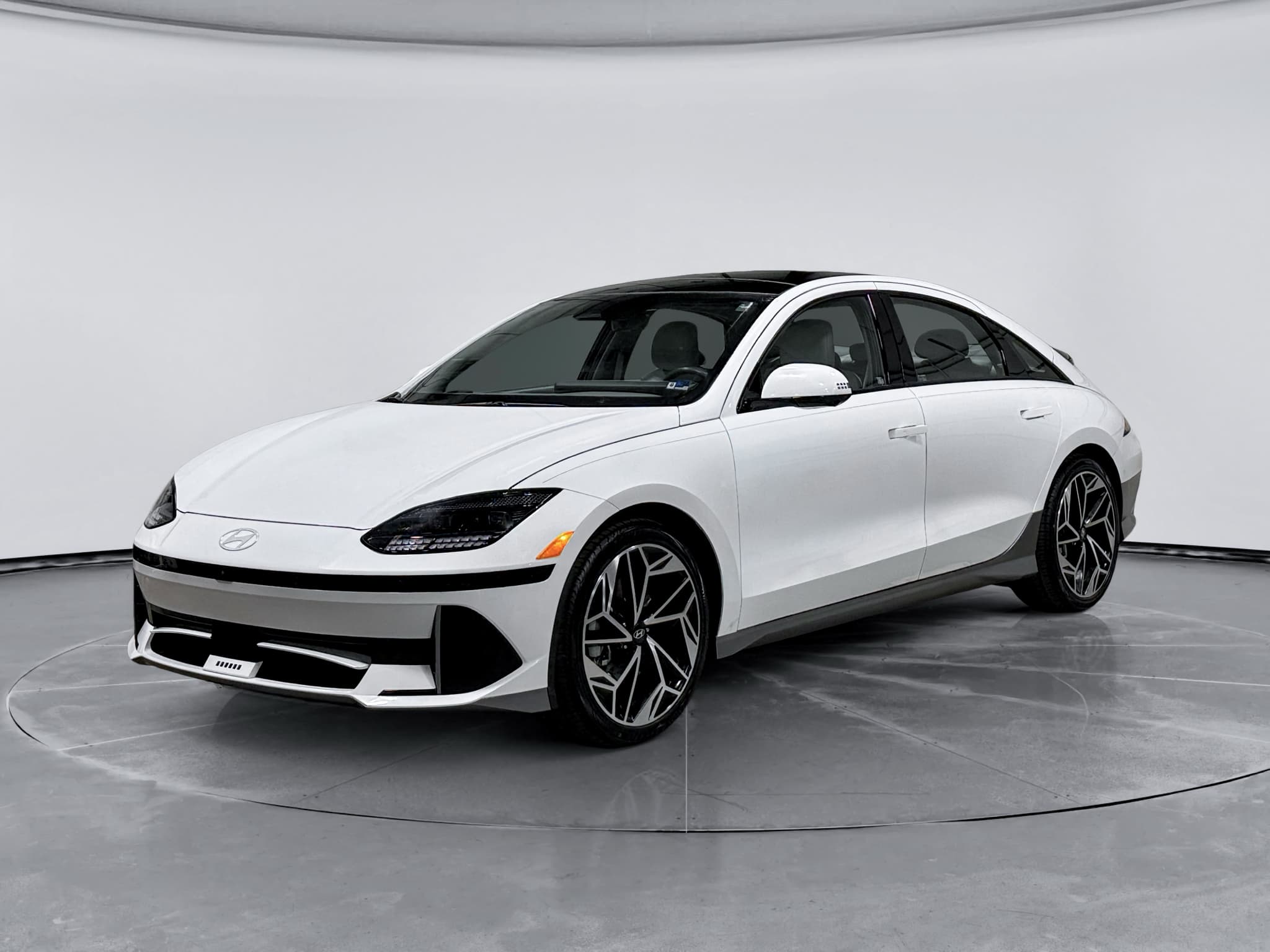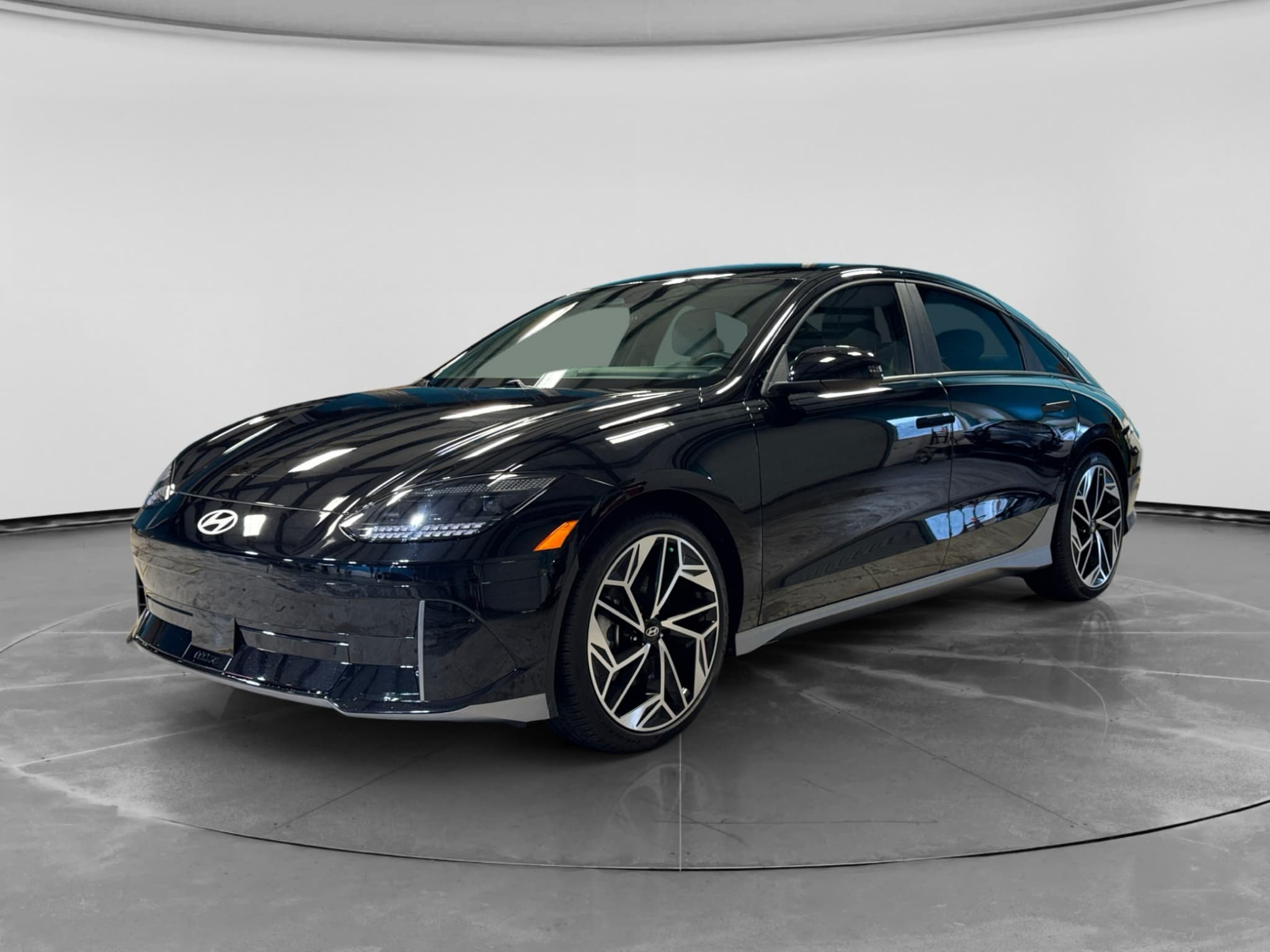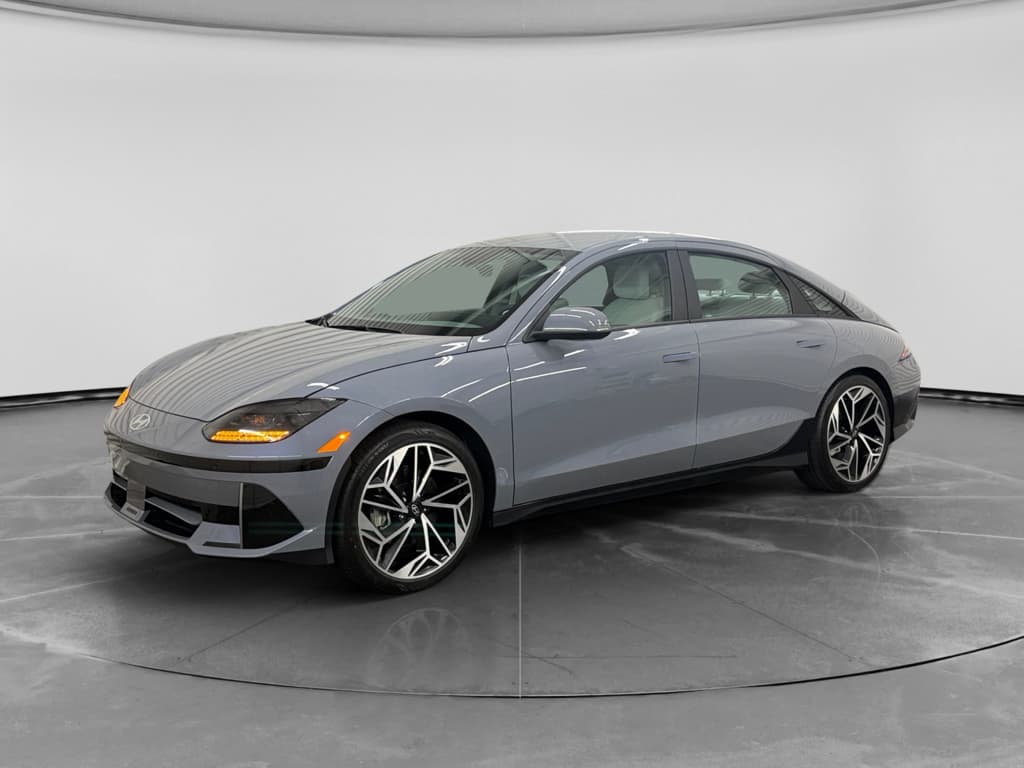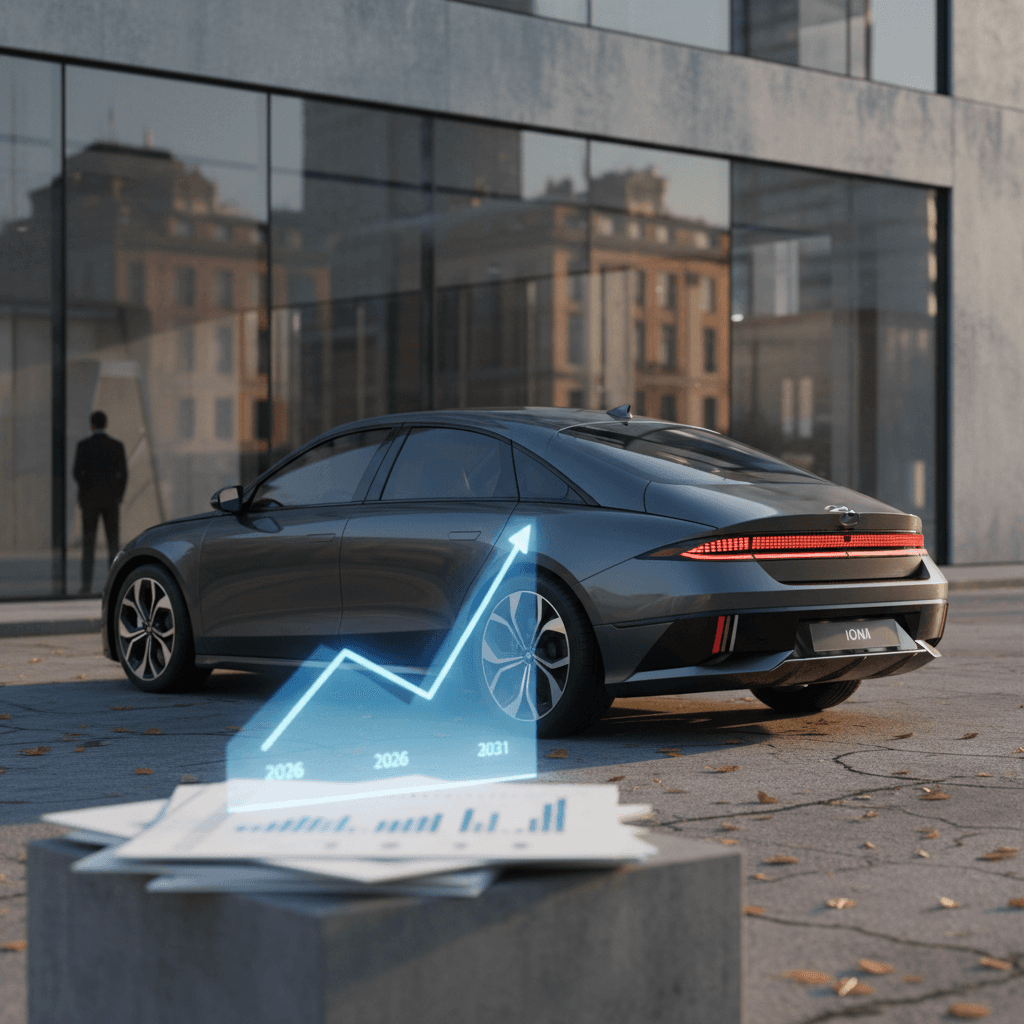
The IONIQ 6 has a promising resale story, but it isn’t one simple number. Its aerodynamic shape, useful driving range, and strong tested battery results give buyers reasons to consider it, while condition and configuration can create a wide price spread. If you’re asking how much your electric car is worth, start with comparable listings and then adjust for the evidence attached to your specific car.
What Recharged data says about IONIQ 6 value
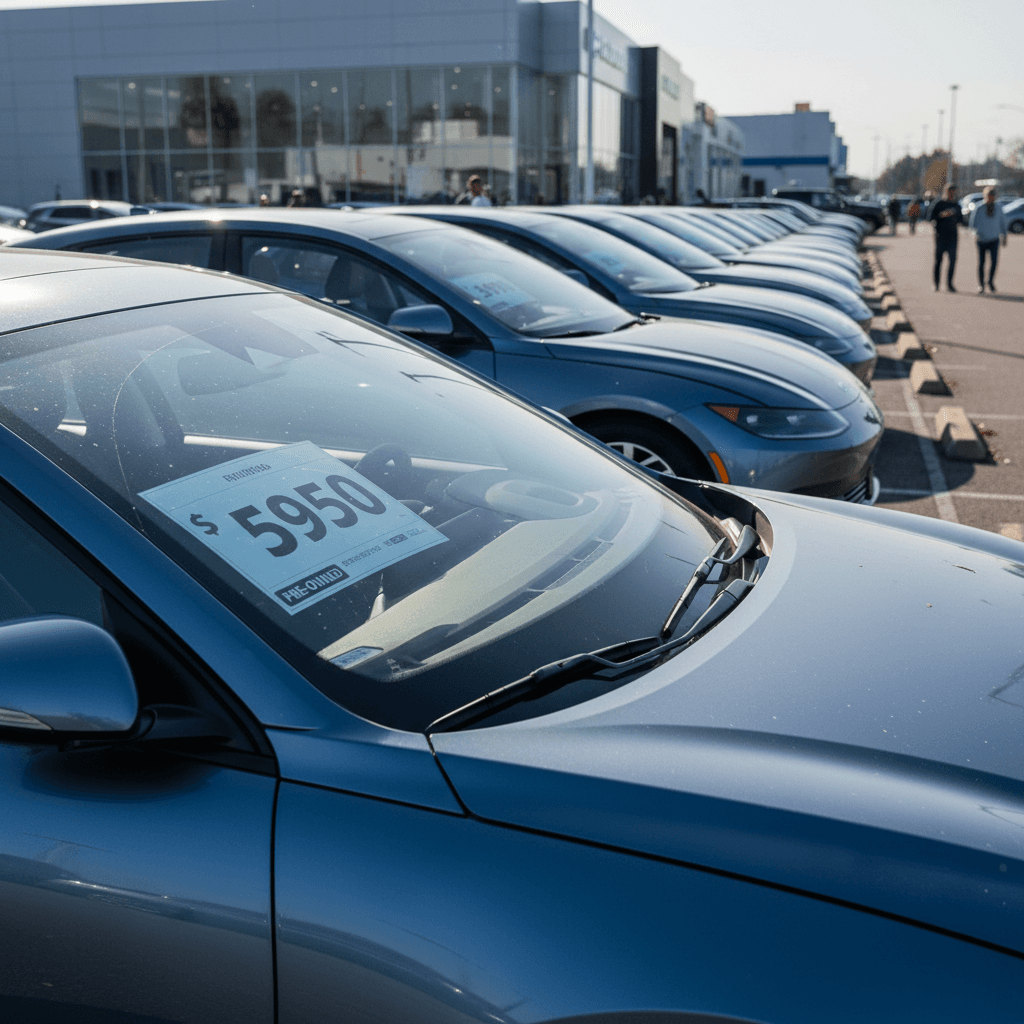
Recharged’s current market data shows a broad retail asking-price range rather than a single standard value. As of September 22, 2026, 11 matching IONIQ 6 listings had asking prices from $22,402 to $32,599, with an average of $27,328 and a median of $28,498. These are retail asking prices, not completed sale prices or the amount a seller should expect to receive. A Recharged instant offer or trade-in will land below expected retail, typically by several thousand dollars, because the vehicle still has to be inspected, prepared, marketed, and supported for its next owner.
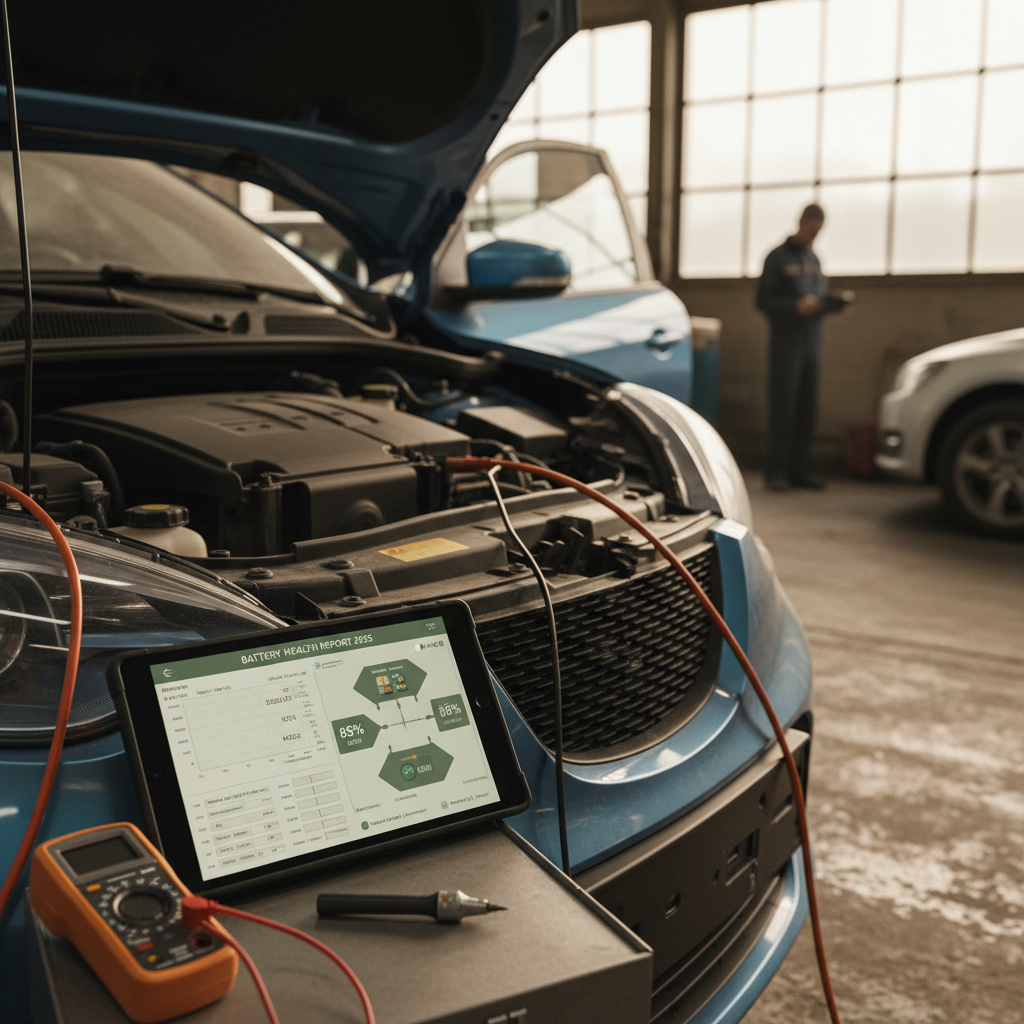
The battery evidence is encouraging: across 100 IONIQ 6 vehicles inspected through Recharged Score diagnostics, tested remaining capacity averaged 98.9% of original capacity, and the median was 100%. Tested real-world range averaged 318 miles, with results from 276 to 361 miles across the inspected cars. That doesn’t guarantee a particular vehicle’s value, but it makes a verified EV battery-health report a potentially strong part of the resale case.
What the numbers mean
Recharged data
Used Hyundai Ioniq 6 battery health
99%
avg remaining capacity
From Recharged battery inspections, not manufacturer estimates.
- Lowest
- 91%
- Median
- 100%
- Highest
- 100%
- Est. range
- 318 mi avg
- Cell balance pass
- 100%
- Quick charges
- 29 avg
- Slow charges
- 71 avg
Average cell imbalance: 3.2 mV
Based on vehicles Recharged tested
Recharged data
Used Hyundai Ioniq 6 prices at Recharged
$28,498
median list price
Current list prices for matching inventory at Recharged.
- Lowest
- $22,402
- Average
- $27,328
- Highest
- $32,599
Average Recharged Score on these listings
4.8 / 5
Range
4.7 – 5.0
Based on available listings
Every EV is battery-tested with a Recharged Score. Nationwide delivery.
The forecast favors documented, efficient cars
The most defensible forecast is relative: an IONIQ 6 with strong tested capacity, useful real-world range, clean bodywork, and complete documentation should compete toward the stronger side of the market. Recharged’s data doesn’t include enough historical price points to support an exact depreciation percentage or a promised future dollar value. Configuration also matters because wheel size and drivetrain choices can affect range, so two cars of the same age may not be equally attractive to used-EV shoppers.
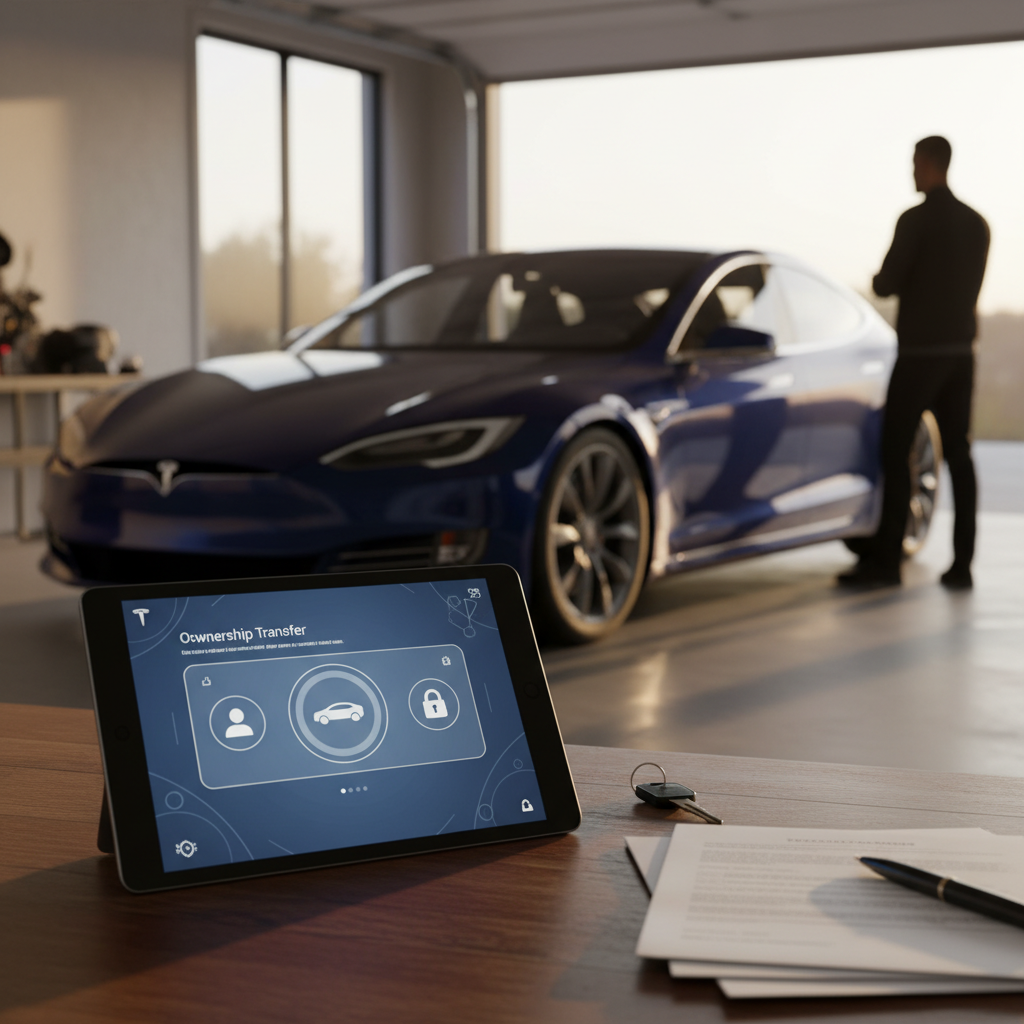
Range is one reason buyers put the IONIQ 6 on the same shopping list as Tesla. Configuration matters, though: the wheel and drivetrain setup can change the range story a future buyer sees.
These are the major signals to weigh when forecasting where an individual car may land. They’re more useful than applying one depreciation assumption to every IONIQ 6.
The factors most likely to separate values
Use the evidence from your own car to position it against comparable retail listings.
| Resale factor | Stronger signal | Weaker signal | What to document |
|---|---|---|---|
| Battery | High tested capacity | Reduced or unverified | Recharged Score report |
| Condition | Clean body and paint | Hail or repair evidence | Physical inspection |
| Configuration | Higher tested range | Range-reducing setup | Exact equipment |
| Mileage | Lower relative mileage | Heavy relative use | Odometer and history |
| Market position | Competitive retail price | Over-market asking price | Live comparable listings |
Resale signals are directional; an appraisal is still required for a firm offer.
How much does condition affect resale value?
Condition can move an IONIQ 6 away from otherwise comparable cars, particularly when damage is difficult to spot in photographs. Recharged’s inventory team encountered an IONIQ 6 with extensive roof hail damage that hadn’t been described accurately before arrival; the damage was especially difficult to see on its matte finish without inspection tools and controlled lighting. Recharged sent that vehicle back rather than place it into retail inventory. The example is a good reason to use a thorough used-EV inspection checklist before treating any online comparable as truly equivalent.
A condition report is a starting point, not the finish. Damage such as hail can be hard to see in ordinary photos, so we inspect the actual car before deciding it belongs in retail inventory.
Paintwork, body repairs, wheel damage, tire condition, interior wear, and title history can all change an appraisal even when the battery tests well. If your car has a matte finish, document its condition carefully because subtle dents and mismatched repairs may require a closer look. Repair records and clear photographs won’t erase damage, but they can reduce uncertainty for the next buyer.
How should you estimate your IONIQ 6’s value?
Estimate your car’s value by narrowing the comparable set before applying condition and battery adjustments. Compare cars with similar mileage, drivetrain, equipment, tested range, and body condition rather than relying on the model-wide average alone. Then separate a possible retail price from the amount you could receive through an instant offer, trade-in, or consignment. If you’re ready for a transaction rather than a rough estimate, compare the practical differences between selling or trading in your EV.
Build a more credible valuation
Run battery diagnostics
Record tested remaining capacity and real-world range instead of relying only on the dashboard estimate.
Inspect the body in good light
Look across the roof and panels for hail, dents, paint mismatch, and signs of previous repair.
Match the right comparables
Use similar mileage, drivetrain, equipment, condition, and range when reviewing current listings.
Gather ownership records
Prepare service history, repair invoices, tire information, charging equipment, and all keys.
Distinguish retail from payout
Treat listing prices as market context, not as the amount a dealer or marketplace will pay you.
A forecast isn’t a firm offer
Instant offer, trade-in, or consignment. Pickup available.
Hyundai IONIQ 6 resale value FAQ
The strongest resale case is documented
The strongest IONIQ 6 resale case combines verified battery capacity, competitive real-world range, clean condition, and accurate equipment details. Recharged’s current listings establish a wide retail context, while its battery inspections show encouraging capacity results across the vehicles tested. Use those figures as market evidence, not a promised payout, and get a vehicle-specific appraisal before making a selling decision.