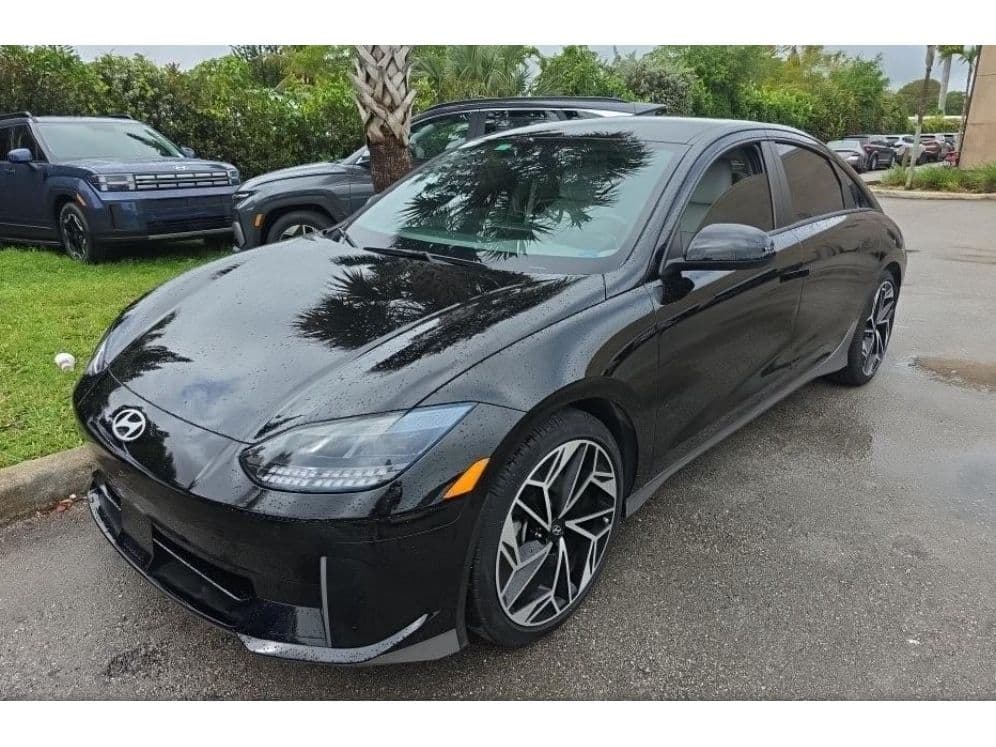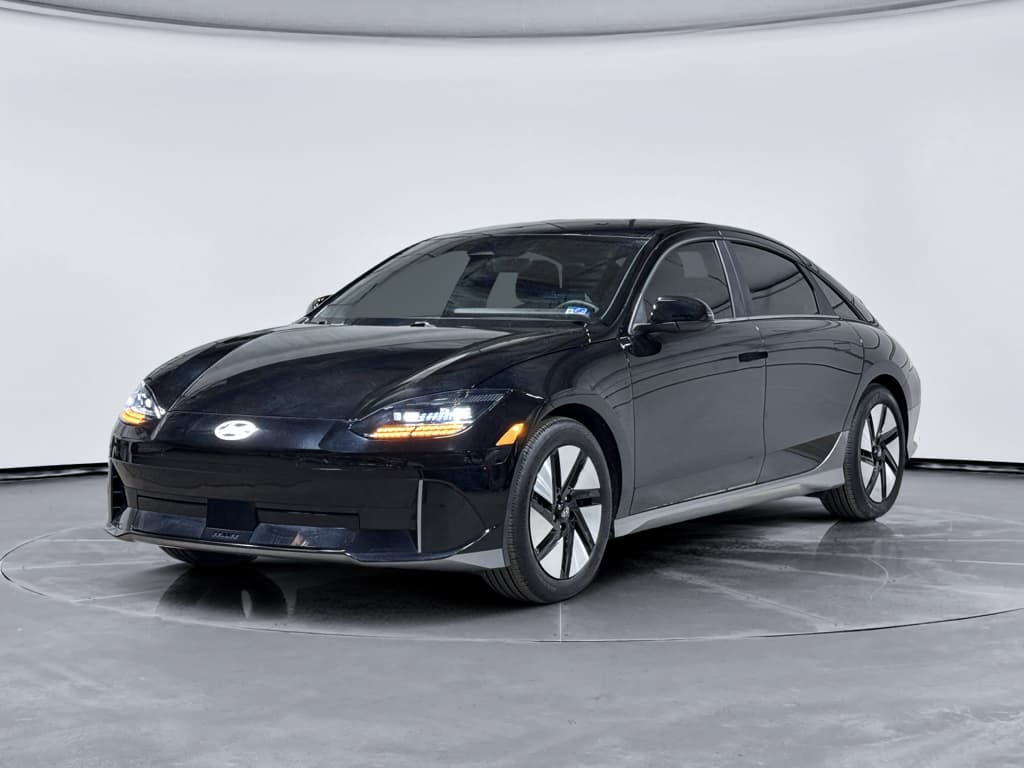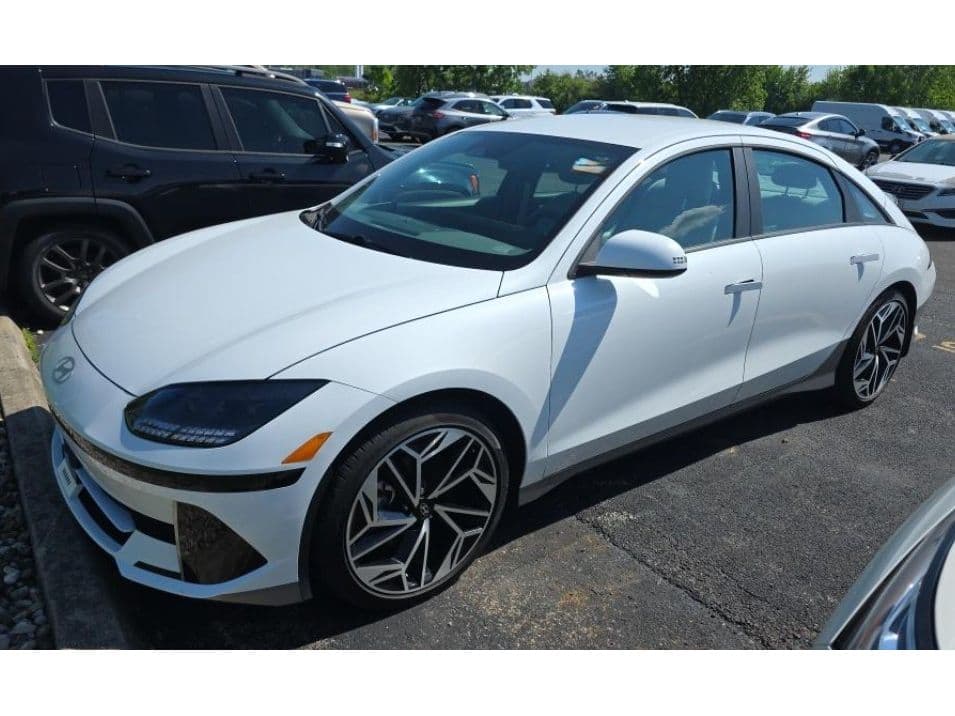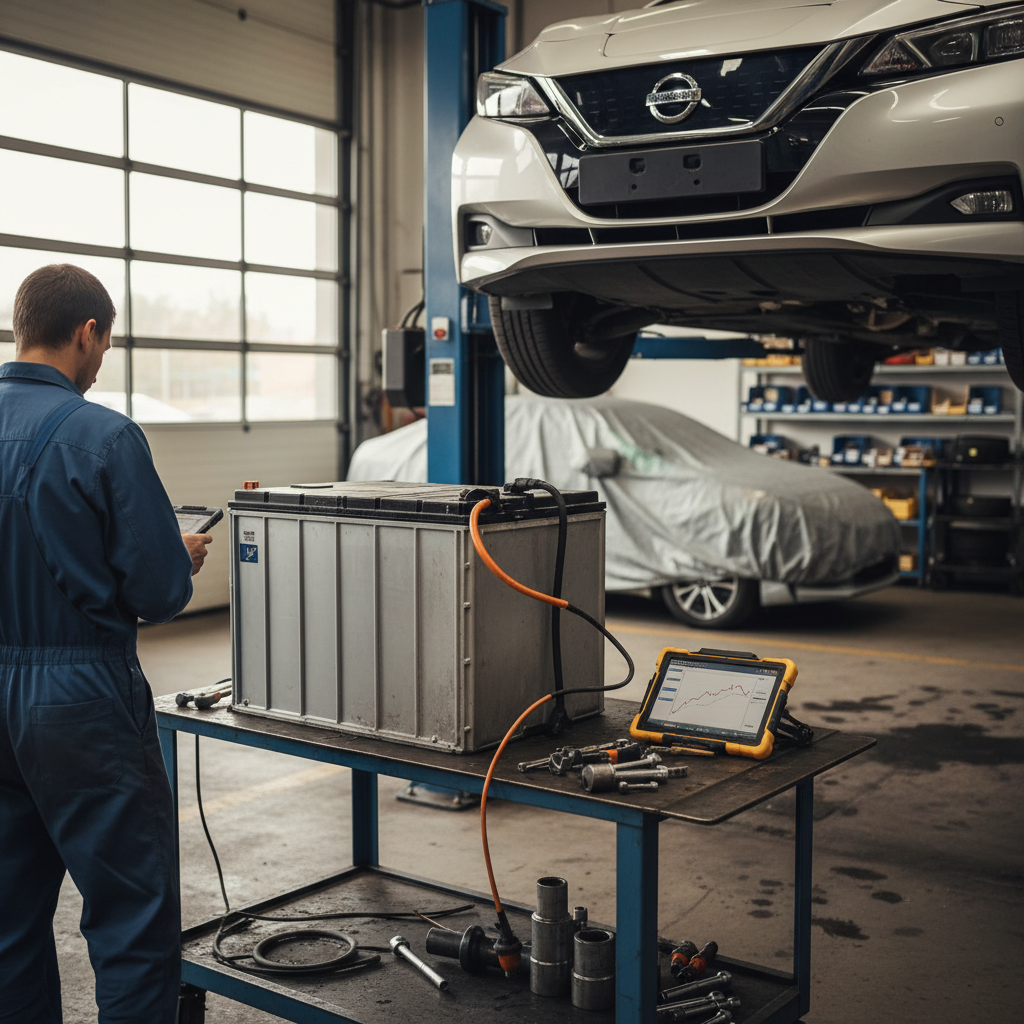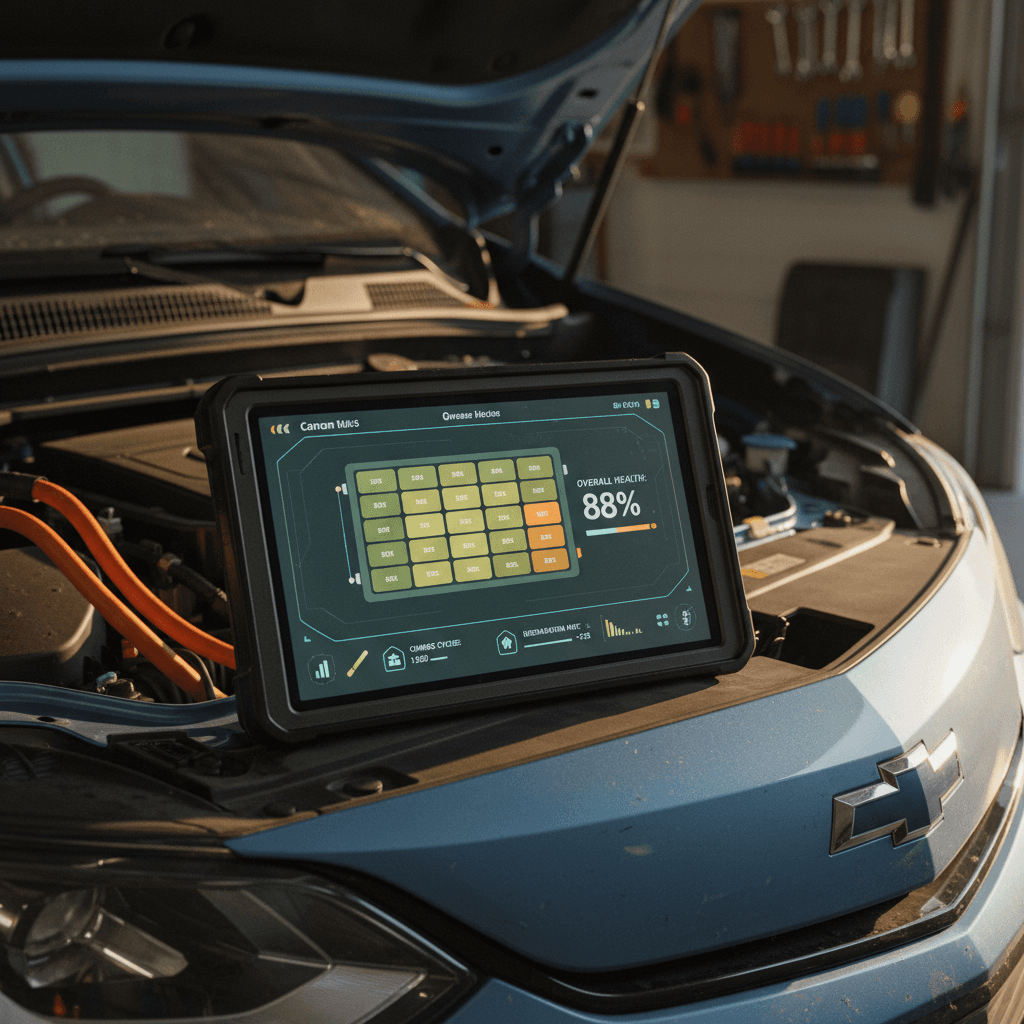
If you own, or are eyeing, a used Hyundai IONIQ 6, the **battery health check** is the one question that towers over all the others. Range, resale value, long‑term peace of mind: they all live or die with that big 77.4 kWh pack under the floor. The good news is that most IONIQ 6 batteries are aging gracefully. The bad news is that “battery health” is more nuanced than a single percentage in an app.
State of health vs. state of charge
Why Hyundai IONIQ 6 battery health matters
Hyundai built the IONIQ 6 on the E-GMP platform with an eye toward the long game: high‑voltage architecture, serious thermal management, and an EV‑specific warranty designed to tamp down owner anxiety. Still, battery health matters for three reasons:
- Real‑world range. As the pack ages, usable capacity shrinks. Less capacity, less range, even if your driving habits don’t change.
- Resale value. A used IONIQ 6 with a strong battery and good documentation is worth more, full stop.
- Warranty protection. Hyundai’s EV battery warranty is generous, but you need to understand what counts as a defect versus normal degradation.
Range loss is usually modest
IONIQ 6 battery basics: specs and warranty
Hyundai IONIQ 6 battery at a glance
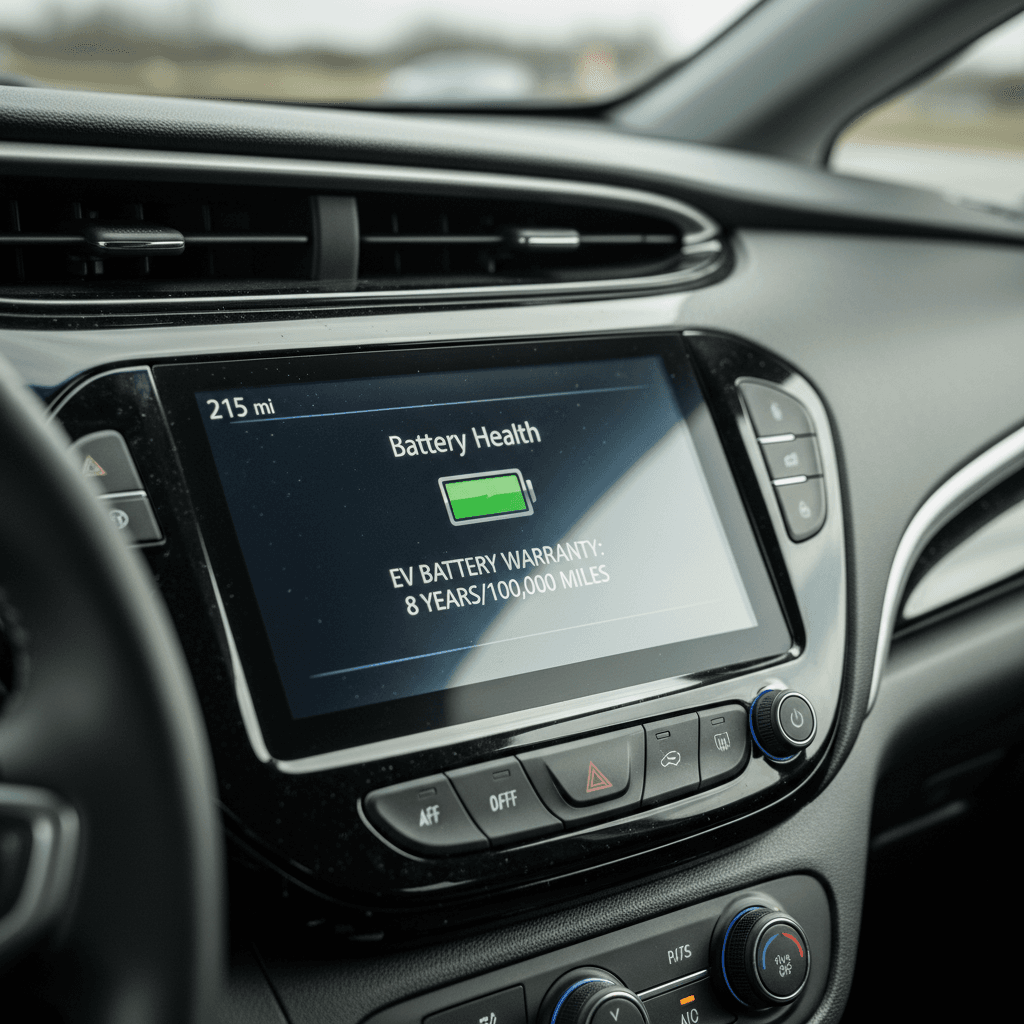
In the U.S., the IONIQ 6’s **high‑voltage battery** is covered under Hyundai’s Hybrid/EV Battery Warranty for up to 10 years or 100,000 miles (whichever comes first). This protects you against defects, like a failed module or excessive degradation, not against every mile of normal wear. In Europe and Korea, Hyundai documents SOH thresholds (for example, guaranteeing a minimum percentage of original capacity), and while U.S. language is a bit vaguer, the practical bar is similar: obvious, abnormal loss is treated very differently from a few percent of expected fade over many years.
Don’t confuse 12V issues with traction‑battery failure
Quick at-home IONIQ 6 battery health checks
You don’t need a lab coat and an oscilloscope to get a first read on your IONIQ 6’s battery health. You just need some method and a little patience. Here’s what you can do in your driveway before you ever pay for diagnostics.
At-home IONIQ 6 battery health check
1. Start from a stable, full charge
Charge to 100% once in a while for testing, preferably after the car has balanced the cells by sitting plugged in for an extra hour or two. Reset a trip meter when you leave.
2. Drive a known, mixed route
Use your normal commute or a 30–80 mile loop with a mix of city and highway. Note your average consumption in mi/kWh and how many miles you drive before reaching, say, 20–30% SOC.
3. Compare range to original EPA rating
Multiply your trip’s efficiency (mi/kWh) by the original ~77.4 kWh capacity. If the math says you should see ~300 miles and you’re getting close to that in mild weather, degradation is probably modest.
4. Watch for big, sudden drops
If the guess‑o‑meter falls off a cliff at low SOC, or you lose bars quickly under light load, that can hint at imbalance or a weak module even if total range seems okay.
5. Repeat in different seasons
Cold weather can easily shave 20–30% off your displayed range with a perfectly healthy battery. Track similar routes in summer and winter; long‑term health trends shouldn’t swing wildly with seasons.
6. Note any error messages or warnings
Battery‑system warnings, reduced‑power messages, or repeated DC‑fast‑charging failures are red flags. Screenshot everything; this becomes valuable evidence for the dealer or seller.
Treat the range display like a trend, not gospel
Using range and charging data to spot degradation
The IONIQ 6 doesn’t expose an official SOH number in the Hyundai Bluelink app, but the car leaks enough clues to piece together a story. Think of it as automotive investigative journalism: you’re looking for corroborating evidence from multiple sources.
Four data signals that reveal battery health
None of these prove degradation alone, but together they paint a picture.
1. Stable highway range
If your new IONIQ 6 once did, say, 250 miles at 70 mph in mild weather and now struggles to clear 210 on the same route, that’s a data point. Document identical speeds, temperatures, and loads (passengers, cargo).
2. DC fast‑charge taper behavior
On a healthy pack, the IONIQ 6’s 800V architecture allows aggressive charging up to a mid‑SOC before tapering. If you see early, dramatic tapering at low SOC on multiple stations and days, something may be limiting current.
3. kWh added vs. SOC movement
Some public chargers show actual kWh delivered. If a 10–80% session on a warm day consistently adds far fewer kWh than expected, that can hint at missing capacity, or just a conservative BMS. Track several sessions.
4. Power limits and warnings
Repeated “reduced power” messages, refusals to accept DC charging, or sudden SOC drops are often more indicative of a battery problem than a gentle, linear reduction in range over many years.
Third‑party OBD tools: handle with care
Dealer and professional battery health checks
At some point, a DIY spreadsheet stops being fun and you want an authoritative answer. That’s where dealerships and EV‑specialist platforms come in.
Hyundai dealer diagnostics
Hyundai dealers can run factory battery diagnostics through their service tools. For 12‑volt batteries they already advertise quick complimentary tests that check voltage, resistance, and capacity. For the high‑voltage pack, technicians can pull detailed logs, run health checks, and compare against Hyundai’s internal thresholds for warranty action.
If your IONIQ 6 is showing warning lights, unusual behavior while fast‑charging, or significant early range loss, a dealer printout is valuable documentation, especially while you’re still inside the 10‑year/100,000‑mile battery warranty window.
Independent EV battery reports
As the used EV market matures, third parties have begun offering battery health reports based on diagnostic data and real‑world charging behavior. That’s exactly the idea behind the Recharged Score you get when you buy a used EV from Recharged: a transparent, standardized look at pack health, fast‑charging history, and fair‑market pricing.
If you’re shopping for an IONIQ 6 rather than already owning one, buying from a seller that includes this kind of report cuts through a lot of guesswork and sales patter.
When a pro check is worth every dollar
ICCU recall, 12V issues, and when it’s not degradation
In late 2024, Hyundai and Kia recalled over 200,000 EVs, including 2023–2025 IONIQ 6 models, for a defect in the **Integrated Charging Control Unit (ICCU)** that could stop charging the 12‑volt system and eventually cause a loss of drive power. That headline is tailor‑made to terrify shoppers who skim, then assume “battery failure.” The reality is more nuanced.
ICCU / 12V issues vs. true traction‑battery degradation
Two very different problems that can feel similar from the driver’s seat.
| Scenario | Typical symptoms | Likely cause | What to do |
|---|---|---|---|
| Car dies or won’t start, even at healthy SOC | Cluster lights, error messages, won’t go into gear | 12V battery not being charged properly, often ICCU related | Check recall status, schedule dealer visit, have ICCU and software updated |
| Repeated 12V battery replacements | Starts fine after boost, then dies again days or weeks later | Parasitic draw or charging‑control fault, not HV pack | Ask dealer to test for parasitic draw and ICCU function; log patterns |
| Gradual, linear range loss over many years | Range slowly shrinks but car behaves normally | Normal HV battery aging and environmental factors | Document range over time; compare to warranty expectations |
| Sudden, large, persistent drop in range | Lost 20–30% range over a short period without behavior change | Possible cell/module fault or BMS issue | Book dealer diagnostics immediately; keep charging/session records |
Use this table as a sanity check before you assume your IONIQ 6’s big battery is doomed.
Don’t ignore ICCU recall notices
Battery health when buying a used IONIQ 6
Buying a used IONIQ 6 is like buying a low‑miles, design‑forward German sedan, except the engine is silent, and the resale math runs on electrons. Battery health is the negotiating table. Here’s how to walk in prepared.
Five battery questions to ask any IONIQ 6 seller
If they can’t answer these, price in some uncertainty.
1. Service & recall history
Has the ICCU recall work been completed? Are there records of any battery‑system warnings, software updates, or HV‑system repairs? A clean, well‑documented history is gold.
2. Fast‑charging habits
How often has the car DC fast‑charged, and at what SOC? Occasional road‑trip fast‑charging is fine; living on 10–90% DCFC in extreme heat is harder on any pack.
3. Climate and storage
Did the car live in Phoenix, parked outside at 100% every day, or in a temperate garage kept around 40–80%? Heat and high SOC are the real villains of lithium‑ion aging.
4. Real‑world range today
What range does the owner realistically see at 70 mph in mild weather? Have them describe a recent trip rather than quoting the dashboard fantasy number.
5. Any battery health report
Has a dealer, marketplace, or third‑party service produced a formal battery health report? If you’re shopping through Recharged, this comes baked in as the Recharged Score with verified battery diagnostics.
Bonus: pricing vs. battery risk
A car without documentation isn’t necessarily bad, but it should be cheaper. Build in a budget for a pro inspection or factor in worst‑case degradation before shaking hands.
Leverage marketplaces that surface battery data
How to protect your IONIQ 6 battery long-term
After you’ve checked the battery, the next logical question is how to keep it healthy. Fortunately, the habits that help an IONIQ 6 age gracefully are simple, boring, and mercifully un‑heroic.
- Live between ~20–80% for daily use. Hyundai itself advises avoiding constant 100% charging when not needed. Use higher SOC for trips; otherwise let the car breathe in the middle of the pack.
- Limit repeated DC fast‑charging on a hot battery. The IONIQ 6 can fast‑charge very quickly; that doesn’t mean it should do so every single day from low SOC in summer heat.
- Give the car time to finish balancing. After some full charges, leaving the car plugged in for an extra hour or two lets the battery management system balance cell voltages, which helps long‑term health.
- Avoid sitting at 0% or 100% for days. Short stints are fine. Weeks at either extreme are not your friend.
- Keep an eye on software updates. Many EV “battery problems” are ultimately firmware problems. Make sure recall and service campaigns, especially around the ICCU and charging logic, are up to date.
- Protect the pack from extreme heat when possible. You can’t control the weather, but you can choose a shaded spot, use scheduled charging to avoid peak heat, and precondition while plugged in.
Hyundai’s own guidance backs you up
Frequently asked questions about IONIQ 6 battery health
IONIQ 6 battery health: common questions
Bottom line: how worried should you be?
Hyundai’s IONIQ 6 is one of the more battery‑forward EVs on sale today: big pack, fast charging, robust thermal management, and a long warranty that acknowledges the importance of pack health. For most owners, the right takeaway isn’t panic, it’s literacy. Know how to check your battery health, keep simple logs, and distinguish between normal aging, 12‑volt side dramas, and real high‑voltage problems.
If you’re shopping used, treat battery health as the central question, not an afterthought. Ask for documentation, look for recall completion, and when possible, lean on platforms like Recharged that put a verified battery health report and expert support between you and an expensive surprise. A well‑cared‑for IONIQ 6 should be a decade‑long companion, not a three‑year fling.