If you’ve just bought a Tesla, new or used, you’re probably nervous about that first trip through the car wash. Between sensors, cameras, a motorized charge port door, and that big glass roof, it’s fair to ask: how do you wash a Tesla at a car wash without breaking anything? The good news: you can absolutely use a car wash with a Tesla, as long as you pick the right kind and set the car up correctly.
Tesla’s official stance, in plain language
Can you take a Tesla through a car wash?
You can take a Tesla through an automatic car wash, but you shouldn’t treat it like any old gas car. The key differences are the electronics and the paint and trim. Your Tesla has an electric charge port, ultrasonic sensors, cameras, and an all-glass roof system that don’t love high‑pressure water blasting into their seams. That’s why Tesla added Car Wash Mode to every modern Model 3, Y, S, and X.
- Safe if done right: Touchless automatic washes, self‑service bays, careful hand washing.
- Risky: Old‑school tunnels with spinning brushes and very strong detergents.
- Deal-breaker: Any wash that insists on leaving the car in Park, driving it, or opening doors while it’s moving through the tunnel.
Warranty reality check
What kind of car wash is safest for a Tesla?
Tesla‑friendly car wash options
From best to “only if you must.”
1. Hand wash (best)
The gold standard for paint care. A proper two‑bucket hand wash with high‑quality mitts and microfiber towels is the gentlest option and gives you a chance to inspect your Tesla up close.
2. Touchless automatic
High‑pressure water and detergents, but no brushes touching the paint. With Car Wash Mode on, this is the most practical choice for busy owners.
3. Brush tunnel (last resort)
Spinning brushes can trap grit and cause micro‑scratches, especially on dark paint and gloss black trim. If you must use one, read the precautions below and accept some cosmetic risk.
Quick rule of thumb
Before the wash: Prepare your Tesla correctly
Whether you’re rolling into a touchless tunnel or pulling into a self‑service bay, prepping the car correctly is half the battle. This is where you protect the charge port, glass, and interior from surprise showers.
Pre‑wash checklist for any Tesla
1. Close everything
Shut all doors, trunks, and the charge port. Check that the glass roof and windows are fully closed, cracked windows are the quickest way to soak a door panel.
2. Remove or fold accessories
Take off magnetic phone holders, suction‑cup dash cams on exterior glass, and loose items on the roof. If you have aftermarket license plate frames that rattle, consider removing them.
3. Fold mirrors (if needed)
Most tunnels ask for mirrors folded. Car Wash Mode can handle this automatically, but you can also fold them manually from the Controls screen if the attendant requests it.
4. Check for existing damage
If your Tesla already has rock chips, deep scratches, or loose trim, a harsh wash can make things worse. Snap a quick set of photos before you go through, especially if it’s a new‑to‑you used Tesla.
5. Turn off child locks and valet mode (if attendants will drive)
If a staff member will move the car at the end of the tunnel, make sure they can actually get in, shift to Drive, and pull it out without you standing there.
How to use Tesla Car Wash Mode (step by step)
Car Wash Mode is your Tesla’s way of saying, “Relax, I’ve got this.” It closes and locks what needs to be locked, and it stops the car from doing well‑intentioned but unhelpful things, like flicking the wipers on every time a spray bar passes by.
Turn on Car Wash Mode in seconds
Menu paths can change slightly with software updates, but the basics are the same across Model 3, Y, S, and X.
| Step | What to do on the touchscreen | What your Tesla does |
|---|---|---|
| 1 | Park, foot on the brake, then tap Controls | Wakes up all systems and shows main settings. |
| 2 | Tap Service | Opens the menu with Car Wash Mode. |
| 3 | Tap Car Wash Mode | Closes windows, locks charge port, disables wipers, Sentry Mode, walk‑away locking, and parking chimes. |
| 4 | If using an automatic tunnel, tap Enable Free Roll when prompted | Keeps the car in a neutral‑like state so the conveyor can pull it without applying Park or Auto Hold. |
| 5 | After the wash, tap Exit or simply drive away | Car Wash Mode turns off automatically above about 10 mph. |
Always enable Car Wash Mode before you enter the wash tunnel or start spraying.
Using the app or voice command
Going through a touchless automatic car wash
Let’s walk through exactly how to take your Tesla through a modern touchless tunnel, the kind with hanging spray bars, but no brushes dragging against the paint. This is the safest automatic option if you don’t have time to hand wash.
1. At the entrance
- Confirm the wash is touchless. Look for language like “brushless” or “no‑touch.”
- Ask the attendant whether they use highly alkaline soap or pre‑soak. If they can’t tell you, consider a different wash, Tesla cautions against detergents above about pH 13.
- Put your Tesla in Car Wash Mode and, if required, enable Free Roll before you enter the tunnel.
2. Inside the tunnel
- Keep your hands off the brake, accelerator, and steering wheel unless staff tells you otherwise.
- Do not use the touchscreen, an accidental tap can pop a trunk or open the charge port at the worst possible time.
- If you feel the car trying to apply the brakes, check that Free Roll is still enabled and that you’re not nudging the pedal.
After the wash: quick post‑check
What if your only option is a brush-style wash?
Life happens. Maybe the only wash in your small town still uses giant spinning brushes, or a dealership runs trade‑ins through a tunnel as part of reconditioning. Brush washes are never ideal for Teslas, or any modern car, because they can trap grit and leave fine scratches, especially in black and dark blue paint.
- Expect some micro‑marring. On darker paint, repeated brush washes can dull the clear coat and leave swirl marks under sunlight.
- Trim can fade or discolor. Harsh detergents and mechanical contact are hard on satin black window trim and plastic bumpers.
- Wheels and calipers take abuse. Aggressive wheel brushes can scratch painted calipers and soft wheel finishes.
If you must use a brush tunnel
Using a self-service bay or DIY wash with a Tesla
Self‑service bays are a sweet spot for Tesla owners: more control than a tunnel, less hassle than a full driveway setup. You still need to think like an EV owner, not a weekend detailer with a 1998 pickup.
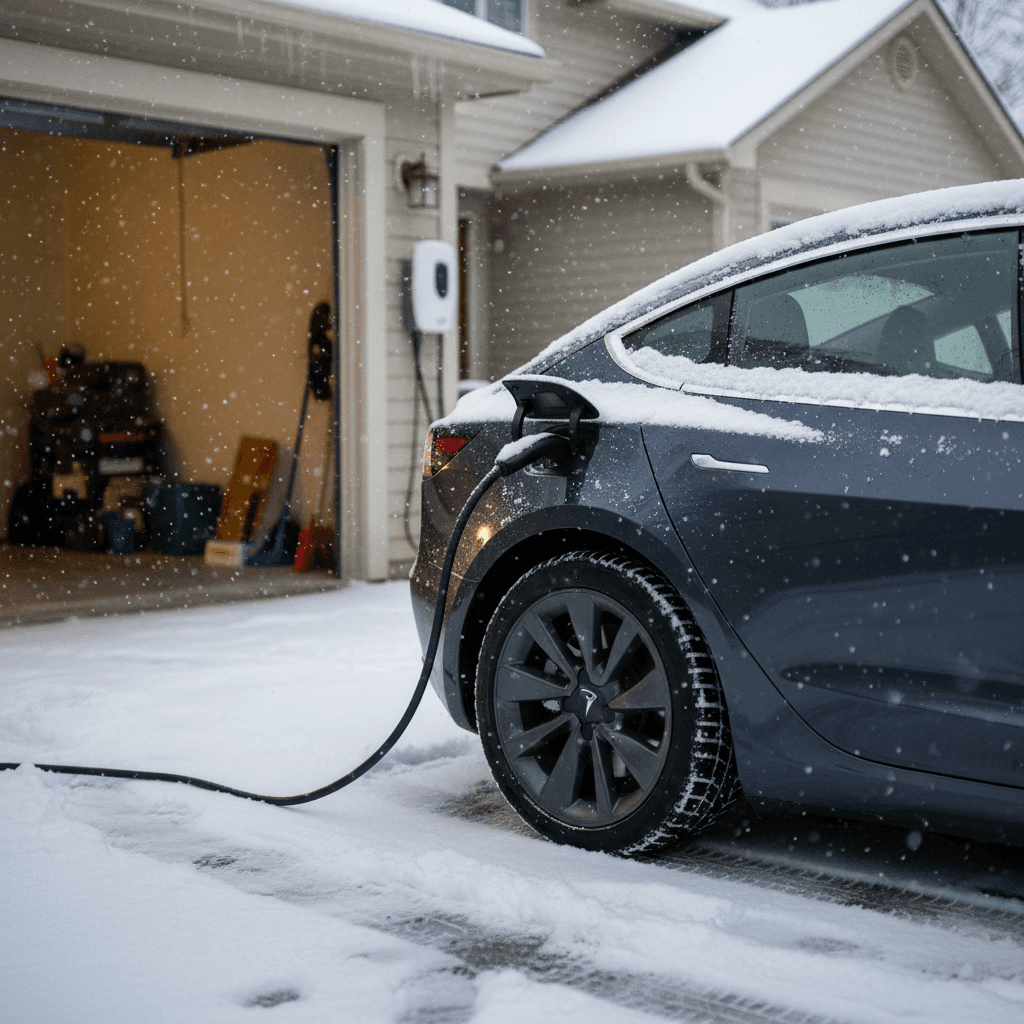
Tesla‑safe self‑service bay routine
1. Turn on Car Wash Mode
Even in a self‑service bay, Car Wash Mode keeps the charge port locked and windows sealed, and prevents wipers from going wild when you spray the windshield.
2. Mind the pressure washer distance
Keep the nozzle at least a foot (about 30 cm) away from the paint, seals, cameras, sensors, and especially the charge port. Don’t concentrate the spray on one spot for more than a couple of seconds.
3. Avoid blasting sensors and cameras
A quick pass over bumpers and mirrors is fine, but don’t stand there pressure‑washing a front camera or ultrasonic sensor, it’s unnecessary and can force water where it shouldn’t go.
4. Use gentle soap cycles
Skip heavy “wheel acid” or caustic pre‑soak on paint and trim. Those products are designed for baked‑on grime, not weekly washes of a clear‑coated EV.
5. Rinse the underside in winter
In snowy climates, spray the wheel wells and underbody to remove road salt. Then take a short drive and apply the brakes a few times to dry off the rotors.
6. Dry with clean microfiber
Bring your own plush microfiber towels to dry the car instead of the bay’s communal squeegee, which can be loaded with grit.
Protecting Tesla paint, trim, and glass over time
A single car wash rarely ruins a Tesla. It’s the cumulative effect of harsh chemicals, brushes, and poor technique that shows up a year or two down the road as faded trim and dull paint. A little prevention goes a very long way, especially if you plan to sell or trade in your EV later.
Why gentle washing pays off
Long‑term protection options for Teslas
Worth considering if you use automatic washes often.
Ceramic coating
A professionally applied ceramic coating makes the paint more resistant to light swirls and easier to wash. It doesn’t make the car invincible, but it buys you some forgiveness.
Paint protection film (PPF)
Clear film on high‑impact areas, front bumper, hood edge, mirrors, helps absorb chips and wash‑induced micro‑marring. Popular on Model 3 and Y.
Glass and trim sealants
Hydrophobic coatings on side and rear glass and dedicated trim dressings on black plastic help water sheet off and protect against fading. Avoid putting coatings on the front windshield cameras unless the product is approved.
Used Tesla bonus
Common Tesla car wash mistakes to avoid
- Skipping Car Wash Mode. That’s how you end up with the charge port popping open mid‑wash or wipers fighting spray bars.
- Using caustic soaps. Detergents with very high pH can stain trim or strip wax and ceramic coatings.
- Point‑blank pressure washing. Standing inches from sensors, cameras, or seals with a pressure wand is asking for water intrusion.
- Forgetting to dry brakes after a heavy wash. A quick drive with a few medium‑pressure stops helps remove water from rotors and can prevent surface rust.
- Letting recycled brush tunnels be your only wash. Even if you’re busy, try to alternate with touchless or a gentle self‑serve bay to reduce long‑term paint damage.
Don’t do this with any Tesla
FAQ: Tesla car wash questions
Frequently asked questions about washing a Tesla at a car wash
Closing thoughts: Clean Tesla, clear conscience
Washing a Tesla at a car wash isn’t nearly as scary as it seems once you understand what the car is trying to protect. Choose touchless or gentle self‑service options whenever you can, turn on Car Wash Mode before the water starts flying, and be picky about chemicals and pressure. Your paint, trim, and sensors will thank you later.
If you’re in the market for a used Tesla, or any used EV, how the last owner cared for the car matters just as much as the odometer reading. That’s why every vehicle at Recharged comes with a Recharged Score Report that covers verified battery health, fair pricing, and overall condition, plus EV‑savvy support from first click to delivery. Keep your EV clean, care for it well, and it will return the favor for years down the road.